Jaw Pain On One Side: Causes and Treatment

Key Takeaways
- One-sided jaw pain often starts in the teeth, jaw joints, or nearby muscles, but it can also come from the ears, sinuses, or nerves.
- Pain that worsens with chewing, opening the mouth, or stress may suggest a jaw joint or muscle problem.
- Swelling, fever, a bad taste, or tooth sensitivity can point to a dental infection that needs prompt attention.
- Diagnosis usually begins with a history and exam, and may include dental imaging or other tests if needed.
- Self-care can ease mild symptoms, but persistent, severe, or changing pain should be assessed by a qualified clinician.
Jaw pain on one side can have several causes, from a strained jaw muscle to a dental problem or temporomandibular joint disorder. A careful evaluation helps identify the source and guides the right treatment, especially when pain affects chewing, speaking, or sleep.
Overview
Jaw pain on one side is a symptom, not a diagnosis. It can feel like a dull ache near the cheek, a sharp twinge while chewing, or a tight pressure that seems to spread toward the ear, temple, or neck. Because the jaw sits at the meeting point of teeth, joints, muscles, and nerves, several different conditions can produce similar discomfort.
For many people, the first question is whether the pain is “just a sore jaw” or something that needs treatment. That answer depends on the pattern of pain, how long it has lasted, and whether it is linked to tooth problems, clenching, recent injury, infection, or changes in jaw movement. A focused exam can usually narrow the cause and make the next steps clearer.
International patients sometimes arrive with a long list of possible explanations already in mind. A structured assessment is especially helpful in that setting, because it can separate conditions that improve with simple care from those that may need dental treatment, medication, imaging, or joint-specific therapy.
Symptoms
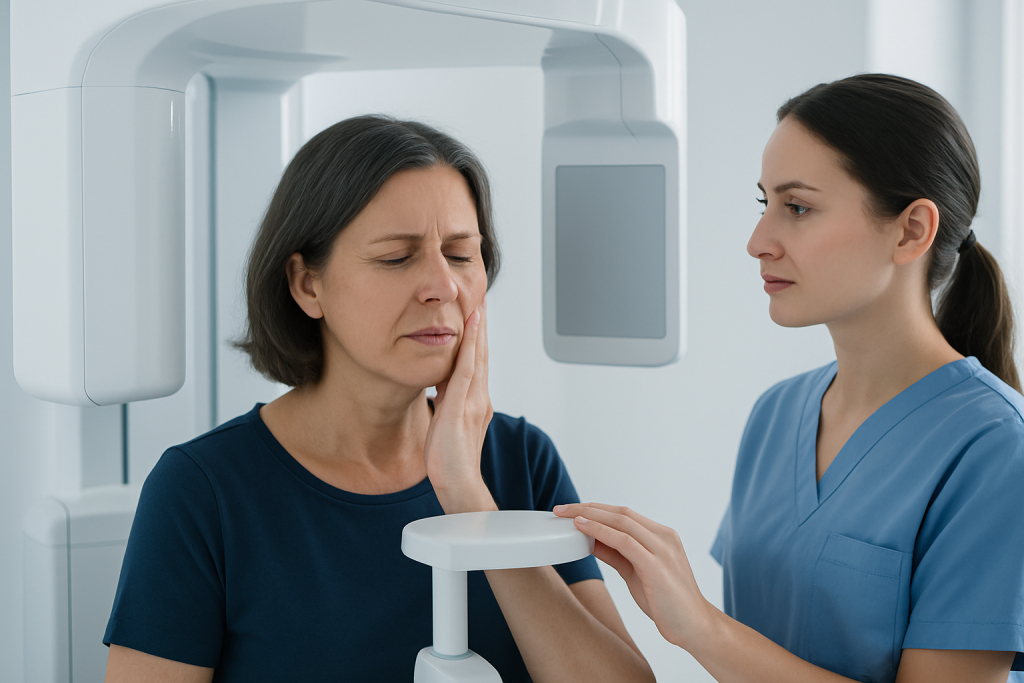
One-sided jaw pain can appear in different ways. Some people notice pain only when they bite down or open wide, while others feel a constant ache that becomes more noticeable later in the day. The discomfort may stay in one spot or seem to travel to the ear, temple, or upper neck.
Associated symptoms often give the best clue to the cause. Tooth sensitivity, gum swelling, clicking or popping in the jaw, headaches, facial muscle tightness, or limited mouth opening can each point in a different direction. In some cases, pain worsens after stress, long periods of talking, or waking up with clenched teeth.
- Pain when chewing or yawning
- Clicking, popping, or catching in the jaw
- Swelling of the face or gums
- Tooth pain or sensitivity to hot and cold
- Headache, ear discomfort, or neck tension
- Difficulty opening the mouth fully
More urgent features can include fever, visible swelling, pus, numbness, or sudden trouble opening the mouth. Those signs do not automatically mean a serious illness, but they do deserve timely medical attention.
Causes & Risk Factors

Dental problems are among the most common reasons for one-sided jaw pain. A cavity that reaches the nerve, an infected tooth, gum disease, or a wisdom tooth that is trapped or partially erupted can all cause pain that seems centered in the jaw. Because pain from the teeth can be referred, it may be hard to localize without an examination.
Temporomandibular joint disorder, often called TMJ or TMD, is another frequent cause. The temporomandibular joints connect the lower jaw to the skull, and they work hard every time a person talks, eats, or laughs. Strain on these joints or the surrounding muscles can cause pain, stiffness, clicking, and fatigue, especially after clenching or grinding.
Other possible causes include sinus pressure, ear infections, facial trauma, nerve pain, inflammatory conditions, or less commonly pain that is related to the salivary glands. Risk tends to rise when there is a history of teeth grinding, uneven bite alignment, recent dental work, poor sleep, high stress, or a prior jaw injury. In travelers, long flights, altered sleep, and travel stress can sometimes make clenching and muscle tension more noticeable.
Diagnosis
Diagnosis begins with a conversation about where the pain is, when it started, what makes it worse, and whether there are other symptoms such as swelling or fever. The clinician will usually ask about recent dental treatment, jaw clicking, headaches, trauma, sinus symptoms, and whether the pain is tied to biting or opening the mouth.
A physical examination may include inspection of the teeth and gums, checking jaw movement, pressing on the jaw muscles, and feeling the joints near the ears. If a dental source is suspected, a dentist may recommend X-rays or other dental imaging to look for infection, decay, or impacted teeth.
Sometimes additional tests are needed, especially when the cause is not obvious or when symptoms suggest another structure may be involved. Depending on the findings, this can include imaging of the jaw joints, sinuses, or face, or a referral to a specialist in dentistry, oral and maxillofacial surgery, ENT, or neurology.
Treatment Options
Treatment depends on the underlying cause. A dental infection may need procedures such as drainage, root canal treatment, or tooth removal, along with other care directed by the dental team. TMJ-related pain is often managed with conservative measures first, such as rest for the jaw, soft foods, and strategies that reduce clenching.
When jaw muscles are tight or irritated, a clinician may recommend short-term measures to reduce strain and improve comfort. These may include warm compresses, posture awareness, and avoiding habits that stress the joint, such as nail biting, gum chewing, or opening the mouth very wide for long periods. In some cases, a custom oral appliance may help protect the teeth and reduce grinding during sleep.
Medication may be used in some situations, but the best option depends on the cause and the person’s overall health. Pain relief should always be guided by a qualified clinician, especially for people with stomach, kidney, bleeding, or heart concerns. If the jaw pain is linked to infection, medication alone is usually not enough; the source of the infection must be treated directly.
For patients traveling for care, treatment planning may also include timing follow-up visits before departure, organizing records for home-country doctors, and ensuring that any device, splint, or postoperative instruction is clearly explained in advance.
Prevention & Self-care
Not every cause of jaw pain can be prevented, but several habits can reduce strain and lower the chance of recurrence. Paying attention to clenching during stressful moments, meals, or work tasks can be surprisingly helpful. Many people do not realize how often they press the teeth together during the day.
Simple self-care may ease mild symptoms while a person waits for assessment. Softer foods can reduce joint load, and avoiding very chewy, hard, or sticky foods may prevent flare-ups. Gentle jaw rest, good sleep, and a neutral head-and-neck posture can also make a difference, especially when muscle tension is part of the problem.
- Avoid chewing gum and hard candies
- Do not force the mouth open during yawning or dental work
- Use stress-reduction habits that help reduce clenching
- Keep up with routine dental visits and cleanings
- Address nighttime grinding if a clinician suspects it
If symptoms return frequently, a longer-term plan may be needed. That can include a dental evaluation, bite assessment, or treatment for sleep-related grinding or other contributing issues.
When to See a Doctor
Jaw pain on one side should be checked if it lasts more than a few days, keeps returning, or begins to interfere with eating, speaking, or sleeping. A dental appointment is often the best first step when the pain is near a tooth, gum, or recent filling or extraction site.
Prompt medical or dental attention is especially important if there is facial swelling, fever, pus, a broken tooth, sudden mouth-opening difficulty, numbness, or pain after an injury. These features can indicate infection, joint injury, or another problem that should not be watched at home for long.
It is also sensible to seek evaluation if jaw pain comes with chest pressure, shortness of breath, sweating, or pain spreading to the arm or jaw in a way that feels unusual. While many cases are dental or muscular, clinicians prefer to rule out more serious causes when symptoms do not fit the usual pattern.
For people who need coordinated care across specialties, Acibadem Health Point can help connect international patients with multidisciplinary specialists and JCI-accredited hospitals that diagnose and treat jaw pain with a structured, patient-centered approach.
Recovery and Follow-Up
Recovery depends on the diagnosis. Pain from a strained muscle may settle gradually with reduced jaw use and other conservative steps, while a tooth infection improves only after the source is treated. TMJ-related symptoms may come and go, so follow-up can be useful if the first plan does not bring steady relief.
After treatment, it helps to watch for patterns that trigger symptoms, such as long meetings, nighttime clenching, or certain foods. Keeping a simple symptom note can be useful, particularly when care is being coordinated across borders and the next appointment may be with a different clinician at home.
If the pain changes character, spreads, or returns after seeming to improve, another evaluation is appropriate. That may mean a different diagnosis, a second review of imaging, or referral to a specialist who can look at the jaw, teeth, joints, and nearby structures together.
Frequently asked questions
01Can jaw pain on one side be caused by a tooth problem?
Yes. Cavities, infections, gum disease, and impacted wisdom teeth can all cause pain that feels like it is in the jaw. Because dental pain can spread, an exam is often needed to find the exact source.
02Is one-sided jaw pain always TMJ disorder?
No. TMJ disorder is common, but dental problems, sinus issues, ear infections, and muscle strain can look similar. The pattern of symptoms and a clinical exam help tell them apart.
03What can I do at home for mild jaw pain?
A softer diet, avoiding gum chewing, and reducing jaw clenching may help. Warm compresses and rest can also ease muscle tension, but persistent pain should still be evaluated.
04When should jaw pain be considered urgent?
Urgent care is sensible if jaw pain comes with swelling, fever, pus, numbness, significant trouble opening the mouth, or pain after an injury. Chest pressure, shortness of breath, or sweating with jaw pain also needs prompt assessment.
05Will I need imaging for jaw pain on one side?
Not always. Many causes can be identified with a history and physical exam, but dental X-rays or other imaging may be recommended if the cause is unclear or a deeper problem is suspected.
06Can stress make jaw pain worse?
Yes. Stress can lead to clenching or grinding, which puts extra pressure on the jaw muscles and joints. Managing stress often helps alongside treatment for the underlying cause.
This article is for general information only and is not a substitute for professional medical advice. Please consult a qualified doctor about your individual situation.
Joint and spine care in Turkey — expert assessment & treatment
JCI-accredited · board-certified surgeons · reply within 24h
Add us as a Preferred Source to see more of our trusted health content across Google Search, AI Overviews and Discover.