Jaw Pain: Causes and Treatment

Key Takeaways
- Jaw pain is a symptom, not a diagnosis, and it can have dental, joint, muscular, or other medical causes.
- Pain that worsens with chewing, clenching, or opening the mouth often points to the jaw joint or surrounding muscles.
- Dental problems, arthritis, sinus issues, injury, and teeth grinding are common contributors.
- A dentist or doctor may use an exam, imaging, or bite assessment to find the cause.
- Simple self-care can help some people, but persistent, severe, or one-sided pain needs medical evaluation.
Jaw pain can range from a dull ache to sharp discomfort when chewing, speaking, or opening the mouth. It may come from the teeth, jaw joints, muscles, sinuses, or other medical conditions, and the right treatment depends on identifying the source.
Overview
Jaw pain is one of those symptoms that can make ordinary tasks feel unusually effortful. Eating, yawning, talking, brushing, and even resting the face can become uncomfortable when the structures around the jaw are irritated or strained.
Because the jaw is connected to the teeth, the temporomandibular joints, the chewing muscles, the ears, and nearby sinuses, the discomfort can come from several different places. That is why two people with “jaw pain” may need completely different treatment plans.
For international patients, the practical question is often not just what the pain feels like, but how to decide whether it is safe to travel, whether a local dentist should be seen first, and what tests may be needed once a specialist evaluates the problem. A careful clinical assessment is the most reliable way to sort out those possibilities.
Symptoms
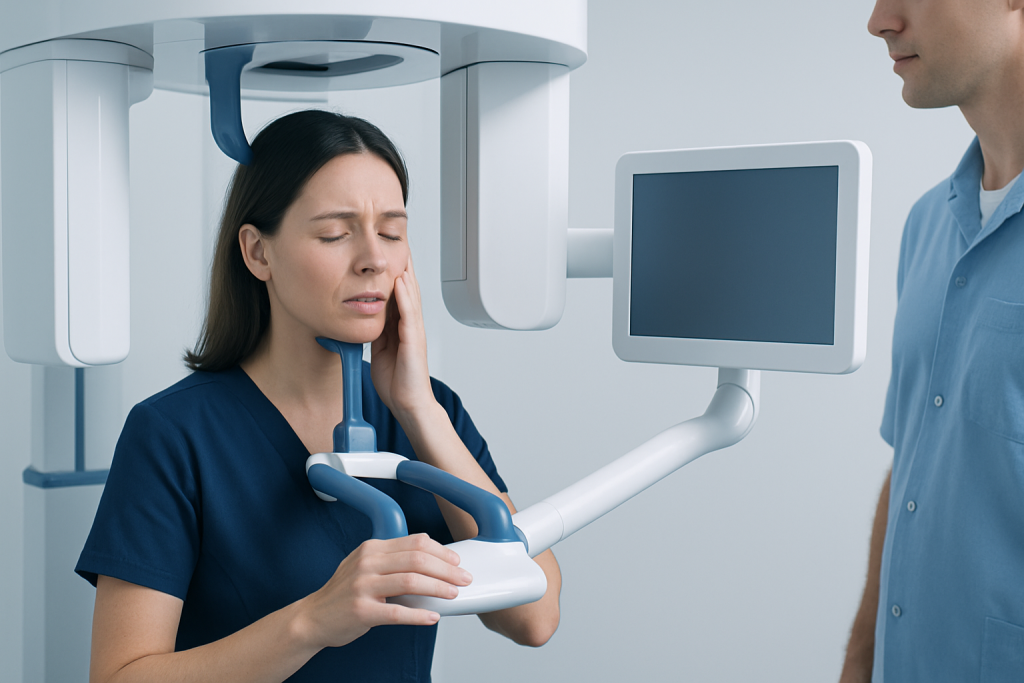
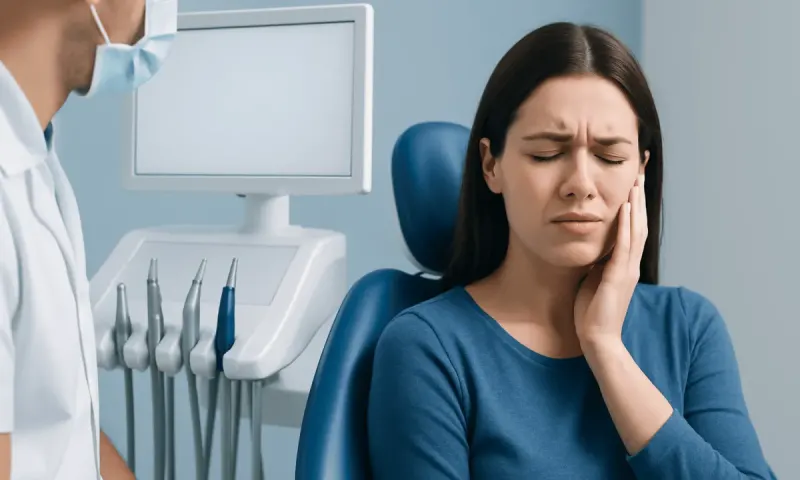
Jaw pain may be constant or it may appear only during specific movements. Some people notice a dull ache near the ear or along the side of the face, while others feel a sharper pain when biting, chewing, or opening wide.
It can also show up with other clues that help narrow the cause. Clicking, popping, or locking of the jaw may suggest a joint problem. Tooth sensitivity, swelling of the gums, or pain when biting on one tooth can point toward dental disease. Headaches, ear fullness, neck tension, or facial soreness sometimes travel with muscle-related jaw discomfort.
- Pain or stiffness when opening or closing the mouth
- Pain while chewing or talking
- Clicking, popping, or grinding sounds
- Limited mouth opening or jaw locking
- Swelling, tooth pain, or gum tenderness
- Earache-like pain without a clear ear infection
If the pain started after an injury, dental procedure, or a period of unusually heavy chewing or clenching, that context is important. It can help a clinician distinguish a temporary strain from a problem that needs more focused treatment.
Causes & Risk Factors

One of the most common causes of jaw pain is a problem with the temporomandibular joint, often called TMJ, or the muscles that move the jaw. These tissues can become irritated by Night Guards, and Tooth Wear" class="ahp-ilk">teeth grinding, stress-related clenching, a misaligned bite, arthritis, or overuse from chewing gum and hard foods.
Dental issues are another frequent source. Cavities, cracked teeth, abscesses, gum infection, wisdom tooth problems, and poorly fitting dental work may all create pain that feels as though it comes from the jaw. Sometimes the discomfort is felt away from the real source, which is why careful examination matters.
Other possible causes include sinus infection, ear conditions, facial trauma, headache disorders, nerve pain, and inflammatory joint disease. Less commonly, jaw pain can be related to a more urgent medical issue, especially when it occurs with chest pressure, shortness of breath, sweating, or pain spreading to the arm or neck.
- Teeth grinding or clenching, especially during sleep
- Stress and muscle tension
- Recent dental work or prolonged mouth opening
- Arthritis or other joint disease
- Dental infection or tooth decay
- Previous jaw injury or dislocation
Risk often increases when several factors overlap, such as a sensitive joint plus nightly clenching or a cavity plus gum inflammation. The good news is that many causes are treatable once identified clearly.
Diagnosis
Diagnosis usually begins with a conversation about the pain itself: where it is felt, when it started, what makes it worse, and whether there are related symptoms such as clicking, headaches, fever, tooth sensitivity, or facial swelling. A clinician may also ask about stress, sleep habits, recent dental treatment, and any history of injury or arthritis.
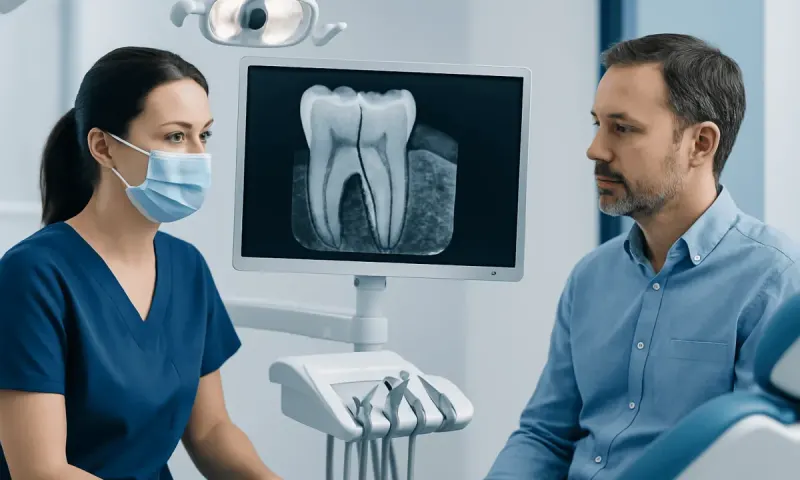
The physical exam may include checking the jaw’s range of motion, listening for joint sounds, feeling the chewing muscles, looking at the bite, and examining the teeth and gums. If a dental source is suspected, dental X-rays may be useful. If the jaw joint, bones, or soft tissues need a closer look, imaging such as CT or MRI may be recommended depending on the situation.
Not every patient needs extensive testing. In many cases, the history and exam point strongly toward a likely cause. When the pain pattern is unclear or when symptoms do not improve as expected, a dentist, oral and maxillofacial surgeon, ENT specialist, or physician may work together to decide the next step.
Treatment Options
Treatment depends on the cause, and in many cases the goal is to reduce irritation while the underlying problem is addressed. For TMJ-related pain or muscle strain, doctors often suggest rest for the jaw, softer foods for a period of time, warm or cold compresses, and avoiding habits such as gum chewing, nail biting, or resting the chin on the hand.
If teeth grinding or clenching is contributing, a night guard or splint may help protect the teeth and reduce strain. Physical therapy, jaw exercises guided by a professional, and stress-reduction strategies can also be useful when muscle tension is part of the picture. Some patients may be offered medicine to ease pain or inflammation, but the choice depends on the individual and on other health conditions.
When a dental problem is the source, treatment may include filling a cavity, treating an infection, adjusting dental work, or removing a problematic tooth if needed. Joint inflammation, arthritis, or certain structural problems may require more specialized care. In some situations, procedures are recommended, but most patients begin with conservative treatment first.
If the pain is linked to a medical condition outside the mouth, such as sinus disease, nerve pain, or a broader inflammatory disorder, the plan is tailored to that diagnosis. The best approach is usually the one that addresses both the symptom and its root cause rather than simply masking discomfort.
Prevention & Self-care
Not every case of jaw pain can be prevented, but several habits can reduce strain on the jaw. Many people benefit from noticing daytime clenching and gently relaxing the jaw, keeping the teeth slightly apart when the mouth is at rest, and avoiding very hard or sticky foods during flare-ups.
Good sleep habits matter as well, especially for people who grind their teeth at night. If stress tends to show up physically, regular movement, breathing exercises, or other calming routines may lower muscle tension. For people who already have a TMJ issue, following the clinician’s advice about jaw exercises, diet texture, and oral appliances can help reduce repeat flare-ups.
- Choose softer foods during painful periods
- Avoid wide mouth opening when possible
- Limit gum chewing and repetitive jaw motions
- Use recommended splints or guards consistently
- Keep dental checkups up to date
- Address stress and sleep problems that worsen clenching
After treatment abroad, self-care also includes following the care plan before travel, carrying written instructions, and arranging follow-up with a home dentist or physician when needed. Patients who travel for diagnosis or treatment may find it helpful to keep copies of imaging, exam findings, and medication lists in one place for continuity of care.
When to See a Doctor
Jaw pain that lasts more than a short time, keeps returning, or interferes with eating and speaking should be evaluated. A dentist is often a good first stop when tooth or gum problems are possible, while a physician or ENT specialist may be more appropriate if the pain seems linked to the ear, sinus area, or broader facial symptoms.
Prompt medical attention is important if the pain follows an injury, the jaw locks open or closed, there is visible swelling or fever, or there is trouble swallowing or opening the mouth. It is also wise to seek urgent care if jaw pain appears together with chest discomfort, shortness of breath, sweating, nausea, or pain spreading to the arm, back, or neck, since those symptoms can signal a heart-related emergency.
For people considering treatment in another country, a clear diagnosis before travel is ideal when possible. If that is not feasible, a specialist team can still plan evaluation and care efficiently on arrival. Acibadem Health Point’s multidisciplinary specialists and JCI-accredited hospitals diagnose and treat jaw pain-related conditions for international patients with coordinated follow-up in mind.
Frequently asked questions
01Is jaw pain usually caused by a tooth problem?
Not always. Teeth and gums are common sources, but the pain can also come from the jaw joint, chewing muscles, sinuses, or even a medical condition outside the mouth. A dental exam helps separate those possibilities.
02Can stress really cause jaw pain?
Yes. Stress often leads to clenching or grinding, especially during sleep, and that repeated strain can make the jaw muscles and joints sore. Many people improve when the clenching habit is addressed along with the pain itself.
03What does TMJ pain usually feel like?
TMJ-related pain often appears near the ear, in front of it, or along the jawline. It may worsen with chewing or wide opening and may come with clicking, popping, or jaw stiffness.
04Should jaw pain be treated with heat or ice?
Either may help, depending on the person and the cause. Warm compresses can ease muscle tightness, while cold packs may reduce soreness after irritation or injury. If symptoms persist, a clinician should guide the next step.
05When is jaw pain an emergency?
Jaw pain needs urgent evaluation if it comes with chest pressure, shortness of breath, sweating, nausea, faintness, or pain spreading to the arm or neck. It is also urgent after major injury or if the jaw is locked and cannot move normally.
06Can jaw pain go away on its own?
Mild strain or short-lived irritation may settle with rest and self-care. If the pain keeps returning, becomes severe, or is linked to swelling, tooth problems, or limited jaw movement, it should be checked by a dentist or doctor.
This article is for general information only and is not a substitute for professional medical advice. Please consult a qualified doctor about your individual situation.
Joint and spine care in Turkey — expert assessment & treatment
JCI-accredited · board-certified surgeons · reply within 24h
Add us as a Preferred Source to see more of our trusted health content across Google Search, AI Overviews and Discover.