Chlorhexidine Mouthwash: Uses and Side Effects

Key Takeaways
- Chlorhexidine mouthwash helps lower bacteria in the mouth and is often used short term.
- It is commonly prescribed after dental surgery, for gum inflammation, or when brushing is difficult.
- Temporary side effects can include altered taste, tooth staining, and mouth irritation.
- It should not replace regular brushing, flossing, and professional dental care.
- A dentist should guide its use, especially for children, pregnancy, or ongoing mouth symptoms.
Chlorhexidine mouthwash is an antiseptic oral rinse often recommended for short-term use after dental procedures or when gum inflammation needs extra control. It can support healing and reduce bacteria, but it works best when used exactly as a dentist directs.
Overview
Chlorhexidine mouthwash is a prescription antiseptic rinse used to reduce the number of bacteria in the mouth. Dentists often recommend it when the gums need extra support, such as after a procedure, during recovery from Gingivitis, Periodontitis, and Treatment" class="ahp-ilk">gum disease, or when normal oral hygiene is temporarily limited.
It is not a routine everyday mouthwash for long-term use. Instead, it is typically used for a specific purpose and for a limited period, because the benefits are best balanced against possible side effects such as staining or taste changes. For people arranging dental care while traveling, it can be a practical part of a short recovery plan, especially when home brushing is uncomfortable after treatment.
Chlorhexidine does not cure all dental problems on its own. It is best understood as one tool within a broader plan that may also include professional cleaning, improved home care, and follow-up with a dentist.
Symptoms and When It Is Commonly Recommended
Chlorhexidine mouthwash is usually recommended for a reason rather than because of a single symptom. A dentist may suggest it when gums are red, swollen, or bleed easily, since these signs can point to gingivitis or other forms of gum irritation.
It may also be used after tooth extraction, gum surgery, implant placement, or other oral procedures to help keep the area cleaner while tissues heal. In some cases, it is chosen when a person has difficulty brushing effectively because of pain, limited hand movement, braces, or recent surgery.
Common situations where a dentist may consider chlorhexidine include:
- Gum inflammation or bleeding
- Recovery after dental surgery or extraction
- Support during treatment for periodontal disease
- Short-term use when brushing is temporarily difficult
If a person has persistent bad breath, mouth soreness, loose teeth, or pus around the gums, chlorhexidine may be part of the treatment plan, but it should not delay a dental evaluation.
Causes and Risk Factors

Chlorhexidine is not used because of one single disease. It is used when the mouth has a higher bacterial burden or when local healing needs support. Plaque buildup, gum disease, and recent oral surgery are common reasons a dentist may prescribe it.
People who are more likely to need a short course of chlorhexidine include those with poor oral hygiene during recovery, patients with periodontal disease, and individuals with physical or medical conditions that make normal brushing and flossing more challenging. Orthodontic appliances and some dental restorations can also make cleaning more difficult.
Risk factors for gum problems that may lead to chlorhexidine use include smoking, diabetes, dry mouth, and a history of periodontal disease. Even so, the mouthwash is only one part of care; the underlying cause still needs attention.
Diagnosis and Dental Assessment
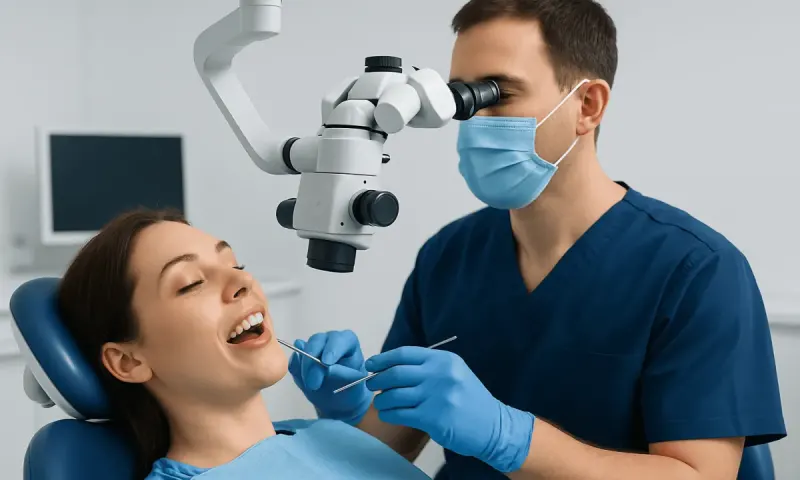
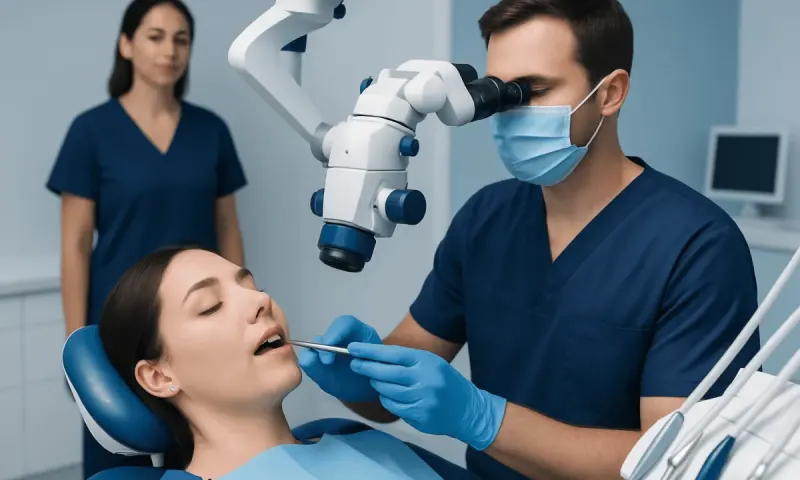
Before recommending chlorhexidine mouthwash, a dentist usually examines the mouth and reviews the reason for the symptoms or the recent procedure. The goal is to identify whether the problem is simple gingival inflammation, a surgical recovery need, or something that requires a different approach.
Assessment may include looking at the gums, checking for plaque and tartar, evaluating pockets around the teeth, and asking about pain, bleeding, sensitivity, or recent dental work. In some cases, X-rays or periodontal measurements are used to understand the extent of the issue.
For international patients, this evaluation can be especially important before travel is planned or before returning home. A clear treatment plan helps the patient know how long to use the rinse, what side effects to expect, and when a follow-up should occur locally or after returning home.
Treatment Options and How Chlorhexidine Fits In
Chlorhexidine mouthwash is generally part of a short-term treatment plan. A dentist gives instructions on when to use it, how long to continue, and whether it should be used alongside other oral care measures. Because it can interact with certain toothpastes, patients are often told to separate it from routine brushing by some time interval, according to their dentist’s guidance.
Depending on the diagnosis, treatment may also include scaling and root planing, professional cleaning, removal of local irritants, pain control, or post-operative care after a dental procedure. If an infection is present, the dentist may decide that other medicines or procedures are needed in addition to the rinse.
It is important not to self-prescribe chlorhexidine for ongoing gum problems without an exam. A rinse may reduce bacteria, but it will not remove tartar, repair cavities, or treat all causes of oral pain. Used properly, however, it can be a useful bridge during healing and a helpful support for gum therapy.
Prevention and Self-care
The most effective way to prevent the problems chlorhexidine is meant to address is consistent daily oral hygiene. Brushing twice a day with fluoride toothpaste, cleaning between the teeth, and keeping regular dental checkups all help reduce plaque before gums become inflamed.
During a course of chlorhexidine, patients should follow the dentist’s instructions carefully and avoid using it longer than advised. Because the rinse may stain teeth, the tongue, or dental work, good home care remains important even when the mouthwash is being used correctly.
Helpful self-care habits include:
- Brush gently but thoroughly with a soft toothbrush
- Clean between teeth daily when the dentist says it is safe
- Avoid smoking, which can slow gum healing
- Stay hydrated if dry mouth is a problem
- Keep follow-up appointments, especially after surgery
Patients traveling for dental care should keep the rinse in original packaging, follow storage guidance, and bring written instructions from the treating dentist so they can continue care confidently at home.
Possible Side Effects and Safety Notes
Chlorhexidine mouthwash is generally well tolerated when used as directed, but it can cause side effects. The most common are temporary taste changes and staining of the teeth, tongue, or restorations. Some people also notice a burning sensation, mouth dryness, or mild irritation.
More unusual reactions can include swelling, rash, or difficulty breathing, which need urgent medical attention. If the mouth becomes significantly sore, if ulcers appear, or if symptoms worsen rather than improve, the prescribing dentist should be informed.
Chlorhexidine is not the best option for everyone. A dentist should know about allergies, pregnancy, breastfeeding, swallowing difficulties, and any other mouth rinses or oral products being used. Children should only use it if a clinician specifically recommends it and gives clear supervision advice.
When to See a Doctor or Dentist
A dental visit is a good idea if gum bleeding, swelling, pain, or bad breath lasts more than a few days, or if it returns after a mouthwash course ends. Chlorhexidine may ease bacterial load, but persistent symptoms often point to a problem that needs direct treatment.
Patients should seek prompt care if they have facial swelling, fever, severe pain, trouble swallowing, or a bad taste with drainage from the gums. These signs may indicate an infection or another issue that needs timely evaluation.
For patients traveling for treatment, it is wise to arrange follow-up before departure if possible. Acibadem Health Point’s multidisciplinary specialists and JCI-accredited hospitals diagnose and treat dental conditions for international patients, helping them move from procedure to recovery with clearer guidance across borders.
Frequently asked questions
01What is chlorhexidine mouthwash used for?
It is used to reduce bacteria in the mouth, often after dental procedures or during treatment for gum inflammation. Dentists may prescribe it when a person needs extra help keeping the mouth clean for a short period.
02Can chlorhexidine mouthwash replace brushing and flossing?
No. It can support oral hygiene, but it does not replace daily brushing, cleaning between the teeth, or professional dental care. It works best as part of a complete plan.
03Does chlorhexidine mouthwash stain teeth?
It can cause temporary staining of teeth, the tongue, and some dental work. A dentist can explain how to reduce this risk and how long the rinse should be used.
04How long should it be used?
The duration depends on the reason it was prescribed. It is usually intended for short-term use, so patients should follow the dentist’s instructions rather than continuing it on their own.
05Can chlorhexidine mouthwash be used every day?
It may be used daily for a limited period when a dentist recommends it. It is not usually meant for long-term, routine use without professional guidance.
06What should a patient do if the mouthwash causes irritation?
They should stop using it and contact the prescribing dentist for advice. Mild side effects can happen, but noticeable irritation, swelling, or worsening pain should be reviewed.
This article is for general information only and is not a substitute for professional medical advice. Please consult a qualified doctor about your individual situation.
Explore treatments in Turkey — costs, top hospitals & a free quote
JCI-accredited · board-certified surgeons · reply within 24h
Add us as a Preferred Source to see more of our trusted health content across Google Search, AI Overviews and Discover.