IC Bladder: Understanding Bladder Pain Syndrome
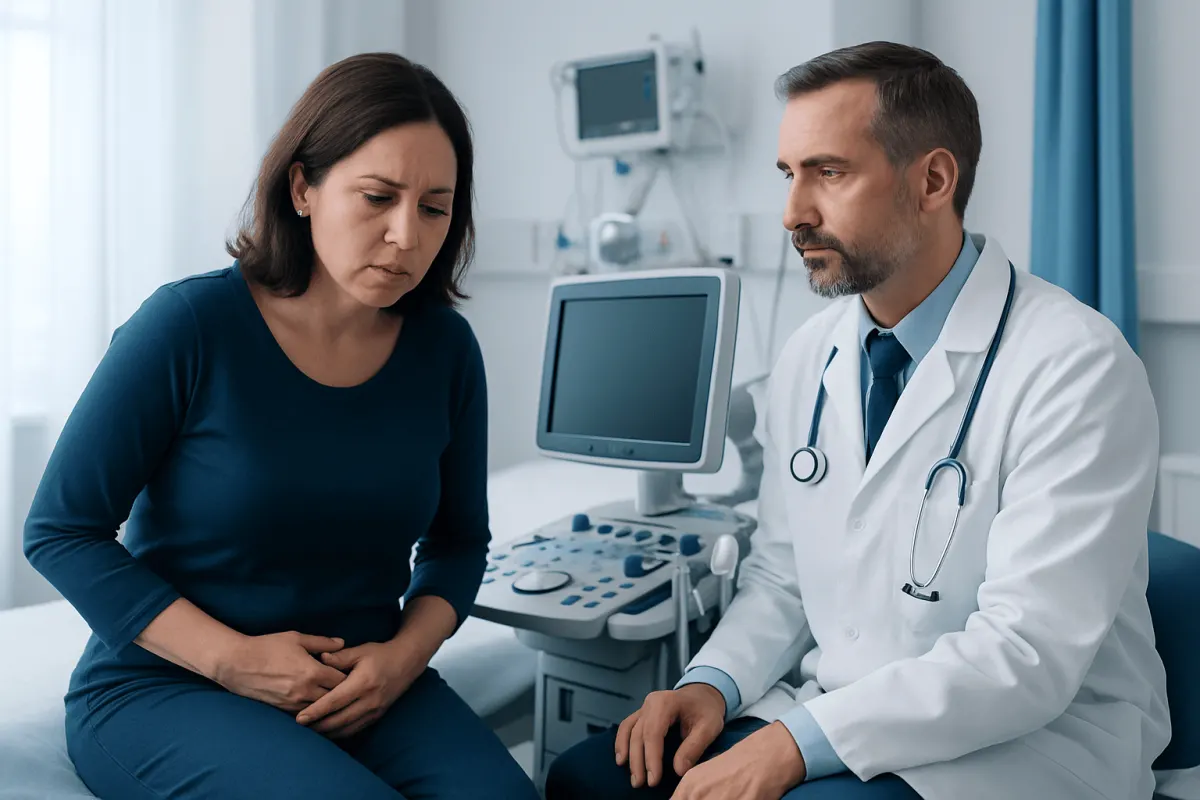
IC bladder is a commonly used term for interstitial cystitis/bladder pain syndrome (IC/BPS), a long-term condition involving bladder-related pain, pressure or discomfort alongside urinary urgency or frequency. Symptoms can vary greatly, but a careful assessment can rule out other causes and help create an individualized plan for symptom relief.
What is IC bladder?
IC bladder usually means interstitial cystitis/bladder pain syndrome (IC/BPS). It is a chronic condition in which a person experiences unpleasant sensations thought to come from the bladder, such as pain, pressure or burning, together with urinary symptoms such as needing to urinate often or urgently. These symptoms occur without a bacterial urinary infection explaining them.
IC/BPS is sometimes called painful bladder syndrome. It can affect people of any sex, although it is diagnosed more often in women. Symptoms may be mild or significant, may come and go, and can change over time. A flare does not necessarily mean that the condition is permanently worsening.
It is important to distinguish IC/BPS from a urinary tract infection (UTI). UTIs are usually caused by bacteria and are treated with antibiotics when appropriate. In IC/BPS, routine urine cultures are generally negative. Because several conditions can cause similar symptoms, professional evaluation is important before assuming that ongoing bladder discomfort is IC/BPS.
How IC bladder symptoms may feel
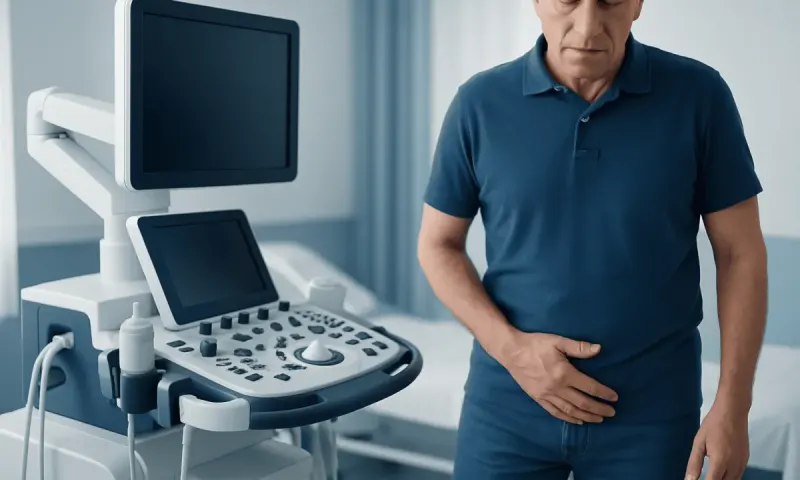
The central symptom of IC/BPS is discomfort related to the bladder. Some people describe aching, pressure, tenderness, burning or pain in the lower abdomen or pelvis. The discomfort often becomes stronger as the bladder fills and may ease, at least briefly, after urination. However, this pattern is not identical for everyone.
Urinary frequency and urgency are also common. A person may need to pass small amounts of urine many times during the day or wake repeatedly at night to urinate. Unlike urgency caused by an overactive bladder, urgency in IC/BPS is often driven by discomfort or fear of pain as the bladder fills rather than a sudden worry about leakage alone.
Symptoms may also include pain in the urethra, pelvic floor, lower back or genital area, as well as pain during or after sexual activity. In some women, symptoms can vary around menstruation. Stress, certain foods or drinks, constipation, prolonged sitting, sexual activity and other health conditions may contribute to flares in some individuals.
- Bladder or pelvic pain, pressure, or discomfort
- Needing to urinate more frequently than usual
- A strong, persistent need to urinate
- Waking at night to urinate
- Pain during sex or pelvic muscle tenderness
Why does IC bladder develop?
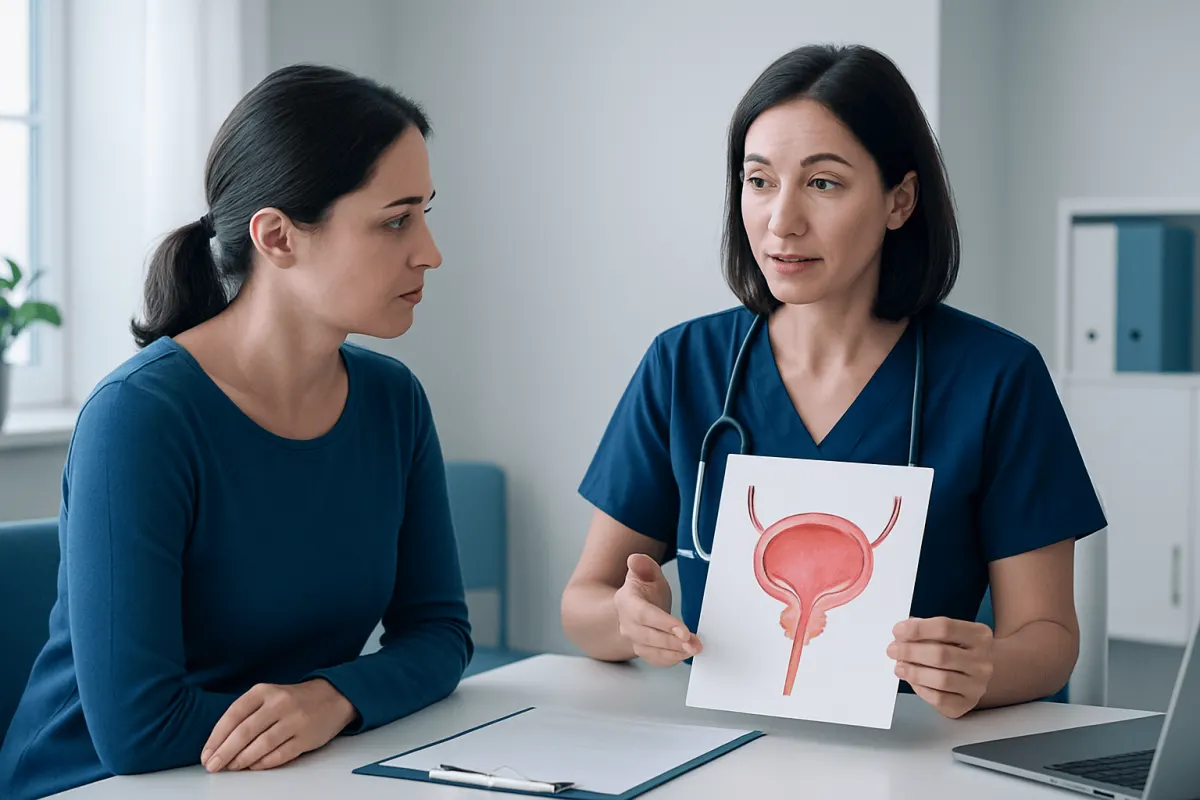
The exact cause of IC/BPS is not fully understood. It is likely to be a syndrome with more than one contributing pathway rather than a single disease process. Researchers are studying changes in the bladder lining, inflammation, altered nerve signaling, immune-system activity and pelvic floor muscle dysfunction.
The bladder has a protective surface layer that helps keep substances in urine from irritating deeper tissues. In some people with IC/BPS, changes in this protective barrier may make the bladder more sensitive. The nervous system can also become more responsive to bladder signals, meaning that normal filling may be experienced as discomfort or pain.
IC/BPS is not caused by poor hygiene, and it is not considered contagious. It is also not simply “in the mind.” Emotional stress can influence pain perception and symptom flares, as it can with many long-term health conditions, but that does not make the symptoms any less real. Some people have overlapping conditions, such as irritable bowel syndrome, migraine, fibromyalgia, endometriosis or chronic pelvic pain, which may be relevant to care planning.
There is no reliable way to predict who will develop IC/BPS. A history of recurrent urinary symptoms, pelvic pain or certain coexisting pain conditions may be considered during assessment, but they do not prove that a person has the condition.
How doctors diagnose IC bladder
There is no single blood test, urine test or scan that confirms IC/BPS. Diagnosis is based on a detailed description of symptoms, a physical examination when appropriate, and tests to exclude other explanations. Clinicians typically consider IC/BPS when bladder-related pain and urinary symptoms have persisted for several weeks or longer without infection or another clear cause.
A doctor may ask about the location and timing of pain, fluid intake, medications, menstrual history where relevant, bowel symptoms, sexual health and previous infections or procedures. Keeping a bladder diary for several days can be useful. It may record what and how much a person drinks, how often they urinate, urine volumes and symptom severity.
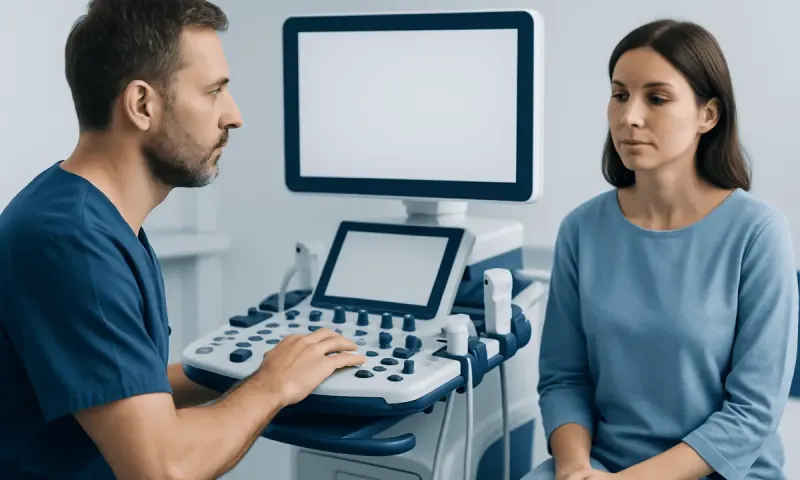
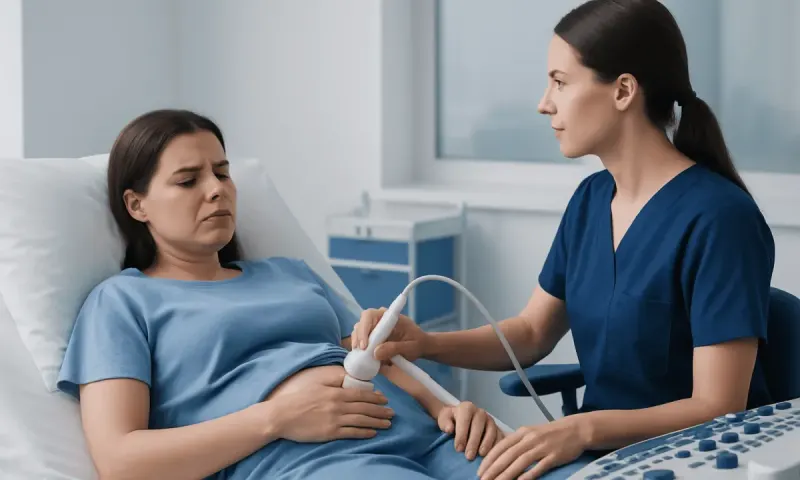
Urinalysis and a urine culture can help identify infection or blood in the urine. Depending on age, symptoms and medical history, further assessment may include pelvic examination, ultrasound, urine cytology, or cystoscopy, in which a thin camera is used to examine the bladder. Cystoscopy is not required for every person, but it may help rule out bladder stones, tumors, ulcers or other conditions when indicated.
Other causes that may need consideration include recurrent UTI, overactive bladder, bladder stones, kidney stones, sexually transmitted infections, endometriosis, prostatitis, pelvic floor dysfunction and, less commonly, bladder cancer. Finding the right diagnosis is valuable because treatment differs between these conditions.
Treatment options and symptom management
IC/BPS treatment is individualized. There is no single treatment that works for everyone, and it may take time to find a helpful combination. The overall goals are to reduce pain and urinary symptoms, improve sleep and daily functioning, and support quality of life. Treatment is often adjusted gradually according to symptoms, preferences and possible side effects.
Education, symptom tracking and self-care measures are usually part of the first approach. Some people benefit from identifying personal food or drink triggers, avoiding constipation, using gentle heat for pelvic discomfort, pacing activities and practicing stress-management techniques. Restrictive diets are not necessary for everyone; if dietary changes are tried, it is generally best to remove one possible trigger at a time and reintroduce foods systematically.
Pelvic floor physical therapy can be particularly helpful when muscles are tight, tender or overactive. Therapy may include manual techniques, relaxation training, breathing strategies and guidance on bladder habits. Strengthening exercises such as Kegels are not suitable for all people with pelvic pain and may worsen symptoms if the pelvic floor is already overly tense.
A clinician may discuss oral medicines to target pain, bladder sensitivity, sleep disturbance or urgency. In selected cases, treatments placed directly into the bladder, bladder distension under anesthesia, nerve-modulation therapies or procedures for specific bladder findings may be considered. Antibiotics are not a routine treatment for IC/BPS unless testing shows a bacterial infection. A urologist, gynecologist, pain specialist, physiotherapist or other relevant clinician may work together when symptoms are complex.
Everyday strategies for living with IC bladder
Practical routines can help a person feel more in control of symptoms. Drinking enough fluid to avoid concentrated urine is sensible, but deliberately drinking very little can irritate the bladder and increase constipation risk. The ideal amount varies with health needs, climate and activity level, so individual advice is useful for people with kidney, heart or other medical conditions.
Possible dietary triggers differ widely. Some people notice symptoms after coffee, alcohol, carbonated drinks, citrus fruits, tomatoes, spicy foods, artificial sweeteners or acidic products. A short, structured trial with a symptom diary may reveal patterns, but it is preferable to maintain a varied, nutritious diet whenever possible. A dietitian can help if many foods appear difficult to tolerate.
Regular meals, gentle physical activity, adequate sleep and bowel care may support overall pelvic health. Techniques such as paced breathing, mindfulness, progressive muscle relaxation or counseling can help some people manage the stress and sleep disruption that may accompany chronic symptoms. These approaches complement medical care; they do not suggest that bladder pain is psychological.
During a flare, it may help to simplify routines, use the coping measures already recommended by a clinician and avoid known personal triggers. Symptoms should not be managed by repeatedly taking antibiotics, pain medicines or supplements without medical guidance, particularly if they are new, severe or different from usual symptoms.
When to seek medical care
Anyone with persistent bladder pain, frequent urination or urgency should arrange a medical assessment, especially if symptoms do not settle after treatment for a suspected UTI. Evaluation is also appropriate when symptoms interfere with sleep, work, relationships or emotional wellbeing. Early review can help identify treatable causes and prevent unnecessary use of antibiotics.
Prompt medical care is important for fever, chills, nausea or vomiting, new visible blood in the urine, severe back or side pain, inability to urinate, pregnancy with urinary symptoms, or rapidly worsening pain. These features may point to infection, a stone, urinary retention or another problem requiring timely attention rather than IC/BPS alone.
A person already diagnosed with IC/BPS should contact their clinician if their usual symptom pattern changes, if treatment side effects occur, or if pain becomes difficult to manage. Acıbadem Health Point’s multidisciplinary specialists and JCI-accredited hospitals assess bladder and pelvic symptoms and provide coordinated care for international patients when needed.
Frequently asked questions
01Is IC bladder the same as a urinary tract infection?
No. A urinary tract infection is usually caused by bacteria and commonly produces a positive urine culture. IC bladder, or interstitial cystitis/bladder pain syndrome, causes similar urinary symptoms but does not have an infection as the underlying explanation. A urine test is important because infections can still occur in someone who also has IC/BPS.
02Can IC bladder be cured?
There is currently no universal cure for IC/BPS, but many people achieve meaningful symptom improvement with individualized care. Symptoms may fluctuate, and treatment often focuses on reducing flares, pain and urinary disruption. Finding the most helpful plan can take time and may involve more than one approach.
03What foods should people with IC bladder avoid?
There is no single IC/BPS diet that applies to everyone. Coffee, alcohol, carbonated drinks, citrus, tomatoes and spicy foods may trigger symptoms in some people, but not others. A short food-and-symptom diary can help identify personal patterns without unnecessarily restricting nutrition.
04Can stress cause IC bladder?
Stress is not considered the sole cause of IC/BPS. However, stress can heighten pain sensitivity, affect sleep and contribute to symptom flares in some people. Stress-management support can therefore be a useful part of a broader treatment plan.
05Does IC bladder affect sexual activity?
It can. Some people experience pelvic pain, bladder discomfort or pain during or after sexual activity. Discussing this with a clinician can help identify contributing factors such as pelvic floor muscle tension and guide treatment or physical therapy options.
06When is cystoscopy needed for IC bladder?
Cystoscopy is not needed in every case. A clinician may recommend it when symptoms are atypical, blood is found in the urine, another bladder condition needs to be excluded, or treatment planning requires a closer look at the bladder. The decision depends on the individual’s symptoms, age and medical history.
This article is for general information only and is not a substitute for professional medical advice. Please consult a qualified doctor about your individual situation.
Explore treatments in Turkey — costs, top hospitals & a free quote
JCI-accredited · board-certified surgeons · reply within 24h
Add us as a Preferred Source to see more of our trusted health content across Google Search, AI Overviews and Discover.