Laser Surgery for Kidney Stones: What Happens
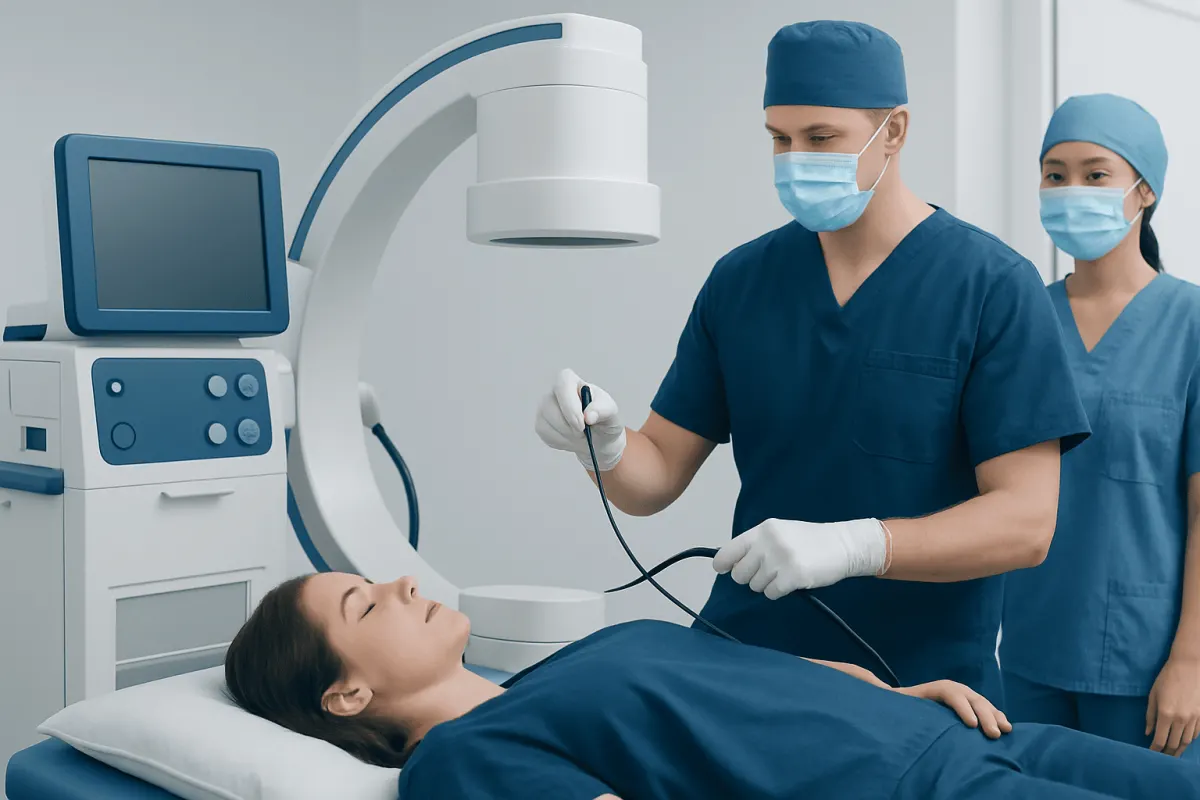
Laser surgery for kidney stones is a minimally invasive procedure, usually performed through the natural urinary passage, that breaks stones into smaller fragments for removal or passage. It is commonly used when a stone is painful, obstructing urine flow, causing infection concerns, or unlikely to pass on its own.
Overview: what laser surgery for kidney stones involves
Laser surgery for kidney stones usually refers to ureteroscopy with laser lithotripsy. During this minimally invasive treatment, a urologist passes a narrow camera, called a ureteroscope, through the urethra and bladder into the ureter or kidney. A laser fibre is then used to break the stone into very small pieces, which may be removed with a tiny basket or allowed to pass naturally in the urine.
It is not an open operation and generally does not require an incision in the skin. The procedure can treat stones in the ureter, the tube that carries urine from the kidney to the bladder, and many stones within the kidney. The best approach depends on the stone’s size, location, hardness, number, urinary anatomy, symptoms, and whether infection or blockage is present.
Laser treatment is one option within broader kidney stone care. Some small stones pass with fluids, pain control, and time, while other stones need an intervention to relieve obstruction, manage significant symptoms, or reduce the risk of kidney damage and infection.
How laser lithotripsy works and who may be a candidate
The laser delivers controlled energy directly to the stone. This energy fragments the stone into smaller particles, often described as dusting, or into pieces large enough to be collected. The urologist can see the stone in real time through the scope, allowing treatment to be targeted while protecting surrounding tissues.
Laser surgery may be considered for a stone that is not likely to pass, causes recurrent or difficult-to-control pain, blocks urine drainage, contributes to repeated urinary infections, or has led to impaired kidney function. It may also be appropriate after another method has not cleared a stone, or when a patient’s anatomy or stone location makes a different procedure less suitable.
Before recommending treatment, the care team typically reviews imaging such as ultrasound or CT, urine testing, kidney function tests, medications, allergies, and medical history. An active urinary infection usually needs treatment before a planned stone procedure, because operating in the presence of infection can increase the risk of serious complications.
Pregnancy, bleeding disorders, use of blood-thinning medicines, complex urinary anatomy, and very large kidney stones require individualized planning. In some situations, shock-wave lithotripsy or percutaneous stone removal may be more appropriate than ureteroscopy.
Step by step: what happens during laser kidney stone surgery

Laser kidney stone surgery is usually performed in an operating theatre under general anesthesia, meaning the patient is asleep and does not feel the procedure. In selected circumstances, other anesthesia approaches may be discussed. The urologist first inserts the ureteroscope through the urethra, passes it through the bladder, and advances it carefully toward the stone.
Once the stone is located, a fine laser fibre is placed through the scope. The laser breaks the stone into fragments. Depending on the stone and treatment plan, fragments may be retrieved for analysis, which can help guide future prevention, or left small enough to pass in urine.
Many patients have a temporary ureteral stent placed at the end of the procedure. This soft tube supports urine drainage and helps the ureter recover after treatment. A stent may be removed within days or later, according to the urologist’s plan; removal may be done in clinic or by a string left outside the body in selected cases.
Procedure length varies with the size, number, location, and hardness of stones. Most people can go home on the day of surgery after observation, but an overnight stay may be recommended when there are medical concerns, infection risk, complex stones, or difficulty controlling symptoms.
What happens after kidney stones are lasered?
After the procedure, patients are monitored as anesthesia wears off. It is common to have mild burning when urinating, a frequent urge to urinate, pink or lightly blood-tinged urine, and discomfort in the bladder, side, or lower abdomen for a short period. These symptoms can be more noticeable while a ureteral stent is in place.
The urologist may prescribe pain relief and, when appropriate, medication to ease stent-related urinary symptoms. Patients should follow their individual instructions about drinking fluids, activity, bathing, work, and medicines. Unless a clinician advises otherwise, hydration can help urine flow and passage of fine stone particles.
Stone fragments may be seen in the urine after treatment. If a stone sample is collected, laboratory analysis can identify its composition, such as calcium oxalate or uric acid. Follow-up imaging may be arranged to check that the urinary tract is clear and that the kidney is draining normally.
Stent removal is an important part of recovery. A stent should not be left in longer than instructed, so patients should confirm their removal appointment and contact the care team if they are uncertain about the plan.
How many days should I rest after kidney stone laser surgery?
Many people need one to three days of lighter activity after uncomplicated laser kidney stone surgery, particularly because of anesthesia-related tiredness and urinary discomfort. Some return to desk-based work within a few days, while more strenuous work, heavy lifting, vigorous exercise, and long travel may require a longer pause.
Recovery is highly individual. Larger stone burdens, longer procedures, a stent, pre-existing health conditions, and physically demanding work can all affect how quickly a person feels ready for usual activities. The treating urologist’s instructions should take priority over general timelines.
Patients should avoid driving, operating machinery, drinking alcohol, or making important decisions for the period advised after anesthesia. Gradually increasing walking and routine movement is often encouraged as comfort allows. If activity causes increasing pain, heavy bleeding, dizziness, or exhaustion, it is sensible to stop and seek clinical advice.
How painful is laser kidney stone surgery? Benefits and possible risks
The surgery itself should not be painful because it is generally done under anesthesia. Afterward, discomfort is usually mild to moderate and often improves over several days. Burning with urination, cramping, flank discomfort, and stent-related pressure or urgency are common short-term experiences, but pain varies from person to person.
Potential benefits include direct treatment of the stone, relief of obstruction, a high likelihood of clearing appropriately selected stones, no external surgical incision, and the ability to retrieve fragments for analysis. However, no procedure is risk-free, and the expected benefits should be weighed against individual circumstances.
Possible complications include urinary infection, bleeding, injury or narrowing of the ureter, incomplete stone clearance, a need for another procedure, and anesthesia-related problems. Rarely, more serious infection or obstruction can occur. A temporary stent can also cause bothersome urinary symptoms until it is removed.
Patients should discuss their individual risks and alternatives with a urologist. Kidney stone treatment options are selected according to the person’s symptoms, stone features, overall health, and treatment goals.
Will stones come back after laser? Prevention and follow-up
Laser treatment removes or breaks up the stones being treated, but it does not stop the body from forming future stones. Recurrence is possible, especially for people who have had stones before, have a family history, have certain metabolic conditions, experience repeated urinary infections, or have dietary and hydration factors that increase risk.
Prevention begins with understanding why stones formed. Stone analysis, blood tests, and sometimes a 24-hour urine collection can help identify contributing factors. A clinician may recommend changes in fluid intake, salt intake, dietary pattern, or medication based on the stone type and the patient’s overall health.
For many people, regularly drinking enough fluid to produce pale urine is an important preventive measure, unless a doctor has advised fluid restriction for another medical reason. Rather than making major dietary exclusions independently, patients should seek tailored advice; some foods can be helpful or harmful depending on the type of stone.
Follow-up with a urologist is valuable after a first stone as well as recurrent stones. It allows monitoring for residual fragments, new stones, and preventive strategies that fit the individual’s results and medical history.
When to seek medical care
Before treatment, urgent medical assessment is important for severe flank or abdominal pain, fever or chills, vomiting that prevents fluid intake, visible blood in urine, reduced urine output, or difficulty passing urine. These symptoms may indicate obstruction, dehydration, or infection and should not be managed by waiting at home.
After laser surgery, patients should contact their treating team promptly for fever, chills, worsening rather than improving pain, inability to urinate, heavy bleeding or clots in urine, persistent vomiting, fainting, chest symptoms, or feeling acutely unwell. These signs can require timely assessment, particularly because infection with urinary obstruction can become serious.
Scheduled follow-up is also important even when recovery is smooth, especially if a stent is in place. Acıbadem Health Point’s multidisciplinary specialists and JCI-accredited hospitals provide evaluation and treatment planning for international patients with kidney stones.
Frequently asked questions
01Is laser surgery for kidney stones the same as ureteroscopy?
Laser surgery for kidney stones commonly uses ureteroscopy with laser lithotripsy. Ureteroscopy describes passing a small scope through the urinary tract, while laser lithotripsy describes using laser energy through that scope to fragment the stone. A urologist may also use a small basket to retrieve pieces.
02How long does laser kidney stone surgery take?
The procedure time varies according to the stone’s size, number, location, hardness, and urinary anatomy. Straightforward cases may take less time than complex or multiple stones, and preparation and recovery from anesthesia add to the total time at the hospital. The treating urologist can give the most relevant estimate after reviewing imaging.
03Do patients always need a stent after laser treatment for kidney stones?
No. Whether a stent is needed depends on factors such as ureter swelling, stone burden, procedure complexity, drainage, and the risk of obstruction after surgery. When used, it is usually temporary and removed according to the urologist’s instructions.
04How long is blood in urine normal after laser kidney stone surgery?
Light pink or blood-tinged urine is common for a short period after ureteroscopy, especially with a stent or after increased activity. It should generally improve with time and appropriate fluid intake if this is safe for the individual. Heavy bleeding, clots, worsening bleeding, or blood accompanied by fever or severe pain needs medical advice.
05Will stones come back after laser kidney stone surgery?
They can. Laser treatment addresses current stones but does not remove the underlying tendency to form stones. Follow-up testing, adequate hydration where appropriate, and individualized dietary or medication advice can lower recurrence risk for many people.
06When can a person exercise after laser surgery for kidney stones?
Gentle walking is often possible soon after surgery as comfort allows, but strenuous exercise and heavy lifting should wait until the person feels recovered and has followed the urologist’s guidance. A stent may make activity temporarily uncomfortable. New or worsening pain, bleeding, fever, or dizziness during activity should be assessed.
This article is for general information only and is not a substitute for professional medical advice. Please consult a qualified doctor about your individual situation.
Explore treatments in Turkey — costs, top hospitals & a free quote
JCI-accredited · board-certified surgeons · reply within 24h
Add us as a Preferred Source to see more of our trusted health content across Google Search, AI Overviews and Discover.