Recurring Bladder Infections: When UTIs Keep Returning
A bladder infection recurring over time can be frustrating, but most cases can be evaluated and managed with targeted testing, appropriate treatment and prevention strategies. A clinician can help identify whether infections are new episodes, treatment-resistant infections or a sign of an underlying urinary tract problem.
Overview: What Does It Mean If You Have Recurring Bladder Infections?
Bladder infection recurring usually refers to repeated urinary tract infections (UTIs) affecting the bladder. Clinicians commonly describe recurrent UTI as two confirmed infections within six months or three within one year. These episodes may be separate new infections, or less commonly, a persistent infection that was not fully cleared.
A bladder infection, also called cystitis, occurs when bacteria enter and multiply in the urinary tract. It can cause burning during urination, frequent urges to pass urine and lower abdominal discomfort. Repeated symptoms should not automatically be assumed to be infection, because vaginal conditions, bladder pain syndromes, stones and some sexually transmitted infections can cause similar symptoms.
Recurrent infections are common, particularly in women, and are often manageable. The priority is to confirm the diagnosis with a urine sample when possible, treat the current episode safely and look for factors that increase the chance of future infections.
Symptoms and Patterns of Recurrent UTI
Typical symptoms of a lower urinary tract infection include pain or burning when passing urine, needing to urinate more often, passing small amounts of urine, sudden urgency and discomfort or pressure low in the abdomen. Urine may look cloudy or have a stronger smell, although appearance or smell alone does not confirm an infection.
Symptoms may vary between episodes. Some people have clear symptoms every time, while others notice more subtle changes such as new urgency, leakage or pelvic discomfort. Older adults may have different presentations, but confusion alone should not be attributed to a UTI without a clinical assessment and appropriate testing.
Symptoms such as fever, chills, pain in the side or back, nausea or vomiting may suggest infection has reached the kidneys. This needs timely medical review. Blood visible in the urine should also be assessed, particularly if it persists after infection treatment.
- Burning or pain while urinating
- Frequent or urgent urination
- Lower abdominal or pelvic discomfort
- Cloudy urine or blood in the urine
- Fever or flank pain, which can indicate a more serious infection
Causes and Risk Factors

Most bladder infections are caused by bacteria from the bowel entering the urethra. Sexual activity can increase the likelihood of bacteria reaching the bladder, but recurrent UTI is not usually a sexually transmitted infection. Changes around menopause can also raise risk because lower estrogen levels may alter the tissues and protective bacteria around the vagina and urethra.
Incomplete bladder emptying is another important factor. Urinary retention may occur because of an enlarged prostate, pelvic organ prolapse, nerve-related bladder conditions, certain medicines or a narrowing in the urinary tract. Bladder recovery after urinary retention depends on the cause and duration of retention; an assessment is important because remaining urine can allow bacteria to multiply.
Other possible contributors include urinary stones, diabetes, pregnancy, use of a urinary catheter, immune suppression and structural differences of the kidneys or urinary tract. Following urinary procedures, temporary changes in emptying or catheter use can also contribute. Bladder recovery after surgery should be monitored by the surgical team, particularly if there is new burning, fever, inability to urinate or worsening pelvic pain.
Diagnosis: Confirming the Cause of Repeat Infections
Diagnosis begins with a discussion of symptoms, past infections, medicines, sexual and menstrual history where relevant, pregnancy status, medical conditions and any urinary procedures. A urine dipstick may provide useful information, but a urine culture is especially valuable for recurrent symptoms because it identifies the bacteria and shows which antibiotics are likely to work.
It is best to provide a urine sample before starting antibiotics when this can be done without delaying necessary care. A culture can distinguish a true infection from symptoms caused by another condition and can help identify resistant bacteria. Clinicians may also check blood sugar, kidney function or other tests when the person’s history suggests they are needed.
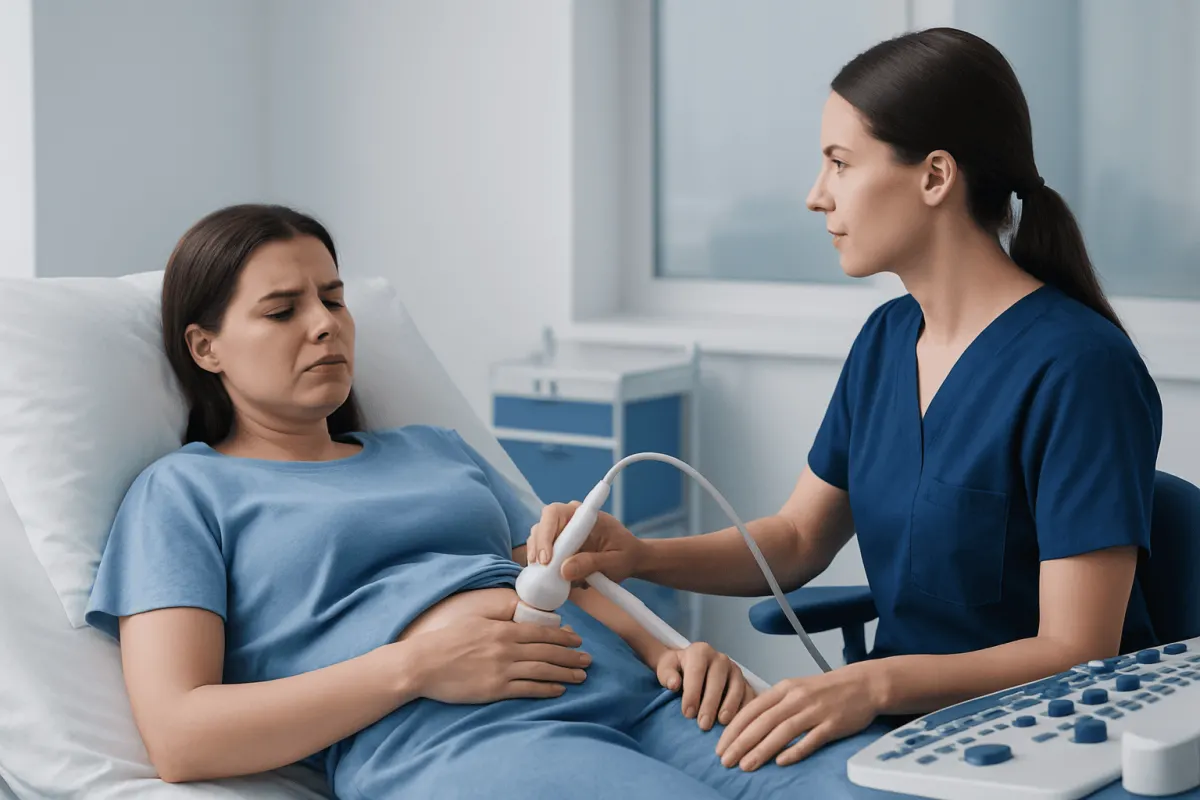
Imaging, such as ultrasound or CT, is not required for every person with recurrent UTI. It may be considered when there are kidney infections, stones, blood in the urine, suspected obstruction, unusual bacteria, repeated infections with the same organism or poor response to treatment. In selected cases, a camera examination of the bladder, called cystoscopy, may be recommended.
Treatment Options and Recovery
Treatment for a confirmed bladder infection usually involves an antibiotic chosen according to symptoms, local guidance, prior cultures and, where available, urine culture results. It is important to take medicines exactly as prescribed and to contact the prescriber if symptoms do not improve, return quickly or treatment causes side effects. Antibiotics should not be saved from earlier illnesses or shared with others.
How long does it take to feel better after a bladder infection? Many people begin to notice improvement within 24 to 48 hours after starting an effective antibiotic, although symptoms can take several days to settle completely. Drinking regular fluids, resting and using clinician-approved pain relief may support comfort. Persistent symptoms, fever or deterioration should be reviewed rather than managed by simply extending treatment.
For people with frequent confirmed infections, a clinician may discuss a personalized prevention plan. Depending on the situation, this can include addressing incomplete emptying or stones, vaginal estrogen for eligible postmenopausal patients, a self-start antibiotic plan under medical supervision, or preventive antibiotic strategies for carefully selected people. The best approach depends on cultures, health history and the risks of antibiotic resistance.
Can recurrent UTI be cured permanently? Some people stop having infections once a temporary trigger is resolved, such as a stone, obstruction, catheter use or post-surgical emptying difficulty. However, there is not one permanent cure for every person; the goal is to find modifiable causes, reduce future episodes and treat infections accurately when they occur.
What Do Urologists Do for Recurrent UTIs?
What do urologists do for recurrent UTIs? A urologist evaluates whether a bladder, kidney or urinary flow problem is contributing to repeat infections. They review urine culture patterns, assess how well the bladder empties and consider whether further testing is needed based on age, symptoms, medical history and infection severity.
Testing may include measuring urine left in the bladder after urination, ultrasound imaging, CT in selected circumstances, urine flow studies or cystoscopy. These procedures are not routine for everyone. They are used when there is reason to look for a stone, blockage, enlarged prostate, structural concern, retained urine or another explanation for recurrent infections.
Treatment may focus on the underlying issue. For example, management can address urinary stones, obstruction, prostate enlargement, pelvic floor problems or catheter-related concerns. When urinary symptoms are due to a condition other than infection, the specialist can help avoid unnecessary antibiotic use and direct care toward the actual cause.
Prevention and Everyday Self-Care
Prevention starts with habits that support regular bladder emptying and reduce irritation. Drinking enough fluid for individual health needs can help some people pass urine regularly, although those with heart or kidney conditions should follow their clinician’s fluid advice. It may also help to avoid delaying urination for long periods and to empty the bladder after sexual activity if this is practical.
Gentle hygiene is generally sufficient. Wiping from front to back after using the toilet and avoiding scented intimate sprays, harsh washes or douches may reduce irritation. Constipation can affect bladder emptying, so addressing it with diet, fluids, activity and medical advice when needed may be useful.
Cranberry products may modestly reduce infections for some people, but they do not treat an active UTI and results are not consistent for everyone. Supplements and probiotics should be discussed with a clinician, particularly during pregnancy or when taking regular medicines. People with repeated proven infections should seek a tailored plan rather than relying only on home measures.
When to Seek Medical Care
Medical assessment is appropriate for new urinary symptoms, particularly when a person has had repeated infections, symptoms are severe or a urine culture has not previously confirmed the diagnosis. Prompt care is important for fever, chills, back or side pain, vomiting, visible blood in the urine, pregnancy, a weakened immune system, kidney disease, catheter use or inability to pass urine.
Urgent assessment is also needed when symptoms worsen after starting treatment, do not begin to improve within a short period, or return soon after antibiotics are finished. Children, men and people assigned male at birth with urinary symptoms should be assessed because their evaluation and treatment needs can differ.
Acıbadem Health Point’s multidisciplinary specialists and JCI-accredited hospitals evaluate urinary symptoms and recurrent infections for international patients, with investigations and treatment planned according to individual clinical needs.
Frequently asked questions
01What does it mean if you have recurring bladder infections?
Recurring bladder infections usually means there have been multiple episodes of cystitis over a defined period, often two in six months or three in one year. The episodes may be separate new infections, but repeated symptoms can also have another cause. A urine culture can help confirm infection and guide treatment.
02Can recurrent UTI be cured permanently?
A permanent resolution is possible when a reversible cause is found and corrected, such as a urinary stone, obstruction or temporary catheter-related problem. For many people, recurrent UTI is managed by reducing risk factors and using a tailored prevention strategy. A clinician can help balance prevention with the risks of unnecessary antibiotic use.
03How long does it take to feel better after a bladder infection?
With an effective antibiotic, many people begin to feel better within one to two days. Full symptom relief may take several days, depending on the severity of infection and the person’s health. Symptoms that persist, worsen or return should be reassessed.
04What do urologists do for recurrent UTIs?
Urologists look for urinary tract factors that may contribute to repeat infections, such as retained urine, stones, blockage or an anatomical concern. They may review cultures and arrange selected tests such as bladder emptying measurements, ultrasound or cystoscopy. Treatment is directed at both infection prevention and any identified underlying cause.
05Can urinary retention cause repeated bladder infections?
Yes. When the bladder does not empty fully, urine remaining inside can create an environment where bacteria can grow. Retention can have several causes, including prostate enlargement, nerve conditions, some medicines and obstruction. It should be assessed, especially if there is difficulty urinating or repeated infection.
06Should a urine culture be done for every recurrent bladder infection?
A urine culture is often recommended for recurrent or complicated symptoms because it confirms the type of bacteria and helps select an appropriate antibiotic. It is particularly useful when prior treatment has not worked or infections return quickly. The treating clinician will decide when culture testing is needed.
This article is for general information only and is not a substitute for professional medical advice. Please consult a qualified doctor about your individual situation.
Explore treatments in Turkey — costs, top hospitals & a free quote
JCI-accredited · board-certified surgeons · reply within 24h
Add us as a Preferred Source to see more of our trusted health content across Google Search, AI Overviews and Discover.