Hair Fall After Protein Treatment: Causes of Breakage
Hair fall protein usually refers to concerns about shedding after a salon protein or keratin-style smoothing treatment. These treatments do not treat medical hair loss and may contribute to hair breakage when hair is already fragile, while platelet-rich plasma (PRP) is a separate clinical procedure that may help selected people with pattern hair loss.
Hair Fall Protein: What It Means
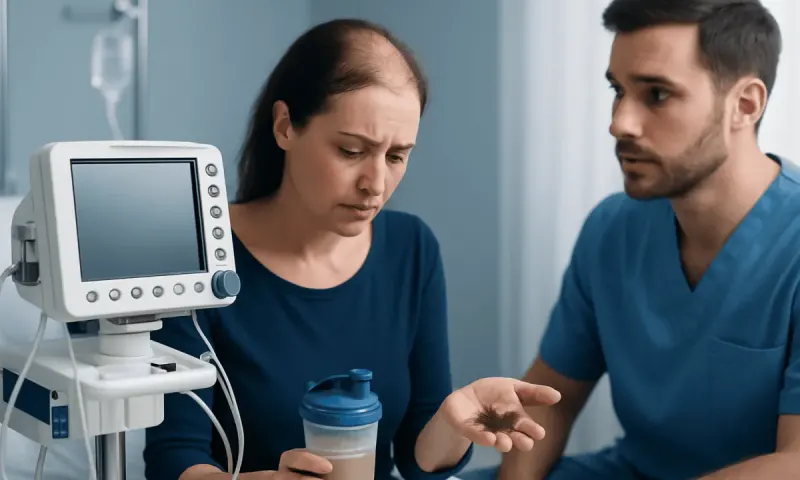
Hair fall protein is a commonly used phrase for hair shedding or breakage noticed after a protein, keratin, or smoothing treatment. These salon procedures temporarily coat, condition, or alter the outer hair shaft to make hair feel smoother and look less frizzy. They do not restore hair follicles, reverse inherited thinning, or correct health conditions that can lead to hair loss.
It is helpful to distinguish hair shedding from hair breakage. Shedding occurs when a whole hair releases from its follicle, often with a small bulb at one end. Breakage occurs along the shaft, leaving shorter, uneven hairs and making the hair appear thinner. Heat styling, strong chemicals, repeated processing, and pulling on fragile hair can all increase breakage.
Some people searching for hair fall protein are also considering platelet-rich plasma, or PRP, treatment. PRP is a medical procedure, not a protein hair treatment. It involves injections of concentrated platelets from the person’s own blood into the scalp and may be used as part of a plan for selected people with pattern hair loss.
Does Hair Fall After Protein Treatment?
Hair may appear to fall more after a protein treatment, but the treatment is not always the direct cause. Chemical processing and high heat can weaken hair that is already dry, bleached, frequently colored, or structurally fragile. In this situation, strands may break during washing, brushing, or styling rather than shed from the root.
True shedding can also happen for unrelated reasons. Stress, illness, major surgery, rapid weight change, childbirth, low iron stores, thyroid conditions, certain medicines, and inherited pattern hair loss can affect the hair-growth cycle. A salon treatment may simply coincide with the time that increased shedding becomes noticeable.
A person should avoid repeating a smoothing or protein treatment if the scalp feels irritated or if hair becomes unusually brittle. Gentle cleansing, reduced use of hot tools, careful detangling, and a pause from bleaching or other chemical services can help limit additional damage. A dermatologist can evaluate whether the concern is breakage, shedding, or both.
Possible Causes and Risk Factors for Hair Loss
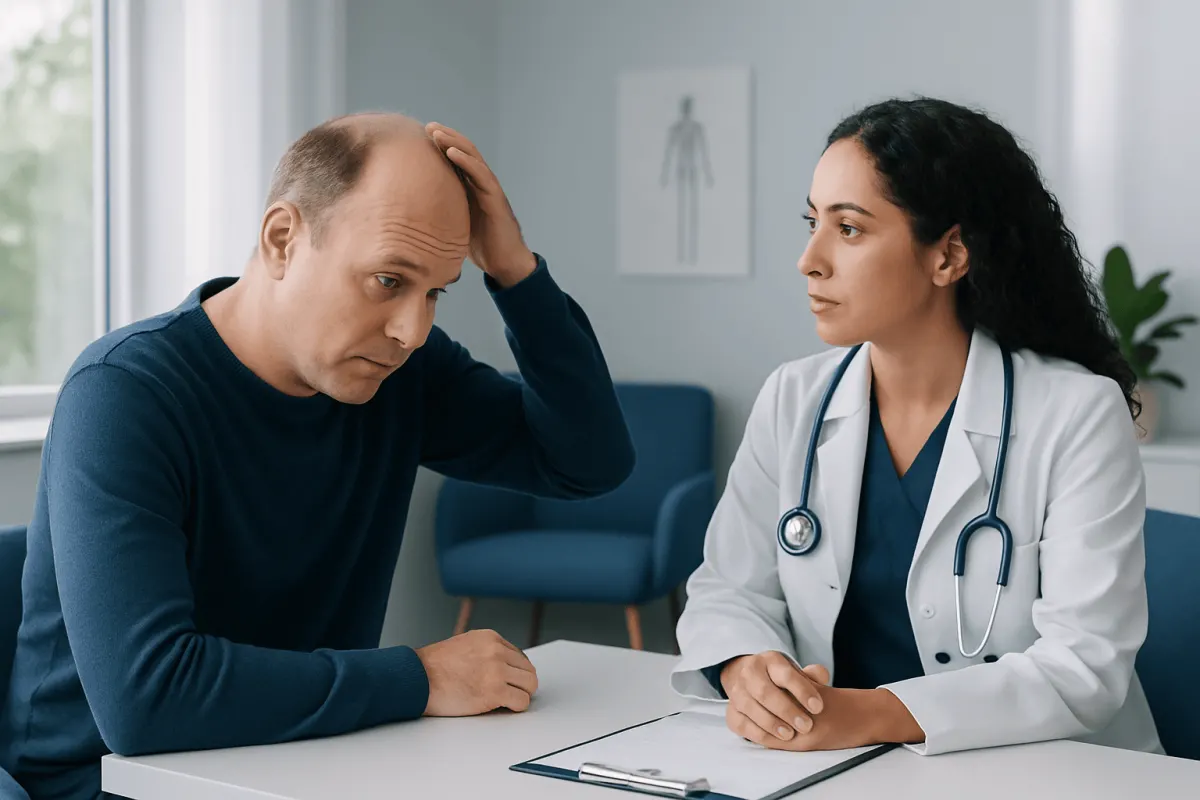
Hair loss has many causes, and the pattern matters. Gradual widening of the part or thinning over the crown may suggest androgenetic alopecia, also called pattern hair loss. This common condition can affect people of all genders and may have a family component. Sudden, diffuse shedding may occur several months after physical or emotional stress and is often related to telogen effluvium.
Other possible causes include scalp inflammation, fungal infection, autoimmune conditions, traction from tight hairstyles, nutritional deficiency, hormonal changes, and side effects of some medicines. Patchy loss, scaling, pain, burning, or scarring needs timely medical assessment because some scalp disorders require specific treatment.
Protein treatments may be more likely to cause visible breakage in hair that has been lightened, relaxed, permed, repeatedly straightened, or exposed to frequent high heat. They can also be unsuitable for people with active scalp irritation. Product ingredients vary, so a patch test and professional advice are sensible for anyone with sensitive skin or a history of reactions.
- Risk factors for breakage include frequent heat styling, bleaching, tight hairstyles, and rough brushing.
- Risk factors for medical hair loss include family history, hormonal changes, recent illness, nutritional deficiency, and some scalp conditions.
- Persistent hair loss should not be assumed to be caused by a cosmetic treatment alone.
How Hair Loss Is Diagnosed and Whether PRP May Help
A clinician usually begins by asking when the hair change started, whether it is shedding or breakage, recent illnesses or life events, dietary changes, medicines, menstrual or hormonal history where relevant, family history, and hair-care practices. The scalp and hair are examined for distribution of thinning, inflammation, scaling, broken hairs, and signs of scarring.
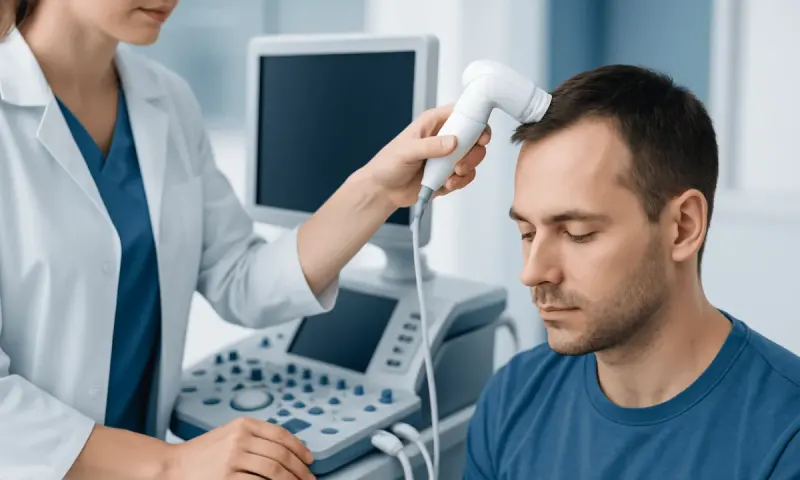
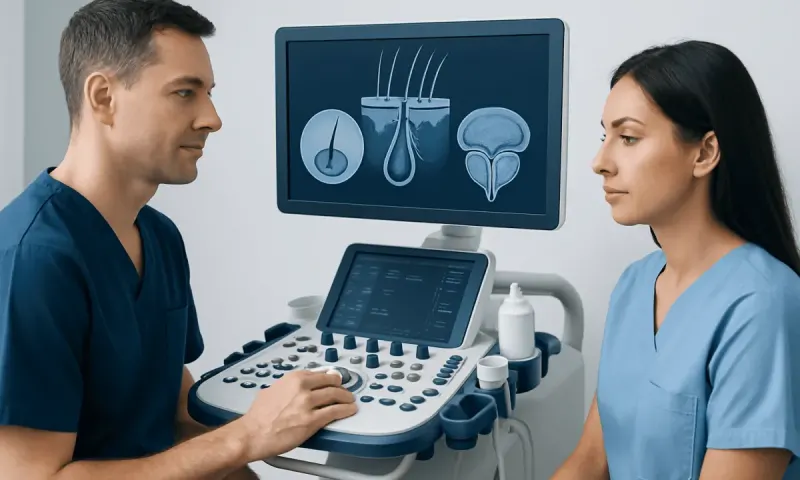
Depending on the history and examination, blood tests may be considered to look for contributors such as iron deficiency or thyroid dysfunction. Dermoscopy, a magnified examination of the scalp, can help assess follicle patterns. Occasionally, a scalp biopsy is needed when the diagnosis remains uncertain or scarring hair loss is suspected.
PRP may be discussed for some people with androgenetic alopecia, particularly when follicles are still present but producing finer hairs. Evidence suggests it may improve hair density or thickness for some patients, but response is variable and protocols differ between clinics. PRP is usually considered alongside a broader plan that addresses the underlying type of hair loss.
PRP Procedure, Recovery and Expected Results
For PRP, a trained clinician takes a small blood sample and processes it in a centrifuge to concentrate platelets in plasma. The prepared PRP is then injected in multiple small amounts across areas of scalp thinning. The appointment commonly includes consultation, blood collection, preparation, and the injections; the exact approach differs according to the clinic and the person’s diagnosis.
Most people return to ordinary daily activities soon afterward. Temporary tenderness, mild swelling, redness, bruising, headache, or a tight sensation in the scalp can occur. The treating team gives individualized aftercare instructions, which may include avoiding vigorous exercise, heavy scalp manipulation, or certain hair products for a short period.
Hair growth changes are gradual because follicles need time to move through their growth cycle. PRP is commonly performed as an initial series followed by review and, for some people, maintenance treatment. It should not be viewed as a permanent cure, and no treatment can reliably restore hair where follicles are no longer active.
Where clinically appropriate, a specialist may discuss PRP as part of a personalized hair loss treatment plan. Acıbadem Health Point’s multidisciplinary specialists and JCI-accredited hospitals can assess and treat hair-loss concerns for international patients.
How Much Do 3 Sessions of PRP Cost?
The cost of three PRP sessions varies substantially by country, clinic, clinician expertise, the equipment and preparation method used, the area being treated, and whether consultation or follow-up visits are included. For this reason, a general price is not reliable or clinically useful.
Before starting, patients can request a written treatment plan that explains the number and timing of recommended sessions, what is included in each visit, expected maintenance needs, cancellation policies, and any separate charges. It is also reasonable to ask who will perform the injections and what diagnosis PRP is intended to treat.
Cost alone should not determine suitability. A medical evaluation is important because PRP may not be the best option for every cause of hair loss, and effective management may involve treating a nutritional, hormonal, inflammatory, or medication-related contributor first.
How Long Do PRP Results Last?
PRP results can last for months, but the duration varies widely. Some people notice reduced shedding or improved hair thickness after an initial course, while others see little or no meaningful change. Results depend on the cause and stage of hair loss, the person’s general health, the treatment protocol, and concurrent hair-loss therapies.
Because pattern hair loss is progressive, improvements may lessen over time without continued care. Clinicians may recommend review appointments and maintenance sessions based on response rather than using one schedule for everyone. Standardized approaches are still evolving, which is one reason expectations should be discussed carefully before treatment.
Photographs taken under similar lighting and hair styling conditions can help track change over several months. A clinician can also assess whether ongoing shedding, scalp inflammation, or another diagnosis is limiting the result.
What Is the Downside of PRP Injections?
The main downsides of PRP injections are discomfort, the need for repeated appointments, uncertain response, and cost. Although PRP uses the person’s own blood and serious complications are uncommon when it is performed appropriately, injections can still cause temporary pain, swelling, bruising, bleeding, headache, or scalp tenderness.
There is also a small risk of infection or injury associated with any injection procedure. PRP may be unsuitable or need special consideration for people with certain bleeding disorders, low platelet counts, active scalp infection, or medicines that affect bleeding. The clinician should review medical history, current medicines, and possible contraindications in advance.
PRP does not replace diagnosis. If hair loss is caused by an autoimmune disorder, scarring alopecia, endocrine condition, nutritional deficiency, or medication effect, treating the underlying issue is important. A qualified clinician can explain realistic benefits, limitations, and alternatives before any procedure.
When to Seek Medical Care
Medical advice is recommended for sudden or rapidly worsening hair loss, bald patches, loss of eyebrows or eyelashes, scalp pain, itching, scaling, pus, bleeding, or a burning sensation. Assessment is also appropriate when hair loss follows a new medicine, is accompanied by fatigue or other health changes, or causes significant distress.
People who have persistent shedding for several months, visible widening of the part, or recurrent breakage despite gentler hair care should arrange a dermatology or primary care review. Early assessment can help identify treatable causes and preserve options when pattern hair loss is present.
Until reviewed, avoid harsh chemical treatments, very tight hairstyles, and excessive heat. A balanced diet with adequate protein and micronutrients supports normal hair growth, but supplements should not be started in high doses without medical advice or evidence of a deficiency.
Frequently asked questions
01Does hair fall after protein treatment?
Hair may seem to fall after a protein or keratin-style treatment because heat and chemicals can cause fragile strands to break. True shedding from the root may be unrelated and can have medical, hormonal, nutritional, or stress-related causes. Persistent or marked hair loss should be assessed by a clinician.
02How much do 3 sessions of PRP cost?
The price of three PRP sessions varies by location, clinic, treatment protocol, and what is included in the plan. A clinic should provide a clear written estimate after assessing the type of hair loss. It is important to ask about follow-up and possible maintenance costs as well.
03How long do PRP results last?
PRP results may last for months, but the duration and degree of improvement differ between individuals. Pattern hair loss can continue to progress, so maintenance treatment may be advised for some people. A follow-up assessment helps determine whether treatment is providing a meaningful benefit.
04What is the downside of PRP injections?
PRP can involve scalp discomfort, bruising, swelling, headache, repeated visits, cost, and no guarantee of improvement. Infection and bleeding are uncommon but possible risks of injections. It may not be appropriate for everyone, particularly those with certain blood disorders or active infection.
05Is PRP the same as a protein treatment for hair?
No. A protein or keratin hair treatment is usually a cosmetic procedure applied to the hair shaft, while PRP is a medical injection procedure using concentrated platelets from a person’s own blood. PRP may be considered for selected forms of hair loss after diagnosis.
06Can protein treatment repair thinning hair?
Protein treatments can temporarily improve the feel and appearance of damaged hair shafts, but they cannot regrow hair follicles or treat inherited thinning. If thinning is visible at the scalp, a medical evaluation can identify the cause and appropriate options. Avoiding further chemical and heat damage may also reduce breakage.
This article is for general information only and is not a substitute for professional medical advice. Please consult a qualified doctor about your individual situation.
Hair transplant in Turkey — costs, graft counts & a free assessment
JCI-accredited · board-certified surgeons · reply within 24h
Add us as a Preferred Source to see more of our trusted health content across Google Search, AI Overviews and Discover.