Can Protein Shakes Affect Hair Loss or Shedding?
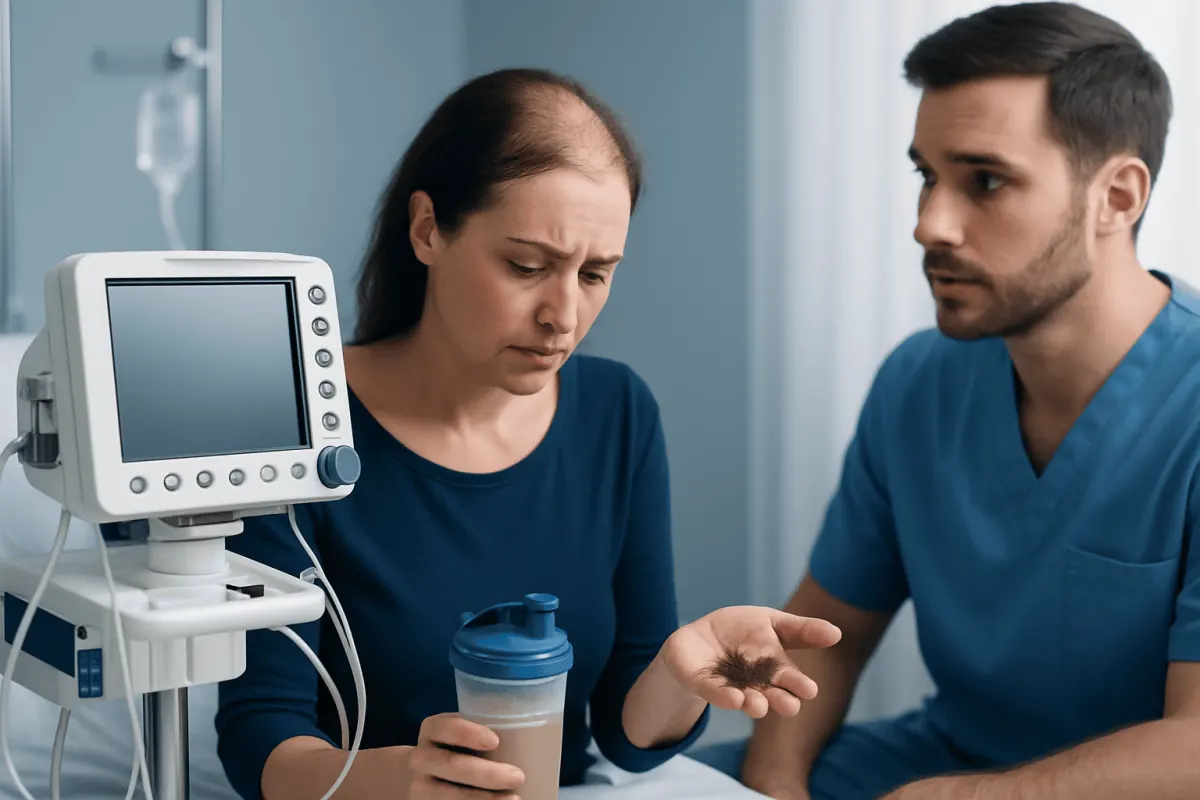
Protein shakes and hair loss are connected only when a person’s overall protein intake is too low; in that situation, correcting nutrition can support normal hair growth over time. For most people, a shake will not stop hair loss caused by genetics, hormones, illness, stress, medicines, or scalp conditions.
Protein Shakes and Hair Loss: The Evidence-Based Answer
Protein shakes and hair loss are linked only when a person is not getting enough protein overall. In this setting, a shake can be a convenient way to help close a genuine dietary gap, but it is not a stand-alone hair-loss treatment. When protein intake is already sufficient, adding more protein is unlikely to make hair grow faster, thicker, or denser.
Hair is made largely of keratin, a structural protein. However, the body prioritizes protein for essential functions such as maintaining muscles, organs, immune activity, and healing. During significant undernutrition, restrictive dieting, rapid weight loss, or certain illnesses, hair growth may be temporarily deprioritized and more hairs may enter a resting phase before shedding.
Diffuse shedding linked to nutrition is often one part of a broader picture. Other common explanations include hereditary pattern hair loss, thyroid disease, iron deficiency, hormonal changes, medications, major illness, emotional or physical stress, and inflammatory scalp conditions. A clinician can help identify the most likely cause rather than assuming that protein shakes are the answer.
What Protein-Related Hair Shedding May Look Like
Inadequate protein intake is more likely to be associated with diffuse hair shedding across the scalp than with clearly defined bald patches. A person may notice more hairs in the shower, on a pillow, or while brushing. The scalp usually looks normal, and the hairline is generally preserved, although existing hereditary hair thinning can occur at the same time.
This type of shedding may occur several weeks to months after the body has experienced a nutritional or physical stressor. Examples include a highly restrictive diet, prolonged poor appetite, an eating disorder, recovery from major illness, digestive conditions that affect nutrient absorption, or substantial weight loss. People who have had bariatric surgery may also need structured nutritional follow-up.
Protein deficiency severe enough to affect hair may occur alongside tiredness, loss of muscle mass, changes in weight, or other nutritional concerns, but hair shedding alone cannot confirm the cause. It is important not to self-diagnose from a single symptom. Patchy hair loss, scalp pain, scaling, redness, or scarring needs medical assessment because these features can point to a different condition.
Using Protein Shakes as Part of a Balanced Diet

Will drinking protein shakes help with hair loss?
Drinking protein shakes may help if a qualified clinician or dietitian identifies low protein intake as a contributing factor and the shake helps the person consistently meet their nutritional needs. A shake is best viewed as a food supplement rather than a cure. It should support regular meals containing a variety of protein sources, carbohydrates, healthy fats, vitamins, and minerals.
There is no strong evidence that standard whey, soy, pea, or other protein shakes directly cause hair loss when used as intended. Concerns sometimes arise when a supplement replaces nutritious meals, contributes to an overly restrictive diet, or contains multiple added ingredients that are not needed. Choosing a product with a clear ingredient list and avoiding excessive use is sensible.
A convenient shake can be useful for people with limited appetite, a demanding schedule, or temporary difficulty meeting food needs. However, persistent hair loss should not be managed by adding supplements alone. A healthcare professional may recommend reviewing recent weight changes, dietary pattern, medical history, medicines, and possible nutrient deficiencies before making a plan.
Recovery After Correcting Protein Deficiency
How long does it take for hair to recover from protein deficiency?
Hair recovery is gradual because follicles move through slow growth cycles. Once protein intake and overall nutrition improve, shedding may begin to settle over the following months, while visible new growth and improved fullness can take longer. For many people, meaningful recovery may take six to 12 months, depending on the severity and duration of the deficiency and whether other causes of hair loss are present.
Recovery also depends on correcting the whole nutritional picture. Adequate calories, iron, zinc, vitamin B12, vitamin D, essential fatty acids, and other nutrients can matter when a deficiency is present. Treating a protein shortfall while continuing extreme calorie restriction, for example, may not fully address shedding.
Small, short new hairs around the scalp may be an early sign of regrowth, although breakage can look similar. If shedding continues, worsens, or does not improve after several months of nutritional correction, it is appropriate to return to a doctor or dermatologist. The original trigger may still be active, or another type of hair loss may need treatment.
Meeting Protein Needs Without Overcorrecting
How much protein do I need to reverse hair loss?
There is no single protein amount that can reliably “reverse” hair loss for everyone. For healthy adults, the general recommended dietary allowance is about 0.8 grams of protein per kilogram of body weight per day, but individual requirements may be higher during older age, intensive physical activity, recovery from illness, pregnancy, or other circumstances. A doctor or registered dietitian can provide a personal target when nutritional deficiency is suspected.
Food-first choices can provide protein alongside other nutrients needed for healthy hair and general health. Useful options include eggs, fish, poultry, lean meat, dairy foods, soy products, beans, lentils, chickpeas, nuts, seeds, and whole grains. Plant-based diets can meet protein needs when meals include varied protein sources and sufficient total calories.
More is not always better. Very high-protein diets may be inappropriate for people with kidney disease or other medical conditions, and they can crowd out fiber-rich foods and other important nutrients. Rather than trying to rapidly increase intake, a balanced plan with regular meals and appropriate professional guidance is usually the safest approach.
Cosmetic Protein Treatments: Procedure, Recovery and Results
What happens to your hair after protein treatment?
A salon “protein treatment” usually refers to a cosmetic conditioning, keratin, or smoothing service applied to the hair shaft. It may temporarily make hair feel smoother, look shinier, and appear less frizzy by coating or altering the outer surface of the strands. It does not supply dietary protein to the hair follicle, change the cause of shedding, or stimulate new hair growth from the scalp.
Some salon smoothing procedures use heat and chemical ingredients to create a straighter or sleeker result. The effect commonly fades as the hair is washed and grows out. The hair shaft cannot biologically heal itself, so damaged strands may look better temporarily but remain vulnerable to breakage, especially if they are repeatedly exposed to heat, bleaching, dyeing, or chemical processing.
Some hair-smoothing products may release formaldehyde or related chemicals when heated, which can irritate the eyes, skin, nose, throat, or lungs. It is reasonable to ask a salon about ingredients, ventilation, and aftercare before treatment. Anyone who develops scalp burning, a rash, increased breakage, or noticeable shedding after a cosmetic procedure should stop further treatments and seek advice from a dermatologist.
Medical Assessment and When to Seek Care
A clinician usually assesses hair loss through a discussion of timing, diet, recent weight change, stressors, illnesses, family history, menstrual or hormonal history where relevant, medicines, and hair-care practices. Examination of the scalp and hair pattern can distinguish shedding from breakage and help identify possible conditions such as telogen effluvium, hereditary pattern hair loss, alopecia areata, or scalp inflammation.
Blood tests are not necessary for every person, but a doctor may request targeted tests based on symptoms and history. These can include tests for anemia or iron stores, thyroid function, and selected nutritional deficiencies. There is no single blood test that proves low protein is the cause of hair loss; dietary assessment and the wider clinical picture are important.
When to seek medical care
Medical advice is recommended for sudden or patchy hair loss, loss of eyebrows or eyelashes, scalp redness, pain, scaling, or scarring, or shedding that continues for several months. A person should also seek care if hair changes occur with unintentional weight loss, fatigue, digestive symptoms, irregular periods, or difficulty eating enough. For international patients, Acıbadem Health Point’s multidisciplinary specialists and JCI-accredited hospitals can assess hair loss and its possible nutritional, hormonal, dermatological, and medical contributors.
Frequently asked questions
01Can whey protein cause hair loss?
There is no strong evidence that whey protein itself causes hair loss in most people. If shedding begins after starting any supplement, it is sensible to review the full ingredient list, overall diet, medicines, and other recent health changes with a clinician.
02Is hair loss from protein deficiency permanent?
Hair shedding related to a temporary nutritional deficiency is often reversible once the deficiency and its cause are corrected. Recovery is gradual, and permanent loss is less likely when follicles are healthy and another hair-loss condition is not present.
03Can a vegan protein shake provide enough protein?
A vegan protein shake can help contribute to protein intake, particularly when it contains soy, pea, or blended plant proteins. It should complement a varied diet with foods such as beans, lentils, tofu, whole grains, nuts, and seeds.
04Do collagen or biotin shakes stop hair loss?
Evidence that collagen supplements treat common hair loss is limited, and they are not a replacement for identifying the underlying cause. Biotin is helpful only when a true deficiency exists, and high-dose biotin supplements can interfere with some laboratory test results.
05Can a blood test show whether protein is causing hair loss?
No single blood test can confirm that a lack of dietary protein is responsible for shedding. Doctors use dietary history, weight and health changes, examination findings, and targeted laboratory tests to look for protein deficiency and other possible causes.
06Does a keratin or protein hair treatment make hair grow faster?
No. Cosmetic keratin or protein treatments affect the appearance and feel of existing hair strands, not the growth rate of follicles beneath the scalp. They may temporarily reduce frizz or improve smoothness, but they do not treat medical hair loss.
This article is for general information only and is not a substitute for professional medical advice. Please consult a qualified doctor about your individual situation.
Hair transplant in Turkey — costs, graft counts & a free assessment
JCI-accredited · board-certified surgeons · reply within 24h
Add us as a Preferred Source to see more of our trusted health content across Google Search, AI Overviews and Discover.