DHT Hormone: Effects on Hair, Skin and Prostate
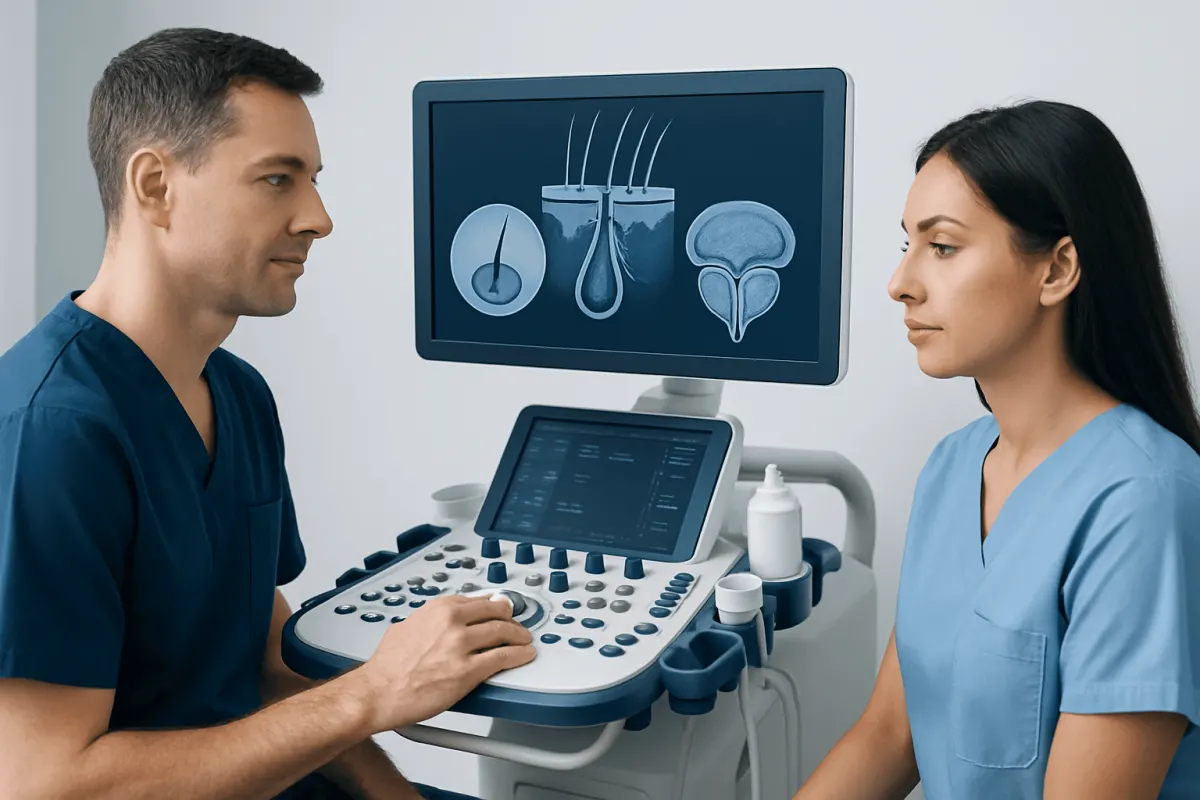
DHT hormone, also called dihydrotestosterone, is a naturally occurring androgen made from testosterone. It has important roles in fetal development and puberty, but sensitivity to DHT may contribute to pattern hair loss, acne, excess hair growth, or prostate enlargement in some people.
DHT Hormone: What It Is and Why It Matters
DHT hormone is short for dihydrotestosterone, a hormone made in the body from testosterone. Testosterone is converted to DHT by an enzyme called 5-alpha-reductase. DHT binds strongly to androgen receptors, meaning that it can produce more pronounced effects than testosterone in certain tissues.
DHT has an essential role before birth in the development of external male sex characteristics. It also contributes to changes during puberty, including growth of facial and body hair, changes in skin oil production, and maturation of the prostate. DHT is present in people of all sexes, although concentrations and effects vary.
In adulthood, DHT is often discussed because it may contribute to androgenetic alopecia, commonly called male- or female-pattern hair loss, and benign enlargement of the prostate. However, DHT is not inherently harmful. Whether it contributes to a health concern depends on the tissue involved, inherited sensitivity to androgens, age, and the wider hormonal context.
How DHT Affects Hair, Skin and the Prostate
Hair follicles in different body areas react to DHT differently. In genetically susceptible scalp follicles, especially around the temples, hairline, and crown, DHT can gradually shorten the hair growth phase and make individual hairs finer. Over time, this process can lead to a recognizable pattern of thinning. This is one reason people with similar DHT levels may have very different hair density.
On the face, chest, and other body sites, androgens can stimulate terminal hair growth. In some women, increased androgen activity or increased follicle sensitivity may be associated with coarse facial or body hair, acne, and scalp thinning. These symptoms need a full clinical assessment because they can have several possible causes.
DHT also acts in the prostate. It may contribute to prostate growth over time, which can be relevant in benign prostatic hyperplasia. This noncancerous condition may cause a weaker urine stream, urinary frequency, urgency, or a feeling that the bladder has not fully emptied. DHT is not considered a direct explanation for every prostate symptom, so clinical evaluation remains important.
What Can Cause High or Increased DHT Activity?

It is helpful to distinguish a measured DHT concentration from increased DHT activity in a particular tissue. A person can experience DHT-related pattern hair loss despite a blood result within the laboratory reference range. Genetic differences in androgen receptors and in scalp follicle responses are particularly important in androgenetic alopecia.
Testosterone availability, activity of the 5-alpha-reductase enzyme, age, genetics, and some medicines can influence DHT production or action. Hormone therapy and anabolic steroid use may also affect androgen-related symptoms. In women, conditions associated with higher androgen production, including polycystic ovary syndrome, may be considered when acne, irregular periods, excess terminal hair growth, or scalp hair thinning occur together.
Hair shedding should not automatically be attributed to DHT. Illness, major stress, childbirth, rapid weight loss, nutritional deficiency, thyroid disease, certain medications, inflammatory scalp conditions, and autoimmune disorders can also contribute. A careful history and scalp examination help identify the most likely cause.
Symptoms That May Be Linked With DHT
Potential signs of DHT-sensitive tissue activity vary by person and are not specific to DHT alone. Pattern hair loss often develops gradually. In men, it may begin with recession at the temples or thinning at the crown. In women, it more often presents as widening of the part or diffuse thinning over the top of the scalp while the frontal hairline is relatively preserved.
Other possible androgen-related concerns include persistent oily skin, acne, increased coarse hair growth on the face or body, and changes in prostate-related urinary symptoms. These findings do not confirm that DHT is high, and they should be interpreted in context by a healthcare professional.
- Gradual scalp thinning in a characteristic pattern
- New or persistent acne and oily skin
- New coarse facial or body hair growth in women
- Urinary frequency, weak stream, urgency, or nighttime urination in men
- Changes in mood, sexual function, or energy after starting hormone-related medicines
Symptoms such as sudden patchy hair loss, scalp pain, scaling, scarring, or rapid hormonal changes may point to another condition and should be assessed promptly.
Testing and Diagnosis: Is a DHT Blood Test Needed?
A DHT blood test may be used in selected endocrine or reproductive assessments, but it is not routinely required to diagnose common pattern hair loss, acne, or benign prostate enlargement. Blood DHT levels can vary, laboratory methods differ, and circulating values do not fully show how strongly tissues respond to DHT.
A clinician generally begins with the person’s symptoms, medical history, family history, medicines and supplements, and a focused physical examination. For hair concerns, this may include examining the scalp and hair distribution. Depending on the presentation, blood tests may assess thyroid function, iron stores, blood count, testosterone, other androgens, or additional hormones.
For urinary symptoms, assessment may include a urine test, review of medicines, examination of the prostate when appropriate, and other tests guided by age and clinical findings. When a hormone disorder is suspected, referral to an endocrinologist, dermatologist, gynecologist, or urologist may be recommended.
Treatment Options and Expected Results
Treatment is directed at the diagnosed condition rather than a laboratory number alone. For androgenetic hair loss, options may include topical treatments that support the hair growth cycle and, for appropriate patients, prescription medicines that reduce conversion of testosterone to DHT. These medicines are not suitable for everyone and require a discussion of potential benefits, side effects, reproductive considerations, and follow-up needs.
Results from hair-loss treatment are gradual. Reduced shedding may be noticed before visible improvement in density, and treatment often needs to be continued to maintain benefit. Response varies according to the stage of hair loss, genetic factors, consistency of treatment, and whether another cause of shedding is also present. For established hair loss, hair transplantation may be considered after a specialist evaluation in suitable candidates.
For benign prostate enlargement, clinicians may recommend observation, lifestyle measures, medicines, or procedures depending on symptom severity, prostate features, and overall health. Medicines that lower DHT can reduce prostate size for some patients, but they may take time to work and can cause side effects. Treatment decisions should be individualized with a urologist.
People should not self-treat suspected high DHT with online hormone products, anabolic steroids, or unregulated supplements. These products may alter hormone balance, interact with medicines, and delay diagnosis of a treatable medical issue.
Everyday Care and Supporting Healthy Hair and Hormones
No diet, shampoo, or supplement has been proven to safely eliminate DHT or reverse all hormone-related hair loss. Gentle hair care can reduce breakage: avoiding tight hairstyles, harsh chemical processing, excessive heat, and aggressive brushing may help protect fragile strands. Treating dandruff, eczema, or other scalp inflammation can also support scalp comfort.
A balanced eating pattern that provides enough protein, iron, zinc, vitamin D, and other essential nutrients supports general health, but supplements are best used when a deficiency is identified or a clinician recommends them. Taking high-dose supplements without advice can be ineffective or harmful.
Regular sleep, physical activity, stress management, and avoiding tobacco support overall health but cannot replace medical treatment for a diagnosed androgen-related condition. Keeping a record of symptom onset, hair changes, menstrual cycles where relevant, medications, and supplements can make a medical consultation more useful.
When to Seek Medical Care
Medical advice is appropriate for gradual hair thinning, new acne or unwanted hair growth, or urinary symptoms that are persistent, bothersome, or affecting quality of life. An early assessment can help distinguish common DHT-sensitive conditions from nutritional, thyroid, inflammatory, autoimmune, or medication-related causes.
More prompt evaluation is recommended for sudden or patchy hair loss, scalp redness or pain, rapid onset of coarse facial hair or voice changes, irregular or absent menstrual periods, breast changes, or symptoms that begin after a new medication or supplement. Urgent medical attention is needed if a person cannot pass urine, has severe lower abdominal pain, fever with urinary symptoms, or sees blood in the urine.
Acıbadem Health Point’s multidisciplinary specialists and JCI-accredited hospitals evaluate hormone, hair, skin, and urologic concerns for international patients, with care guided by the individual diagnosis and clinical needs.
Frequently asked questions
01What is the DHT hormone?
DHT, or dihydrotestosterone, is an androgen made from testosterone by the enzyme 5-alpha-reductase. It is important for male fetal development and contributes to androgen-related changes in puberty and adulthood. Its effects differ among tissues and individuals.
02Does high DHT always cause hair loss?
No. Pattern hair loss is strongly influenced by inherited sensitivity of scalp hair follicles to DHT, not simply by the amount of DHT in the bloodstream. Someone may have hair loss with a typical blood level, while another person with a similar level may not lose hair.
03Can a DHT blood test diagnose hair loss?
Usually, no. Pattern hair loss is commonly diagnosed from the history and scalp examination, with other tests used when the presentation suggests another cause. A DHT test may be relevant in selected hormone evaluations but does not reliably measure scalp follicle sensitivity.
04Can DHT be lowered naturally?
Healthy habits can support general wellbeing, but there is no proven natural method that reliably lowers DHT enough to treat a medical condition. Herbal products and supplements may have uncertain effectiveness, side effects, or drug interactions. It is safer to discuss treatment goals with a clinician.
05How long does DHT hair-loss treatment take to work?
Hair grows slowly, so results are usually assessed over several months rather than weeks. Some people first notice less shedding, while visible thickening may take longer and may not occur for everyone. Continued treatment is commonly needed to preserve any benefit.
06Can DHT affect women?
Yes. Women naturally produce and respond to androgens, including DHT. Increased androgen activity or sensitivity can be associated with acne, scalp thinning, or excess terminal hair growth, although these symptoms have several possible causes and should be evaluated individually.
This article is for general information only and is not a substitute for professional medical advice. Please consult a qualified doctor about your individual situation.
Hair transplant in Turkey — costs, graft counts & a free assessment
JCI-accredited · board-certified surgeons · reply within 24h
Add us as a Preferred Source to see more of our trusted health content across Google Search, AI Overviews and Discover.