Eyelid surgery blepharoplasty Recovery: Week-by-Week Timeline
Eyelid surgery blepharoplasty vs Brow lift: Which Is Right for You?" class="ahp-ilk">Eyelid surgery blepharoplasty recovery is usually most noticeable during the first 1 to 2 weeks, when swelling, bruising and mild discomfort gradually improve. Most people can return to light daily activities within days and work within about 1 to 2 weeks, while the eyelids continue to settle over several months.
Overview: What to Expect After Eyelid Surgery
Blepharoplasty is surgery that reshapes the upper eyelids, lower eyelids or both. It may remove or reposition excess skin and fat and, in selected cases, adjust supporting tissues. People may choose it for cosmetic reasons, or it may be recommended when loose upper-eyelid skin interferes with the visual field.
Recovery varies with the extent of surgery, whether upper and lower lids are treated together, individual healing, medical conditions and adherence to aftercare instructions. In general, the early recovery period is measured in days and weeks, whereas subtle swelling, scar softening and the final appearance continue to improve over several months.
This article focuses on healing and aftercare. For an overview of the operation itself, including goals and surgical approaches, see eyelid surgery (blepharoplasty).
How Blepharoplasty Works and Who May Be a Candidate
During upper eyelid surgery, the surgeon generally places an incision in the natural upper-lid crease so the scar can be less visible after healing. Excess skin may be removed, and fat may be reduced or repositioned when appropriate. Lower eyelid surgery may use an incision just below the lashes or inside the lower lid, depending on whether skin removal is needed.
Suitable candidates are generally adults in good overall health who have realistic expectations and concerns such as drooping upper-lid skin, lower-lid bags, excess skin or a tired-looking eye area. A functional assessment may be important when upper-lid skin affects peripheral vision.
Before recommending surgery, the clinician considers eye health, eyelid position, tear production, previous eye surgery, medications and medical history. Dry-eye symptoms, thyroid eye disease, bleeding conditions, uncontrolled blood pressure and certain medicines may require additional assessment or changes to the treatment plan.
Blepharoplasty does not treat every concern around the eyes. For example, eyebrow descent, skin texture changes, dark circles or facial volume loss may need a different approach. A consultation helps clarify what surgery can reasonably address.
What Happens During the Procedure

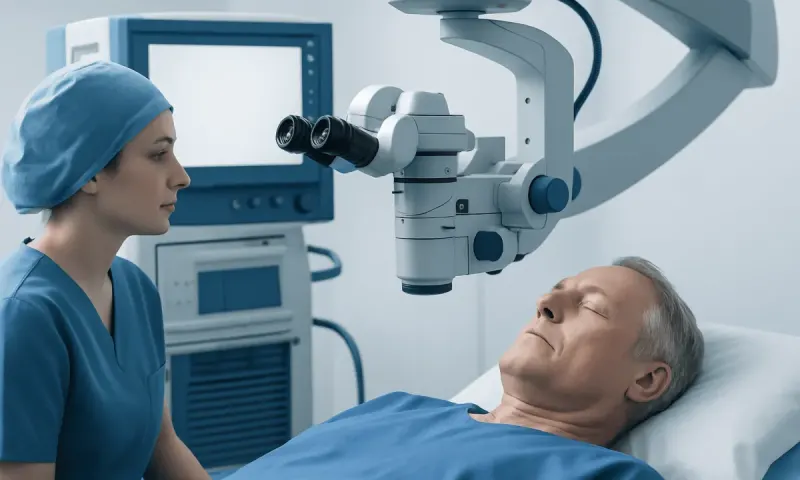
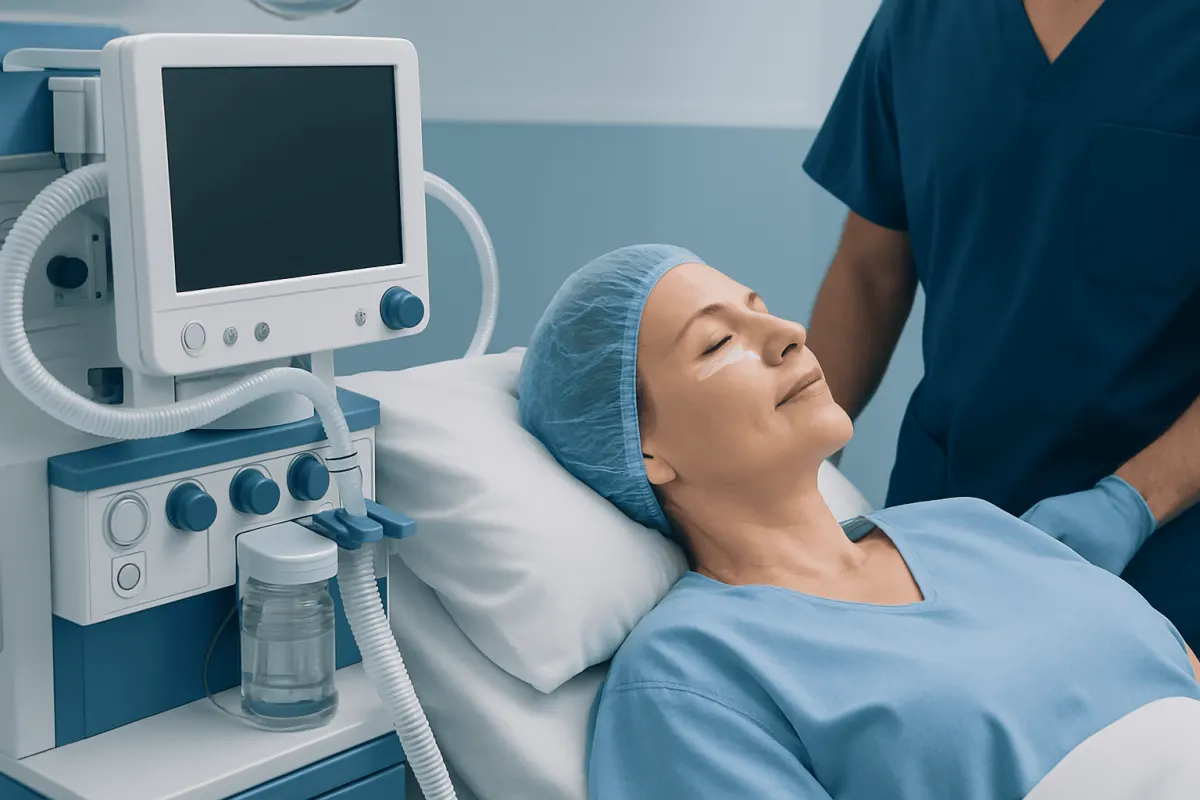
Blepharoplasty is usually performed as an outpatient procedure. Depending on the planned surgery, it may be done with local anaesthetic and sedation or with general anaesthesia. The operating team confirms the treatment plan, reviews relevant safety information and marks the planned incision sites before surgery.
The surgeon makes carefully positioned incisions, reshapes or removes selected tissue and closes the incisions with fine sutures when needed. In lower eyelid procedures performed through the inside of the eyelid, there may be no visible external incision. The exact steps differ from person to person and should be discussed with the surgeon.
After the procedure, temporary blurred vision from ointment, tearing, light sensitivity, tightness and mild discomfort can occur. Patients generally need someone to accompany them home and should not drive until their surgeon confirms they can do so safely.
The care team provides individual instructions about cooling, cleaning the incision area, eye drops or ointment, sleeping position, activity limits and follow-up appointments. These instructions take priority over general advice because they are tailored to the procedure performed.
Eyelid Surgery Blepharoplasty Recovery: Week-by-Week Timeline
Days 1 to 3: Swelling and bruising often increase during the first 48 hours before beginning to settle. The eyelids may feel tight, numb, itchy or mildly sore. Cool compresses, rest with the head elevated and prescribed or approved medicines may help manage discomfort. Vision can be temporarily blurry if swelling, tears or ointment are present.
Days 4 to 7: Bruising may begin to change colour and swelling usually starts to improve. Light walking and gentle household movement are commonly encouraged, but bending, straining, heavy lifting and vigorous activity should be avoided. If stitches need removal, this is often arranged during the first week, although timing depends on the technique used.
Week 2: Many people feel comfortable returning to desk-based work, social activities or other non-strenuous routines at this stage. Some residual bruising, puffiness, redness or uneven swelling is still normal. Makeup or contact lenses should only be resumed when the surgeon says the incisions and eye surface are healing appropriately.
Weeks 3 to 6: Most visible bruising has usually resolved, and the eyelids look progressively more natural. Mild swelling, numbness, firmness along the incision or morning puffiness may persist. Many patients may return gradually to more demanding exercise after clinical clearance, but contact sports and activities that risk facial injury may need a longer pause.
Months 2 to 6 and beyond: Incision lines typically fade and soften gradually, while small areas of swelling continue to settle. Final healing is not immediate; lower-eyelid swelling in particular can take time to resolve. Follow-up visits allow the surgeon to assess eyelid position, eye comfort, scar healing and the overall outcome.
Returning to Work, Exercise and Everyday Activities
Return-to-work timing depends on the type of work, the degree of bruising and swelling, and personal comfort. People with office-based roles often plan for around 1 to 2 weeks away from work or public-facing duties. Those whose work involves lifting, physical exertion, dust exposure or a risk of impact may need more time and specific clearance from their surgeon.
Short, easy walks are commonly suitable soon after surgery, provided the person feels well. However, aerobic exercise, weight training, yoga positions that place the head below the heart, strenuous housework and heavy lifting can increase blood flow and swelling around the eyes. The surgical team should advise when each activity can be restarted.
Swimming, hot tubs and saunas are generally avoided until wounds have healed and the surgeon confirms infection risk is low. Sunglasses can provide comfort from wind and bright light outdoors while also helping protect healing skin. Sun protection is important because healing scars can become more noticeable when exposed to ultraviolet light.
Driving should wait until vision is clear, the person is no longer affected by sedating medication and they can blink, focus and react comfortably. Contact lens use may be temporarily restricted, especially if the eyes feel dry or irritated.
Benefits, Risks and Helpful Aftercare
Potential benefits of blepharoplasty include a less heavy appearance of the upper lids, reduced prominence of lower-lid bags and, when excess upper-lid skin obstructs vision, improved visual function. Results are influenced by skin quality, facial anatomy, healing and natural ageing. Surgery can improve a selected concern but does not stop age-related changes around the eyes.
Common short-term effects include swelling, bruising, temporary numbness, dry or watery eyes, mild irritation and sensitivity to light. Less common complications can include infection, bleeding, noticeable scarring, asymmetry, difficulty fully closing the eyes, eyelid position changes, persistent dry-eye symptoms or the need for additional treatment. Serious complications affecting vision are uncommon but require immediate assessment.
Helpful aftercare includes attending follow-up appointments, keeping the surgical area clean as directed, avoiding smoking and nicotine exposure, using prescribed eye medicines exactly as instructed, protecting the eyes from sun and wind, and not rubbing the eyelids. Patients should not use supplements, medicines or herbal products that may affect bleeding unless their clinician has approved them.
Acıbadem Health Point’s multidisciplinary specialists and JCI-accredited hospitals diagnose and treat eyelid concerns for international patients, with aftercare plans guided by the individual procedure and recovery needs.
When to Seek Medical Care
It is important to contact the surgical team promptly for increasing rather than improving pain, spreading redness, discharge, fever, worsening swelling after initial improvement, persistent vomiting or concerns about the incision. The team can advise whether symptoms are expected or need examination.
Urgent medical care is needed for sudden loss or major reduction of vision, severe eye pain, rapidly expanding swelling or bruising around one eye, significant bleeding, new double vision, chest pain, shortness of breath or signs of a serious allergic reaction. These symptoms should not be managed by waiting for a routine follow-up visit.
People who have dry-eye symptoms, thyroid-related eye problems or a history of eye disease should report changes in comfort or vision early. Keeping scheduled reviews helps the clinician identify healing concerns before they become more significant.
Frequently asked questions
01How long does eyelid surgery blepharoplasty recovery take?
The most visible part of recovery usually lasts around 1 to 2 weeks, as bruising and more noticeable swelling improve. Smaller changes in swelling, scar appearance and eyelid sensation can continue for several months. Recovery timing differs according to the type of eyelid surgery and individual healing.
02When can a person return to work after blepharoplasty?
Many people with desk-based jobs return after about 7 to 14 days. A longer break may be helpful for physically demanding work or roles with significant public-facing responsibilities. The surgeon can provide a more personal recommendation after reviewing healing progress.
03When can exercise be restarted after eyelid surgery?
Gentle walking is often appropriate early in recovery, but strenuous exercise is usually delayed until the surgeon approves it. Heavy lifting, intense cardio and inverted positions may worsen swelling or increase bleeding risk during early healing. The safe timing depends on the procedure and the patient’s recovery.
04Is it normal to have blurry vision after blepharoplasty?
Temporary blurred vision can occur because of lubricating ointment, tearing, swelling or dry eyes. It should improve as the eyes recover and ointment use decreases. Sudden, severe or worsening changes in vision need urgent medical assessment.
05How can swelling after blepharoplasty be reduced?
Following the surgeon’s instructions is the most important step. Common recommendations include cool compresses during the early period, resting with the head elevated, avoiding strenuous activity and limiting exposure to heat. Patients should not place ice directly on the skin or eyes unless specifically instructed.
06Will blepharoplasty scars be visible?
Surgeons typically position upper-eyelid incisions in the natural lid crease, where they can become less noticeable over time. Lower-eyelid incisions may be placed beneath the lashes or inside the eyelid depending on the technique. Scar colour and texture generally improve gradually over several months, though healing varies.
This article is for general information only and is not a substitute for professional medical advice. Please consult a qualified doctor about your individual situation.
Explore treatments in Turkey — costs, top hospitals & a free quote
JCI-accredited · board-certified surgeons · reply within 24h
Add us as a Preferred Source to see more of our trusted health content across Google Search, AI Overviews and Discover.