How Much Does Eyelid Surgery Cost?
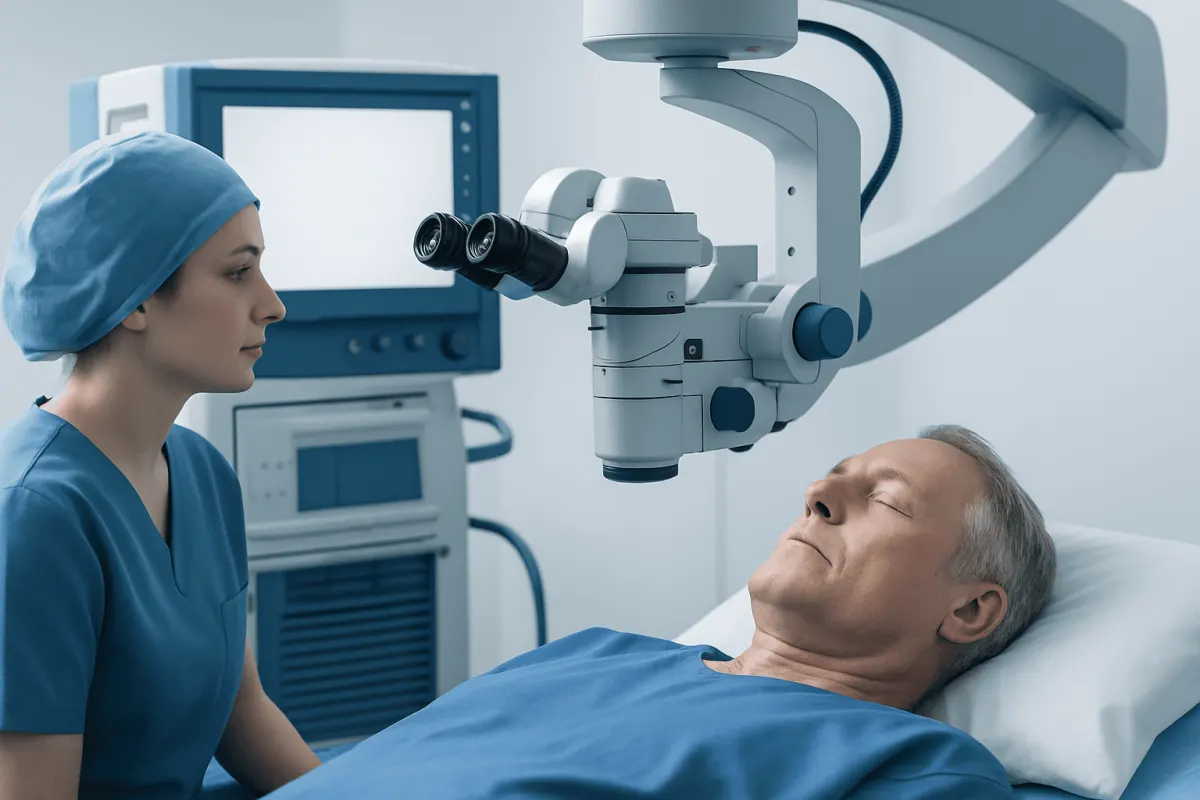
How much does eyelid surgery cost depends on whether upper lids, lower lids, or both are treated, as well as the surgeon’s expertise, anesthesia, facility fees, location, and aftercare needs. A personalized consultation is the safest way to receive a complete written estimate and determine whether the procedure is cosmetic or medically necessary.
Overview: What Determines Eyelid Surgery Cost?
How much does eyelid surgery cost? There is no single reliable figure because blepharoplasty is tailored to the person’s anatomy, goals, health needs, and treatment plan. A cost estimate may differ substantially depending on whether surgery is performed on the upper eyelids, lower eyelids, or both, and whether other procedures are planned at the same time.
People comparing how much eyelid surgery costs near them should ask for an itemized estimate rather than focusing only on a headline price. Important components can include the surgeon’s professional fee, anesthesia, operating-room or clinic charges, preoperative assessment, laboratory testing when needed, prescribed medicines, garments or eye-care supplies, and follow-up appointments.
Location can also influence overall expenses. Searches such as how much does eyelid surgery cost in Korea, Mexico, Australia, the UK, Canada, Turkey, or Alberta may return widely different figures, but direct comparisons can be misleading. Local regulations, hospital standards, anesthesia arrangements, travel costs, accommodation, revision policies, and continuity of care should all be considered when evaluating treatment abroad.
What Is Eyelid Surgery and How Does It Work?
Eyelid surgery, medically known as blepharoplasty, reshapes the upper eyelids, lower eyelids, or both. It may involve removing or repositioning excess skin, adjusting small amounts of fat, and sometimes tightening supporting tissues. The aim may be cosmetic, functional, or a combination of both.
Upper eyelid surgery is commonly considered when loose skin creates a hooded appearance or weighs on the lashes. Lower eyelid surgery may address under-eye bags, puffiness, or loose skin. Eyelid surgery does not treat every cause of dark circles, facial wrinkles, eyebrow drooping, or eye dryness, so a careful assessment is important.
A specialist should also distinguish excess eyelid skin from ptosis, which is a drooping of the eyelid margin itself. These conditions may require different approaches. For more information about the procedure, readers can explore blepharoplasty treatment options.
Who May Be a Candidate for an Eyelid Lift?

Suitable candidates are generally adults in good overall health who have realistic expectations and a clear understanding of what eyelid surgery can and cannot change. A clinician considers skin quality, eyelid position, eyebrow position, facial structure, previous surgery, medications, smoking status, and the person’s specific concerns.
Before recommending surgery, the surgeon may ask about dry eye symptoms, contact lens use, thyroid disease, glaucoma, diabetes, bleeding disorders, allergies, and previous eye or facial procedures. Some people need an eye examination or visual-field assessment, particularly when upper-lid skin may be interfering with vision.
People with severe dry eye, uncontrolled medical conditions, active eye infections, or unrealistic expectations may need treatment, further assessment, or a different approach before surgery. An in-person consultation also helps determine whether an eyelid lift alone is appropriate or whether brow position or another facial concern is contributing to the appearance of the upper lids.
What Happens During the Procedure?
Planning begins with a consultation, medical history, and physical examination. The surgeon discusses the desired result, reviews potential limitations, and marks the natural eyelid creases and treatment areas. Photographs may be taken for clinical planning, and patients receive instructions about medicines, smoking, fasting, and arranging transport home.
Eyelid surgery is often performed as an outpatient procedure. Depending on the planned operation, it may be carried out with local anesthesia and sedation or with general anesthesia. For upper eyelids, incisions are commonly placed within the natural crease. For lower eyelids, incisions may be placed just beneath the lashes or inside the lower eyelid, depending on the technique.
After carefully addressing excess skin, fat, or supporting tissue, the surgeon closes the incisions with fine sutures or another appropriate method. The exact length and complexity of surgery vary. Combining procedures may affect anesthesia, recovery requirements, and the overall estimate, which is why a detailed surgical plan is essential before comparing costs.
Recovery Timeline, Benefits, and Risks
After surgery, temporary swelling, bruising, tightness, watery eyes, sensitivity to light, and mild blurred vision from ointment are common. Cold compresses, head elevation, rest, and the surgeon’s eye-care instructions can support early healing. Most people can perform light activities soon, but strenuous exercise, heavy lifting, swimming, and eye makeup may need to be avoided until cleared by the surgical team.
Bruising and noticeable swelling often improve over the first one to two weeks, although healing varies. Incisions continue to mature for months, and subtle swelling can take longer to settle. Follow-up visits allow the surgical team to monitor healing, remove sutures if necessary, and answer questions about returning to work, driving, exercise, and contact lens use.
Potential benefits include a more open upper-eyelid appearance, reduced lower-lid puffiness, and improved peripheral vision when excess upper eyelid skin was obstructing sight. Risks include bleeding, infection, scarring, asymmetry, dry or irritated eyes, difficulty fully closing the eyes, eyelid position changes, vision changes, and the possible need for further treatment. Serious complications are uncommon but require prompt assessment.
Is Eyelid Surgery Worth the Money?
Whether eyelid surgery is worth the money is a personal decision based on the individual’s goals, symptoms, expected benefits, recovery time, and financial circumstances. It may feel especially valuable to someone whose upper eyelid skin affects their field of vision or whose eyelid appearance causes persistent concern. For others, non-surgical options or choosing not to have treatment may be equally reasonable.
A useful consultation should clarify what result is realistically achievable, what is included in the estimate, how long recovery may take, and what future care could be needed. Patients should be cautious about offers that do not clearly explain surgeon qualifications, anesthesia arrangements, facility standards, or aftercare.
It can help to compare complete care plans rather than individual fees. The least expensive option may not include the same surgical expertise, medical assessment, safety standards, or follow-up support as a comprehensive plan. A qualified surgeon can explain whether surgery is likely to address the concern that matters most to the patient.
Is Eyelid Surgery Ever Covered by Insurance?
Eyelid surgery may be covered or partially covered by insurance when it is considered medically necessary rather than cosmetic. This can occur when excess upper eyelid skin significantly interferes with a documented visual field, or when another functional eyelid problem requires repair. Coverage rules differ among insurers, countries, and individual plans.
Insurers commonly require evidence such as clinical notes, photographs, and formal visual-field testing. Prior authorization may be needed before the procedure. Lower eyelid surgery for under-eye bags and upper eyelid surgery performed solely to improve appearance are usually treated as cosmetic and are less likely to be covered.
Patients should contact their insurer directly and ask the surgical provider which parts of care may be included or excluded. Even when a procedure qualifies for coverage, deductibles, co-payments, anesthesia fees, facility charges, or treatment beyond the approved functional component may still create out-of-pocket costs.
How Painful Is Eyelid Surgery?
Most people describe eyelid surgery as involving discomfort, pressure, tightness, or irritation rather than severe pain. Anesthesia is used during the procedure, and postoperative discomfort is often manageable with the care plan recommended by the surgeon. The experience varies according to the technique used, personal pain sensitivity, and whether other procedures are performed.
Cold compresses and rest can help reduce swelling and soreness. Patients should use only the medicines and eye products recommended by their clinical team, as some medications and supplements can increase bleeding risk or affect healing. Rubbing the eyes should be avoided during recovery.
Increasing pain, sudden loss of vision, marked swelling on one side, significant bleeding, fever, or worsening redness should not be managed at home. These symptoms require urgent contact with the surgical team or emergency medical assessment.
Frequently asked questions
01How long does an eyelid lift last?
The changes from upper eyelid surgery often last for many years, while lower eyelid surgery may provide long-lasting improvement in under-eye bags. However, surgery does not stop natural aging, skin laxity, or changes in brow position. The duration of visible results varies with anatomy, skin quality, lifestyle, and the technique used.
02What should be included in an eyelid surgery quote?
A clear quote should state whether it includes the surgeon’s fee, anesthesia, facility or operating-room charges, preoperative assessments, medicines, follow-up appointments, and any required tests. It should also explain whether costs could change if the surgical plan changes. Patients should ask about aftercare and policies for unexpected concerns or revision treatment.
03Can eyelid surgery improve vision?
Upper eyelid surgery may improve peripheral vision when excess skin hangs over the eyelashes and blocks the visual field. It does not correct problems within the eye, such as refractive errors, cataracts, or retinal disease. A formal visual-field test may be used when functional impairment is suspected.
04How long does it take to recover from eyelid surgery?
Many people feel ready for light daily activities within several days, while bruising and more visible swelling commonly improve over one to two weeks. Healing continues beyond this point, and incision lines and subtle swelling may take several months to settle. Recovery recommendations should be individualized by the surgeon.
05Will eyelid surgery leave scars?
All surgery creates incisions, but eyelid surgery incisions are usually placed in natural eyelid creases, under the eyelashes, or inside the lower eyelid where they are less noticeable. Scars generally fade over time, although healing differs between individuals. Following wound-care instructions and protecting healing skin from sun exposure can support scar maturation.
06When should someone seek medical care for eyelid symptoms?
A person should seek prompt medical care for sudden vision loss, severe eye pain, new double vision, a rapidly drooping eyelid, significant injury, or swelling and redness with fever. After eyelid surgery, urgent assessment is needed for worsening pain, heavy bleeding, sudden visual changes, or marked swelling. Acıbadem Health Point’s multidisciplinary specialists and JCI-accredited hospitals can assess and treat eyelid concerns for international patients.
This article is for general information only and is not a substitute for professional medical advice. Please consult a qualified doctor about your individual situation.
Explore treatments in Turkey — costs, top hospitals & a free quote
JCI-accredited · board-certified surgeons · reply within 24h
Add us as a Preferred Source to see more of our trusted health content across Google Search, AI Overviews and Discover.