Botched Upper Eyelid Surgery: Signs and Next Steps
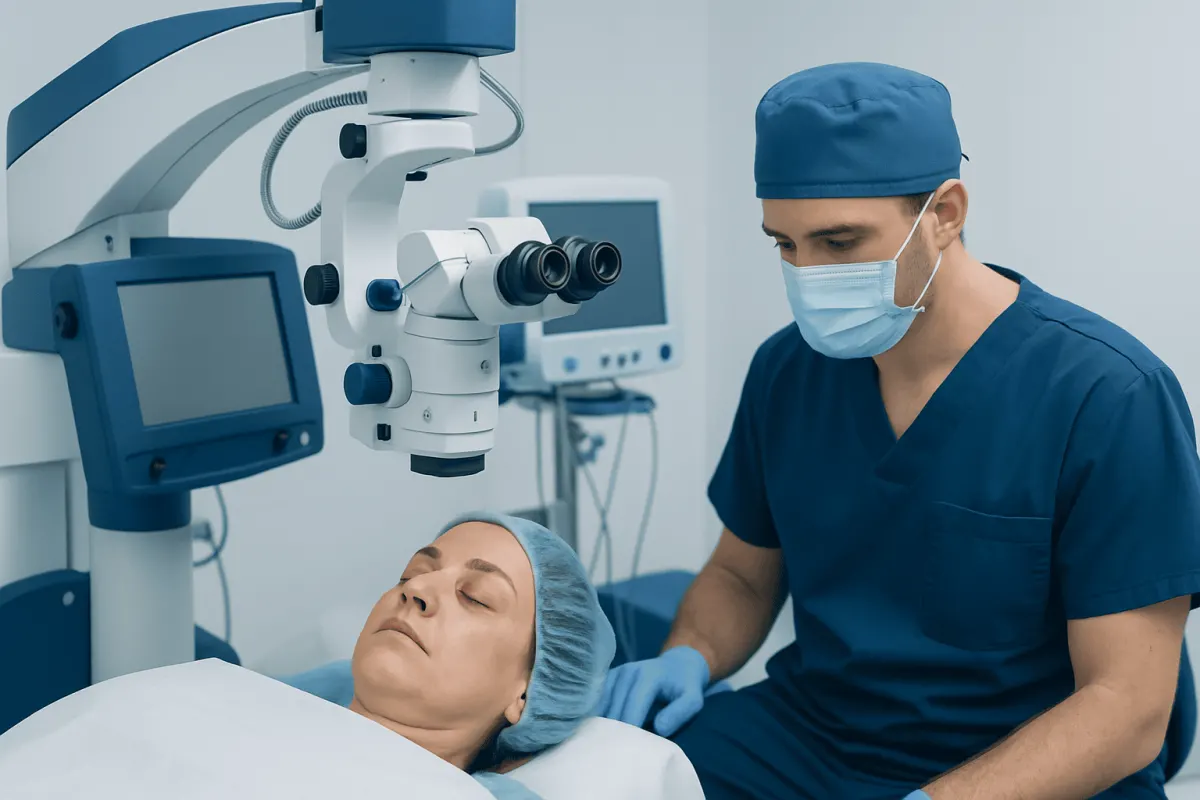
Botched upper eyelid surgery describes an unsatisfactory or complicated outcome after upper blepharoplasty, such as eyelid asymmetry, excessive skin removal, scarring, or difficulty closing the eyes. Many early concerns improve as swelling settles, but persistent symptoms or eye-surface problems need assessment by an experienced eyelid specialist.
Overview: What Does Botched Upper Eyelid Surgery Mean?
Botched upper eyelid surgery is a non-medical term often used when a person is unhappy with the appearance or function of the eyelids after upper blepharoplasty. Upper blepharoplasty removes or repositions excess skin and, in some cases, fat to improve a heavy upper lid, restore the visual field, or create a more refreshed appearance. A result may feel disappointing because of swelling, scarring, asymmetry, lid-position changes, or expectations that do not match the final outcome.
It is important not to judge the final result too early. Bruising and swelling can make the eyelids look uneven, overly open, tight, or differently creased during the first weeks. Healing continues gradually, and scars mature over months. However, persistent functional symptoms, especially dryness or inability to close the eyes fully, should be assessed without delay.
Evaluation is usually most helpful with an ophthalmologist who has expertise in oculoplastic surgery or a suitably qualified plastic surgeon. The clinician can distinguish normal healing from a complication and discuss observation, eye-surface protection, scar management, or blepharoplasty revision and eyelid treatment when appropriate.
How Upper Eyelid Surgery Works and Who May Be a Candidate
Upper eyelid surgery is planned around the individual anatomy of the eyelid, eyebrow, eye surface and facial structure. The surgeon marks a natural upper-lid crease, makes an incision within this fold, and removes or rearranges a carefully measured amount of skin. Depending on the concern, small amounts of fat or muscle may also be addressed. The incision is then closed with fine sutures.
Suitable candidates generally have stable health, realistic expectations and a clear reason for surgery, such as excess skin that affects the visual field or produces a heavy-lidded appearance. A preoperative assessment should also consider dry-eye symptoms, contact lens use, prior eye surgery, thyroid eye disease, facial nerve weakness, medications, smoking, and a history of poor scarring or bleeding.
Not every heavy upper lid is caused by excess skin. A low eyebrow, drooping eyelid margin (ptosis), or a combination of factors can create a similar appearance. Identifying the true cause is important because removing too much skin from the upper lid may worsen dryness or create a tight appearance. Related conditions such as ptosis may require a different surgical approach.
Procedure Steps and What Can Affect the Result

Upper blepharoplasty is commonly performed as an outpatient procedure using local anaesthesia with sedation or, in selected cases, general anaesthesia. Before surgery, the clinician reviews the surgical plan, photographs and markings. During the procedure, tissue removal is kept conservative to preserve eyelid closure and a natural contour.
After the incision is made, the surgeon removes or repositions the planned tissue and controls bleeding carefully. The incision is closed in the eyelid crease, where the scar is usually designed to be discreet once healed. The procedure length varies according to whether one or both eyelids are treated and whether it is combined with another procedure.
Results can be influenced by pre-existing asymmetry, brow position, skin quality, dry eye, scarring from previous operations, and the body’s individual healing response. In revision cases, normal tissue planes may be altered by scar tissue, making detailed examination and careful planning particularly important.
Recovery Timeline After Upper Eyelid Surgery
In the first several days after surgery, bruising, swelling, tightness, mild oozing and temporary blurred vision from ointment or tears can occur. Cool compresses, head elevation, prescribed eye care and avoiding strenuous activity can help support recovery. Patients should follow their surgeon’s specific instructions and avoid rubbing the eyes.
Stitches are often removed within about a week when non-absorbable sutures are used. Many people feel comfortable returning to light daily activities after one to two weeks, although bruising and swelling may remain visible. The eyelids may look uneven during this period because the two sides do not always heal at the same pace.
Over the following weeks, swelling continues to improve and the incision becomes less noticeable. Final contour and scar maturation may take several months. A person considering revision surgery is often advised to allow adequate healing time unless there is a functional problem needing earlier care, such as significant exposure of the eye.
What Does a Bad Blepharoplasty Look Like?
A bad blepharoplasty may refer to an aesthetic concern, a functional issue, or both. Possible visible signs include persistent asymmetry between the eyelids, an unnaturally high or poorly defined eyelid crease, hollowing, a pulled or rounded upper-lid contour, excess residual skin, or a scar that remains prominent after the expected healing period.
More significant concerns can include lagophthalmos, meaning incomplete closure of the eyelids, or upper eyelid retraction, where the lid sits too high and more of the eye is exposed. These changes can lead to dry, gritty, red or watering eyes because the tear film is not adequately protecting the surface of the eye.
Some appearance differences are present before surgery or result from temporary swelling rather than a permanent surgical problem. Comparing preoperative photographs, reviewing the operative history and examining blink, eyelid closure, brow position and the cornea can clarify what is happening. A specialist should assess any concern that persists beyond the expected recovery period or affects comfort or vision.
How Painful Is Blepharoplasty Recovery?
Blepharoplasty recovery is usually described as more uncomfortable than severely painful. People may feel tightness, tenderness, itching, tearing or a mild burning sensation around the incisions during the first few days. Prescribed or clinician-recommended pain relief is commonly sufficient, but individual experiences differ.
Eye irritation can occur because of swelling, dryness, ointment or temporary changes in blinking. Lubricating drops or ointment may be recommended by the treating clinician. Pain that is severe, increasing, or accompanied by rapidly worsening swelling, reduced vision, marked redness or nausea is not typical and needs urgent medical advice.
Patients should not use medicines, herbal products or eye drops beyond the postoperative plan without checking with their clinician. Some medications and supplements can increase bleeding risk or interact with prescribed treatment, particularly around the time of surgery.
What Is the Regret Rate for Blepharoplasty?
There is no single reliable regret rate for blepharoplasty that applies to every patient, surgeon, surgical technique or reason for treatment. Published satisfaction and complication findings differ because studies use different definitions of satisfaction, follow-up periods and patient groups. A quoted percentage without this context can be misleading.
Regret may be related to the appearance of scars, temporary swelling, an unexpected change in facial expression, unmet expectations, or a genuine complication. Thorough preoperative discussion, realistic goals and careful selection of a surgeon with eyelid expertise can help reduce the likelihood of dissatisfaction, but no procedure can guarantee a particular result.
For someone who regrets a result, a calm assessment is useful. It may identify a concern that will improve with time, an eye-surface problem that can be treated conservatively, or a structural issue that could benefit from a targeted corrective procedure after healing is sufficiently complete.
How Often Has Blepharoplasty Gone Wrong?
Blepharoplasty is commonly performed and is generally considered safe when undertaken by an appropriately trained surgeon, but complications and unsatisfactory outcomes can occur. Minor bruising, swelling, temporary dry eye and short-lived asymmetry are relatively common parts of recovery. More serious complications are uncommon but require timely care.
Meaningful estimates vary across clinical studies because “gone wrong” can include anything from temporary bruising to a persistent functional complication. Risks may be higher in revision surgery, in people with pre-existing dry eye or eyelid laxity, and when an excessive amount of skin is removed. Individual risk should be discussed during a personal assessment rather than inferred from general figures.
Potential complications include infection, bleeding, delayed wound healing, visible scars, eyelid asymmetry, dry eye, incomplete eyelid closure, eyelid malposition and, very rarely, serious visual complications. Choosing an appropriately qualified surgeon and reporting concerning symptoms early are practical safety measures.
When to Seek Medical Care
Urgent medical care is needed for sudden reduced or lost vision, severe or rapidly increasing pain, rapidly expanding swelling or bruising, significant bleeding, or marked nausea and vomiting after eyelid surgery. These symptoms can indicate a rare but serious problem that needs immediate evaluation.
A person should contact their surgeon promptly for increasing redness, warmth, discharge, fever, worsening dryness, persistent blurred vision, a feeling that the eye cannot close, or worsening rather than improving swelling. Eye irritation should not be ignored, as protecting the cornea is an important part of treatment.
For persistent concerns about appearance or function, a second opinion from an oculoplastic specialist can be reassuring and informative. Acıbadem Health Point’s multidisciplinary specialists and JCI-accredited hospitals assess and treat eyelid concerns for international patients, with care tailored to eye health, anatomy and recovery needs.
Frequently asked questions
01Can botched upper eyelid surgery be fixed?
In many cases, symptoms or appearance concerns can be improved, but the best approach depends on the specific problem. Some people need time for swelling and scars to settle, while others benefit from lubrication, scar treatment or carefully planned revision surgery. A detailed eyelid and eye-surface assessment should guide the decision.
02How long should a person wait before considering blepharoplasty revision?
Unless there is a functional concern requiring earlier treatment, clinicians often recommend allowing several months for swelling to resolve and scars to mature. The exact timing depends on the original procedure, tissue healing, eyelid closure and the nature of the concern. A specialist can advise whether observation is safe and appropriate.
03Can too much skin be removed during upper eyelid surgery?
Yes. Excessive skin removal can make the eyelid feel tight and may make full closure difficult, which can worsen dry-eye symptoms. This is one reason surgeons assess brow position, eyelid laxity and existing dry eye before surgery. Treatment may range from eye lubrication to reconstructive revision in more significant cases.
04Is asymmetry normal after upper eyelid surgery?
Some asymmetry is common during early recovery because swelling and bruising often improve at different rates on each side. Pre-existing facial and eyelid asymmetry can also remain noticeable after surgery. Persistent or worsening asymmetry should be reviewed by the operating surgeon or an eyelid specialist.
05Can dry eyes after blepharoplasty become permanent?
Dry-eye symptoms are often temporary and improve as swelling resolves and blinking returns to normal. However, they can persist in some people, especially if dry eye existed before surgery or the eyelids do not close fully. Persistent irritation, redness, light sensitivity or blurred vision requires clinical evaluation.
06What should someone bring to a revision blepharoplasty consultation?
Helpful information includes operative notes if available, pre- and postoperative photographs, a list of medications, details of eye symptoms and prior eye procedures. The specialist will also examine eyelid position, blink, closure, brow position, tear film and the cornea. This information helps determine whether revision is needed and when it can be performed safely.
This article is for general information only and is not a substitute for professional medical advice. Please consult a qualified doctor about your individual situation.
Explore treatments in Turkey — costs, top hospitals & a free quote
JCI-accredited · board-certified surgeons · reply within 24h
Add us as a Preferred Source to see more of our trusted health content across Google Search, AI Overviews and Discover.