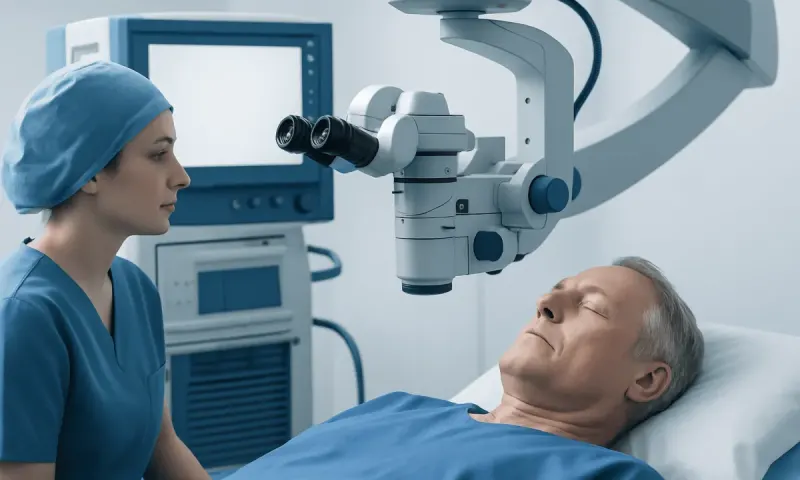
Am I a Candidate for Eyelid surgery blepharoplasty? Eligibility Criteria
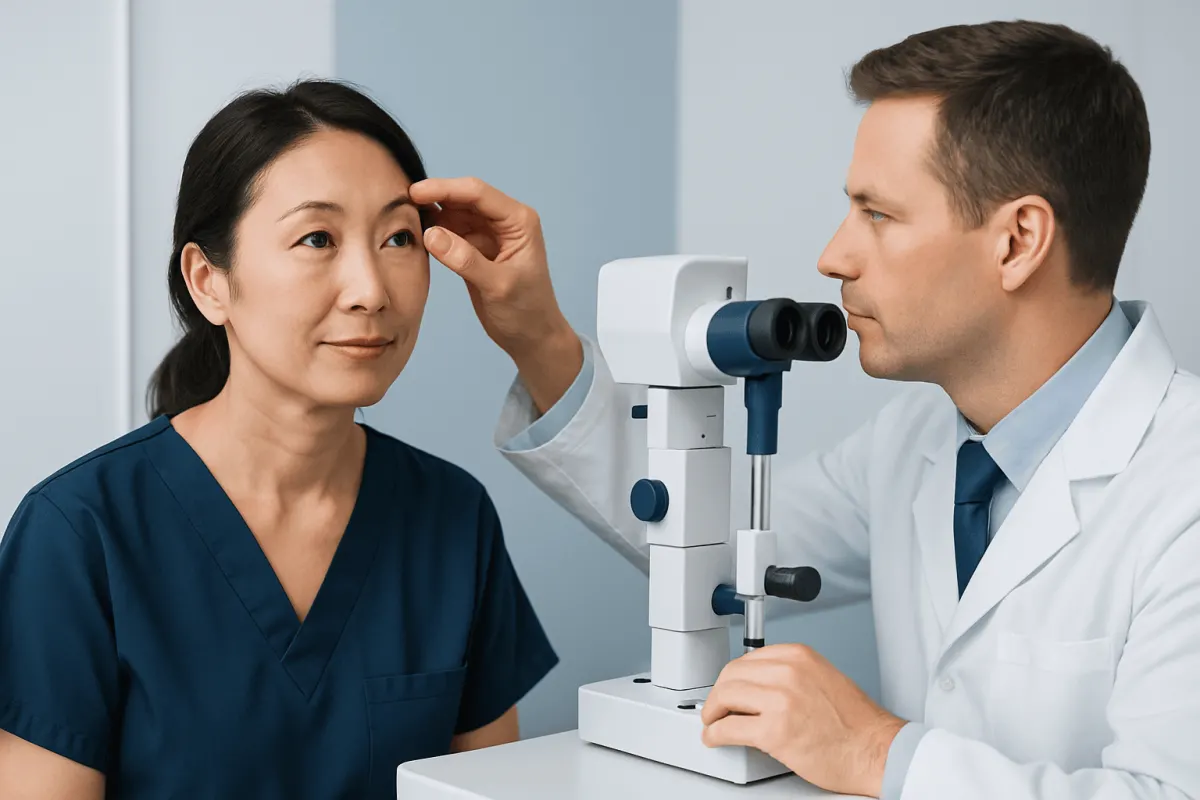
Am I a candidate for eyelid surgery blepharoplasty? A person may be a suitable candidate if excess upper-lid skin, lower-lid bags, or eyelid changes affect appearance or vision, and if their general and eye health support surgery. A specialist assessment is needed to confirm whether blepharoplasty is appropriate and to plan a safe, natural-looking result.
Overview: Who May Be a Candidate?
Am I a candidate for eyelid surgery blepharoplasty? Many adults may be eligible when loose upper-eyelid skin, puffiness, or under-eye bags are a concern, provided they are in stable general health and have a thorough eye assessment. The procedure can be performed for cosmetic reasons or, in some cases, when upper-lid skin obstructs part of the visual field.
Blepharoplasty is a surgical procedure that reshapes the eyelids by removing or repositioning carefully selected amounts of skin and fat. Upper and lower eyelids can be treated separately or together. It is not a treatment for every concern around the eyes: for example, eyebrow descent, significant facial volume loss, or certain eyelid-position problems may require a different or combined approach.
The most useful first step is a personalized consultation rather than self-selection based on age alone. A surgeon evaluates the eyes, eyelids, facial anatomy, medical history, and personal goals to determine whether eyelid surgery blepharoplasty is a suitable option.
Eligibility Criteria and Pre-Surgery Assessment
Suitable candidates are usually adults whose facial development is complete and who have a clear reason for seeking treatment. Common concerns include skin folding over the upper lashes, an upper lid that feels heavy, persistent lower-lid bags, or a tired appearance caused by age-related changes. Some people seek evaluation because upper-lid skin seems to interfere with reading, driving, or peripheral vision.
General health matters as much as eyelid appearance. A candidate should be able to undergo anesthesia or sedation safely, understand the recovery process, and have realistic expectations. Blepharoplasty can refresh the eye area, but it does not stop aging, erase all wrinkles, or necessarily change dark circles caused by pigmentation, shadows, or thin skin.
During assessment, the clinical team may review medical conditions, allergies, current medicines and supplements, smoking or nicotine use, previous facial or eye surgery, and history of scarring. They also assess visual acuity, tear production, eyelid closure, eyelid laxity, eyebrow position, and signs of dry eye. Photographs and, when visual obstruction is suspected, visual-field testing may support treatment planning.
- Healthy, stable adults with concerns that can be addressed surgically may be considered.
- People should be prepared to follow before-and-aftercare instructions and attend follow-up appointments.
- Those who smoke or use nicotine may be asked to stop before and after surgery because nicotine can impair healing.
- People with active eye infection, uncontrolled medical illness, or untreated eye-surface disease may need treatment or stabilization before surgery.
When Blepharoplasty May Not Be the Best Choice

Not every person with drooping or puffy eyelids benefits from blepharoplasty alone. A low eyebrow can push skin downward over the upper lid, while true eyelid ptosis involves weakness or stretching of the muscle that lifts the eyelid. In these situations, brow surgery or ptosis repair may be more appropriate, either alone or alongside eyelid surgery.
Certain eye and health conditions require special caution. These include significant dry eye disease, glaucoma, thyroid eye disease, bleeding disorders, poorly controlled diabetes or high blood pressure, autoimmune conditions affecting healing, and a history of eye surgery such as corneal procedures. These conditions do not always rule out surgery, but they may change the plan, timing, or expected risks.
People taking medicines that affect bleeding should not stop them on their own. The surgeon and prescribing clinician can advise whether any temporary adjustment is medically safe. Pregnancy, active illness, and acute eye inflammation are also reasons to postpone an elective procedure until it is safer to proceed.
How the Procedure Works: Step by Step
Blepharoplasty is individualized according to the eyelids being treated and the patient’s anatomy. It is commonly performed as an outpatient procedure under local anesthesia with sedation or, in selected cases, general anesthesia. The care team explains the planned anesthesia, expected duration, and arrangements for going home before the procedure.
For upper-eyelid surgery, the surgeon generally places an incision in the natural upper-lid crease, where the scar is designed to be discreet once healed. Excess skin may be removed, and small areas of fat may be adjusted when appropriate. The incision is then closed with fine sutures or another suitable closure method.
For lower-eyelid surgery, an incision may be made just beneath the lower lashes or inside the lower lid, depending on whether skin removal, fat repositioning, or fat removal is planned. Internal incisions can be useful when the main issue is under-eye fat without excess skin. The surgeon aims to preserve eyelid support and avoid removing more tissue than needed.
Before proceeding, patients should discuss their priorities and any concerns about dryness, asymmetry, contact lens use, or previous eye procedures. A pre-assessment form can help collect this information, but it does not replace an in-person consultation and examination.
Benefits, Limitations and Possible Risks
Potential benefits include a more open upper-eyelid contour, reduced skin folding, improvement in lower-lid puffiness, and a rested appearance. When excess upper-lid skin impairs the visual field, surgery may also improve functional vision. Results vary because eyelid anatomy, skin elasticity, healing, and the underlying cause of the concern differ from person to person.
Blepharoplasty does not treat all changes around the eyes. Fine lines at the outer corners, dark circles, hollowing beneath the eyes, brow descent, and facial volume changes may remain or require different treatments. A careful consultation helps establish whether the expected benefit is likely to match the person’s goals.
As with any surgery, risks include bleeding, infection, bruising, scarring, delayed healing, temporary numbness, asymmetry, and an unsatisfactory aesthetic result. Eye-specific risks can include temporary dry eye symptoms, irritation, sensitivity to light, blurred vision from swelling or ointment, difficulty closing the eyes, lower-lid retraction, or changes in eyelid position. Rarely, serious complications can affect vision and require urgent care.
Choosing an appropriately trained surgeon, sharing a complete medical history, and following aftercare instructions can reduce avoidable risk, although they cannot remove risk entirely. Patients should receive clear information about the benefits, alternatives, and possible complications before deciding on surgery.
Recovery Timeline and Self-Care
Recovery varies, but swelling, bruising, tightness, mild discomfort, and temporary blurred vision are common in the first days after blepharoplasty. Cold compresses, head elevation, prescribed or recommended eye care, and rest can help manage early symptoms. The care team provides individualized instructions on wound care, bathing, makeup, contact lenses, exercise, and medicines.
Sutures, if used, may be removed within about a week depending on the surgical technique. Many people feel comfortable returning to quiet daily activities within one to two weeks, although visible bruising and swelling can last longer. Strenuous activity, swimming, and heavy lifting are usually restricted for a period advised by the surgeon.
The eyelids continue to settle over several weeks, and subtle healing changes may continue for months. Protecting healing skin from sun exposure and avoiding smoking or nicotine supports recovery. Patients should attend scheduled follow-up visits so the team can monitor healing and address any concerns early.
Acıbadem Health Point’s multidisciplinary specialists and JCI-accredited hospitals assess and treat eyelid concerns for international patients, with care plans tailored to individual eye health and surgical needs.
When to Seek Medical Care
Contact the surgical team promptly if pain becomes severe or rapidly worsens, swelling increases suddenly on one side, bleeding does not stop with the instructed measures, or there is increasing redness, warmth, discharge, or fever. These symptoms may need assessment rather than waiting for a routine appointment.
Urgent medical care is needed for sudden loss or marked reduction of vision, severe eye pain, inability to open the eye, rapidly developing bulging of the eye, chest pain, shortness of breath, or symptoms of a severe allergic reaction. These are not expected recovery symptoms and should be evaluated without delay.
Before surgery, anyone with new vision changes, eye pain, persistent eye redness, severe dry-eye symptoms, or a noticeable change in eyelid position should seek an eye examination. Identifying and treating underlying eye conditions first helps ensure that elective eyelid surgery is considered at the right time.
Frequently asked questions
01What age is appropriate for blepharoplasty?
There is no single required age for eyelid surgery. It is most often considered by adults with age-related skin or fat changes, but some younger adults have inherited under-eye bags or excess upper-lid skin. Eligibility depends on anatomy, health, and goals rather than age alone.
02Can blepharoplasty improve vision?
Upper-eyelid blepharoplasty may improve peripheral vision when excess skin physically blocks part of the visual field. A specialist may use an examination and, where appropriate, visual-field testing to assess this. Surgery for cosmetic concerns does not automatically improve vision.
03Is dry eye a reason not to have eyelid surgery?
Dry eye does not always prevent surgery, but it requires careful assessment because eyelid surgery can temporarily worsen dryness or irritation. The eye surface may need treatment and stabilization before an operation is considered. The surgical plan may also need modification to protect eyelid closure and tear function.
04How long does it take to recover from blepharoplasty?
Most early swelling and bruising improve over the first one to two weeks, though healing varies. People often resume quieter activities during this period, based on their surgeon’s advice. Final settling of the eyelids can take several weeks to months.
05Will blepharoplasty remove dark circles?
Not necessarily. Dark circles can result from pigmentation, shadows, thin skin, hollowness, blood vessels, or lower-lid bags, and blepharoplasty mainly addresses selected skin and fat concerns. A consultation can identify the likely cause and whether surgery is likely to help.
06What should a person disclose at a blepharoplasty consultation?
They should share all medical conditions, eye symptoms, prior eye or facial procedures, allergies, medicines, supplements, and nicotine use. It is also important to mention contact lens use, history of dry eyes, easy bruising, and any expectations about the result. Complete information helps the clinician assess safety and choose an appropriate plan.
This article is for general information only and is not a substitute for professional medical advice. Please consult a qualified doctor about your individual situation.
Explore treatments in Turkey — costs, top hospitals & a free quote
JCI-accredited · board-certified surgeons · reply within 24h
Add us as a Preferred Source to see more of our trusted health content across Google Search, AI Overviews and Discover.