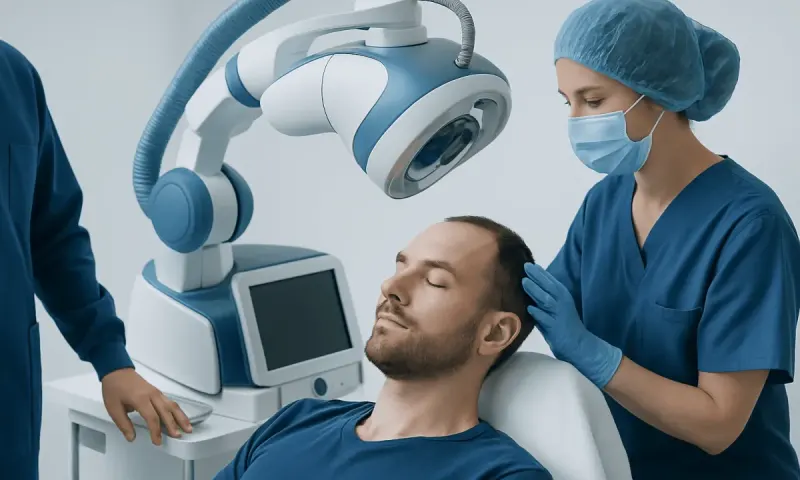
Does Hair Grafting Work for Pattern Hair Loss?
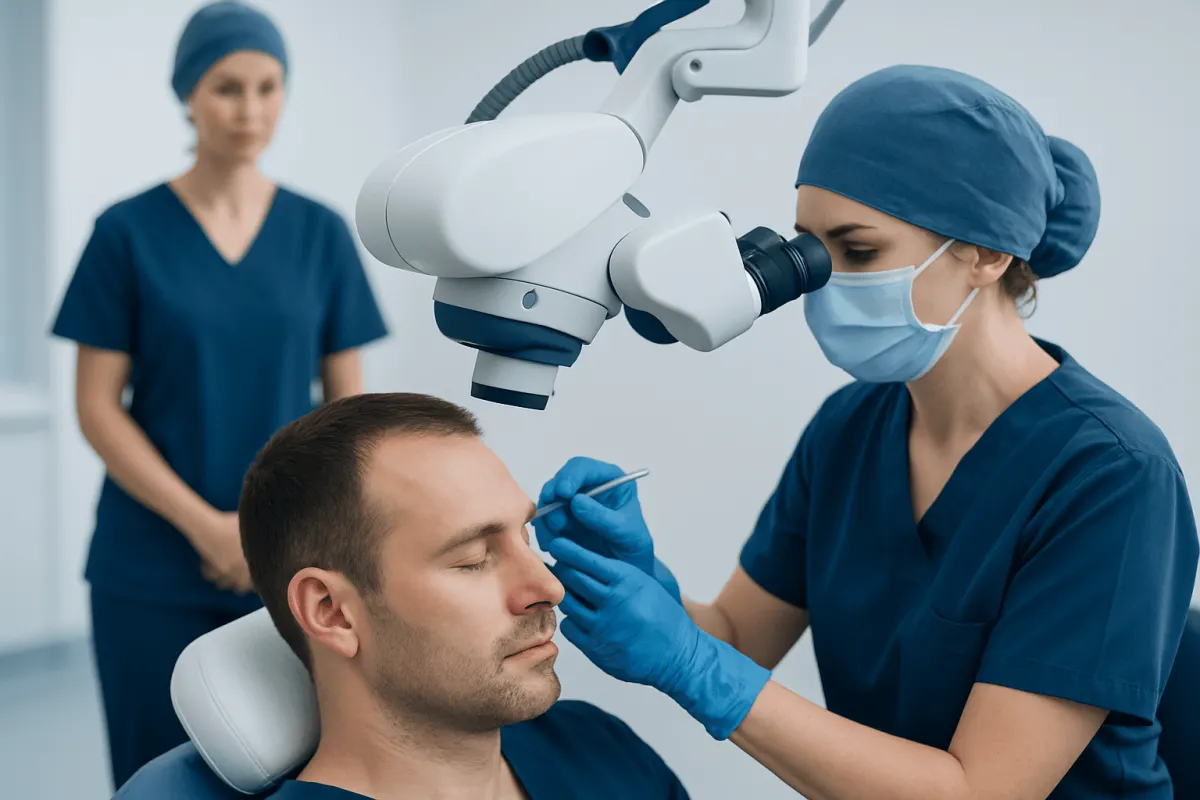
Hair grafting can work well for appropriately selected people with permanent pattern hair loss and a healthy donor area. It redistributes a person's own follicles rather than creating new ones, so diagnosis, surgical technique, and long-term hair-loss management all matter.
Does Hair Grafting Work?
Does hair grafting work? For many people with stable pattern hair loss, it can provide natural-looking and long-lasting coverage by moving healthy follicles from a donor area, usually the back or sides of the scalp, to thinner areas. The transplanted follicles continue their normal growth cycle after healing, but results depend on the cause of hair loss, donor-hair quality, surgical planning, and aftercare.
Hair grafting is another term commonly used for hair transplantation. Each graft contains one or more hair follicles, and the surgeon places these follicular units at carefully planned angles and densities to recreate a natural hairline or improve scalp coverage. The procedure redistributes existing hair; it does not create new follicles or cure the underlying tendency toward hair loss.
People asking whether do hair grafts work, does hair transplant work, or does hair restoration work should know that these terms can describe different approaches. Surgical transplantation uses a person’s own hair follicles, while medicines, scalp treatments, wigs, and hair systems have different purposes. If the term hair implants refers to artificial fibers, this is not the same as a conventional follicular-unit transplant and should be discussed carefully with a qualified clinician.
How Hair Grafting Works
Hair transplantation relies on the fact that follicles from certain scalp areas are often less sensitive to the hormonal effects involved in androgenetic alopecia, also called male- or female-pattern hair loss. A surgeon harvests follicles from this donor region and transplants them into small recipient sites in the thinning area. Once established, these follicles usually grow hair with characteristics similar to those at the donor site.
The two main harvesting methods are follicular unit extraction, often called FUE, and follicular unit transplantation, often called FUT or strip surgery. With FUE, individual follicular units are removed through small circular openings. With FUT, a narrow strip of donor scalp is removed and divided into grafts under magnification; the donor area is then closed, leaving a linear scar.
Neither technique is universally better. The most appropriate approach depends on hairstyle preferences, scalp flexibility, the amount and quality of donor hair, the size of the area needing coverage, and the person’s priorities regarding shaving, scars, and recovery. A consultation should include an explanation of the recommended method and the realistic density that can be achieved safely.
Candidacy and Hair Loss Patterns

Good candidates usually have a confirmed diagnosis of permanent hair loss, sufficient donor density, and expectations that match what their available donor hair can provide. A dermatologist or hair-restoration surgeon reviews the pattern and rate of shedding, family history, medications, medical conditions, scalp health, and previous procedures. Dermoscopy, blood tests, or occasionally a scalp biopsy may be useful when the diagnosis is uncertain.
Does hair transplant work for women? It can, particularly for women with stable female-pattern hair loss or localized thinning and a suitable donor area. However, diffuse thinning across the entire scalp may limit the usable donor supply. Identifying causes such as iron deficiency, thyroid disease, hormonal changes, traction, or medication effects is important before surgery is considered.
Does hair transplant work for alopecia? It depends on the form of alopecia. Transplants may be considered in selected people with stable scarring alopecia or pattern hair loss, but active alopecia areata and ongoing inflammatory scalp disease generally need medical control first. Transplanting into an unstable condition can lead to poor growth or further loss, so specialist assessment is essential.
What Happens During Hair Grafting?
Hair grafting is usually performed as an outpatient procedure using local anesthesia, sometimes with additional medication to help the person relax. The scalp is examined and the hairline or treatment zone is designed before harvesting begins. The surgeon’s plan should account for facial proportions, existing hair, likely future hair loss, and the need to preserve donor follicles for the future.
During the procedure, follicles are collected using FUE or FUT, then prepared and protected while recipient sites are made in the thinning area. The grafts are placed one by one according to the planned direction, angle, and spacing. Single-hair grafts are often used at the front of a hairline, while grafts containing more follicles can improve density farther back.
- Before surgery: diagnosis, donor assessment, photographs, and a treatment plan are completed.
- During surgery: donor follicles are harvested, recipient sites are created, and grafts are placed.
- After surgery: the scalp is protected while grafts settle and the donor area heals.
The length of the procedure varies with the number of grafts and the technique used. Some people need more than one session when the area of hair loss is extensive or when preserving a natural appearance over time requires staged treatment.
Recovery Timeline, Benefits, and Risks
Mild swelling, tenderness, tightness, redness, and small crusts are common in the first days after hair grafting. Patients receive individual instructions on washing, sleeping position, exercise, headwear, and when to return to work. Crusting often clears within around one to two weeks, while donor-area healing depends on the technique and the person’s skin and hair characteristics.
Transplanted hairs commonly shed in the weeks after surgery. This expected phase does not usually mean the follicles have been lost; the follicles remain under the skin and later enter a new growth cycle. Early new growth may be noticed after several months, with gradual thickening over the following months. Final visual maturation can take about 12 months or longer, especially in crown areas.
Benefits may include improved coverage, a more balanced hairline, and hair that can be washed, cut, and styled normally. Possible risks include bleeding, infection, prolonged redness, temporary numbness, scarring, folliculitis, uneven growth, temporary shedding of nearby native hair, and an unnatural-looking result if planning or placement is poor. A transplant cannot guarantee a specific density, and future native-hair loss may make ongoing treatment or a later procedure necessary.
How Long Does Hair Grafting Last?
Hair grafting is intended to be long-lasting because transplanted follicles usually retain many of the characteristics of the donor area. In people with androgenetic alopecia, donor follicles from the back and sides of the scalp are often more resistant to the process that causes pattern thinning. For this reason, successful transplanted hair can continue growing for many years.
However, long-lasting does not mean that every transplanted hair will grow indefinitely or that the overall appearance will never change. Some graft loss can occur, donor hair may thin with age, and untreated native hair around the transplant can continue to recede or become finer. This can change the contrast between transplanted and non-transplanted areas over time.
A conservative hairline design and a plan to protect existing hair are important parts of durable results. Depending on the diagnosis and personal medical history, a clinician may discuss topical minoxidil, prescription medicines, or other evidence-based options to help slow ongoing pattern hair loss. These treatments should be selected with a qualified doctor, particularly during pregnancy planning or when other medical conditions are present.
Does Anything Actually Work to Regrow Hair?
Whether hair can regrow depends on why it was lost. For pattern hair loss, approved and clinician-directed treatments can help some people maintain existing hair, reduce shedding, or achieve partial regrowth. Topical minoxidil is commonly used by adults with pattern hair loss, while some prescription medicines may be appropriate for selected patients after discussion of potential benefits, side effects, and reproductive considerations.
For alopecia areata, thyroid-related shedding, nutritional deficiencies, inflammatory scalp disorders, traction alopecia, and medication-related hair loss, treatment focuses on the underlying cause. Regrowth can occur when a reversible cause is identified and managed, but the approach differs substantially from treatment for androgenetic alopecia. This is why a diagnosis should come before purchasing supplements, devices, or procedural treatments.
Low-level light devices, platelet-rich plasma, and other interventions are sometimes offered for hair restoration, but their evidence and results can vary. Wigs, hair systems, fibers, and other forms of hair replacement can effectively improve appearance but do not biologically regrow hair. For international patients, Acıbadem Health Point’s multidisciplinary specialists at JCI-accredited hospitals can assess hair-loss causes and discuss appropriate medical or surgical treatment options.
Costs, Public Claims, and When to Seek Medical Care
How Much Do 3,000 Hair Grafts Cost in the USA?
There is no single reliable cost for 3,000 hair grafts in the United States. Total fees vary by city, surgical team, technique, donor-hair complexity, anesthesia arrangements, facility charges, and whether follow-up care is included. A written consultation estimate is more useful than a per-graft advertisement, and patients should ask what care, medications, and possible future sessions are included or excluded.
What Did Elon Musk Use to Regrow Hair?
There is no verified public medical information confirming exactly which treatment Elon Musk used for his hair. Changes in photographs cannot establish whether someone had a transplant, used medication, changed styling, or used another approach. Public figures’ appearances are not a reliable guide to treatment choice, and an individual assessment is safer than trying to copy an unconfirmed result.
When to Seek Medical Care
A person should seek medical advice for sudden or patchy hair loss, scalp pain, itching, scaling, redness, scarring, hair loss after starting a new medicine, or shedding accompanied by fatigue, weight change, or other symptoms. It is also sensible to arrange an assessment before any transplant when hair loss is rapidly progressing, the diagnosis is unclear, or a person is considering surgery. Prompt evaluation can identify treatable causes and help avoid an unnecessary procedure.
Frequently asked questions
01Does hair grafting work for male-pattern hair loss?
It can work well when the person has androgenetic alopecia, adequate donor hair, and a carefully planned procedure. Transplanted follicles can provide lasting growth, but native hair may continue thinning without ongoing management.
02How long does hair grafting last?
Transplanted donor follicles often continue growing for many years because they are usually more resistant to pattern hair loss. Results can still change as surrounding native hair thins or as donor hair changes with age.
03Does hair transplant work for women?
Hair transplantation can work for selected women with stable, diagnosed hair loss and a healthy donor area. Diffuse thinning may reduce donor availability, so evaluation by a dermatologist or experienced surgeon is particularly important.
04Does hair transplant work for alopecia?
It may be an option for selected stable forms of hair loss, including some cases of scarring alopecia. It is usually not a first treatment for active alopecia areata or ongoing inflammatory scalp disease.
05Does anything actually work to regrow hair?
Some medical treatments can help preserve hair or promote partial regrowth, but the right option depends on the cause of hair loss. A clinician can distinguish pattern loss from autoimmune, hormonal, nutritional, inflammatory, or medication-related causes.
06How much do 3,000 hair grafts cost in the USA?
Costs vary widely among clinics and depend on the technique, location, surgical complexity, and what care is included. A personal assessment and written treatment estimate provide the most meaningful cost information.
07What did Elon Musk use to regrow hair?
There is no confirmed public medical record stating which treatment he used. Photographs alone cannot determine whether a person had a transplant, used medication, or used cosmetic styling.
This article is for general information only and is not a substitute for professional medical advice. Please consult a qualified doctor about your individual situation.
Hair transplant in Turkey — costs, graft counts & a free assessment
JCI-accredited · board-certified surgeons · reply within 24h
Add us as a Preferred Source to see more of our trusted health content across Google Search, AI Overviews and Discover.