Hair Replacement for Women: Options for Hair Loss

Hair replacement for women includes non-surgical options such as wigs and integrated hair systems, as well as surgical hair transplantation for selected people with stable donor hair. The right approach depends on the cause, pattern and activity of hair loss, scalp health and personal goals.
What Is Hair Replacement for Women?
Hair replacement for women is a broad term for methods used to restore the appearance of fuller hair when thinning or hair loss affects the scalp. It can refer to non-surgical solutions, including wigs, toppers, extensions and custom hair systems, or to hair transplantation, a procedure that moves a person’s own healthy hair follicles from one area of the scalp to another.
The most suitable option depends on why hair loss has occurred. Some women have gradual widening of the part line associated with female-pattern hair loss, while others have shedding after illness, childbirth, stress or nutritional changes. Hair loss may also result from autoimmune conditions, scalp inflammation, traction from hairstyles, medications or medical treatment. Identifying the underlying cause helps protect remaining hair and ensures that replacement is considered at the right time.
For women who are candidates for surgery, hair transplantation is usually designed to improve density around a thinning part, hairline or localized scar rather than to create extremely dense coverage. Results are influenced by the quality and amount of donor hair, the pattern of loss and whether hair loss is stable. A careful consultation is therefore an essential part of planning.
Types of Hair Replacement and Who May Benefit
Non-surgical hair replacement can be helpful for many patterns of hair loss and may be particularly appropriate when shedding is temporary, hair loss is diffuse, donor hair is limited or a person does not want surgery. Options include ready-made or custom wigs, partial wigs known as toppers, clip-in or bonded extensions, and hair systems attached with clips, adhesives or other methods. A well-fitted option should feel comfortable, match the desired style and allow appropriate scalp hygiene.
Hair transplantation may be considered when thinning is stable and there is sufficient healthy hair in the donor area, commonly the back and sides of the scalp. It can be useful for selected women with female-pattern hair loss, a stable high hairline, localized thinning after injury or surgery, or certain areas of permanent hair loss after a specialist has assessed the scalp. People with widespread diffuse thinning, active inflammatory scalp disease or ongoing rapid shedding may need medical treatment and monitoring before surgery is considered.
Some women choose a combined approach. For example, a medical plan may aim to preserve existing hair, while a topper provides immediate cosmetic coverage during the months needed to assess response or recover after a transplant. The choice should reflect comfort, daily routine, hair-care preferences, budget considerations and realistic expectations.
- Wigs and toppers: provide immediate coverage and can be removed or professionally secured.
- Extensions: add length or volume but may not be appropriate with fragile hair or traction-related loss.
- Hair systems: are customized pieces designed to blend with existing hair and need regular maintenance.
- Hair transplantation: redistributes a person’s own follicles for long-term growth in treated areas.
Assessment Before a Hair Replacement Procedure

A dermatologist, hair-loss specialist or surgeon begins by reviewing the pattern and timing of hair loss, personal and family history, hairstyles, medications, recent illness, hormonal changes and nutrition. The scalp is examined for redness, scaling, scarring, broken hairs or signs of infection. Magnified scalp examination may help distinguish between different types of hair loss.
Depending on the history and examination, a clinician may recommend blood tests to look for contributing factors such as iron deficiency, thyroid disease or other medical conditions. In some cases, a small scalp biopsy is needed to clarify whether follicles are being permanently damaged by a scarring process. This matters because transplantation into an active scarring condition may not succeed and could worsen irritation.
For surgical planning, the clinician evaluates donor density, hair caliber, curl pattern, contrast between hair and scalp, and the extent of thinning. These factors affect how much visible coverage can safely be achieved. Discussions should include likely density, the possibility of future hair loss, the need for ongoing medical management and whether more than one procedure could be appropriate over time.
Medical treatment may be recommended before or alongside replacement, particularly for female-pattern hair loss. Treatment choices vary by diagnosis and personal medical history, so they should be discussed with a qualified clinician rather than started independently.
How Hair Transplantation for Women Is Performed
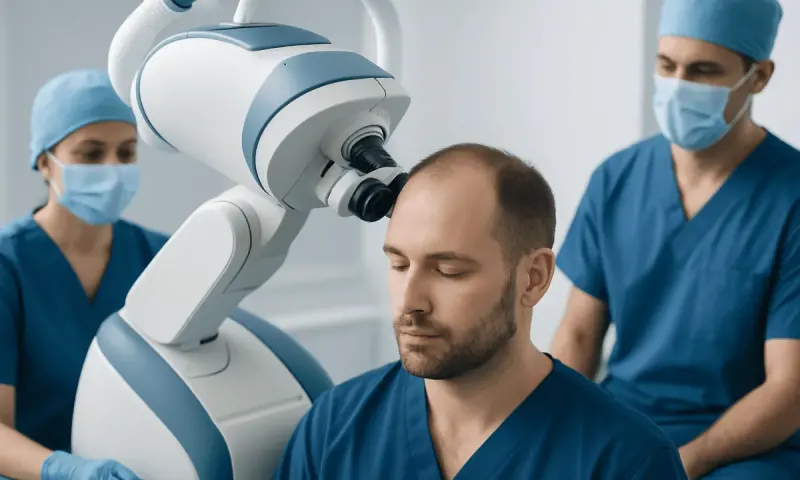
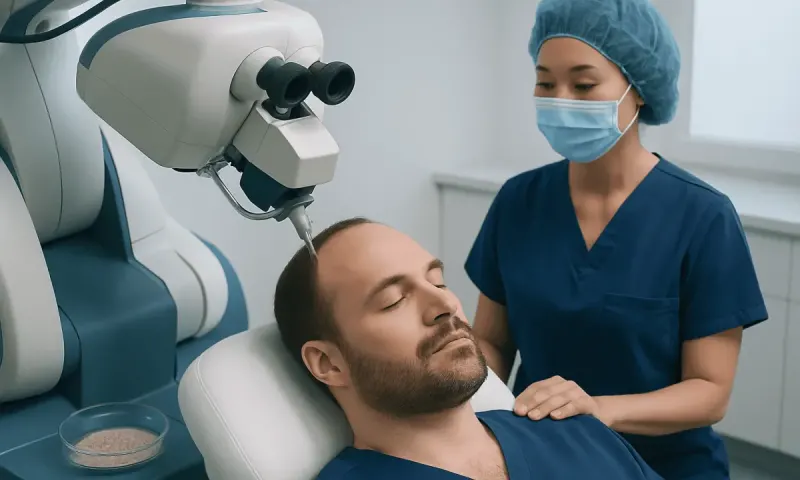
Hair transplantation is an outpatient procedure performed under local anesthesia, sometimes with additional medication to help the patient relax. The surgeon removes follicular units, which are naturally occurring groups of one or more hairs, from a donor area and places them into small recipient sites in areas of thinning. The technique and design are individualized to preserve a natural direction, angle and distribution of growth.
Two commonly used harvesting approaches are follicular unit extraction (FUE) and follicular unit transplantation (FUT), sometimes called strip harvesting. In FUE, individual follicular units are removed one by one. In FUT, a narrow strip of scalp is removed from the donor area and then divided into grafts. Both approaches can be appropriate in selected patients; the choice depends on donor characteristics, the amount of grafting needed, hairstyle preferences and the surgeon’s assessment.
Women often do not need complete shaving of the scalp. In some cases, the donor area can be trimmed in a way that is partly concealed by surrounding hair, although this is not possible for every plan. The procedure can take several hours, depending on the number of grafts and treatment areas. Patients usually go home the same day with written instructions for washing, activity and follow-up.
A hair transplant procedure should be planned conservatively, especially when future thinning is possible. Its goal is to create natural-looking improvement using limited donor resources, rather than promising complete restoration of previous density.
Recovery, Healing and Expected Results
After surgical hair replacement, mild tenderness, swelling, tightness, crusting and temporary numbness can occur in the donor or recipient areas. These effects are generally short-lived. Patients are usually advised to protect the grafts, avoid rubbing or scratching the scalp, follow the recommended washing routine and temporarily avoid strenuous exercise, swimming and activities that may cause sweating or trauma to the scalp.
Small crusts around transplanted follicles usually loosen as the scalp heals. The transplanted hairs commonly shed in the first weeks after the procedure. This is a normal phase called shock shedding and does not necessarily mean the follicles have failed. New growth begins gradually, often becoming more noticeable after several months, while the appearance continues to mature over the following months.
Hair transplants use living follicles, so transplanted hair can continue to grow once established. However, the surrounding native hair can still thin over time if the underlying condition progresses. Follow-up care may include medical treatment, gentle hair practices and periodic assessment of the scalp and donor area. Results vary between individuals and depend on diagnosis, graft survival, hair characteristics and ongoing hair loss.
Non-surgical hair systems have a different recovery profile because they do not involve surgery. They can give immediate coverage, but the wearer should learn safe attachment, removal, cleaning and scalp-care practices. Tight or poorly maintained attachments can irritate the scalp or increase tension on existing hair.
Risks, Limitations and Everyday Scalp Care
All procedures have potential risks. With hair transplantation, these can include bleeding, infection, prolonged swelling, temporary shedding of nearby hair, altered sensation, visible scarring, uneven growth or an outcome that does not meet expectations. Although serious complications are uncommon when procedures are appropriately planned and performed, patients should understand the limitations before deciding.
Hair replacement cannot reverse every cause of hair loss. Transplantation is generally not suitable for untreated active scalp inflammation or for people without adequate donor hair. Wigs, toppers and hair systems may be preferable when hair loss is widespread, unpredictable or temporary. A clinician can also advise whether medical treatment, camouflage products or counseling support may be useful.
Gentle scalp and hair care supports comfort and may reduce avoidable breakage. This includes avoiding repeatedly tight braids, ponytails, weaves or extensions; limiting harsh chemical processing and high heat; and choosing cleansing and styling routines that do not irritate the scalp. People should seek advice before using supplements or over-the-counter hair-loss products, particularly during pregnancy, breastfeeding or when taking prescription medicines.
Acıbadem Health Point’s multidisciplinary specialists and JCI-accredited hospitals evaluate hair and scalp concerns and provide individualized treatment planning for international patients.
When to Seek Medical Care
It is sensible to arrange a medical assessment for new, sudden or rapidly worsening hair loss before choosing a replacement solution. Early evaluation can identify treatable contributors and may help preserve existing hair. This is especially important when hair loss begins after starting a new medication, following a significant illness, or alongside menstrual, hormonal or thyroid-related symptoms.
Prompt medical advice is recommended if there are round bald patches, scalp pain, burning, itching, scaling, pus, sores or areas that appear shiny and scarred. These signs can suggest a scalp disorder that needs diagnosis and treatment. Women who are distressed by hair loss can also discuss its emotional impact with a clinician; support is an appropriate part of care.
Following hair transplantation, patients should contact their care team if they develop worsening pain, spreading redness, fever, persistent drainage, significant bleeding or any concern about healing. For a wig, topper or hair system, ongoing itching, rash or tenderness may indicate contact irritation, infection or excessive traction and should be assessed.
Frequently asked questions
01Is hair replacement for women the same as a hair transplant?
No. Hair replacement is a broad term that includes wigs, toppers, extensions, hair systems and surgical hair transplantation. A hair transplant is one option that moves a person’s own follicles from a donor area to a thinning area.
02Can women have a hair transplant without shaving their whole head?
In many cases, yes. The surgical team may trim only the donor area or work around existing hair, depending on the technique and treatment plan. The practical approach depends on hair length, donor area needs and the number of grafts planned.
03How long does it take to see hair transplant results?
Transplanted hairs often shed during the first weeks, which is expected. New growth generally develops gradually over several months, and the result continues to mature over the following months. Timing differs between individuals.
04Does transplanted hair fall out again?
The transplanted hair shafts often shed shortly after the procedure, while the follicles remain beneath the skin and can later produce new hair. Transplanted follicles are usually selected from areas more resistant to pattern hair loss, but untreated native hair around them may continue to thin.
05Are wigs and hair systems safe for thinning hair?
They can be safe when fitted properly and maintained with regular scalp care. Tight clips, heavy extensions, strong adhesives or prolonged traction can irritate the scalp or contribute to breakage. A qualified stylist or clinician can help select an option that minimizes tension.
06Should a woman see a doctor before using hair replacement?
Yes, especially when hair loss is new, patchy, rapid or associated with scalp symptoms. A clinician can identify potentially treatable causes and determine whether medical treatment, non-surgical coverage or hair transplantation is appropriate.
This article is for general information only and is not a substitute for professional medical advice. Please consult a qualified doctor about your individual situation.
Hair transplant in Turkey — costs, graft counts & a free assessment
JCI-accredited · board-certified surgeons · reply within 24h
Add us as a Preferred Source to see more of our trusted health content across Google Search, AI Overviews and Discover.