How Does Hair Replacement Work for Hair Loss?
Hair replacement can mean surgical hair transplantation, a removable or bonded hair system, or medical treatments that help preserve existing hair. The right approach depends on the cause and pattern of hair loss, the quality of donor hair, health factors, and personal goals.
Overview: How Does Hair Replacement Work?
Hair replacement works by either adding hair externally or restoring hair growth with a person’s own follicles. Surgical hair replacement, often called a hair transplant, relocates healthy follicles from an area with stable growth—usually the back or sides of the scalp—to areas affected by thinning. Those follicles retain many of their original growth characteristics after they are transplanted.
Non-surgical hair replacement uses a hair system, wig, topper, or integrated hairpiece to cover thinning areas. This does not regrow hair, but it can provide an immediate change in coverage. Medical hair restoration may also include treatments intended to slow further loss or support existing follicles, depending on the diagnosis.
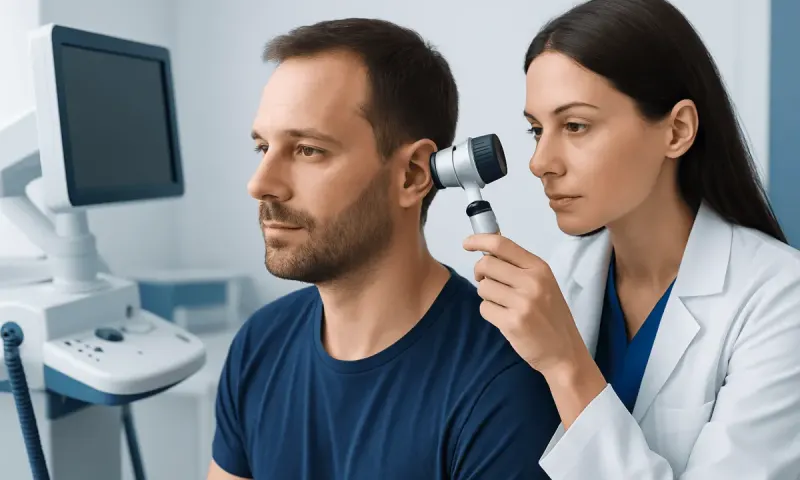
A good plan starts with understanding why hair is thinning. Common causes include hereditary pattern hair loss, temporary shedding after illness or stress, hormonal changes, nutritional deficiencies, medication effects, and inflammatory scalp conditions. A dermatologist or hair-restoration clinician can determine whether hair loss is likely to respond to medical care, a transplant, a hair system, or a combination of approaches.
How Does Hair Transplant Work?
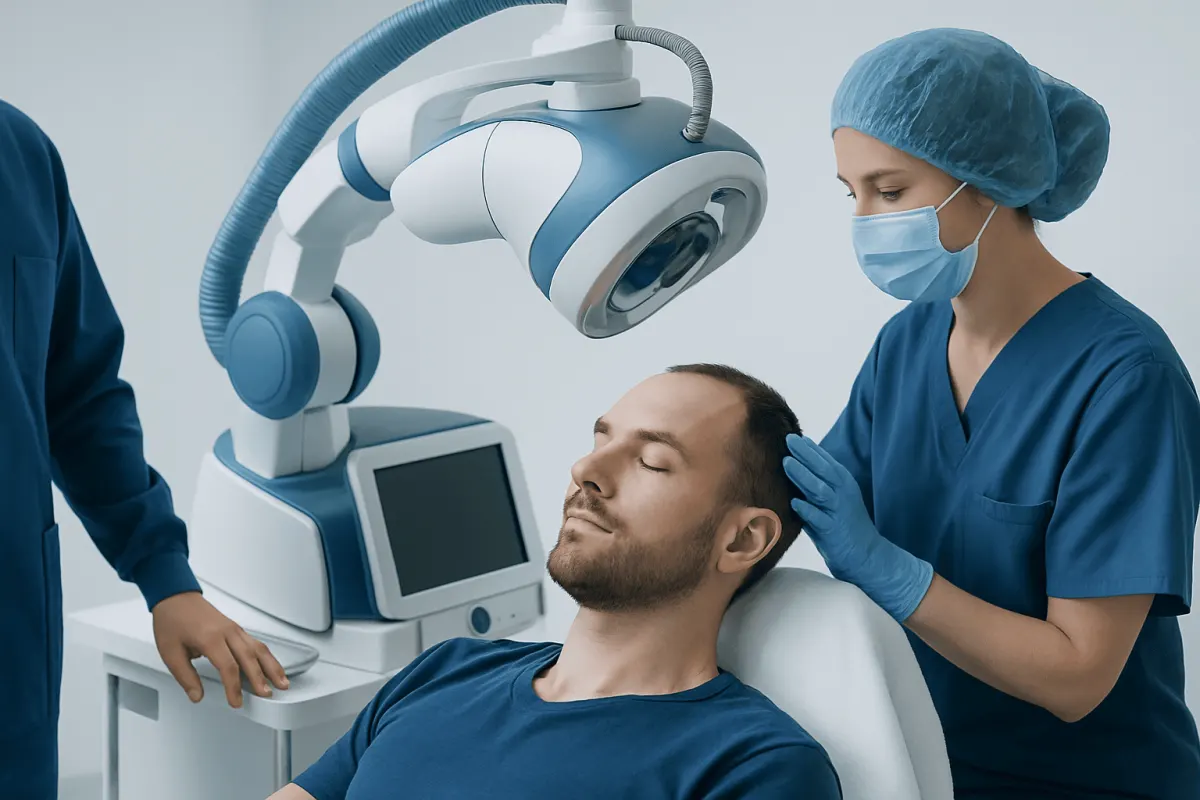
Hair transplantation is a procedure in which follicular units—naturally occurring groups of one or more hairs—are taken from a donor area and placed into tiny recipient sites in the thinning area. The donor area is commonly the back and sides of the scalp because follicles there are often less sensitive to the hormonal effects involved in hereditary pattern hair loss.
Two broad harvesting approaches are commonly used. Follicular unit extraction (FUE) removes individual follicular units, while follicular unit transplantation (FUT), sometimes called strip harvesting, removes a narrow strip of donor scalp that is then divided into grafts. Both can produce natural-looking results in appropriately selected patients; the most suitable technique depends on scalp characteristics, donor supply, hairstyle preferences, and the extent of hair loss.
During planning, the clinician considers the hairline, expected future loss, density goals, hair texture, and available donor hair. Grafts are placed at angles and directions designed to match natural growth. This is why a careful consultation is important: a transplant redistributes a limited supply of donor hair rather than creating new follicles.
After placement, transplanted hairs often shed within the first several weeks. The follicles remain beneath the skin and usually begin producing new hair over the following months. Hair transplant surgery should be performed by appropriately trained medical professionals in a regulated clinical setting.
How Does Hair Restoration Work for Women and Men?

How hair transplant work for men often depends on the pattern and stability of androgenetic alopecia, also called Treatment Options" class="ahp-ilk">male pattern hair loss. Men may seek restoration of a receding hairline, temples, mid-scalp, or crown. Because hair loss may continue over time, clinicians usually assess whether a conservative hairline and medical treatment plan may help preserve non-transplanted hair.
How does hair transplant work for women can be more complex because women often have diffuse thinning across the scalp rather than a clearly preserved donor area. A transplant may still be suitable for selected women with stable, localized loss and adequate donor density. However, a clinician should first evaluate for causes such as iron deficiency, thyroid disease, hormonal changes, traction, or inflammatory scalp disorders.
Medical hair restoration may be recommended before, alongside, or instead of surgery. Depending on the person’s diagnosis and health profile, this can include clinician-guided medicines, treatment of an underlying condition, and scalp-care measures. No single option is right for everyone, and pregnancy plans, medical history, and medication safety are especially relevant in individualized care.
Hair transplant outcomes are most predictable when hair loss is stable and the donor area is strong. People with active scarring alopecia, rapidly progressing diffuse shedding, or insufficient donor density may need other management first.
How Does a Hair System Work?
A hair system is a non-surgical hairpiece made from human hair, synthetic fibers, or a blend. It is fitted to the scalp or to existing hair and may be secured with clips, tape, adhesive, or a custom integration method. It can cover a small thinning area or provide more extensive coverage, and it does not require donor hair.
For people asking how does hair system work, the key difference is that it changes appearance rather than follicle growth. Results are immediate, but systems need routine washing, careful scalp hygiene, refitting, and eventual replacement as the base and hair fibers wear. Adhesives can irritate sensitive skin in some people, so patch testing and professional advice may be useful.
A hair system can be a practical option for people who are not candidates for transplantation, want a temporary change, or prefer not to undergo a procedure. It may also be used while medical evaluation or treatment is underway. A well-fitted system should feel comfortable and allow access to the scalp for cleansing and monitoring.
How Long Does Hair Replacement Last?
How long hair replacement lasts depends on what “replacement” means. A hair system is temporary: its lifespan varies with the materials, attachment method, daily activity, washing routine, and maintenance. It will require regular professional or at-home care and periodic replacement.
With a hair transplant, the transferred follicles are generally intended to be permanent because they are usually taken from genetically more resistant donor areas. However, permanence does not mean unchanged density forever. Natural aging, changes in hair caliber, and ongoing thinning of the person’s original, non-transplanted hair can alter the overall appearance over time.
Visible transplant growth is gradual. Initial shedding is expected, early regrowth may appear after several months, and maturation continues for up to a year or longer in some areas. Follow-up appointments help the clinical team monitor healing, growth, and the need to manage continued hair loss.
How Painful Is Hair Replacement?
How painful hair replacement feels varies by method and individual sensitivity. A hair system should not be painful when fitted properly, although tight clips, poorly placed attachments, adhesive irritation, or scalp inflammation can cause discomfort. Persistent tenderness, itching, redness, or sores should be assessed rather than ignored.
Hair transplantation is usually performed with local anesthesia, so the procedure itself is commonly associated with pressure, pulling, or brief discomfort during numbing injections rather than ongoing sharp pain. Afterward, the scalp may feel tender, tight, swollen, or itchy for several days. The care team provides instructions on cleansing, sleep position, activity, and suitable pain relief if needed.
Most postoperative discomfort improves as healing progresses. Patients should contact their clinical team promptly if they develop worsening pain, spreading redness, fever, pus-like drainage, significant bleeding, or swelling that does not follow the expected recovery pattern.
What Happens 10 Years After a Hair Transplant?
Ten years after a hair transplant, transplanted follicles may still be growing hair, provided the grafts healed and established successfully. Their appearance will be influenced by the original donor hair characteristics, the number of grafts available, aging, and how much untreated hair loss has progressed in other scalp areas.
The most important long-term issue is that a transplant does not stop hereditary hair loss in existing, non-transplanted follicles. Someone who had a transplant for early thinning may later notice further recession or reduced density behind the transplanted hairline. This can sometimes create an uneven appearance if the original plan did not account for future change.
For this reason, clinicians may recommend a long-term approach that includes monitoring and, when medically appropriate, treatments to help preserve native hair. Some people may consider a later procedure, but donor hair is limited and should be used thoughtfully. Long-term success is therefore about realistic planning as well as the procedure itself.
Is There a Downside to Hair Transplant?
There are potential downsides to hair transplant surgery, even though it can be an effective option for suitable candidates. It requires a healing period, involves scars in the donor area, and may temporarily make the scalp look red, crusted, or uneven. FUE typically leaves small dot-like scars, while FUT leaves a linear scar; visibility varies with skin, healing, and haircut length.
Possible complications include infection, bleeding, swelling, altered sensation, visible scarring, folliculitis, and poor graft growth. A temporary shedding phase may affect nearby native hair, particularly if it is already fragile. Results can also look unnatural if the hairline, density, or graft direction is poorly planned.
Online discussions, including searches for “how does hair transplant work reddit,” can offer personal perspectives but cannot establish whether a treatment is safe or appropriate for an individual. A qualified clinician can explain realistic results, limitations, alternatives, and possible risks based on the person’s scalp examination and medical history.
Acıbadem Health Point’s multidisciplinary specialists and JCI-accredited hospitals diagnose and treat hair-loss concerns for international patients, with care plans based on individual clinical assessment.
When to Seek Medical Care
A medical evaluation is advisable for sudden, patchy, painful, itchy, or rapidly worsening hair loss. It is also important to seek care when there is scalp scaling, redness, sores, scarring, or loss of eyebrows or body hair. These signs may point to a condition that needs diagnosis and treatment before cosmetic hair replacement is considered.
People should also speak with a clinician before using medicines or arranging a transplant if they are pregnant, breastfeeding, have a chronic health condition, take regular medicines, or have a history of poor wound healing. A consultation can identify reversible contributors and help prevent unsuitable procedures.
For stable hereditary thinning, an assessment can clarify whether non-surgical treatment, a hair system, or hair loss treatment is likely to be the best first step. Seeking advice early may provide more options for protecting existing hair.
Frequently asked questions
01How does hair replacement work?
Hair replacement may involve a surgical transplant, a non-surgical hair system, or medical treatments for hair loss. A transplant moves a person’s own follicles, while a hair system adds external hair for immediate coverage. The best choice depends on the cause of hair loss and the person’s goals.
02How does hair transplant work in Turkey?
The clinical steps are the same in Turkey as elsewhere: assessment, donor-hair planning, follicle harvesting, recipient-site creation, placement, and follow-up. Safety depends on choosing a licensed, appropriately regulated medical provider with qualified clinicians, clear aftercare arrangements, and transparent discussion of risks. International patients should also plan for travel, recovery time, and follow-up care after returning home.
03Can a hair transplant stop future hair loss?
No. A transplant relocates follicles but does not stop hereditary thinning in non-transplanted hair. A clinician may discuss medical options and long-term monitoring to help preserve the existing hair where appropriate.
04When will transplanted hair start growing?
The transplanted shafts often shed in the first weeks after surgery, which is usually expected. New growth commonly starts gradually over subsequent months, while fuller maturation may take around a year or sometimes longer. Growth timing varies between individuals and scalp regions.
05Is everyone with thinning hair a candidate for a transplant?
No. Suitability depends on the cause and stability of hair loss, donor density, scalp health, medical history, and expectations. Diffuse shedding, active inflammatory scalp disease, and limited donor hair may make another approach more appropriate.
06Can women have hair transplants?
Yes, selected women can benefit from hair transplantation, especially when loss is localized and the donor area is adequate. However, diffuse thinning is common in women, so assessment for hormonal, nutritional, thyroid, inflammatory, and other causes is important before surgery.
This article is for general information only and is not a substitute for professional medical advice. Please consult a qualified doctor about your individual situation.
Hair transplant in Turkey — costs, graft counts & a free assessment
JCI-accredited · board-certified surgeons · reply within 24h
Add us as a Preferred Source to see more of our trusted health content across Google Search, AI Overviews and Discover.