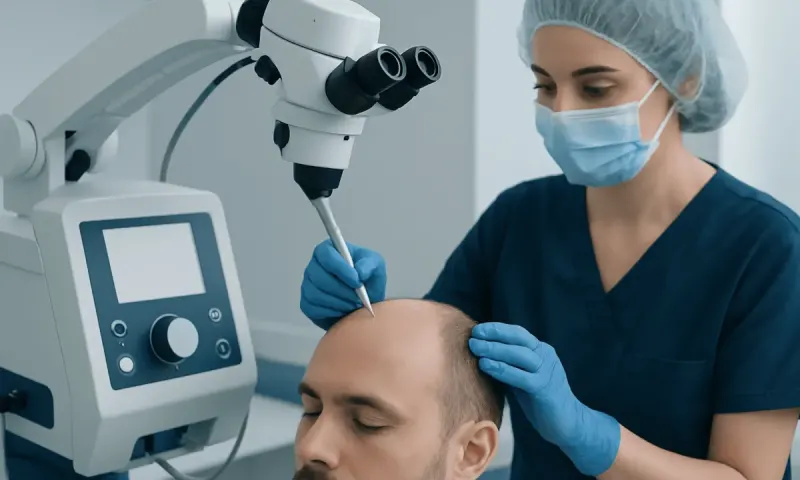
Do Hair Transplants Work? Success Rates and Limitations

Hair transplants can work well for carefully selected patients, especially those with pattern hair loss and a healthy donor area. However, success depends on the cause of hair loss, the surgical technique, the skill of the team, and realistic expectations about density, coverage, and maintenance.
Overview: Do Hair Transplants Work?
Hair transplantation is a well-established procedure used to restore hair in areas affected by thinning or baldness. In simple terms, it works by taking healthy hair follicles from one part of the scalp, usually the back or sides, and placing them into areas with hair loss. Because these follicles keep their genetic resistance to common pattern baldness, they can continue to grow after transplantation.
For many people, the answer to “do hair transplants work?” is yes. They can create a natural-looking hairline, improve scalp coverage, and provide long-lasting results. This is especially true when the hair loss pattern is stable, the donor area is strong, and the treatment plan is tailored to the person’s hair type, scalp health, and goals.
At the same time, a hair transplant has limits. It cannot create unlimited density, and it cannot stop all future hair loss in untreated areas. Results also vary from person to person. Understanding both the potential benefits and the realistic boundaries of surgery helps patients make informed decisions and avoid disappointment.
How Hair Transplants Work
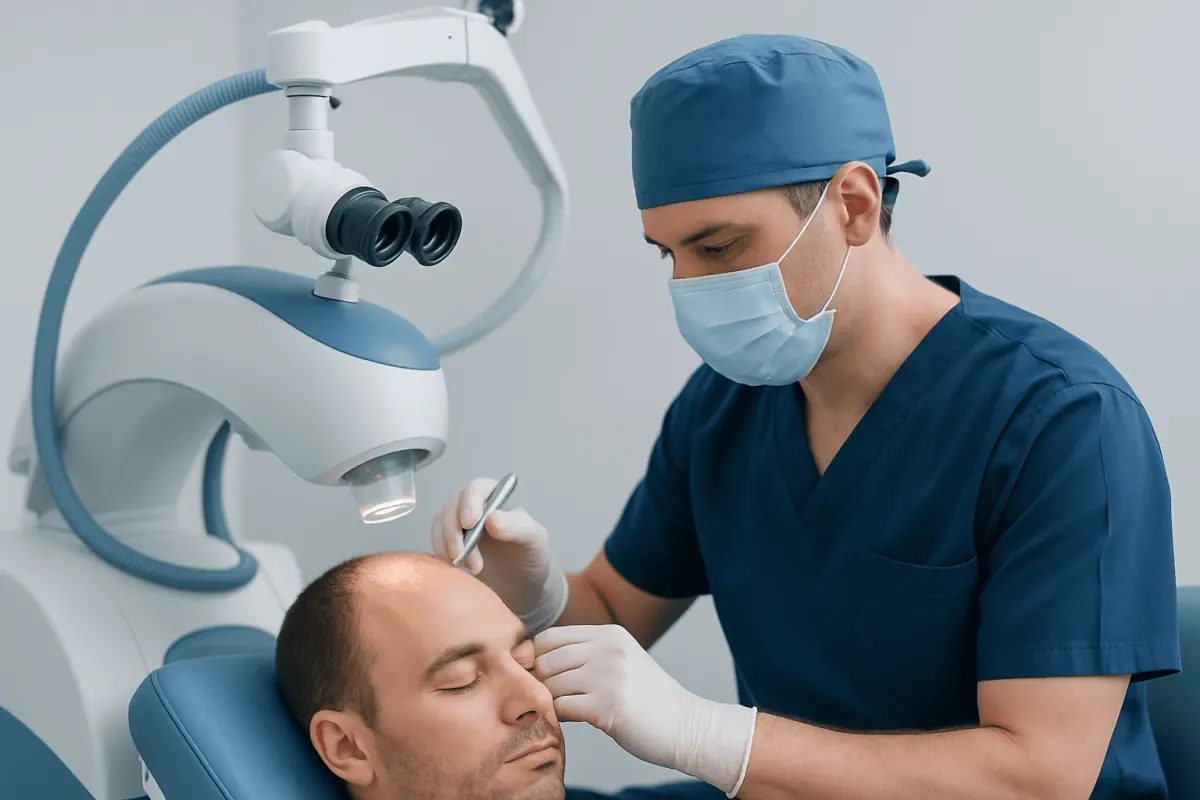
Hair transplants rely on donor dominance, meaning follicles taken from the back or sides of the scalp often keep growing even after they are moved. During the procedure, follicular units containing one to several hairs are carefully harvested and implanted into recipient sites designed to match the natural angle, direction, and pattern of hair growth.
The two most commonly discussed modern approaches are follicular unit extraction and direct implantation methods. Patients may hear about FUE hair transplant and DHI hair transplant as options used to place follicles with precision. The best technique depends on the treatment plan, the surgeon’s experience, the scalp characteristics, and the desired hairline design.
After surgery, the transplanted hairs often shed during the first few weeks. This is a normal part of the cycle. The follicles remain alive under the skin and begin producing new hair gradually. Early regrowth often becomes noticeable after several months, while the overall cosmetic result usually continues to improve through the first year.
Who Is Most Likely to Get Good Results?

The strongest candidates are usually people with androgenetic alopecia, also called male or female pattern hair loss. These individuals often have a predictable pattern of thinning and a stable donor area. A transplant can be particularly helpful when medications or other treatments have not provided enough cosmetic improvement, or when restoring the hairline is a main goal.
Good donor hair is one of the most important factors in hair transplant success rates. Doctors assess the amount of available donor hair, hair shaft thickness, curl, color contrast between hair and scalp, and the size of the area that needs coverage. Thick, wavy hair and a lower contrast between scalp and hair color can sometimes make coverage appear fuller.
People with other causes of hair loss need a more careful evaluation. Some scalp diseases and autoimmune conditions can reduce the chance of success or make surgery inappropriate until the condition is controlled. For example, a specialist may investigate alopecia areata or inflammatory scalp disorders before recommending transplantation. In women, patterns of thinning may differ, and a tailored plan such as hair transplant for women may be discussed when suitable.
- Best candidates often have stable pattern hair loss
- A healthy donor area is essential
- Scalp health should be assessed before surgery
- Realistic expectations about density and coverage are important
Success Rates and What “Success” Means
There is no single success rate that applies to every clinic, technique, or patient. In practice, “success” usually means that transplanted grafts survive, new hair grows in the treated area, the appearance looks natural, and the patient is satisfied with the improvement. Success is therefore both medical and cosmetic.
Graft survival can be high in experienced hands, but outcomes depend on many variables, including follicle handling, storage, implantation technique, blood supply in the recipient area, smoking status, and aftercare. Even when growth is good, a person may still need more than one session if the bald area is large or if greater density is desired. This is why surgeons often describe transplantation as a process rather than a one-time cosmetic fix.
It is also helpful to remember that a successful transplant does not necessarily mean a return to the exact hair density of youth. Instead, the goal is usually strategic coverage that frames the face naturally and uses the available donor hair wisely. Careful planning can create a convincing result, but it must respect the limited supply of donor follicles.
Limitations, Risks, and Reasons Results May Fall Short
Hair transplants have clear limitations. The most important is donor supply: a surgeon can only transplant the follicles that are safely available. If hair loss is advanced, it may not be possible to cover every area densely. In these cases, the treatment plan may focus on the frontal scalp and hairline, where restoration has the greatest visual impact.
Another limitation is ongoing hair loss. Transplanted hair may continue to grow, but the native hair around it can keep thinning over time. Without a long-term strategy, this can create an uneven look. Non-surgical support, such as medication or non-surgical hair restoration, may help selected patients maintain surrounding hair, depending on the cause of loss and medical advice.
Some people are poor candidates because of active scalp disease, widespread diffuse thinning, scarring conditions, or unrealistic expectations. Conditions such as seborrheic dermatitis may need treatment before surgery if the scalp is inflamed. Risks of the procedure can include swelling, temporary numbness, scabbing, infection, folliculitis, and an unnatural appearance if planning or technique is poor. Previous unsatisfactory work can sometimes be improved with hair transplant repair, but correction may be complex.
Diagnosis and Pre-Procedure Assessment
A proper consultation is essential before any decision about surgery. The doctor reviews the pattern and timeline of hair loss, family history, medical conditions, medications, and previous treatments. The scalp and donor area are examined closely to determine whether the type of hair loss is suitable for transplantation and whether enough donor follicles are available.
Diagnosis may include dermoscopic examination of the scalp and, in some cases, blood tests or other investigations if the history suggests a medical cause of hair shedding. This step is especially important when hair loss is sudden, patchy, associated with redness or scaling, or affects the whole scalp diffusely. Surgery should not replace the evaluation of an underlying medical problem.
Pre-procedure planning also covers hairline design, graft numbers, expected density, and future hair loss. A responsible plan considers not only how the person looks now but also how hair loss may progress later. This long-term approach helps preserve donor hair and can improve satisfaction over time.
Treatment Options, Recovery, and Long-Term Care
Treatment options may include surgery alone or surgery combined with medical therapy. Depending on the person’s needs, a clinician may discuss different procedural approaches, such as FUE-based methods, implantation techniques, or broader hair operations for restoration planning. For some patients, non-surgical options are tried first, while others may benefit from combining treatments to support existing hair.
Recovery after a hair transplant is usually manageable, but patience is important. Mild swelling, redness, and small crusts are common in the early days. Patients are generally advised to follow detailed washing, sleeping, activity, and sun-protection instructions. The transplanted hairs often shed before new growth begins, which can be worrying if it is unexpected, but this phase is common.
Long-term care may include medications or supportive therapies if recommended by the treating doctor. These treatments do not replace the transplant, but they may help maintain non-transplanted hair and improve the overall aesthetic balance. Regular follow-up allows the team to monitor healing, review progress, and decide whether any additional treatment is needed.
When to See a Doctor and Making an Informed Decision
A person should consider medical evaluation for hair loss that is rapid, patchy, associated with itching or pain, or accompanied by scalp redness, scale, or scarring. These features can suggest causes other than pattern baldness and may need medical treatment first. Even for typical gradual thinning, a specialist assessment can clarify whether a transplant is likely to help.
Choosing a qualified doctor is one of the best ways to improve the chance of a good outcome. Patients should look for careful diagnosis, honest discussion of limitations, clear information about expected density and timing, and a long-term plan that protects donor resources. Before-and-after photos can be helpful, but they should be interpreted cautiously because each case is different.
For international patients seeking evaluation and treatment, Acıbadem Health Point’s multidisciplinary specialists and JCI-accredited hospitals diagnose and treat hair loss conditions and perform hair restoration procedures with individualized planning. A consultation can help determine whether transplantation, medical therapy, or a combination approach is the most appropriate next step.
Frequently asked questions
01Are hair transplants permanent?
Transplanted follicles are usually long-lasting because they are taken from areas that are more resistant to pattern hair loss. However, the surrounding non-transplanted hair may continue to thin over time, so long-term planning and follow-up are important.
02How long does it take to see hair transplant results?
Most people do not see the final result right away. Early shedding is common, and visible regrowth usually begins after several months, with fuller results developing gradually over about 9 to 12 months.
03Can a hair transplant fail?
A transplant can produce disappointing results if graft survival is poor, the diagnosis is incorrect, the donor supply is limited, or the planning and technique are not appropriate. This is why proper candidate selection and experienced medical care matter so much.
04Do hair transplants work for women?
They can work for some women, especially when there is a stable pattern of thinning and a suitable donor area. Because women may have different causes and patterns of hair loss, specialist assessment is particularly important before surgery.
05Will a hair transplant look natural?
It can look very natural when the hairline design, graft placement, and density planning are done carefully. Natural results depend on the skill of the medical team, hair characteristics, and realistic expectations about what transplantation can achieve.
06Is one hair transplant session enough?
Some people achieve their goals with one session, but others need more than one. The number of sessions depends on the size of the bald area, the amount of donor hair available, and the desired level of coverage.
This article is for general information only and is not a substitute for professional medical advice. Please consult a qualified doctor about your individual situation.
Hair transplant in Turkey — costs, graft counts & a free assessment
JCI-accredited · board-certified surgeons · reply within 24h
Add us as a Preferred Source to see more of our trusted health content across Google Search, AI Overviews and Discover.