3C Curly Hair Transplants: Donor Hair Assessment

3c curly hair has tight, springy curls that can be more vulnerable to dryness, tangling and breakage, while also requiring special planning for hair transplantation. A successful approach begins with identifying whether apparent thinning is due to breakage, traction, inflammation, inherited hair loss or another treatable scalp condition.
Overview: 3c Curly Hair and Hair Restoration
3c curly hair typically forms dense, corkscrew-like curls with a noticeable curl pattern and considerable shrinkage. The strands may look full when healthy, yet the hair can be prone to dryness, tangles and breakage because natural scalp oils do not travel as easily along curved hair shafts. These features matter when someone is considering hair repair, managing thinning or exploring a hair transplant.
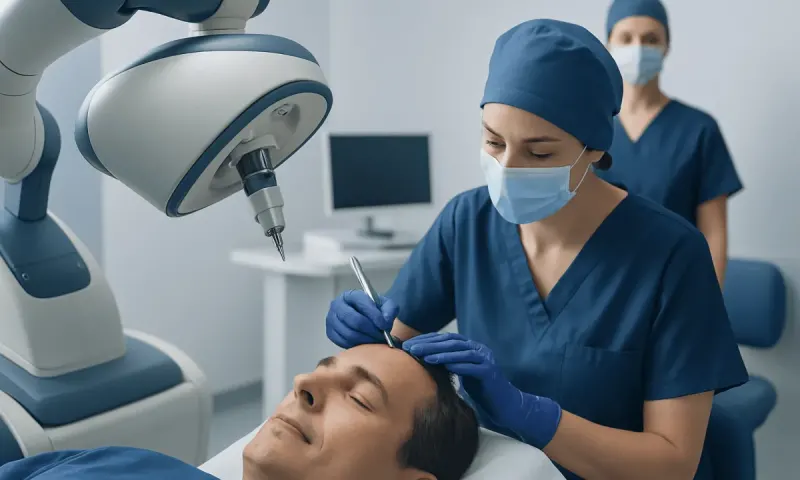
A hair transplant moves living follicles, usually from the back and sides of the scalp, to areas with stable hair loss. Curly follicles often curve beneath the skin as well as above it, so harvesting and implanting them requires careful technique to avoid damaging the grafts. A transplant does not repair damaged strands or stop every cause of hair loss; it is most appropriate after a clinician has established a diagnosis and confirmed that the donor area is adequate.
For many people, the best 3c hair plan combines scalp care, gentler styling, treatment of any medical cause of hair loss and realistic expectations about procedures. Hair restoration should preserve the natural curl pattern, hairline and density as far as possible while protecting the remaining native hair.
Why 3c Hair Can Look Thin or Become Damaged
Some common 3c hair problems are caused by damage along the hair shaft rather than permanent loss of follicles. Frequent heat styling, chemical processing, rough detangling, tight hairstyles and friction can lead to breakage. Because curly hair shrinks, uneven breakage can make the scalp seem more visible and can change the shape of the hairstyle even when follicles remain healthy.
Other patterns require medical evaluation. Traction alopecia may develop after prolonged tension from tight braids, extensions, ponytails, buns or similar styles. Early traction-related loss can improve when tension is removed, but longstanding inflammation and scarring may lead to permanent loss. Genetic pattern hair loss, autoimmune conditions such as alopecia areata, thyroid disorders, nutritional deficiencies and inflammatory scalp conditions can also contribute to shedding or thinning.
3c hair repair therefore starts with distinguishing shedding, breakage and follicle loss. A dermatologist may examine the scalp and hair shafts closely, review styling practices and health history, and sometimes arrange blood tests or a scalp biopsy. Early assessment is especially important if there is burning, pain, pustules, thick scale, shiny skin or expanding areas without visible follicle openings.
Hair Transplant Planning for 3c Curly Hair

Hair transplantation is usually considered for stable, permanent hair loss when the donor area contains enough healthy follicles. During consultation, the clinician evaluates scalp health, the pattern and likely progression of hair loss, donor density, hair caliber, curl characteristics and personal goals. People with active scarring alopecia or uncontrolled inflammation generally need the condition treated and stabilized before surgery is considered.
The two commonly used harvesting approaches are follicular unit extraction (FUE), in which individual follicular units are removed, and follicular unit transplantation (FUT), in which a narrow donor strip is removed and dissected into grafts. With tightly curled hair, the curved route of follicles beneath the scalp may make extraction technically more complex. The choice of technique should be individualized rather than based on curl type alone.
Grafts are placed into tiny recipient sites at angles and directions intended to complement the existing hair and curl pattern. A conservative, age-appropriate hairline and a plan for future hair loss are important. People researching procedural options can read about hair transplant treatment as part of an informed discussion with a qualified specialist.
Before-and-after photographs can be useful for understanding possible cosmetic changes, but 3c hair before and after results vary with donor supply, degree of hair loss, hair color contrast, curl behavior, styling and healing. Photographs should not be treated as a guarantee of an individual result.
Recovery Timeline and Early Appearance
After a hair transplant, the scalp is usually tender for several days. Local anesthetic is used during the procedure, so pain during surgery is generally limited, while recovery discomfort is often mild to moderate and can usually be managed with the clinician’s recommended medicines and aftercare instructions. Tightness in the donor area, mild swelling and sleep discomfort may occur temporarily.
How should a hair transplant look after 5 days? At this stage, small crusts or scabs around the implanted grafts, mild redness and some swelling can be expected. The transplanted area may look short, uneven or more conspicuous than it will later, and the donor area may also appear temporarily red or closely shaved. Patients should not pick scabs, rub the grafts or resume vigorous washing unless their surgical team has advised that it is safe.
Many transplanted hairs shed within several weeks; this is a common part of the cycle and does not necessarily mean the follicles have failed. New growth often begins gradually after several months, with the appearance continuing to mature over the following months. The exact timeline differs among individuals, and curl formation may not be immediately apparent while new hairs are short.
Protecting newly implanted follicles is essential. Patients should follow instructions on sleeping position, washing, exercise, sun exposure, headwear, smoking and when to return to hair products. A clinician can also advise when detangling, conditioning and low-tension styling can safely resume.
Long-Term Results, 3c Hair Retention and Maintenance
What happens 20 years after a hair transplant? Transplanted follicles from a stable donor zone often retain much of their resistance to pattern hair loss over the long term. However, this does not stop aging or ongoing thinning of non-transplanted hair. A person may have a natural-looking result many years later, but some may experience changes in surrounding hair density and may need medical treatment, styling adjustments or, in selected cases, further restoration planning.
Long-term 3c hair retention depends on preserving both transplanted and native hair. A clinician may discuss evidence-based treatments for pattern hair loss where appropriate, while also addressing scalp inflammation and avoiding traction. Not all hair-loss medicines are suitable for every person, including those who are pregnant, breastfeeding or have certain medical conditions, so individualized medical advice is important.
A practical 3c hair regimen usually emphasizes regular gentle cleansing, conditioner or moisturizing products that suit the scalp, careful detangling with minimal force, heat protection and low-tension styles. It is sensible to avoid repeated tight styling and unnecessary chemical processing, particularly during recovery from a procedure. Products can reduce dryness and breakage, but they cannot revive follicles that are no longer producing hair.
What did Elon Musk use to regrow hair? Public images and media reports have led to speculation about hair-restoration procedures, including a possible hair transplant, but his personal medical treatment has not been reliably confirmed in a way that supports a medical conclusion. It is safer to focus on an individual assessment rather than copying a public figure’s presumed approach.
Prevention and Self-Care for 3c Hair
Healthy hair practices can reduce breakage and help identify changes early. Shampooing often enough to keep the scalp comfortable and free of buildup, conditioning the lengths, detangling patiently and protecting hair from excessive heat are reasonable foundations. The best frequency and products vary with scalp oiliness, styling routine and any dermatologic condition.
To reduce traction, hairstyles should not cause pain, headaches, bumps or persistent pulling. Looser styles, breaks from extensions and avoiding heavy additions can help protect the hairline and crown. If a style feels painful, it is too tight. Satin or silk-like sleep surfaces and gentle handling may reduce friction-related tangling, though they do not treat medical hair loss.
A balanced diet supports general health, but supplements should not be assumed to treat thinning. Taking high-dose vitamins or minerals without evidence of a deficiency can be unhelpful and sometimes harmful. A healthcare professional can investigate suspected iron deficiency, thyroid disease or other relevant causes based on symptoms and clinical findings.
When to Seek Medical Care
Medical advice is recommended for sudden or patchy hair loss, ongoing shedding, a widening part, receding hairline, painful bumps, pus, bleeding, severe itching or thick scale. Prompt assessment is also important when the scalp becomes smooth or shiny, as this can indicate scarring processes in which early treatment may help preserve remaining follicles.
Anyone considering transplantation should first have an assessment by a dermatologist or experienced hair-restoration clinician. They can determine whether hair loss is stable, whether 3c hair concerns are mainly breakage or follicle loss, and whether non-surgical treatment should come before a procedure. Acıbadem Health Point’s multidisciplinary specialists and JCI-accredited hospitals can assess and treat hair and scalp concerns for international patients.
Urgent medical assessment is appropriate if scalp swelling is rapidly worsening, there are signs of infection after a procedure, or there is an allergic reaction to a product or medicine. After surgery, the operating team should be contacted promptly for increasing pain, fever, spreading redness, drainage or other concerns about healing.
Frequently asked questions
01Can people with 3c curly hair have a hair transplant?
Yes, some people with 3c curly hair are suitable candidates for hair transplantation. Suitability depends on the cause and stability of hair loss, the health of the scalp and the quality and amount of donor hair. Curved follicles can make the procedure technically demanding, so assessment by an experienced team is important.
02How painful is hair transplant recovery?
Recovery is commonly described as uncomfortable rather than severely painful, although experiences vary. Tenderness, tightness, mild swelling and sleep disturbance can occur during the first days. The surgical team can recommend appropriate pain relief and explain which symptoms are expected or require review.
03How should a hair transplant look after 5 days?
At five days, mild redness, small scabs around grafts and temporary swelling may be normal. The hair will not yet resemble the eventual result, and it may look patchy or very short. Patients should avoid picking or rubbing the area and should follow their surgeon's washing instructions carefully.
04What happens 20 years after a hair transplant?
Transplanted donor follicles may continue growing for many years, but the surrounding non-transplanted hair can still thin with age or inherited hair loss. The final long-term appearance depends on the original donor supply, the design of the transplant and whether hair loss progresses. Ongoing follow-up and medical management may help protect remaining native hair when appropriate.
05What did Elon Musk use to regrow hair?
There is no verified public medical record confirming which treatment Elon Musk used. Observers have speculated about hair transplantation based on changes in photographs, but speculation cannot establish a diagnosis or treatment history. A person's own hair-loss treatment should be based on a clinical evaluation, not celebrity comparisons.
06Can a 3c hair regimen reverse thinning?
A gentle regimen can reduce breakage, dryness and traction-related stress, which may improve the appearance and retention of existing hair. However, it cannot reverse every cause of thinning, particularly scarring hair loss or advanced genetic pattern hair loss. Persistent changes in density or scalp symptoms should be assessed by a qualified clinician.
This article is for general information only and is not a substitute for professional medical advice. Please consult a qualified doctor about your individual situation.
Hair transplant in Turkey — costs, graft counts & a free assessment
JCI-accredited · board-certified surgeons · reply within 24h
Add us as a Preferred Source to see more of our trusted health content across Google Search, AI Overviews and Discover.