Does a Hair Transplant Hurt During Surgery?
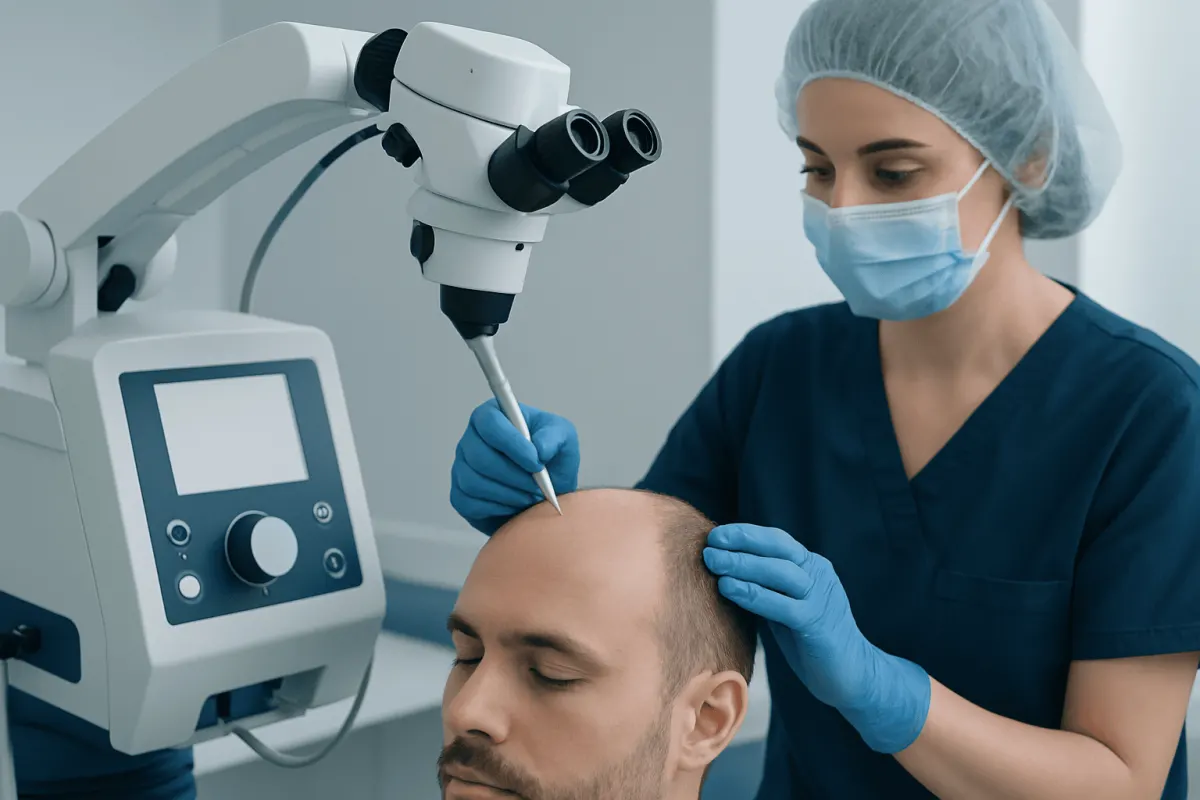
A hair transplant is usually not painful during the procedure because the scalp is numbed with local anesthesia. The injections may sting briefly, and mild soreness, swelling, or tightness can occur during the first days of recovery.
Does Hair Transplant Hurt? A Clear Overview
Does hair transplant hurt? Most people feel little or no pain once local anesthesia has fully numbed the scalp. The brief injections used to numb the donor and recipient areas can sting, and some pressure, vibration, or pulling may be noticeable during the procedure.
After the anesthetic wears off, the scalp may feel tender, tight, itchy, or mildly swollen. This is usually most noticeable during the first few days and tends to improve steadily with appropriate aftercare. The level of discomfort differs between individuals and can be influenced by the technique used, the number of grafts, scalp sensitivity, anxiety, and how closely aftercare instructions are followed.
Hair transplantation is generally an outpatient procedure. It is performed to move healthy hair follicles from a donor area, usually the back or sides of the scalp, to areas affected by thinning or baldness. A qualified hair-restoration clinician can explain what sensations are likely at each stage and plan suitable comfort measures.
How Hair Transplantation Works and Who May Be a Candidate
A hair transplant does not create new follicles. Instead, it redistributes follicles from an area with stable hair growth to an area with reduced density. In follicular unit extraction (FUE), individual follicular units are removed through small circular openings. In follicular unit transplantation (FUT), also called strip surgery, a narrow strip of donor scalp is removed and divided into grafts.
Suitable candidates commonly have pattern hair loss, adequate donor-hair density, good general health, and realistic expectations. Hair loss should be assessed carefully because some causes, including certain inflammatory scalp conditions, nutritional problems, medication effects, or temporary shedding, may need medical treatment rather than surgery.
Age alone does not determine candidacy. However, a clinician may recommend waiting when hair loss is rapidly progressing or when the likely future pattern is unclear. Planning must preserve enough donor hair for a natural-looking result now and possible future treatment if native hair continues to thin.
Step by Step: What Happens During a Hair Transplant
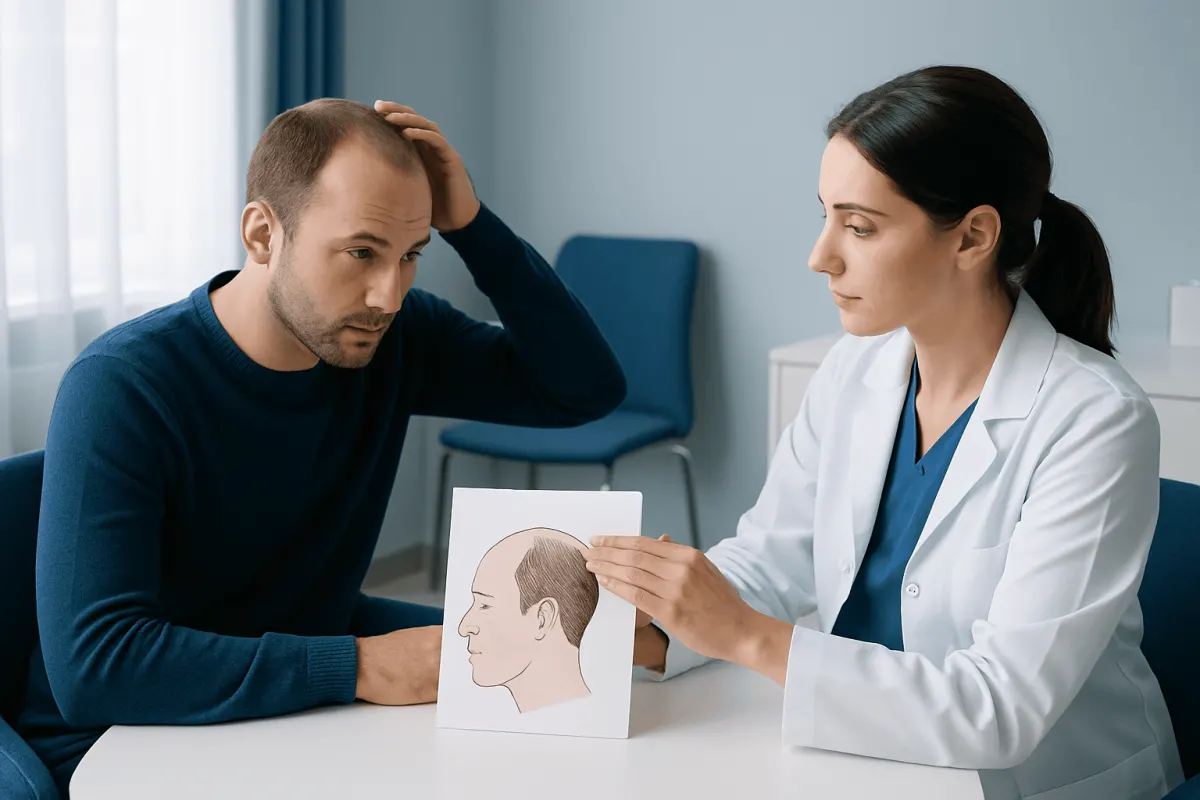
The process begins with an assessment of hair loss, donor density, scalp health, medical history, and desired hairline. The clinician and patient discuss the expected coverage, graft requirements, technique, and the possibility that medical treatment may help protect existing hair. Photographs and a hairline plan are commonly used to support careful planning.
On the procedure day, the scalp is cleaned and, depending on the plan, the donor area may be trimmed. Local anesthetic is injected into the scalp. These injections are often described as short pinches or stings, but numbness follows quickly. Some centers may offer additional options to help an appropriate patient relax, although the person is usually awake.
During FUE, grafts are removed one by one and stored carefully before placement. During FUT, the donor strip is removed and the area is closed, then the strip is prepared into grafts. Tiny openings are made in the thinning area so grafts can be placed at angles and directions intended to match natural growth.
The procedure length depends on the number of grafts and the technique. A larger session may take much of a day or be divided into stages. When anesthesia begins to wear off, the care team provides instructions for protecting the grafts, sleeping comfortably, washing the scalp, and managing expected discomfort.
How Bad Is the Pain After a Hair Transplant?
Hair transplant pain after surgery is usually mild to moderate rather than severe. The donor area may feel sore or tight, and the recipient area may feel sensitive, itchy, or swollen. Many people find that discomfort is most noticeable on the first night and during the next few days, then becomes less prominent.
FUT can cause more tightness or tenderness in the donor area because it involves a linear incision and stitches or staples. FUE leaves many small donor sites and may cause a more diffuse tender sensation. Neither technique is pain-free, and the better choice depends on the person’s hair characteristics, donor supply, hairstyle preferences, and clinical goals.
Clinicians may recommend simple pain-relief measures or medication when appropriate, along with cool compresses applied only as directed and careful sleeping positions. Scratching, rubbing, heavy exercise, alcohol, smoking, and unapproved scalp products can interfere with healing. Anyone asking whether a hair transplant hurts after surgery should expect temporary tenderness, but not worsening or uncontrolled pain.
Recovery Timeline, Benefits, and Risks
In the first few days, small scabs around grafts, mild swelling, and tenderness are common. The scalp is usually washed according to the surgical team’s instructions, often with gentle techniques that avoid dislodging grafts. Crusting generally settles within about one to two weeks, while any donor-area soreness usually improves earlier.
Transplanted hairs often shed in the weeks after the procedure. This temporary shedding can be concerning but does not necessarily mean the follicles have failed; the follicles typically enter a resting phase before new growth begins. Early growth may appear after several months, while density and maturation develop gradually over many months. Final timing varies according to the person, hair characteristics, and number of grafts.
Potential benefits include improved coverage and a hairline designed to suit the person’s facial features and future hair-loss pattern. Possible risks include bleeding, infection, swelling, prolonged numbness, folliculitis, visible scarring, poor graft growth, an unnatural hairline, and temporary shock loss of existing hair. Careful selection, experienced surgical planning, and following aftercare guidance can help reduce avoidable risks, but no procedure can guarantee a particular density or cosmetic result.
Will I Regret a Hair Transplant?
Whether someone will regret a hair transplant depends less on short-term discomfort and more on whether the decision, expectations, and plan were appropriate. A person is less likely to be satisfied if the procedure is chosen during rapidly progressing hair loss, if the hairline is designed too low, or if the available donor supply cannot support the desired coverage.
Good consultation should include discussion of what a transplant can and cannot achieve. It is important to understand that the procedure moves limited donor follicles and does not prevent continued thinning in non-transplanted hair. Some people may benefit from medical management of hair loss before or after surgery, where clinically suitable.
Online personal accounts, including searches such as does hair transplant hurt reddit, can reveal common concerns but cannot predict an individual outcome. A balanced decision is based on a medical assessment, clear information about scarring and recovery, a conservative long-term hairline plan, and enough time to consider alternatives without pressure.
What Happens 10 Years After a Hair Transplant?
Ten years after a hair transplant, successfully transplanted follicles may continue to grow because donor hair is often more resistant to the hormonal effects associated with pattern hair loss. However, results differ between individuals, and transplanted hair can still become finer with aging or be affected by some medical and scalp conditions.
The greater long-term issue is often the native, non-transplanted hair around the grafts. It may continue to thin over time, which can change the overall appearance and make a prior hairline or dense transplanted area look less balanced. Medical treatment, monitoring, or a carefully planned additional procedure may be considered in some cases.
For this reason, long-term planning matters from the first consultation. A natural, age-appropriate hairline and responsible use of donor hair help preserve options. Patients should continue routine medical care and seek reassessment if they notice new patchy loss, scalp inflammation, or a rapid change in shedding.
How Much Do 5000 Hair Grafts Cost in the US?
There is no single reliable price for 5000 hair grafts in the US. A 5000-graft session is generally considered a large procedure, and the total cost can vary substantially according to the surgical technique, clinic location, clinician expertise, staffing, anesthesia arrangements, whether treatment is performed in one or more sessions, and what follow-up care is included. A written, individualized estimate is more useful than a headline price.
When comparing plans, patients should ask what the quote includes, who will perform each step, whether the graft number is clinically appropriate, and what follow-up support is provided. The lowest estimate may not reflect the quality of surgical planning, donor-hair protection, or aftercare. Decisions should be based on medical suitability and transparent information rather than graft count alone.
When to Seek Medical Care
Patients should contact their surgical team promptly for worsening pain, increasing redness or warmth, pus-like drainage, fever, marked swelling, persistent bleeding, or an allergic-type reaction to a prescribed product. Urgent assessment is also appropriate for severe headache, breathing difficulty, chest pain, or symptoms that feel sudden or concerning. Acıbadem Health Point’s multidisciplinary specialists and JCI-accredited hospitals evaluate hair-loss concerns and provide treatment planning for international patients.
Frequently asked questions
01Are patients awake during a hair transplant?
Most hair transplants are performed with the patient awake under local anesthesia. The scalp is numbed, so pain should be minimal during graft removal and placement, although pressure or movement may still be felt.
02Does FUE or FUT hurt more?
Both procedures involve numbing injections and temporary soreness afterward. FUT may cause more tightness at the donor site because of its linear incision, while FUE can cause tenderness across many small extraction sites.
03Does a hair transplant hurt more than a tattoo?
There is no reliable universal comparison because pain tolerance, tattoo location, procedure length, and anxiety vary widely. A hair transplant involves numbing injections, after which most of the procedure should be comfortable, unlike a tattoo that is usually performed without complete local scalp anesthesia.
04Does a hair transplant hurt in Turkey?
Pain is determined by the procedure, anesthesia, individual sensitivity, and quality of clinical care rather than the country where surgery takes place. Patients considering treatment abroad should confirm the surgeon's qualifications, clinic standards, aftercare plan, and arrangements for medical support after travel.
05How long does tenderness last after a hair transplant?
Tenderness often improves within several days, though tightness or sensitivity can last longer in some patients, particularly after FUT. Itching and numbness may also occur during healing and should be discussed with the surgical team if persistent or worsening.
06Can pain be managed after a hair transplant?
Yes. The surgical team may recommend suitable pain-relief medication and practical measures such as careful sleeping positions and gentle scalp care. Patients should only use medicines and topical products approved by their clinician, since some products may increase bleeding risk or irritate healing skin.
This article is for general information only and is not a substitute for professional medical advice. Please consult a qualified doctor about your individual situation.
Hair transplant in Turkey — costs, graft counts & a free assessment
JCI-accredited · board-certified surgeons · reply within 24h
Add us as a Preferred Source to see more of our trusted health content across Google Search, AI Overviews and Discover.