Neograft Hair Transplant: Procedure and Recovery
A Neograft hair transplant is an automated form of follicular unit extraction (FUE) that removes individual hair follicle units from a donor area and places them in areas of thinning or hair loss. It is a minimally invasive procedure, but results develop gradually and depend on the cause of hair loss, donor-hair quality, surgical planning, and aftercare.
Overview: What Is a Neograft Hair Transplant?
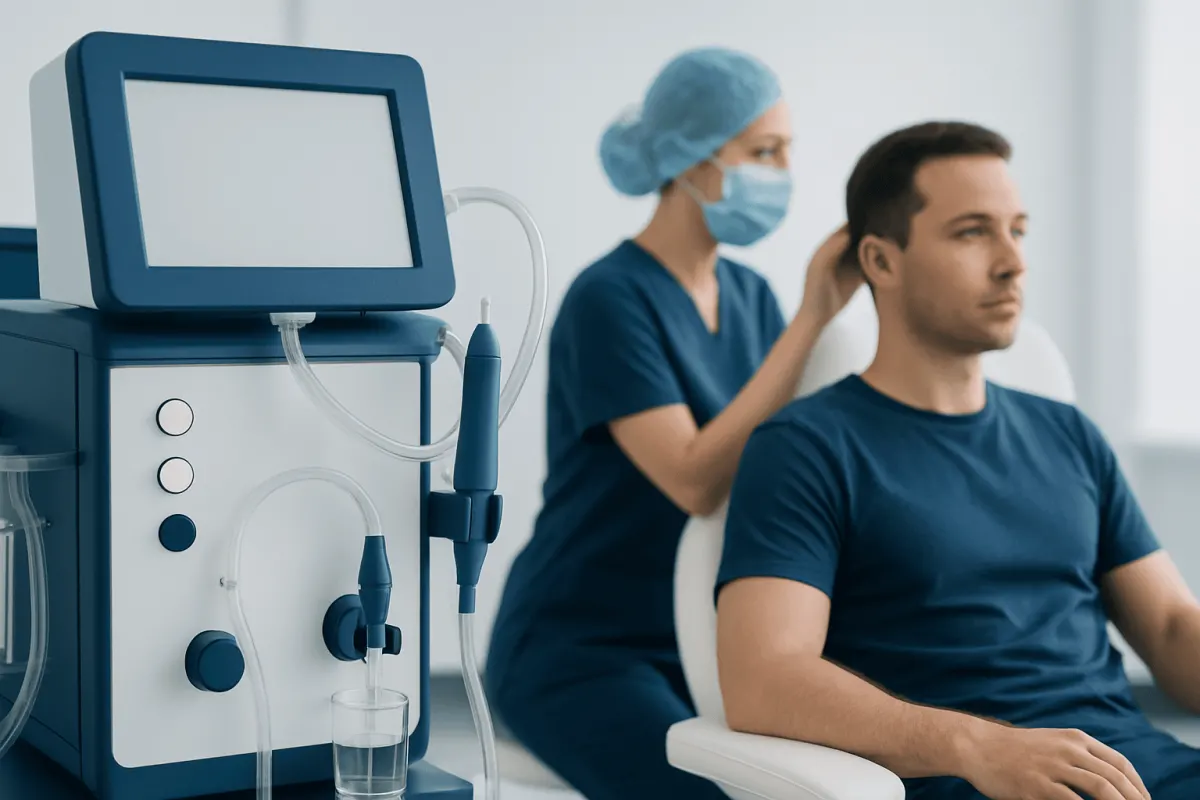
A Neograft hair transplant is a hair-restoration procedure that uses an automated device to support follicular unit extraction (FUE). During FUE, a clinician removes naturally occurring groups of one to several hairs, called follicular units, from a donor area of the scalp. The units are then carefully placed into tiny recipient sites in areas affected by thinning or baldness.
The Neograft device uses controlled pneumatic suction to assist with extracting and collecting grafts after they have been loosened with a small punch. It does not create new hair follicles or replace the expertise required for planning the hairline, selecting grafts, and placing them at the correct direction and angle. The quality of the outcome depends substantially on careful medical assessment and the experience of the clinical team.
Neograft FUE is commonly considered by people with pattern hair loss who have stable or reasonably controlled hair loss and an adequate donor supply. It may be used for selected people seeking to restore a receding hairline, improve density on the scalp, or fill a small area of hair loss. A consultation for hair transplant treatment can help determine whether this approach is suitable.
Who May Be a Candidate?
Suitable candidates generally have healthy, sufficiently dense donor hair, most often at the back and sides of the scalp. These areas are often more resistant to the hormonal effects associated with androgenetic alopecia, also called male- or female-pattern hair loss. However, donor hair must be assessed individually, because its density, thickness, curl pattern, color contrast with the scalp, and long-term stability all influence planning.
A clinician will also consider the pattern and pace of hair loss, the person’s age, medical history, scalp health, medications, and expectations. Hair transplantation redistributes existing hair; it does not stop future thinning in untreated areas. For this reason, some people may benefit from medical management of androgenetic alopecia before or alongside surgery, when clinically appropriate.
Neograft FUE may not be the best choice for everyone. People with diffuse or unstable hair loss, inadequate donor density, active scalp inflammation or infection, poorly controlled medical conditions, certain scarring hair-loss disorders, or unrealistic expectations may need further evaluation or a different plan. A dermatologist or hair-restoration clinician may recommend blood tests or other assessment when the cause of hair loss is unclear.
- Good candidates understand that density may be improved rather than fully restored.
- They can follow aftercare instructions and attend follow-up appointments.
- They have a stable, healthy scalp without an untreated infection or active inflammatory condition.
How the Procedure Is Performed
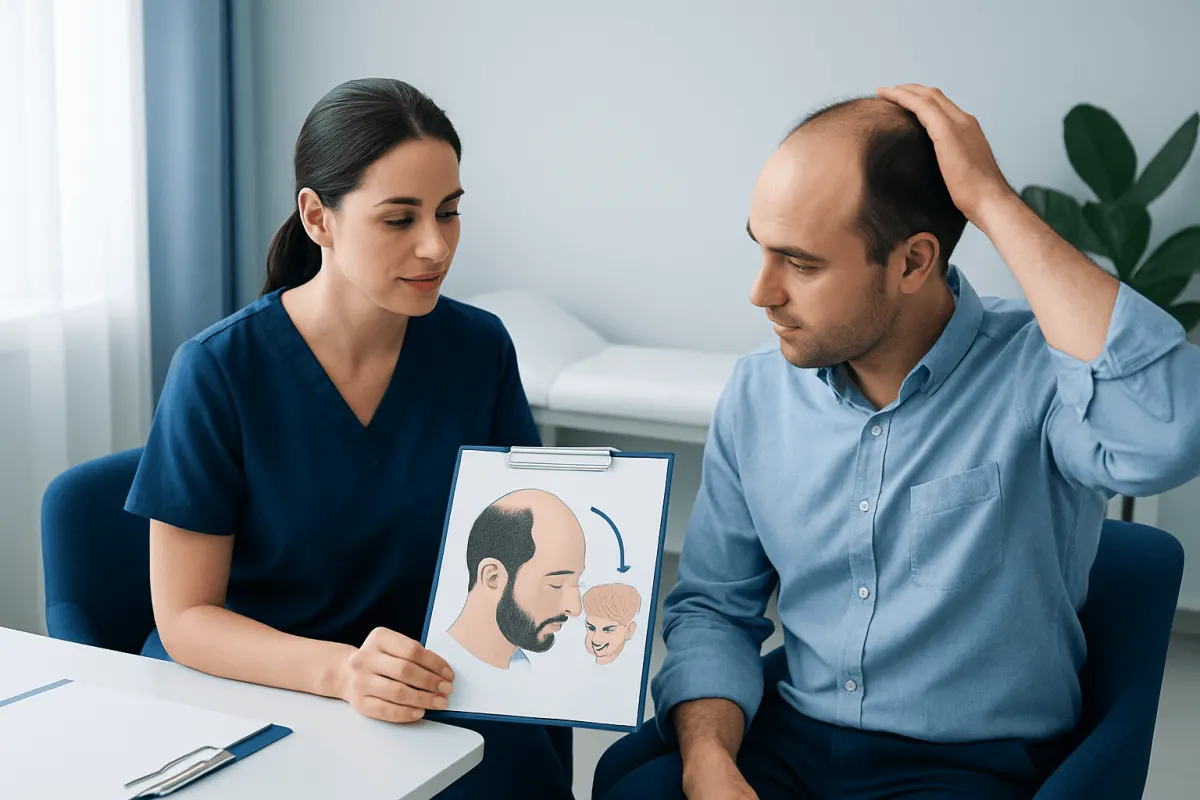
Before the procedure, the clinician reviews the treatment plan, photographs the scalp, marks the proposed hairline or target areas, and confirms the number and distribution of grafts planned. The donor area is usually trimmed so that individual follicular units can be accessed. Local anesthetic is commonly used to numb both donor and recipient areas while the person remains awake.
In the extraction stage, the clinician uses a small circular instrument to separate each follicular unit from the surrounding tissue. The Neograft system can assist with gentle suction and collection of the grafts. The grafts are then inspected, kept hydrated, and sorted as needed while the recipient area is prepared.
Next, the clinician creates very small openings in the thinning area. Their placement is a key part of the procedure: the angle, direction, spacing, and selection of one-hair or multi-hair grafts affect how natural the result appears. Grafts are placed into these recipient sites, usually with single-hair units at the hairline and denser groupings behind it where appropriate.
The length of treatment varies according to the size of the area, the number of grafts, hair characteristics, and whether more than one session is needed. The care team provides individualized instructions for transport home, scalp care, sleeping position, activity restrictions, and follow-up.
Recovery Timeline and What to Expect
In the first few days, mild swelling, tenderness, tightness, redness, and small crusts around grafts are common. The donor area may also feel sore or numb temporarily. Most people can return to non-strenuous routine activities within several days, but the clinician may advise avoiding exercise, sweating, swimming, direct sun exposure, hats that rub the grafts, and activities that could cause trauma to the scalp for a period of time.
Hair washing must be gentle at first. The clinic will explain when and how to wash the scalp, which products to use, and when normal washing can resume. It is important not to scratch, pick, or dislodge crusts. Following these instructions helps protect newly placed grafts during their early healing phase.
Transplanted hairs often shed within the first several weeks after the procedure. This temporary shedding, sometimes called shock shedding, is expected and does not necessarily mean the follicles have failed. New hairs commonly begin to emerge after several months, then become longer and fuller over time. Final maturation may take approximately 12 months or longer, depending on the individual and treatment area.
Existing, non-transplanted hair can continue to thin if the underlying hair-loss condition progresses. The clinician may discuss ongoing monitoring and evidence-based options intended to help preserve existing hair, such as platelet-rich plasma hair treatment for selected patients or other medical approaches when appropriate.
Potential Benefits and Risks
The main potential benefit of a Neograft hair transplant is permanent relocation of viable follicles from a donor area to a thinning area. Because the hair is the person’s own, it can usually be cut, washed, and styled like other scalp hair once healing is complete. FUE does not require removal of a strip of scalp tissue, so it typically leaves many small dot-like donor scars rather than one linear scar.
FUE is still a surgical procedure, and no method can guarantee a particular cosmetic result. Results may be limited by donor-hair availability, the extent of hair loss, graft survival, healing, and future thinning. More than one session may be needed for larger areas or for people seeking greater density.
Possible complications include bleeding, infection, prolonged redness or swelling, discomfort, numbness, crusting, visible scarring, folliculitis, ingrown hairs, uneven growth, poor graft growth, and an unnatural-looking hairline or density if planning or placement is unsuitable. Temporary shedding of existing hair may also occur. Serious complications are uncommon but should be discussed before consenting to treatment.
Choosing a qualified medical team and sharing a complete health history can reduce avoidable risks. People should tell their clinician about medications, supplements, allergies, smoking or nicotine use, bleeding problems, prior scalp procedures, and any history of abnormal scarring.
Preparing for Treatment and Supporting Results
Preparation begins with an accurate diagnosis. Gradual pattern thinning is common, but sudden shedding, patchy hair loss, scalp pain, scaling, or inflammation may point to another condition that needs treatment first. A clinician may examine the scalp and hair shaft, review family and medical history, and consider tests when nutritional deficiency, thyroid disease, anemia, autoimmune disease, medication effects, or other contributors are possible.
Before surgery, patients should follow the specific instructions given by their clinical team. These may include guidance about smoking or nicotine, alcohol, medicines that affect bleeding, supplements, hair products, and meals on the day of the procedure. Medications should never be stopped without advice from the prescribing clinician.
Long-term results are supported by protecting the scalp from sunburn, eating a balanced diet, managing chronic health conditions, avoiding smoking, and receiving appropriate treatment for ongoing hair loss. Gentle hair care is sensible, although shampooing or brushing alone does not cause androgenetic hair loss. If a person is considering a procedure abroad, it is especially important to arrange a clear follow-up plan and understand how questions or complications will be managed after returning home.
When to Seek Medical Care
Medical evaluation is recommended before pursuing any hair transplant, particularly when hair loss is sudden, patchy, rapidly progressing, or associated with scalp symptoms such as itching, pain, burning, scaling, sores, or pus. These features can indicate conditions that require diagnosis and treatment rather than transplantation. A medical review is also important for people who are pregnant, have significant chronic illness, use blood-thinning medicines, or have a history of keloid or raised scarring.
After a Neograft procedure, the care team should be contacted promptly for worsening pain, increasing redness or warmth, fever, pus-like drainage, significant bleeding, spreading swelling, or any concern that grafts have been injured. Early advice can help distinguish normal healing from a problem that needs treatment.
Acıbadem Health Point’s multidisciplinary specialists and JCI-accredited hospitals diagnose and treat hair-loss concerns for international patients, including assessment and hair transplant procedures when medically appropriate.
Frequently asked questions
01Is Neograft different from a standard FUE hair transplant?
Neograft is a brand of automated system that can assist in an FUE hair transplant. The fundamental technique is still FUE: individual follicular units are extracted from a donor area and transplanted into thinning areas. Surgical planning and graft placement remain dependent on the clinician and care team.
02Does a Neograft hair transplant hurt?
Local anesthetic is generally used to numb the donor and recipient areas, so most people should not feel sharp pain during graft extraction or placement. Some pressure, pulling, or brief discomfort may be felt. Tenderness and tightness can occur for a short time after the procedure.
03When will new hair grow after a Neograft procedure?
The transplanted hair shafts often shed in the weeks after treatment, which is usually a normal part of the process. New growth commonly starts after several months and gradually improves in length and density. Mature results can take around 12 months or more.
04Will transplanted hair fall out permanently?
Temporary shedding of transplanted hair shafts is common, but the follicles may remain in the scalp and later produce new hairs. Not every graft is guaranteed to grow, and outcomes vary. A clinician can explain factors that may affect graft survival and expected density.
05Does Neograft leave scars?
FUE extraction produces many very small donor-site wounds rather than a linear scar. These typically heal as tiny dot-like scars that may be difficult to notice, especially when surrounding hair is present. Scarring can be more visible in some people, including those who shave their hair very short or scar unusually.
06Can women have a Neograft hair transplant?
Some women are suitable candidates, especially when they have a stable pattern of thinning and enough healthy donor hair. However, diffuse thinning can make transplantation more complex, so the cause and pattern of loss should be assessed carefully. Treatment should be individualized after medical evaluation.
This article is for general information only and is not a substitute for professional medical advice. Please consult a qualified doctor about your individual situation.
Hair transplant in Turkey — costs, graft counts & a free assessment
JCI-accredited · board-certified surgeons · reply within 24h
Add us as a Preferred Source to see more of our trusted health content across Google Search, AI Overviews and Discover.