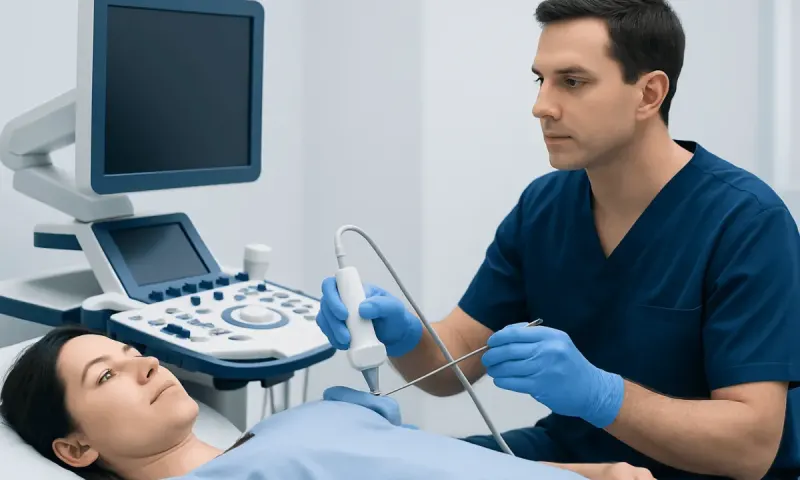
Cold Biopsy Forceps Take Small Tissue Samples Without Heat
Your doctor mentions taking “a few small samples” during your endoscopy, and you nod — but what does that actually involve? Usually it means cold biopsy forceps: small instruments passed through the scope to grasp, remove and retrieve tiny pieces of tissue for laboratory examination.
The word “cold” simply means no heat is used. Because the samples are so small and the whole thing happens during an endoscopy you were already having, recovery is usually quick.
Overview: What Are Cold Biopsy Forceps?
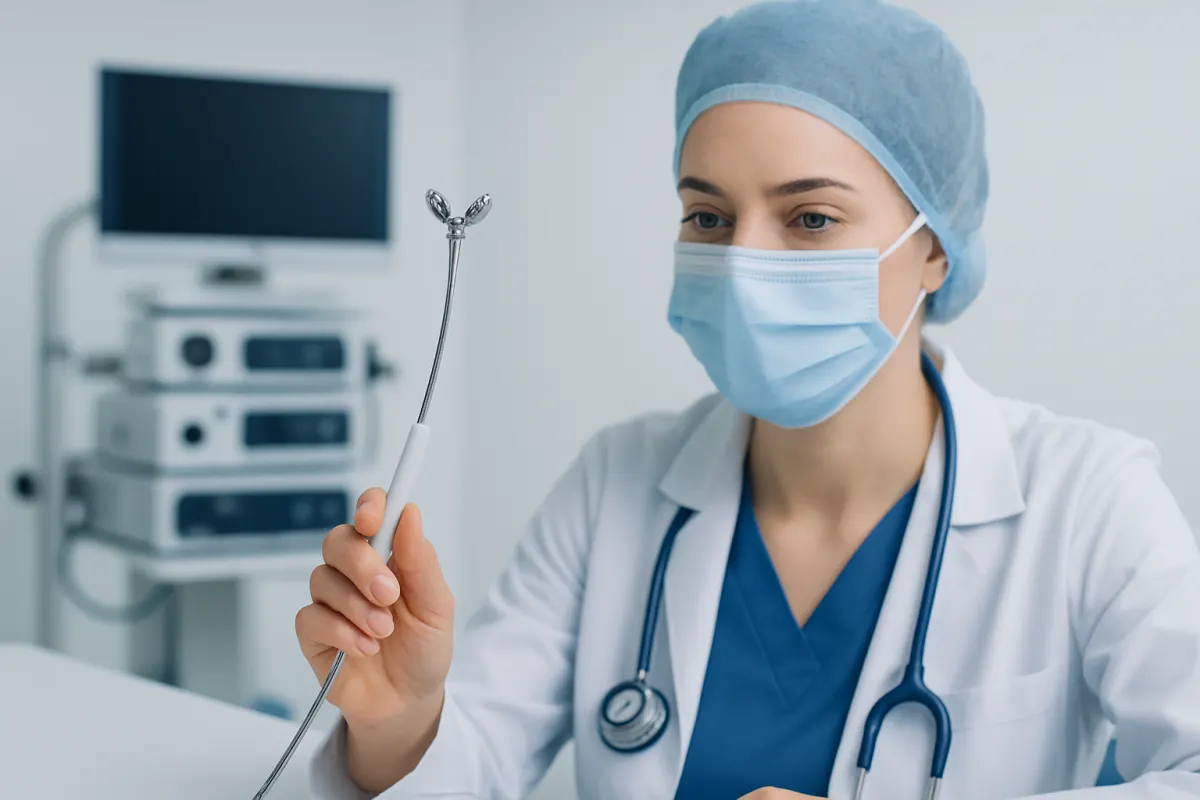
Cold biopsy forceps are small, cup-like instruments passed through a flexible scope to remove tiny tissue samples. “Cold” means that the instrument does not apply electrical current or heat to cut tissue. The sample is then placed in a container and sent to a pathology laboratory, where it is examined under a microscope.
The technique is most often used during procedures such as gastroscopy, colonoscopy or bronchoscopy. It may help clarify the cause of symptoms or assess an area that looks unusual during an examination. In procedure documentation, a clinician may state that tissue was “cold biopsy forceps resected and retrieved,” meaning that a small sample was removed with forceps and successfully collected for analysis.
Most of the time, cold forceps are there to sample tissue rather than take a whole lesion out. For very small polyps in selected situations, they can sometimes be used for removal — but that depends on the size, location and appearance of what your doctor sees. Your specialist chooses the method that gets an adequate sample as safely and completely as possible.
What Does Biopsy With Cold Forceps Mean?
A biopsy with cold forceps means a clinician has used forceps through an endoscope to pinch off a small piece of tissue without heat. The tissue may come from the lining of the esophagus, stomach, small intestine, colon, rectum, airways or another area reached by a scope. It is usually done to investigate symptoms, confirm a suspected condition or assess an abnormal-looking area.
You will generally not feel the forceps taking the sample, because the procedure is done with sedation, anesthesia or local numbing, depending on the type of examination. The biopsy itself takes only moments, although the full procedure includes preparation, the scope examination, recovery from sedation and observation afterward.
The terms cold biopsy forcep and cold biopsy forceps are both used in everyday discussion, although “forceps” is the standard clinical term. A cold forceps biopsy is an excision or extraction of a small tissue fragment, but it should not be confused with larger surgical excisions. The pathology report, rather than the forceps alone, determines what the tissue findings mean.
Why It Is Used and Who May Be a Candidate

A clinician may recommend a cold forceps biopsy when an endoscopic examination identifies inflammation, ulcers, irregular tissue, a small polyp or another change that needs microscopic evaluation. Biopsies may also be taken from tissue that appears normal when conditions such as celiac disease, microscopic colitis or certain infections are being investigated.
Suitability depends on the reason for the procedure, the area being examined and a person’s overall health. Before an endoscopy, the care team reviews medications, allergies, pregnancy status, prior reactions to sedation, heart and lung conditions, and bleeding risk. Blood-thinning medicines should never be stopped independently; the prescribing clinician and procedure team can provide individualized guidance.
One advantage of cold forceps is that they avoid the thermal injury that comes with cautery. They are not the right tool for every lesion, though. Larger polyps or lesions that require deeper or more complete removal may be treated with another endoscopic method or referred for further evaluation, including care for conditions such as colon cancer when clinically appropriate.
Step by Step: How a Cold Forceps Biopsy Is Performed
Preparation varies by procedure. Colonoscopy generally requires bowel preparation, while upper endoscopy commonly requires fasting for a specified period. A member of the clinical team explains the planned examination, reviews consent, checks relevant medical information and discusses sedation or anesthesia. Patients should arrange a responsible adult to accompany them home if sedation is used.
During the examination, the clinician guides a flexible scope to the area of interest. A narrow channel inside the scope allows cold biopsy forceps to pass through. The forceps gently grasp a very small amount of tissue, which is removed and retrieved. Several samples may be taken from different sites to improve diagnostic accuracy.
The samples are labeled and sent to a pathologist. After the procedure, the patient is monitored until alert and medically stable. Endoscopy with biopsy is part of the assessment pathway offered through endoscopy, which can help specialists investigate digestive symptoms and abnormal findings.
Billing terms differ from one health system to another. Many patients search for “cold biopsy forceps CPT,” but the CPT code depends on the procedure performed, the site examined, the purpose of the intervention and local billing rules. If you want to know what a code on your claim or estimate means, the clinic’s billing team can walk you through it.
Recovery Timeline, Benefits and Possible Risks
Recovery after a cold forceps biopsy is usually brief. People who have received sedation may feel sleepy, less coordinated or mildly nauseated for the rest of the day. They should avoid driving, operating machinery, drinking alcohol, signing important documents or making major decisions until the sedative effects have fully worn off, usually by the next day.
Mild bloating, gas, throat discomfort after upper endoscopy, or temporary abdominal cramping after colonoscopy can occur. These symptoms often improve within hours. Unless the clinician gives different instructions, many people can resume eating and regular activities after they have recovered from sedation and feel comfortable.
The main benefit is straightforward: you get the tissue needed for a precise diagnosis without an incision or heat-based treatment. Risks are generally uncommon, but they can include minor bleeding, infection, a reaction to sedation, or rarely a tear or perforation in the organ being examined. Risk varies according to the procedure, the number and location of biopsies, medical conditions and medicines.
Pathology results may take several days or longer depending on the tests needed. The clinician explains whether the tissue is normal or whether it shows inflammation, infection, benign changes, precancerous changes or cancer. Follow-up may include treatment, monitoring or another procedure based on the result.
How Long Does It Take to Recover From a Cold Knife Cone Biopsy?
A cold knife cone biopsy is not the same procedure as a cold forceps biopsy. It is a gynecologic operation that removes a cone-shaped piece of tissue from the cervix, usually to diagnose or treat significant cervical cell changes. It involves a larger tissue removal and therefore requires more recovery time than a tiny endoscopic forceps biopsy.
Initial recovery from a cold knife cone biopsy commonly takes about one to two weeks for day-to-day comfort, but the cervix may need approximately four to six weeks to heal. Individual recovery can differ according to the amount of tissue removed, the method used to control bleeding, anesthesia, overall health and any complications. The surgeon’s instructions should guide return to exercise, intercourse, tampon use and bathing.
Light bleeding or watery discharge can occur during healing. Patients should contact their gynecology team promptly if they develop heavy bleeding, fever, worsening pelvic pain, foul-smelling discharge or symptoms that concern them. Cervical procedures may be part of the care plan for abnormal cervical screening results and should be discussed with a qualified gynecologist.
How Long Does It Take to Recover From a Cone Biopsy?
Recovery from a cone biopsy generally involves a few days of rest and reduced activity, with more complete healing over four to six weeks. Some people return to desk-based work within several days, while others need longer, especially if they have physically demanding work or ongoing discomfort. A clinician can give personalized advice after reviewing the procedure and recovery progress.
During the healing period, patients are often advised to avoid vaginal intercourse, tampons and vaginal douching until cleared by their surgeon. Heavy lifting and strenuous exercise may also be limited temporarily. Follow-up appointments are important to review pathology results, assess healing and plan future cervical screening.
The term “cone biopsy” can describe different techniques, including cold knife conization and loop electrosurgical excision procedures. While their recovery guidance can overlap, the exact restrictions and expected symptoms may differ. Patients should follow the instructions provided for their own procedure rather than relying only on general timelines.
What Are the Long-Term Side Effects of a Cone Biopsy and When to Seek Medical Care?
Most people heal well after a cone biopsy without long-term problems. Possible longer-term effects can include cervical narrowing, called cervical stenosis, changes in menstrual flow, or difficulty obtaining future cervical samples in some cases. Depending on the amount of cervical tissue removed, there may also be a small increased risk of cervical insufficiency or preterm birth in a future pregnancy; this should be discussed with an obstetrician or gynecologist before or during pregnancy.
After either an endoscopic cold forceps biopsy or a cone biopsy, urgent assessment is appropriate for severe or increasing pain, heavy bleeding, fever, chills, fainting, persistent vomiting, trouble breathing, black stools, or inability to pass gas or stool with significant abdominal swelling. These symptoms are uncommon, but they need timely medical evaluation.
For anything less urgent, call the procedure team — if the symptoms you were told to expect are not settling, if your pathology results have not come through in the time frame you were given, or if you have questions about medicines, diet or activity. At Acıbadem Health Point, multidisciplinary specialists and JCI-accredited hospitals diagnose and treat digestive and gynecologic conditions for international patients, with care plans guided by your own findings.
Frequently asked questions
01Is a cold forceps biopsy painful?
The tissue sampling itself is usually not felt because sedation, anesthesia or local numbing is used according to the procedure. Some people experience temporary bloating, cramping or throat irritation afterward. The care team can explain what sensations to expect for the specific examination.
02How long do cold biopsy forceps results take?
Results often take several days because a pathologist must prepare and examine the tissue. Some samples need additional staining or testing, which can take longer. The procedure team should explain how and when results will be communicated.
03Can cold biopsy forceps remove a polyp?
Cold forceps may remove very small polyps in selected circumstances, but they are frequently used for tissue sampling. Larger lesions may need a different removal technique to improve the chance of complete treatment. The choice depends on the lesion’s size, shape, location and appearance.
04What should a person avoid after a cold forceps biopsy?
After sedation, patients should avoid driving, alcohol, machinery and important decisions until the next day or until the care team says it is safe. Dietary and activity instructions vary by procedure and findings. Any restrictions related to blood-thinning medicines should come directly from the treating clinician.
05Is a cold forceps biopsy the same as a cone biopsy?
No. A cold forceps biopsy takes very small samples through a scope, often from the digestive tract or airways. A cone biopsy removes a larger cone-shaped section of the cervix and has a longer healing period.
06When should a person call the doctor after a biopsy?
The procedure team should be contacted for persistent or worsening symptoms, concerns about medication instructions or delayed results. Emergency medical care is needed for heavy bleeding, severe pain, fever, trouble breathing, fainting or other serious symptoms. It is always appropriate to seek advice if recovery does not feel as expected.
This article is for general information only and is not a substitute for professional medical advice. Please consult a qualified doctor about your individual situation.
Persistent digestive symptoms? Get evaluated in Turkey
JCI-accredited · board-certified surgeons · reply within 24h
Add us as a Preferred Source to see more of our trusted health content across Google Search, AI Overviews and Discover.