Colonoscopy vs Virtual Colonoscopy: Key Differences
Colonoscopy and virtual colonoscopy are both used to examine the large intestine for polyps, cancer and some bowel conditions. Standard colonoscopy is usually preferred when tissue samples or polyp removal may be needed, while virtual colonoscopy is a CT-based imaging option that may suit selected people.
Colonoscopy vs Virtual Colonoscopy: At a Glance
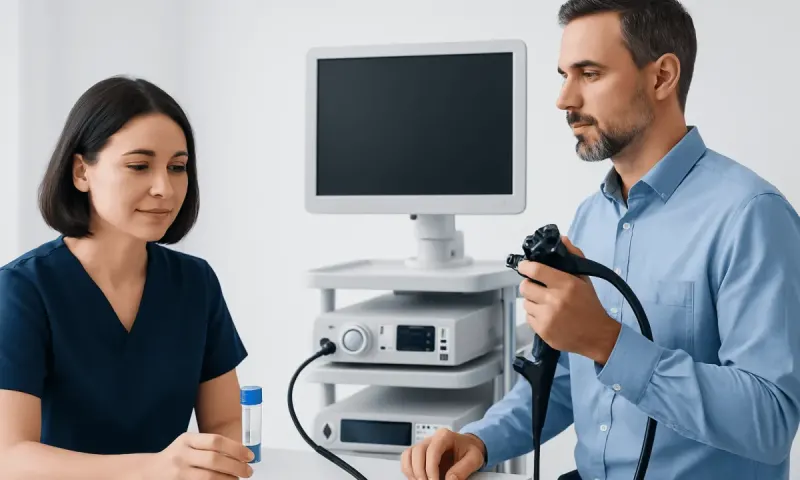
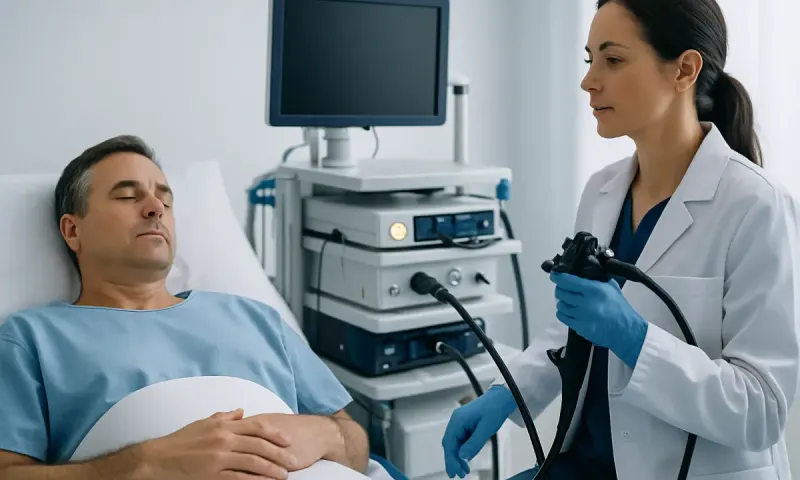
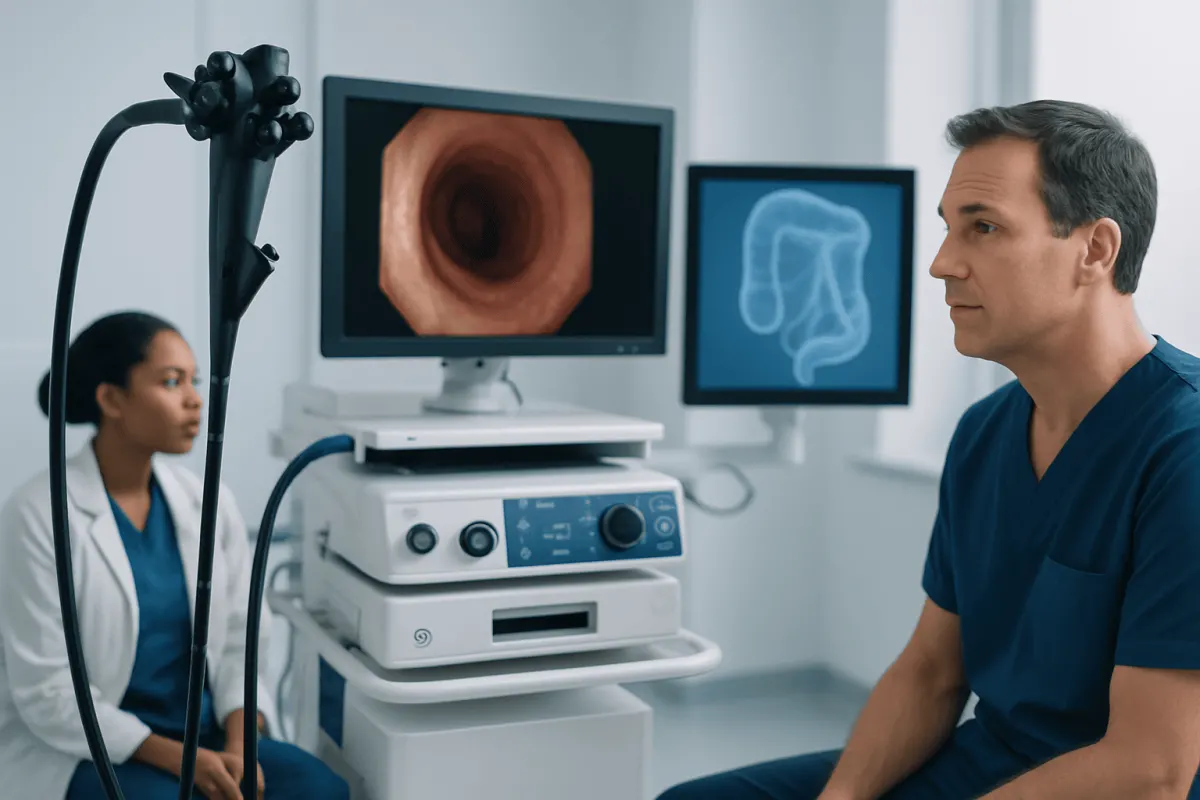
In the comparison of colonoscopy vs virtual colonoscopy, the main difference is what happens during the examination. A standard colonoscopy uses a flexible camera tube to inspect the lining of the rectum and colon directly. A virtual colonoscopy, medically called CT colonography, uses computed tomography (CT) images to create detailed views of the inside of the bowel.
Both tests can help identify larger polyps and colorectal cancer. However, standard colonoscopy also allows the clinician to remove many polyps and collect tissue samples immediately. Virtual colonoscopy is less invasive and usually does not involve sedation, but an abnormal result commonly means a separate colonoscopy will still be needed.
| Feature | Standard colonoscopy | Virtual colonoscopy (CT colonography) |
|---|---|---|
| How it is performed | A flexible camera passes through the rectum into the colon. | CT scans are taken after the colon is gently inflated with air or carbon dioxide. |
| Sedation | Often used. | Usually not needed. |
| Can remove polyps | Yes, often during the same procedure. | No. |
| Can take a biopsy | Yes. | No. |
| Preparation | Bowel-cleansing preparation is usually required. | Bowel-cleansing preparation is usually required, though protocols vary. |
| After the test | Recovery time may be needed if sedatives are used. | Most people resume usual activities soon afterward. |
| Additional considerations | Small risks include bleeding and bowel perforation. | Uses a small amount of ionizing radiation and may reveal findings outside the colon. |
Neither test is automatically best for every person. A clinician considers the reason for testing, the person’s symptoms, previous results, overall health and whether an intervention is likely to be required.
How Clinicians Choose Between the Two Tests
Clinicians distinguish these tests primarily by their purpose. If a person has a positive stool-based screening test, visible rectal bleeding, iron-deficiency anemia, or a known history of polyps, standard colonoscopy is often the more practical choice because suspicious areas can be sampled and polyps can be treated without arranging another procedure.
Virtual colonoscopy may be considered for people undergoing colorectal cancer screening who cannot complete a conventional colonoscopy, prefer to avoid sedation, or have medical reasons that make sedation less suitable. It may also be used when a colonoscopy could not be completed because the scope could not safely pass through the entire colon.
The decision is individual. Factors such as Ulcerative Colitis, and Flares" class="ahp-ilk">inflammatory bowel disease, a prior bowel surgery, kidney function, pregnancy, allergy history, diverticular disease and symptoms suggesting an active bowel problem can affect the safest approach. The clinician also explains what will happen if a polyp or other abnormality is found.
People with a family history of colorectal cancer or certain inherited cancer syndromes may need a personalized surveillance plan. In these settings, direct colonoscopy is often chosen because careful inspection, biopsy and polyp removal may be important.
Is a Virtual Colonoscopy as Good as the Original Colonoscopy?
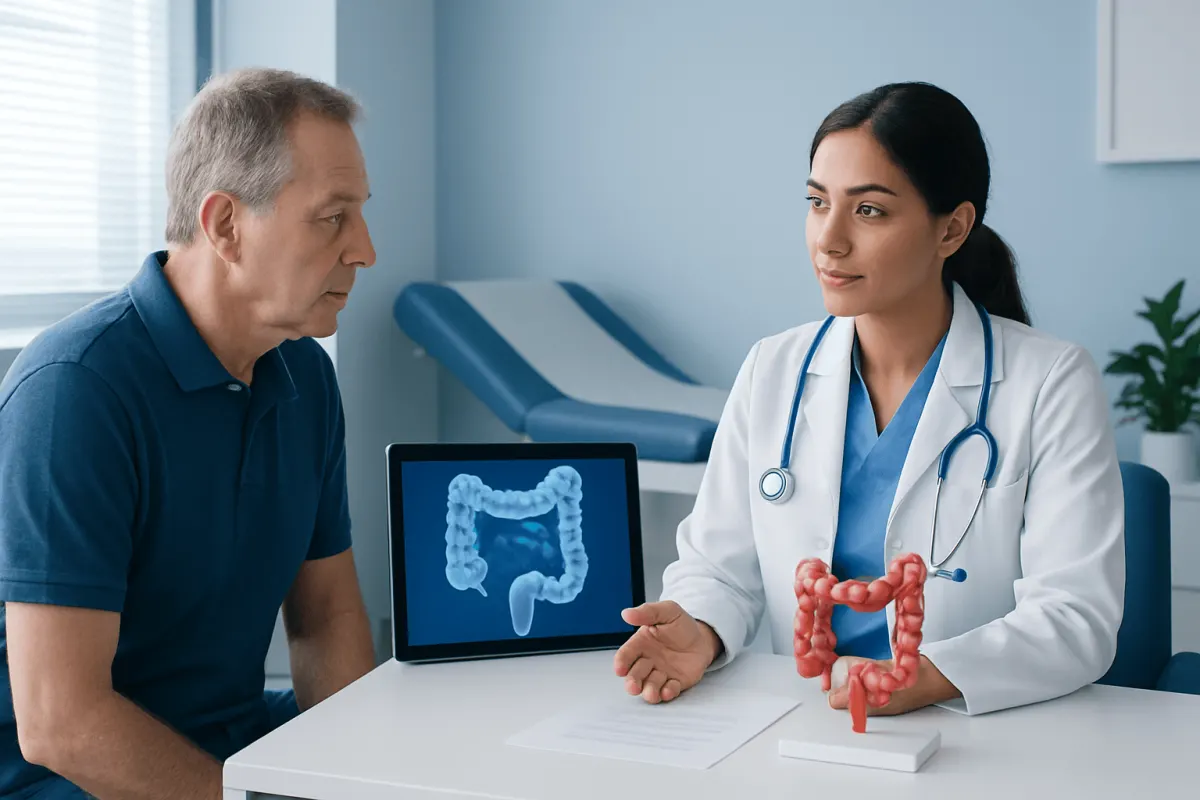
Virtual colonoscopy is an effective screening test for many average-risk adults, particularly for finding larger polyps and cancers. However, it is not identical to standard colonoscopy. Standard colonoscopy remains the more complete single-session option because it provides direct visualization of the bowel lining and permits biopsy or removal of polyps immediately.
Virtual colonoscopy can miss some smaller or flatter lesions, and it cannot determine whether an abnormal-looking area is cancerous without a follow-up biopsy. If it identifies a clinically important polyp or suspicious lesion, the person will generally need a standard colonoscopy afterward.
Standard colonoscopy can also be preferable when symptoms require investigation rather than routine screening. For example, unexplained bleeding, ongoing changes in bowel habits, anemia or a positive stool test may warrant a test that can diagnose and treat during the same visit. Colorectal cancer is most treatable when identified early, so completing the recommended evaluation is important.
For the right person, virtual colonoscopy can still be a valuable alternative. The key is not choosing the “easier” test in isolation, but selecting the test that can answer the clinical question safely and reliably.
What to Expect: Preparation, Comfort and Results
Both examinations usually require bowel preparation. This commonly includes a temporary diet adjustment and a prescribed bowel-cleansing regimen so that stool does not obscure the colon. Following the preparation instructions closely is essential, as incomplete cleansing can reduce the accuracy of either test or require it to be repeated.
How uncomfortable is a virtual colonoscopy?
Virtual colonoscopy is usually brief and does not require sedation. During the examination, a small tube is placed just inside the rectum to gently fill the colon with air or carbon dioxide. This can cause temporary pressure, bloating or cramping, especially while images are being taken in different positions, but discomfort generally settles soon after the test.
Standard colonoscopy may cause less awareness of discomfort during the procedure because sedative medicines are commonly used. Afterwards, some people have temporary gas, bloating or mild cramping. If sedation is given, a responsible adult may be needed to help the person travel home, and driving should be avoided for the period advised by the care team.
Results from virtual colonoscopy are reviewed by a radiologist and may be available after image interpretation. Colonoscopy findings may be discussed immediately, although biopsy results take longer. If polyps are found, colon polypectomy may often be performed during standard colonoscopy.
Can a Virtual Colonoscopy Detect Diverticulitis?
A virtual colonoscopy can show diverticula, which are small pouches in the wall of the colon, and it may reveal features that raise concern for diverticular disease. It also produces images of tissues around the colon, which can sometimes show inflammation or complications outside the bowel wall.
However, CT colonography is generally not the preferred examination when acute diverticulitis is suspected. Acute diverticulitis can cause pain and inflammation, and inflating the colon for a virtual colonoscopy may be inappropriate during an active episode. A standard abdominal and pelvic CT scan is more commonly used when clinicians need to evaluate suspected acute diverticulitis and its complications.
Colonoscopy is also usually delayed during active diverticulitis because passing a scope through an inflamed bowel can carry additional risk. After recovery, a clinician may recommend colonoscopy in selected cases to assess the colon and rule out another cause of symptoms. Diverticulitis should be assessed according to the person’s symptoms, examination findings and medical history.
Anyone with new or worsening abdominal pain should not try to self-diagnose based on a previous scan result. Prompt clinical assessment helps determine whether imaging, blood tests or other care is needed.
Who Should Not Get a Virtual Colonoscopy?
Virtual colonoscopy is not appropriate for everyone. It is usually avoided in people with suspected or known acute bowel inflammation, such as active diverticulitis, severe colitis or a suspected bowel perforation. The need to inflate the colon can increase discomfort or risk when the bowel is acutely inflamed or fragile.
It may also be unsuitable when there is a high likelihood that biopsies or polyp removal will be needed, including after some abnormal screening results or in people with certain high-risk histories. In these circumstances, choosing standard colonoscopy first may prevent the need for two separate bowel preparations and procedures.
Pregnant people generally avoid CT-based tests unless imaging is clearly necessary, because CT uses radiation. People with significant mobility limitations, severe abdominal symptoms or certain recent surgeries may need a tailored plan. The radiology and gastroenterology teams can assess whether CT colonography is feasible and safe.
Virtual colonoscopy may incidentally detect findings in organs outside the colon. While this can occasionally be helpful, it can also lead to additional testing for changes that are not clinically important. A clinician can explain this possibility before the examination.
What to Do After Each Type of Result
A normal standard colonoscopy may allow a longer interval before the next examination, depending on age, bowel preparation quality, family history and local screening guidance. If polyps are removed, the next surveillance colonoscopy is scheduled based on the number, size and tissue type of the polyps.
After a normal virtual colonoscopy, the clinician will recommend an appropriate future screening interval according to local guidance and individual risk. If the scan shows a polyp above the reporting threshold, a mass, or an area that cannot be assessed clearly, standard colonoscopy is commonly recommended for direct examination and possible treatment.
Results should always be interpreted in context. A normal test does not explain every digestive symptom, and persistent or changing symptoms may need further evaluation. Depending on the concern, clinicians may use blood tests, stool testing, imaging or specialist review alongside endoscopic testing.
Acıbadem Health Point’s multidisciplinary specialists and JCI-accredited hospitals assess digestive symptoms and coordinate colon imaging, endoscopy and follow-up care for international patients. The appropriate plan should be discussed with a qualified gastroenterologist or the clinician arranging the test.
When to Seek Medical Care
Medical advice should be sought promptly for rectal bleeding, black or tar-like stools, persistent changes in bowel habits, unexplained weight loss, ongoing abdominal pain, or unexplained fatigue that could be related to anemia. These symptoms often have non-cancer causes, but they deserve appropriate assessment rather than relying on routine screening alone.
Urgent medical care is important for severe or rapidly worsening abdominal pain, a swollen abdomen, persistent vomiting, fever with significant abdominal pain, fainting, or heavy bleeding. These symptoms may indicate a condition requiring timely evaluation.
People preparing for either examination should contact their healthcare team if they have diabetes, take blood thinners, use medicines that affect kidney function, have a contrast reaction history, or are unsure how to manage regular medicines during bowel preparation. They should not stop prescribed medication without individualized medical advice.
After either test, severe or worsening abdominal pain, fever, persistent vomiting, heavy rectal bleeding, dizziness or fainting should be reported urgently. Although serious complications are uncommon, early assessment is the safest approach.
Frequently asked questions
01Does virtual colonoscopy require bowel preparation?
Yes. Most people need bowel-cleansing preparation before a virtual colonoscopy so that stool and fluid do not hide polyps or other abnormalities. The exact instructions vary by center, so patients should follow the preparation plan provided by their healthcare team.
02Can polyps be removed during a virtual colonoscopy?
No. Virtual colonoscopy creates CT images and does not use instruments to remove tissue. If a relevant polyp is found, a standard colonoscopy is usually needed to remove it or collect a biopsy.
03Which test is better after a positive stool test?
Standard colonoscopy is generally recommended after a positive stool-based colorectal cancer screening test. It allows the clinician to inspect the colon directly, take biopsies and remove polyps during the same procedure if needed.
04Is radiation used in virtual colonoscopy?
Yes. Virtual colonoscopy uses a CT scanner, which involves ionizing radiation. The amount is typically kept as low as reasonably achievable, but the benefit and suitability should be discussed with the ordering clinician, particularly for people who may be pregnant.
05Can a virtual colonoscopy find cancer outside the colon?
The scan includes structures around the colon, so it may identify changes in other abdominal or pelvic organs. Some incidental findings are harmless, while others may need further assessment; this possibility is part of the informed-consent discussion.
06How long does recovery take after colonoscopy versus virtual colonoscopy?
After virtual colonoscopy, most people can return to normal activities soon after the test unless their clinician gives different advice. After a sedated standard colonoscopy, people generally need the rest of the day to recover and should follow restrictions on driving, work and important decisions.
This article is for general information only and is not a substitute for professional medical advice. Please consult a qualified doctor about your individual situation.
Persistent digestive symptoms? Get evaluated in Turkey
JCI-accredited · board-certified surgeons · reply within 24h
Add us as a Preferred Source to see more of our trusted health content across Google Search, AI Overviews and Discover.