How Long Does a Colonoscopy Take?

A colonoscopy examination usually takes about 30 to 60 minutes, although preparation begins the day before and recovery from sedation may take one to two hours afterward. The total time at the clinic is commonly several hours, depending on findings, sedation and whether tissue samples or polyps are removed.
How long does a colonoscopy take?
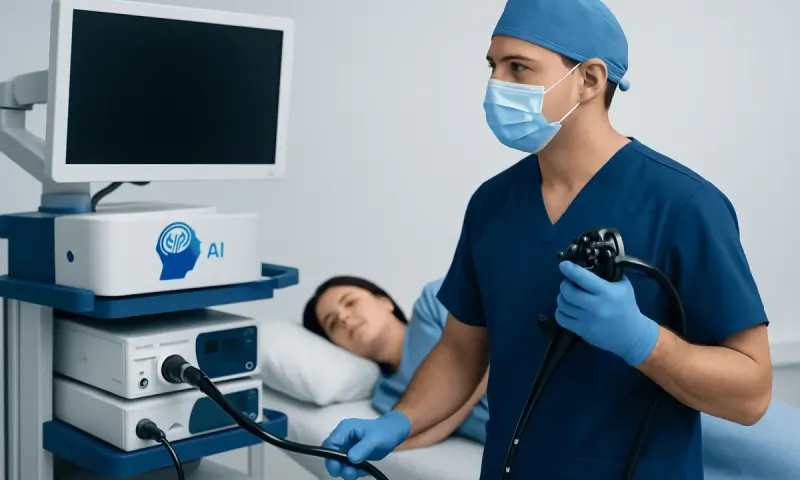
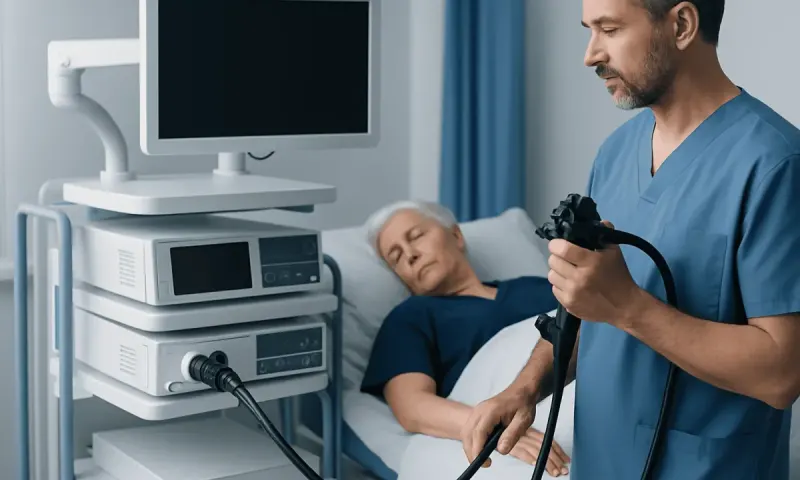
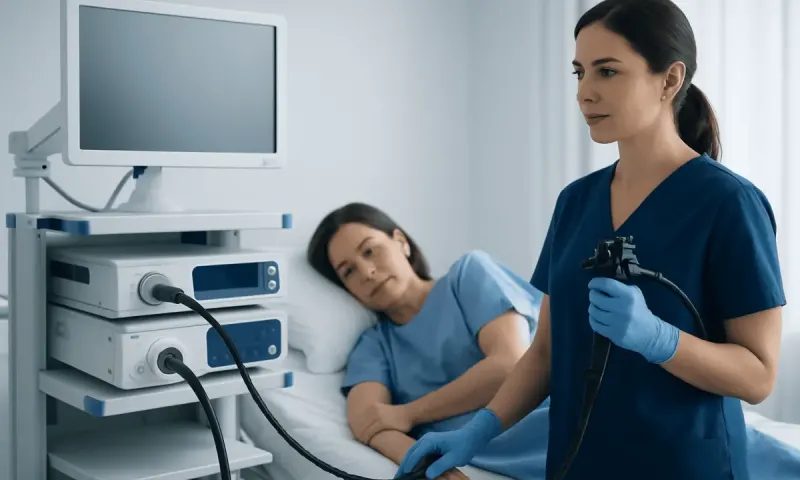
A colonoscopy itself usually takes around 30 to 60 minutes. It may take longer if the doctor needs to remove polyps, take biopsies, carefully inspect an area of concern, or manage a finding during the examination. The procedure is performed using a flexible tube with a small camera that allows the doctor to examine the lining of the rectum and colon.
The complete appointment is longer than the examination. Patients generally need time for registration, discussion with the clinical team, placement of an intravenous line if sedation is planned, and monitoring afterward. Many people should expect to be at the hospital or endoscopy center for two to four hours. The preparation, however, begins at home one or more days earlier and is often the most time-consuming part of the process.
Colonoscopy is used for screening, investigating digestive symptoms and monitoring people with a history of polyps, inflammatory bowel disease or certain inherited cancer syndromes. It can also allow diagnosis and treatment in the same session, such as removal of a polyp before it can develop further.
Why colonoscopy is performed and who may need it
A doctor may recommend colonoscopy as part of colorectal cancer screening or to investigate symptoms such as unexplained rectal bleeding, a continuing change in bowel habits, iron-deficiency anemia, unintentional weight loss, or ongoing abdominal discomfort. It may also be used to assess conditions affecting the bowel, including Crohn’s disease, ulcerative colitis or diverticular disease.
Screening recommendations differ by country, age, family history and personal health. A clinician can advise when screening should begin and how often it is needed. People with a close relative who has had colorectal cancer or advanced polyps, or those with a personal history of polyps, may need earlier or more frequent testing.
Before scheduling the procedure, the endoscopy team reviews medical history, allergies, pregnancy status and all medicines and supplements. This is particularly important for blood thinners, diabetes medicines, iron supplements and medications that affect bowel movement. Patients should not stop or change prescribed medicines unless their doctor gives specific instructions.
Preparing for a colonoscopy: what to expect

Bowel preparation clears stool from the colon so the lining can be examined accurately. Instructions vary, but they commonly include eating a low-fiber diet for a short period before the procedure, switching to clear liquids the day before, and drinking a prescribed bowel-cleansing solution. A split-dose preparation, with part taken the evening before and part closer to the procedure, is often used because it can improve cleansing quality.
Clear liquids may include water, clear broth, tea or coffee without milk, clear juice without pulp, and some gelatin products, according to the care team’s instructions. Red, purple or dark-colored products may be restricted because they can resemble blood during the examination. Solid food must be stopped at the time specified by the clinician, and fasting rules before sedation should be followed carefully.
Good preparation reduces the chance that the doctor will miss a small polyp or that the test will need to be repeated sooner. Patients who are prone to constipation, have kidney or heart disease, or have had difficulty completing bowel preparation before should tell their doctor early. The team can recommend an approach that is appropriate for their health needs.
How long will I be pooping after colonoscopy prep?
Frequent, loose bowel movements usually begin within a few hours of starting the bowel-cleansing medicine and continue until the colon is empty. For many people, this is mainly during the evening before and the morning of the procedure, particularly when a split-dose preparation is used. By the end, stools should generally become watery and pale yellow or nearly clear, although the exact goal should follow the instructions from the endoscopy team.
After the colonoscopy, bowel habits may take a day or two to return to usual, especially if eating patterns have changed or a polyp was removed. Drinking permitted clear fluids during preparation helps reduce dehydration. The clinical team should be contacted if the preparation does not produce bowel movements, cannot be kept down, or causes concerning symptoms such as fainting or severe weakness.
What is the hardest part of the colonoscopy prep?
Many people find the bowel-cleansing drink and the frequent toilet visits to be the hardest part. The volume, taste and timing of the solution can be challenging, and temporary bloating, nausea, cramping or tiredness can occur. These effects are usually short-lived and are part of clearing the bowel for an accurate examination.
Chilling the approved preparation, drinking it through a straw, taking it in the prescribed portions and using doctor-approved clear liquids between doses may make the process easier for some people. It is important not to substitute another preparation, alter the schedule or add unapproved ingredients without checking with the care team.
What happens during the colonoscopy procedure?
On arrival, patients meet the endoscopy team and have an opportunity to discuss the procedure, sedation plan and consent. Vital signs are checked. Most colonoscopies involve sedation, which helps patients feel relaxed or sleep through the examination. The type of sedation varies by location, health status and patient needs.
During the procedure, the patient lies on their side. The doctor gently passes the colonoscope through the rectum and advances it through the colon. Air or carbon dioxide is introduced to open the bowel gently for viewing; carbon dioxide is absorbed more quickly and may reduce bloating afterward. The doctor examines the lining while withdrawing the scope, and may take tiny tissue samples or remove polyps using instruments passed through the scope.
Biopsies and polyp removal are usually painless because the inner lining of the colon does not sense cutting in the same way as skin. If a polyp is found, removing it during colonoscopy can help prevent some colorectal cancers. This ability to inspect and treat during one examination is a key benefit of colonoscopy.
What is the most painful part of a colonoscopy?
With sedation, many patients have little or no memory of discomfort during the examination. Without deep sedation, the most uncomfortable moments may be temporary pressure, cramping or bloating as the scope moves around bends in the colon and air or carbon dioxide is used to improve visibility. These sensations are usually brief, and the endoscopy team can adjust positioning, medication or technique if needed.
For many people, preparation-related cramping, hunger or nausea is more bothersome than the procedure itself. Patients should openly discuss past experiences with pain, anxiety, sedation or bowel preparation before the appointment. This helps the team plan supportive care safely.
Recovery timeline and colonoscopy results
After the procedure, patients rest in a monitored recovery area while sedation wears off. This often takes about one to two hours, although alertness can continue improving throughout the day. Mild bloating, gas or brief cramping is common and typically settles after passing gas. A responsible adult should take the patient home if sedation was used.
Driving, operating machinery, drinking alcohol, signing important documents and making major decisions should be avoided for the rest of the day after sedation. Many people can resume normal meals and light activities as advised, often the following day. If a larger polyp was removed or another treatment was performed, the doctor may provide temporary diet, activity or medicine restrictions.
Will I get my colonoscopy results right away?
The doctor can often explain the main visual findings shortly after the procedure, once the patient is awake enough to understand the discussion. They may say whether the colon looked normal, whether polyps were removed, or whether inflammation, bleeding or another visible change was found. A written report may also be provided or sent to the referring clinician.
Final results are not always available immediately. Biopsy samples and removed polyps are sent to a pathology laboratory, where specialists examine them under a microscope. These results commonly take several days and sometimes longer, depending on the laboratory and tests required. The care team will explain how and when results will be communicated, along with any recommended follow-up.
Benefits, risks and ways to support a smooth recovery
Colonoscopy is a valuable examination because it can identify early changes before they cause symptoms, investigate concerning signs and allow removal of many polyps during the same procedure. It can also provide biopsy samples that help clarify the cause of inflammation, infection-like changes or unexplained bleeding. The value of the test depends strongly on good bowel preparation and a complete examination.
Serious complications are uncommon, but no procedure is completely risk-free. Possible risks include a reaction to sedatives, bleeding after biopsy or polyp removal, and rarely a tear in the colon wall. Risk can be higher when larger or more complex polyps are removed, or in people with certain medical conditions. The doctor discusses individual risks before consent.
After returning home, rest, drink fluids as directed and begin eating according to the discharge instructions. Mild gas and a small amount of blood after a biopsy or simple polyp removal may occur, but patients should follow the specific guidance given by their clinician. Keeping a follow-up appointment is important, especially when pathology results or surveillance plans are pending.
When to seek medical care
Patients should contact the endoscopy team promptly if they have questions about preparation, medication instructions, fasting or recovery. They should also seek medical advice if they cannot complete the preparation, develop repeated vomiting, or feel unable to keep down recommended fluids. Calling before the procedure is safer than arriving with an incomplete preparation or dehydration.
Urgent medical assessment is needed after colonoscopy for severe or worsening abdominal pain, a firm or markedly swollen abdomen, fever, fainting, shortness of breath, persistent vomiting, heavy rectal bleeding, blood clots, or black stools. These symptoms are not expected recovery effects and should not be ignored, especially after a polyp has been removed.
For patients travelling for care, Acıbadem Health Point’s multidisciplinary specialists and JCI-accredited hospitals can assess digestive symptoms and provide colonoscopy services for international patients. Individual recommendations should always be based on a qualified doctor’s assessment and the patient’s medical history.
Frequently asked questions
01How long does a colonoscopy take from start to finish?
The examination itself commonly takes 30 to 60 minutes. Including admission, preparation for sedation, the procedure and recovery, many people spend two to four hours at the clinic or hospital. Time may be longer if polyps are removed or additional monitoring is needed.
02How long before a colonoscopy should bowel preparation start?
Preparation often begins with diet changes one or more days before the procedure, while the cleansing medicine is commonly taken the day before and on the procedure day. Exact timing depends on the type of preparation and the scheduled appointment time. The instructions from the endoscopy team should be followed exactly.
03Can a person work the day after a colonoscopy?
Many people can return to work and usual light activities the next day. This may differ if a large polyp was removed, a complication occurred, or the doctor gives individualized restrictions. Sedation means that work and driving should generally be avoided on the day of the procedure.
04Is colonoscopy painful?
Most people receive sedation and experience little discomfort or have limited memory of the procedure. Some pressure, cramping or bloating can occur, especially if lighter sedation is used. Patients concerned about discomfort should discuss sedation and pain-management options with the clinical team beforehand.
05What happens if polyps are found during colonoscopy?
Many polyps can be removed during the same colonoscopy using specialized instruments. Removed tissue is sent for pathology testing to identify its type and whether any further follow-up is needed. The result helps determine when the next colonoscopy should be scheduled.
06When can a person eat after a colonoscopy?
Most people can eat after they have recovered enough from sedation, beginning with fluids or light foods if recommended. Some patients may receive special instructions after larger polyp removal or other treatment. The discharge plan from the endoscopy team is the best guide.
This article is for general information only and is not a substitute for professional medical advice. Please consult a qualified doctor about your individual situation.
Medical weight-loss options in Turkey — costs & eligibility
JCI-accredited · board-certified surgeons · reply within 24h
Add us as a Preferred Source to see more of our trusted health content across Google Search, AI Overviews and Discover.