Liver Biopsy Procedure: What Happens on the Day
A liver biopsy procedure is a diagnostic test that takes a small sample of liver tissue for laboratory examination. It can help clarify the cause and severity of liver abnormalities, guide treatment decisions and, in selected cases, assess suspected cancer.
Liver Biopsy Procedure: What It Is and Why It Is Done
A liver biopsy procedure removes a very small sample of liver tissue so it can be examined under a microscope by a specialist doctor called a pathologist. It is commonly performed using imaging guidance and a thin needle through the skin. The test can provide information that blood tests and scans cannot always show, such as the type and extent of inflammation, scarring or abnormal cells within the liver.
A clinician may recommend a biopsy when liver blood tests remain abnormal without a clear explanation, when imaging identifies a liver lesion, or when the degree of liver damage needs to be assessed. It may help evaluate conditions such as Liver Disease: Symptoms, Causes and Treatment" class="ahp-ilk">fatty liver disease, viral hepatitis, autoimmune hepatitis, iron or copper overload disorders, medication-related liver injury and cirrhosis. It may also be used to examine a suspicious liver mass or monitor a transplanted liver.
Not every person with liver disease needs a biopsy. Blood-based fibrosis tests and imaging methods, including elastography, can sometimes provide enough information. A liver specialist weighs the likely value of a tissue diagnosis against the individual’s health, bleeding risk and the availability of less invasive alternatives.
Who May Need a Biopsy and How Clinicians Prepare Safely
Before a liver biopsy, the medical team reviews the person’s symptoms, medical history, medicines, allergies and previous test results. Blood tests are generally used to check blood cell levels and clotting ability. An ultrasound or other scan may be used to identify a safe pathway to the liver and to decide which biopsy approach is most appropriate.
People should tell their clinician about medicines and supplements, especially anticoagulants, antiplatelet medicines, anti-inflammatory pain medicines, diabetes medicines and herbal products. Some may need to be paused or adjusted before the procedure, but only under guidance from the prescribing clinician. Instructions about fasting, transport home and whether a support person is needed should be followed carefully.
Biopsy through the skin may not be suitable for someone with a significant bleeding tendency, large amounts of fluid in the abdomen, certain anatomical concerns or an inability to remain still. In these situations, a transjugular biopsy may be safer. This approach takes the sample through a vein in the neck and can also allow clinicians to measure pressures in the liver circulation when needed.
- Percutaneous biopsy: a needle passes through the skin into the liver, often with ultrasound or CT guidance.
- Transjugular biopsy: a catheter is passed through a neck vein to obtain tissue from inside a liver vein.
- Laparoscopic or surgical biopsy: tissue is collected during another abdominal operation or through keyhole surgery in selected cases.
How the Liver Biopsy Procedure Works Step by Step
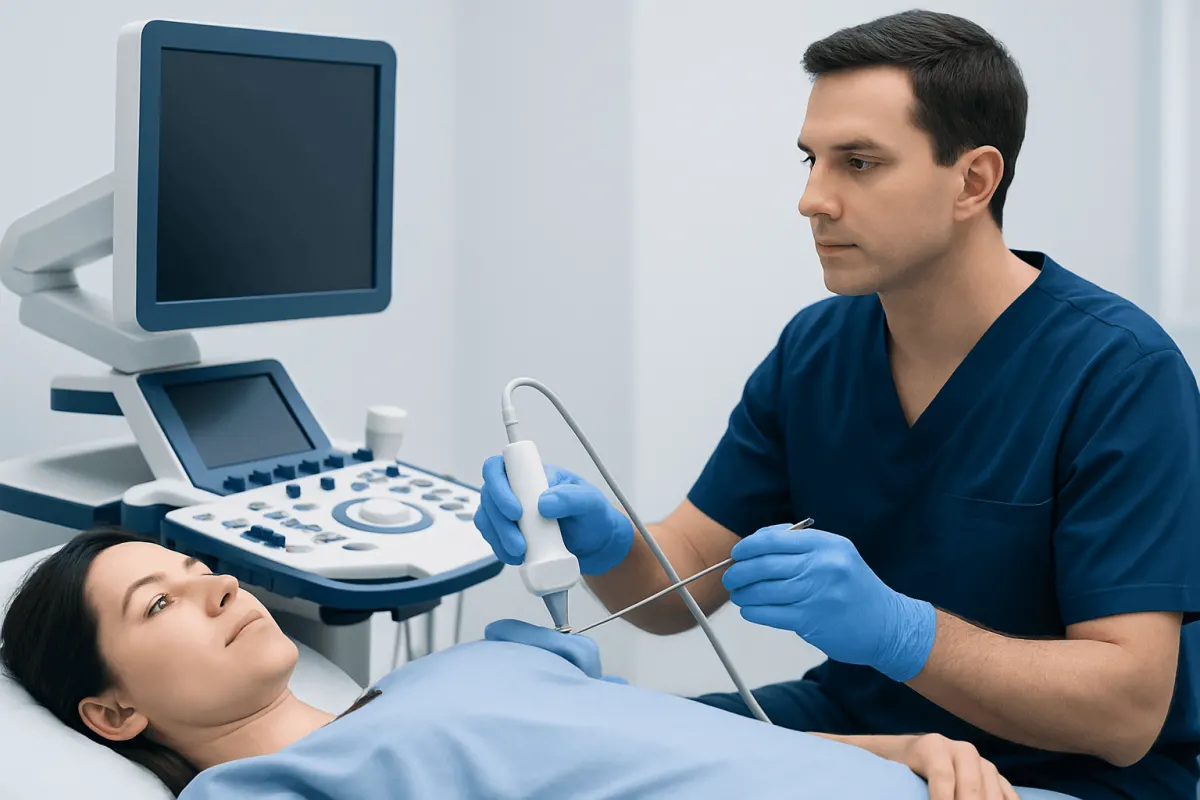
For a percutaneous liver biopsy, the person usually lies on their back or slightly turned to one side. The skin over the right upper abdomen is cleaned, and a local anaesthetic is injected to numb the area. Imaging guidance helps the clinician identify the safest location and avoid nearby structures. Sedation may be offered in some settings, but many people remain awake and comfortable with local anaesthetic alone.
When the area is numb, the clinician may ask the person to hold their breath briefly while the biopsy needle collects the sample. The active needle pass commonly takes only a moment. A dressing is then applied, and the tissue sample is sent to a laboratory. The procedure itself is usually short, although preparation and post-procedure observation take longer.
With a transjugular liver biopsy, local anaesthetic is used at the neck. A thin tube is guided through a neck vein toward the liver using X-ray imaging, and the sample is obtained from within the venous system. This method can reduce the chance of bleeding into the abdomen for people at higher risk. The care team explains which approach is recommended and why.
The purpose of a biopsy is to obtain a representative tissue sample, not to remove a liver tumour or treat liver disease. If a mass is present, the clinician may target it specifically. In other cases, the sample is taken from the liver tissue most likely to help assess diffuse inflammation or fibrosis.
Is a Liver Biopsy Considered Major Surgery?
No. A standard liver biopsy is not considered major surgery. Most are minimally invasive needle procedures performed with local anaesthetic, imaging guidance and several hours of observation. They do not involve a large incision, general anaesthesia or an overnight hospital stay in many cases.
However, it is still an invasive procedure because a needle enters the liver, which has a rich blood supply. Careful screening and recovery monitoring are important. A surgical or laparoscopic biopsy may be part of another planned operation and has different preparation and recovery needs.
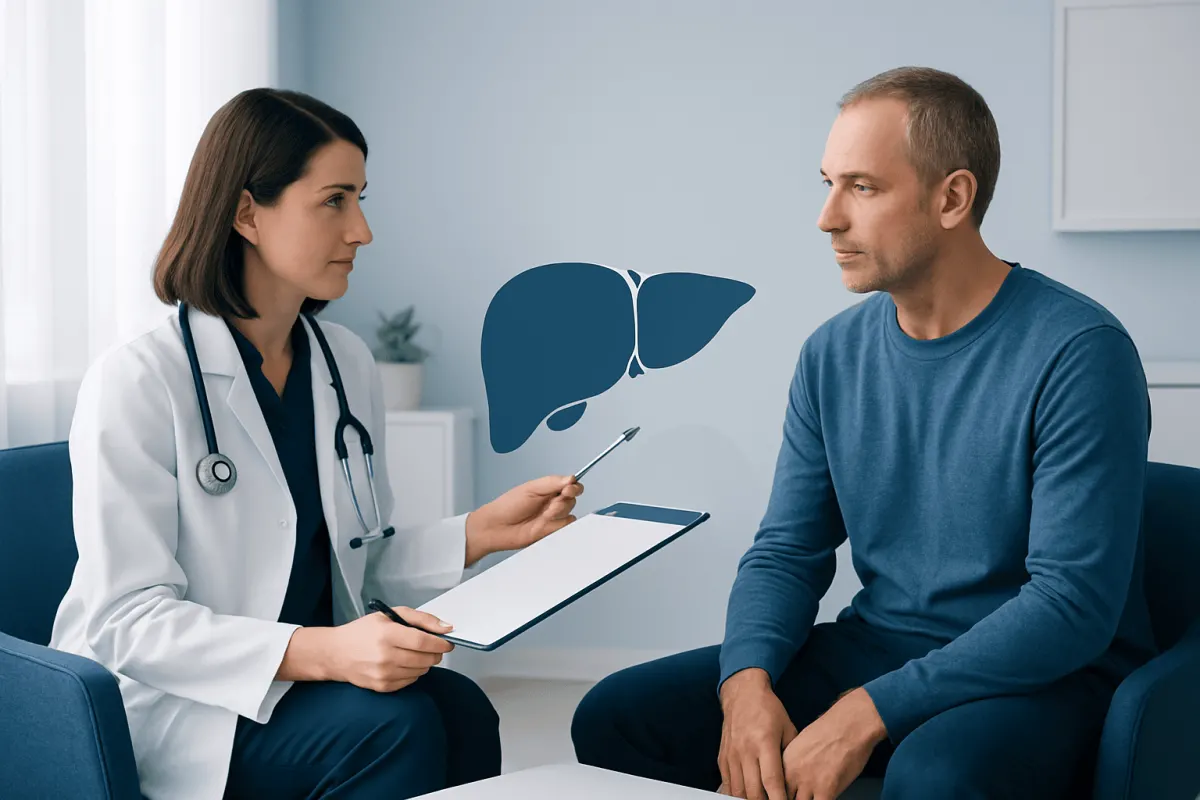
The clinician will discuss the expected benefits, alternatives and individual risks before consent is given. People should feel comfortable asking why a biopsy is needed, what method will be used and whether a non-invasive test could provide adequate information.
Is a Liver Biopsy Very Painful?
Most people do not describe a liver biopsy as very painful, although experiences vary. The local anaesthetic injection can briefly sting or burn, and there may be pressure or a short sharp sensation when the sample is taken. Some people feel temporary pain in the right upper abdomen or referred discomfort in the right shoulder afterward.
Mild soreness is common and is usually managed with the pain relief recommended by the care team. Paracetamol may be suitable for many people, while anti-inflammatory medicines may need to be avoided around the procedure because they can affect bleeding risk. It is important not to take any medicine unless it has been approved by the treating clinician.
Severe, increasing or persistent pain is not expected and should be reported promptly. The care team observes patients after the procedure because pain accompanied by faintness, sweating, a fast heartbeat or low blood pressure can occasionally signal bleeding or another complication.
Recovery, Rest and Possible Risks
After the biopsy, the person is monitored in a recovery area, usually for several hours. Staff check blood pressure, pulse, comfort and the biopsy site. Depending on the method used, the person may be asked to lie in a particular position for a period of time. Most people need someone else to drive them home, particularly if sedation was used.
How long should I rest after a liver biopsy? Rest is generally advised for the remainder of the day after a liver biopsy. Many people can return to quiet daily activities the next day, but should avoid strenuous exercise, heavy lifting and physically demanding work for about one week or for the period recommended by their clinician. Recovery instructions can differ according to the biopsy technique, medical condition and any medicines taken.
The most important possible complication is bleeding, which is uncommon but can be serious. Other less common risks include injury to nearby organs, infection, leakage of bile, a reaction to sedation or a collapsed lung if the needle path is close to the chest. Ultrasound or CT guidance, pre-procedure clotting checks and appropriate technique help reduce these risks, but cannot eliminate them completely.
During recovery, people should keep the dressing clean and follow the centre’s instructions on bathing, food, medicines, travel and work. Alcohol avoidance may be advised, especially when the liver is inflamed or healing. The doctor should be contacted if any instructions are unclear.
Understanding Liver Biopsy Results and Cancer Questions
Biopsy samples are processed, stained and examined under a microscope. Results may take several days to around two weeks, depending on the tests needed. The pathology report may describe inflammation, fat accumulation, fibrosis, cirrhosis, infection, iron deposits, abnormal immune activity or tumour cells. The treating clinician interprets this information alongside imaging, blood tests and the person’s overall health.
What percentage of liver biopsies show cancer? There is no single meaningful percentage. The chance of finding cancer depends greatly on why the biopsy was ordered: a sample targeted to a suspicious liver mass has a different likelihood of showing cancer than a biopsy performed to assess unexplained abnormal liver enzymes or fibrosis. Many liver biopsies are performed for non-cancer conditions, so a biopsy recommendation alone does not mean that cancer is likely.
If cancerous cells are identified, further imaging and specialist review are usually needed to determine the type, origin and extent of disease before treatment planning. Some lesions in the liver are benign, and some cancers found in the liver began elsewhere in the body. A pathology result is therefore one important part of a wider diagnostic assessment.
For patients who need coordinated investigation or management of liver conditions, Acıbadem Health Point’s multidisciplinary specialists and JCI-accredited hospitals support diagnosis and treatment for international patients.
When to Seek Medical Care
Urgent medical care is needed after a liver biopsy for severe or worsening abdominal or shoulder pain, fainting, marked dizziness, weakness, shortness of breath, chest pain, fever, chills, vomiting, a rapidly increasing abdominal swelling or bleeding that does not stop. These symptoms are uncommon, but they should not be ignored because they may indicate a complication requiring prompt assessment.
People should also contact their clinician if redness, warmth, discharge or increasing tenderness develops at the biopsy site, or if they have questions about restarting regular medicines. If symptoms that led to the biopsy worsen before results are available, the treating team should be informed.
Once results are ready, a follow-up appointment helps ensure that findings are explained clearly and that next steps are appropriate. These may include monitoring, lifestyle measures, medication, specialist referral or further imaging. Decisions should be individualized and made with a qualified healthcare professional.
Frequently asked questions
01How long does a liver biopsy procedure take?
The needle sampling portion of a percutaneous liver biopsy often takes only a few minutes. Preparation, imaging guidance and recovery observation mean that the full visit commonly lasts several hours. A transjugular or surgical approach may take longer.
02Can a person eat before a liver biopsy?
Fasting instructions vary by biopsy method, use of sedation and the person’s health conditions. Many people are asked not to eat or drink for a defined period beforehand. The specific instructions from the biopsy centre should always take priority.
03When can normal activities resume after a liver biopsy?
Quiet activities can often resume the day after an uncomplicated biopsy. Heavy lifting, vigorous exercise and physically demanding work are usually avoided for about a week or as advised by the medical team. People who received sedation should not drive or make important decisions until the effects have fully worn off.
04What does a liver biopsy result showing fibrosis mean?
Fibrosis means scar tissue has developed in the liver, usually as a response to long-term injury or inflammation. A biopsy can help estimate how extensive the scarring is and support decisions about treatment and monitoring. Fibrosis may stabilize or improve when its underlying cause is effectively addressed, depending on the condition and stage.
05Is a liver biopsy always needed to diagnose fatty liver disease?
No. Many cases can be assessed using medical history, blood tests, imaging and non-invasive fibrosis tests. A biopsy may be considered when the diagnosis is uncertain, when clinicians need to distinguish different causes of liver injury or when the degree of inflammation and scarring will affect management.
06Can liver biopsy results be wrong?
A biopsy is a valuable diagnostic tool, but it samples only a small part of the liver. Liver disease can be unevenly distributed, and interpretation is considered alongside scans, laboratory results and clinical information. If findings do not fit the wider picture, the clinician may recommend additional tests or follow-up.
This article is for general information only and is not a substitute for professional medical advice. Please consult a qualified doctor about your individual situation.
Oncology care in Turkey — second opinion and treatment plan
JCI-accredited · board-certified surgeons · reply within 24h
Add us as a Preferred Source to see more of our trusted health content across Google Search, AI Overviews and Discover.