1 Week Colonoscopy Diet Sheet: Foods to Choose

A 1 week colonoscopy diet sheet usually starts with lower-fiber food choices several days before the test and changes to clear liquids on the day before, depending on the clinician’s instructions. The exact plan matters because a clean bowel helps the doctor examine the colon accurately and safely.
Overview: using a 1 week colonoscopy diet sheet
A 1 week colonoscopy diet sheet is a practical way to plan food and drink choices before a colonoscopy. Many people can eat normally until a few days before the examination, while others are advised to begin a low-fiber diet earlier because of constipation, previous inadequate preparation, diabetes, digestive conditions or a clinician’s preference. The endoscopy unit’s written instructions should always take priority over a general guide.
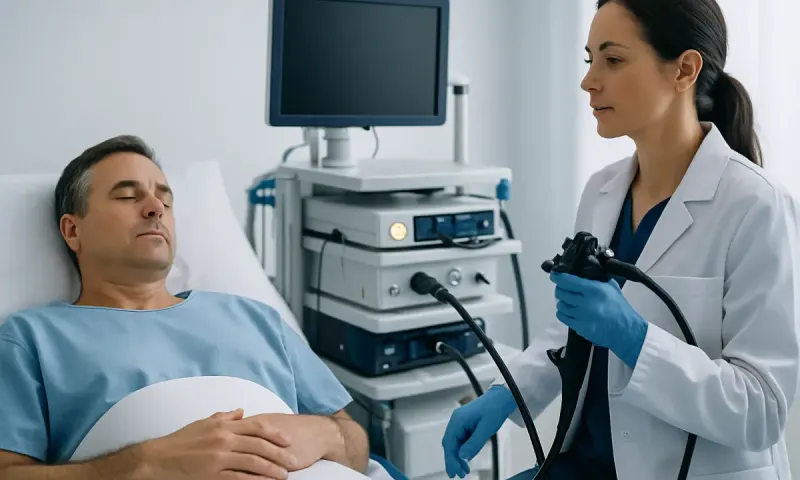
Colonoscopy is a procedure that examines the lining of the rectum and colon using a flexible tube with a small camera. It may be used for screening, investigating symptoms such as rectal bleeding or ongoing bowel changes, monitoring Ulcerative Colitis, and Flares" class="ahp-ilk">inflammatory bowel disease, or removing polyps. A clean colon is essential: retained stool or food residue can obscure small abnormalities and may mean the test needs to be repeated.
Diet is only one part of preparation. Patients are also prescribed a bowel-cleansing solution or laxative plan, often taken in split doses. They should tell the care team about all medicines, allergies, kidney or heart conditions, pregnancy, diabetes, constipation, and prior problems with bowel preparation or sedation.
What should I eat 7 days before a colonoscopy?
For many patients, seven days before a colonoscopy is mainly a time to organize preparation instructions, prescriptions and transport home after sedation. Unless the clinician has advised an early low-fiber diet, normal balanced meals may still be appropriate at this stage. However, it is often helpful to reduce foods that can leave hard-to-clear residue, especially if a person is prone to constipation or has previously had an incomplete bowel preparation.
Examples of foods that may be limited during the week before the test include seeds, nuts, popcorn, whole grains, bran cereals, dried fruit and raw vegetables with tough skins. Seeds in foods such as tomatoes, berries, grapes, kiwi and seeded bread may also be discouraged by some units. This does not mean every person must avoid these foods for a full week; the individual preparation plan is the deciding factor.
As the procedure approaches, commonly tolerated lower-fiber choices include white bread or plain rolls, white rice, pasta, peeled potatoes, eggs, tender chicken or fish, yogurt without fruit pieces, cheese, smooth soups and well-cooked vegetables without skins or seeds. Staying well hydrated is important unless a clinician has placed fluid restrictions because of a medical condition.
- Seven to five days before: review instructions, avoid constipation, and ask whether an early low-fiber diet is needed.
- Three to two days before: many plans recommend lower-fiber meals and avoiding high-residue foods.
- Day before: clear liquids only for most standard preparations, plus the prescribed bowel-cleansing medicine.
- Procedure day: stop drinking at the time specified by the endoscopy team, which may vary with sedation and local policy.
Two days before: eggs, sandwiches and low-fiber choices

Can I eat scrambled eggs 2 days before a colonoscopy? In many preparation plans, plain scrambled eggs are allowed two days before a colonoscopy because they are low in fiber and do not usually leave significant residue. They should be prepared simply, without vegetables, seeds, whole-grain toast or high-fiber side dishes. Individual instructions may be stricter, particularly for people with slow bowel transit or a history of poor preparation.
Can I eat a turkey sandwich 2 days before a colonoscopy? A simple turkey sandwich may be acceptable if it is made with white bread and contains plain sliced turkey without salad, tomato, cucumber, onion, seeds or whole-grain bread. Cheese or a small amount of smooth mayonnaise may be allowed in many plans. A sandwich on multigrain bread, with seeded rolls or raw vegetables, is less suitable because those ingredients add fiber and residue.
The day before the procedure is different. Most people must stop solid food and have only approved clear liquids, such as water, strained clear broth, plain tea or coffee without milk, apple juice, white grape juice, clear soft drinks, electrolyte drinks and ice pops that do not contain milk or pulp. Red, purple or blue liquids are often avoided because they can resemble blood or stain the bowel lining during the examination.
How colonoscopy preparation and the procedure work
Colonoscopy preparation works by emptying the colon. The prescribed solution draws water into the bowel or stimulates bowel movements, producing progressively loose stools until the output is mostly clear or yellow liquid. A split-dose regimen, with part taken the evening before and part taken several hours before the appointment, is often used because it can improve cleansing quality. Patients should follow the exact times provided by their clinical team.
On arrival, the team reviews medical history, medicines and consent, and checks whether the preparation has been effective. A clinician may give sedation or anesthesia so that the patient is relaxed or asleep, depending on local practice and individual needs. During the examination, the colonoscope is gently advanced through the rectum and colon while the doctor views the lining on a monitor.
Air or carbon dioxide may be introduced to open the bowel and improve visibility. If polyps are found, they can often be removed during the same procedure and sent for laboratory examination. Tissue samples may also be taken to investigate inflammation, infection or other abnormalities. The examination itself commonly takes less than an hour, although time varies if treatment is needed.
A colonoscopy may be appropriate for routine colorectal cancer screening based on age and personal risk, or for symptoms and follow-up care. People with a family history of colorectal cancer, prior polyps, inflammatory bowel disease, unexplained anemia, rectal bleeding or a persistent change in bowel habits may need earlier or more frequent assessment. The clinician determines whether colonoscopy, another test or a different pathway is suitable.
Will I be on the toilet all night with colonoscopy prep?
Will I be on the toilet all night with colonoscopy prep? The bowel-cleansing medicine usually causes frequent, urgent watery bowel movements for several hours, particularly after each dose. Some people need to stay close to a toilet for much of the evening, and a split-dose plan may also cause bowel movements early on the morning of the procedure. The experience is temporary and is an expected sign that the medicine is clearing the bowel.
It can help to remain at home, wear comfortable clothing, keep approved clear drinks nearby and use soft toilet paper or unscented wipes. Applying a protective barrier cream around the anus may reduce soreness from repeated wiping. Drinking the recommended clear fluids can help replace losses and may make the preparation easier to tolerate.
Patients should contact the endoscopy team if they cannot keep the preparation down, have persistent vomiting, are unable to drink fluids, feel faint, develop severe abdominal pain or have no bowel movements after completing the preparation. They should not stop or alter the preparation without advice, as inadequate cleansing may delay diagnosis or require a repeat procedure.
Recovery, results, benefits and possible risks
After colonoscopy, patients recover in a monitored area until the effects of sedation have worn off. Mild bloating, passing gas or brief cramping can occur because air or carbon dioxide was used during the examination. People who receive sedation usually need a responsible adult to take them home and should avoid driving, operating machinery, drinking alcohol, signing important documents or making major decisions until the following day or for the period advised by their care team.
Some findings may be discussed immediately, including whether polyps were removed or whether the bowel preparation was adequate. Results from biopsies and polyp analysis take longer because the samples are examined in a laboratory. The doctor explains when and how results will be communicated, as well as whether further testing or follow-up colonoscopy is needed.
The principal benefit of colonoscopy is direct examination of the colon, with the ability to take biopsies and remove many polyps during the same visit. As with all invasive procedures, risks exist but serious complications are uncommon. Possible complications include bleeding, especially after polyp removal, a reaction to sedative medicines, dehydration from bowel preparation, infection and, rarely, a tear in the bowel wall.
Acıbadem Health Point’s multidisciplinary specialists and JCI-accredited hospitals provide diagnostic evaluation and colonoscopy care for international patients. A gastroenterology team can also advise on preparation modifications for chronic conditions, complex medicines and previous incomplete examinations.
When to seek medical care
Before the procedure, patients should seek advice promptly if they have severe constipation, kidney disease, heart failure, diabetes, a history of bowel obstruction, or take medicines such as anticoagulants, antiplatelet drugs, insulin, oral diabetes medicines, iron supplements or medications that affect stomach emptying. These situations do not necessarily prevent colonoscopy, but the diet, medication schedule and bowel preparation may need adjustment.
After colonoscopy, urgent medical assessment is appropriate for severe or worsening abdominal pain, a hard or swollen abdomen, fever, persistent vomiting, dizziness or fainting, shortness of breath, or substantial rectal bleeding. A small amount of blood after a biopsy or polyp removal can occur, but heavy bleeding, clots or bleeding that continues should not be ignored.
New rectal bleeding, unexplained weight loss, black stools, persistent diarrhea or constipation, ongoing abdominal pain, or unexplained iron-deficiency anemia should also be discussed with a qualified doctor. These symptoms have many possible causes, and early assessment helps identify the most appropriate next step.
Frequently asked questions
01When should I start a low-fiber diet before a colonoscopy?
Many people start a low-fiber diet two to three days before the procedure, but some are asked to start earlier. The timing depends on the bowel-preparation product, constipation history and instructions from the endoscopy unit. The written plan from the clinician should be followed exactly.
02Can I drink coffee before a colonoscopy?
Plain black coffee may be permitted while clear liquids are allowed, depending on the center’s instructions. Milk, cream and non-dairy creamers are usually not allowed once the clear-liquid phase begins because they are not transparent liquids. Patients should also stop all liquids at the specified time before the procedure.
03Why are red and purple drinks avoided before colonoscopy?
Red, purple and sometimes blue food coloring can stain the bowel lining or resemble blood during the examination. Avoiding these colors helps the doctor interpret the findings more accurately. The preparation instructions usually list which drinks and ice pops are acceptable.
04What if my stool is not clear before leaving for the appointment?
The final bowel movements should generally be watery and yellow to clear, without solid particles. If stool remains brown, cloudy or contains solid material, the patient should call the endoscopy unit for guidance. Do not assume the procedure can proceed without checking, because visibility may be limited.
05Can I take my usual medicines before a colonoscopy?
Some medicines can be continued with small sips of water, but others require adjustment. Blood thinners, diabetes medicines, iron supplements and medicines that affect digestion deserve particular attention. Patients should ask the prescribing clinician or endoscopy team well before the appointment rather than stopping important medicines on their own.
06How long does it take to recover from a colonoscopy?
Most people feel physically well later the same day, although bloating and tiredness can persist for several hours. Sedation can impair alertness longer than the procedure itself, so driving and important decisions should be avoided for the advised period. If a polyp is removed, the doctor may provide additional activity and diet guidance.
This article is for general information only and is not a substitute for professional medical advice. Please consult a qualified doctor about your individual situation.
Persistent digestive symptoms? Get evaluated in Turkey
JCI-accredited · board-certified surgeons · reply within 24h
Add us as a Preferred Source to see more of our trusted health content across Google Search, AI Overviews and Discover.