Cataracts: Symptoms, Causes and Treatment

Key Takeaways
- Cataract symptoms often begin with subtle blurred or cloudy vision and slowly become more noticeable.
- Glare, halos around lights, faded colors, and difficulty reading are common warning signs.
- An eye examination can confirm whether cataracts are the cause or whether another eye condition is involved.
- Treatment is based on how much the symptoms affect daily life, not only on how the lens looks.
- Simple changes such as better lighting or updated glasses may help early on, but surgery is the only way to remove a cataract.
Cataracts usually develop gradually, so the early changes can be easy to dismiss as tired eyes or an outdated glasses prescription. Recognizing the pattern of symptoms helps people seek the right eye evaluation at the right time.
Overview
Cataracts are a common eye condition in which the eye’s natural lens becomes less clear over time. When that lens no longer lets light pass through smoothly, vision can start to look soft, misty, or washed out. Because the change usually happens slowly, many people adapt without realizing how much their sight has shifted.
The first clues are often practical rather than dramatic. A person may notice that reading takes more effort, night driving feels uncomfortable, or bright sunlight seems harsher than it used to. These changes can affect work, travel, and confidence in everyday movement, which is why cataract symptoms deserve attention even when they seem minor at first.
For international patients, eye symptoms can become especially inconvenient during trips, business travel, or long-distance family visits. A clear diagnosis helps determine whether the issue is a cataract, a need for a new prescription, or another eye problem that requires different care.
Symptoms
Cataract symptoms often appear gradually and may affect both eyes, though one eye can seem worse than the other. A person may describe vision as blurry, cloudy, or as if looking through a pane of frosted glass. Some people also notice that colors no longer look as vivid as they once did.
Several common changes can point toward cataracts:
- Blurred or hazy vision
- Increased sensitivity to light and glare
- Halos around lamps, headlights, or streetlights
- Need for brighter light to read or sew
- Fading or yellowing of colors
- Difficulty seeing well at night
- Frequent changes in eyeglass prescription
- Double vision in one eye in some cases
The exact pattern can vary. Some cataracts mainly affect near tasks such as reading, while others make distance vision worse or create more difficulty with glare than with blur. A person may also find that one eye seems to be doing more of the work, which can be tiring.
Because these symptoms overlap with other eye conditions, self-diagnosis is not reliable. A proper eye examination can show whether the lens is the main issue or whether something else, such as dry eye, macular disease, or glaucoma, is also involved.
Causes & Risk Factors

Cataracts most often develop with age, as natural changes in the lens gradually affect its clarity. This is the most common reason, but it is not the only one. Some cataracts are linked to earlier eye injury, previous eye surgery, or long-term inflammation inside the eye.
Other factors may increase the likelihood of cataracts or make them appear earlier than expected. These include diabetes, smoking, prolonged exposure to ultraviolet light, long-term use of corticosteroid medicines, and a family history of cataracts. People with certain medical conditions or occupations that involve strong sunlight exposure may also be at higher risk.
It is helpful to remember that a risk factor does not mean cataracts are inevitable. Many people with one or more of these factors never develop significant vision problems, and many others manage the condition well once it is recognized.
Diagnosis
Doctors usually diagnose cataracts during a comprehensive eye examination. The visit often begins with questions about the symptoms: when they started, whether they affect one eye or both, and which daily activities have become harder. This history gives important clues about how much the vision change is interfering with life.
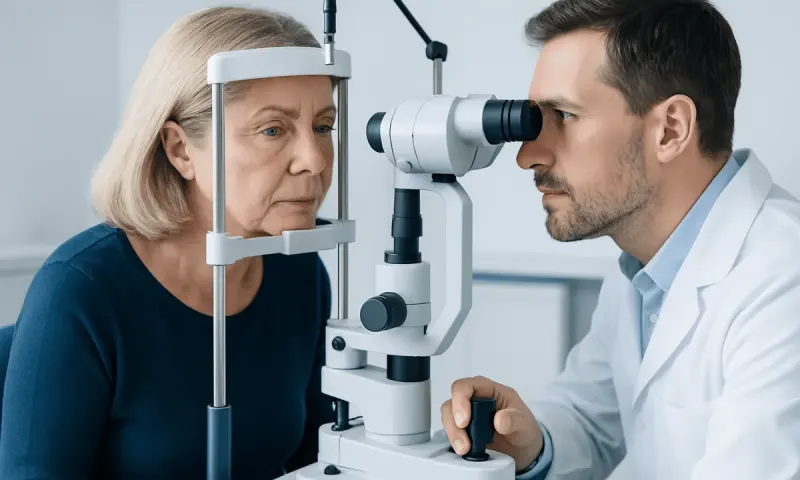
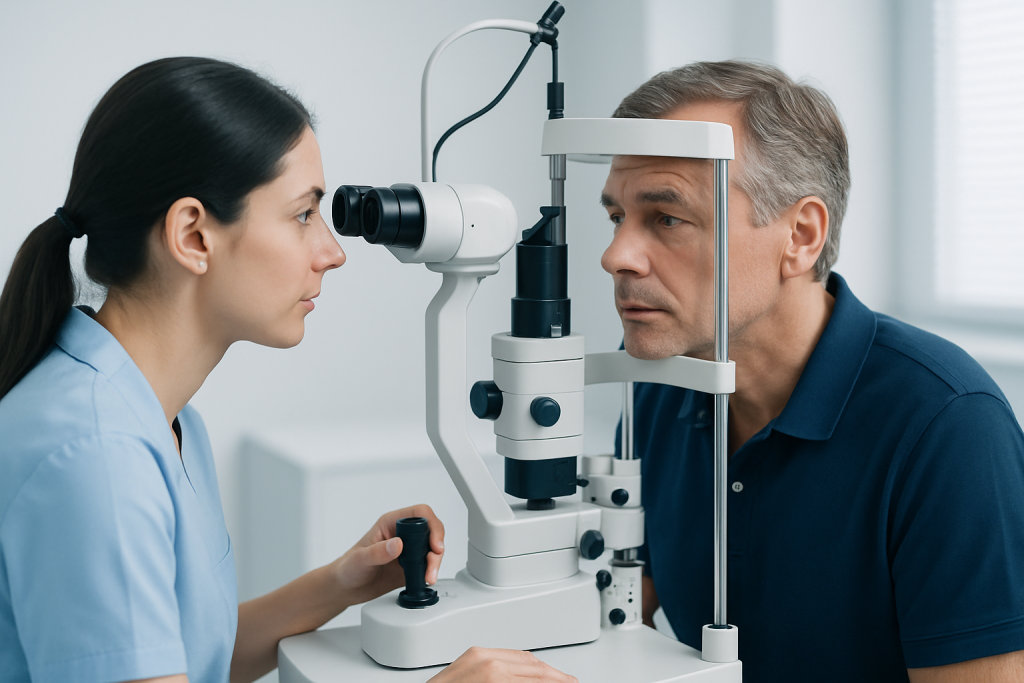
Eye testing may include checking visual acuity, examining the lens with a slit-lamp microscope, and measuring the retina and optic nerve to look for other causes of blurred vision. In some cases, eye drops are used to widen the pupil so the doctor can see the back of the eye more clearly.
The evaluation is not only about confirming cataracts. It also helps determine whether surgery is likely to improve vision and whether another condition needs treatment first. For patients traveling from abroad, this staged approach can be useful because it clarifies whether the plan should be simple monitoring, updated glasses, or a surgical consultation.
Treatment Options
Treatment depends on how much the cataract symptoms affect daily activities. In the early stages, stronger lighting, anti-glare lenses, updated glasses, and magnifying aids may improve function enough to delay surgery. These steps do not remove the cataract, but they can make day-to-day tasks easier while vision is still fairly usable.
When symptoms begin to interfere with reading, driving, work, or safe movement, cataract surgery is usually the main treatment. During surgery, the cloudy natural lens is removed and replaced with a clear artificial lens called an intraocular lens. It is a commonly performed procedure and is typically planned after a full preoperative assessment to match the lens choice with the person’s eye and lifestyle needs.
Recovery plans vary, but patients are usually given instructions on eye drops, activity limits, and follow-up visits. People traveling from another country may need to think ahead about postoperative checkups, local medication access, and the timing of their return journey. A clear discussion with the eye team before travel helps make recovery smoother and safer.
Prevention & Self-care
Not every cataract can be prevented, especially age-related changes. Still, some habits may help protect the eyes and support overall eye health. Wearing sunglasses that block ultraviolet light, not smoking, and managing conditions such as diabetes are sensible steps for many adults.
Self-care is also about noticing patterns. If reading takes longer, night driving feels less comfortable, or one eye seems noticeably cloudier than the other, it is worth scheduling an eye exam rather than waiting for the change to become frustrating. Early assessment can prevent unnecessary strain and help distinguish cataracts from other treatable eye problems.
Practical adjustments can make everyday life easier while a person is deciding on treatment:
- Use brighter, well-placed lighting for reading and close work
- Reduce glare with curtains, hats, or anti-glare lenses
- Keep regular eye checks, especially after age 60 or with diabetes
- Bring a current list of medicines to eye appointments
- Ask about vision changes before planning long drives or travel
When to See a Doctor
An eye doctor should be seen when cloudy or blurred vision starts to affect routine tasks, even if the change seems gradual. It is especially important to arrange an evaluation if glare makes night driving difficult, colors look dull, or a recent glasses update no longer seems to help.
Prompt care is also wise if vision changes are sudden, one eye becomes painful, flashes of light appear, or new floaters are present. Those symptoms may not be typical of cataracts and can signal a different eye problem that needs timely attention.
For patients considering treatment while abroad, an eye consultation can help with planning. Acibadem Health Point’s multidisciplinary specialists and JCI-accredited hospitals diagnose and treat cataracts for international patients, with coordinated care that supports both the procedure and the follow-up needed after travel.
Living with Cataract Symptoms
Living with cataract symptoms often means adjusting routines before deciding on surgery. Many people continue normal activities for a while with help from better lighting, updated prescriptions, and careful planning for night driving or low-light situations. The key is to keep the symptoms in view rather than assuming they are a normal and unavoidable part of getting older.
It can also help to prepare questions for the eye specialist: Which eye is more affected? Is surgery the best next step? What type of lens might suit reading, distance work, or mixed needs? These conversations are especially useful for international patients who may need to coordinate care around travel schedules and recovery at home.
When cataract symptoms are clearly limiting life, treatment can be straightforward and highly individualized. The right timing is usually the one that matches the person’s vision needs, safety, and daily responsibilities.
Frequently asked questions
01What do cataract symptoms usually feel like at first?
At first, cataract symptoms often feel like a mild blur or cloudiness rather than a dramatic vision loss. Some people notice more glare, slower reading, or that colors seem less bright. Because the changes happen gradually, they are easy to mistake for normal eye strain or an outdated prescription.
02Can cataracts cause headaches or eye pain?
Cataracts themselves usually do not cause eye pain. Headaches or discomfort are more often related to eye strain, dry eye, or another condition. If pain is present, an eye doctor should evaluate the symptoms rather than assuming they are from cataracts.
03How can a person tell cataracts from needing new glasses?
Both can cause blurred vision, but cataracts often bring glare, faded colors, and trouble with night vision in addition to blur. A new glasses prescription may improve vision if the main issue is refractive error, while cataract-related blur usually persists. An eye examination is the best way to tell the difference.
04Is it safe to travel after cataract treatment?
Many people do travel after cataract surgery, but timing depends on how they are healing and what follow-up is needed. The eye team should advise on when flying or long-distance travel is appropriate. Planning ahead is especially important for patients recovering in another country.
This article is for general information only and is not a substitute for professional medical advice. Please consult a qualified doctor about your individual situation.
Explore treatments in Turkey — costs, top hospitals & a free quote
JCI-accredited · board-certified surgeons · reply within 24h
Add us as a Preferred Source to see more of our trusted health content across Google Search, AI Overviews and Discover.