Cataracts vs Presbyopia: Why Reading Vision Changes With Age

Many people notice that reading becomes harder with age, but the cause is not always the same. Presbyopia and cataracts are both common age-related eye changes, yet they affect vision in different ways and are diagnosed and treated differently.
Overview: How Cataracts and Presbyopia Differ
Reading vision often changes with age, but not every change means the same thing. Two of the most common reasons are presbyopia and cataracts. Both become more likely over time, and both can make everyday tasks such as reading a phone screen, checking labels, or sewing more difficult.
Presbyopia happens when the eye gradually loses its ability to focus on close objects. This is a normal age-related change in the lens and the muscles involved in focusing. It does not mean the eye is diseased, but it can still be frustrating because near tasks become less comfortable.
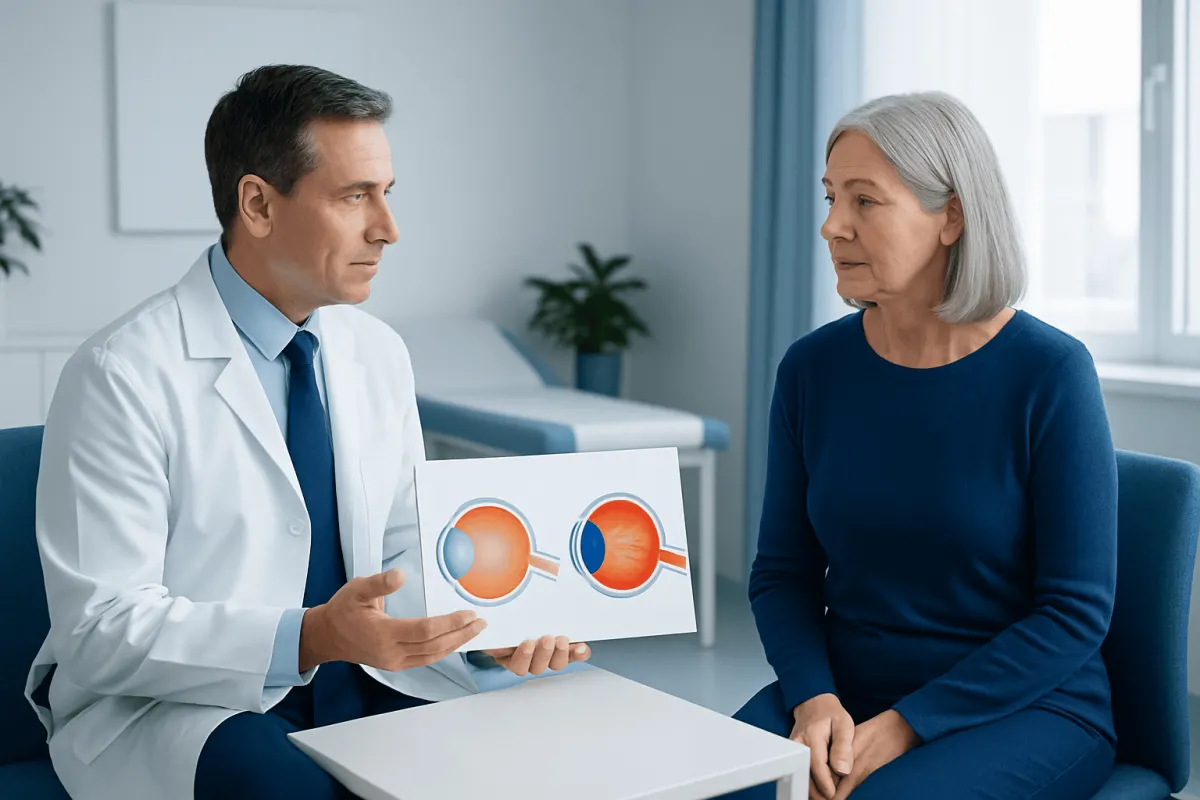
Cataracts are different. A cataract develops when the eye’s natural lens becomes cloudy. Instead of a focusing problem alone, cataracts reduce the clarity of the image entering the eye. This can make vision seem dim, hazy, or washed out and may affect distance vision, near vision, contrast, and night driving.
Because the symptoms can overlap, many people are unsure whether they need reading glasses or an evaluation for cataracts. A professional eye examination is the best way to tell the difference and identify whether one or both conditions are present at the same time.
Symptoms: What People Usually Notice
Presbyopia most often shows up as difficulty seeing things up close. A person may start holding books, menus, or a phone farther away to make the print look clearer. Reading in dim light may become more tiring, and close work can cause eye strain or headaches after long periods.
Cataracts often cause a broader change in visual quality. Vision may look cloudy or blurry even with glasses. Bright sunlight, headlights, or indoor glare can feel more bothersome. Some people notice halos around lights, trouble driving at night, or colors appearing less vivid than before.
Although both conditions can make reading harder, the pattern is often different. Presbyopia mainly affects near focus, while cataracts can reduce overall sharpness and contrast at multiple distances. It is also possible for symptoms to change gradually enough that a person adapts without realizing how much vision has shifted.
- Common signs of presbyopia: needing to hold reading material farther away, needing brighter light, blurred near vision, eye fatigue during close work
- Common signs of cataracts: cloudy vision, glare sensitivity, halos around lights, faded colors, poorer night vision, frequent changes in glasses prescription
Causes and Risk Factors
Presbyopia is considered a natural part of aging. Over time, the eye’s lens becomes less flexible, so it cannot change shape as easily to focus on nearby objects. This process usually begins to become noticeable in the 40s and continues gradually over the years.
Cataracts are also strongly linked to aging, but they involve clouding of the lens rather than loss of flexibility. As proteins in the lens change over time, the lens can become less transparent. Age-related cataracts are the most common type, but cataracts can also be influenced by other factors.
Risk factors for cataracts include diabetes, smoking, long-term exposure to ultraviolet light, previous eye injury, certain medications such as prolonged corticosteroid use, and some past eye surgeries. A family history may also play a role. Presbyopia, by contrast, is nearly universal with age and is not usually preventable in the same way.
Some people have both conditions at once. For example, someone may first develop presbyopia and later notice additional cloudiness from cataracts. When both are present, reading difficulty may not improve fully with simple reading glasses alone, making an eye exam especially important.
Diagnosis: How Eye Doctors Tell Them Apart
A comprehensive eye examination can usually distinguish presbyopia from cataracts. The eye doctor will ask about symptoms, when they began, and whether they are worse at near distances, in bright light, or at night. This history often provides important clues.
Vision testing is used to measure how well a person sees at different distances. Refraction testing helps determine whether glasses can improve the blur. In presbyopia, the main finding is reduced near focusing ability. In cataracts, vision may remain blurry or hazy even after adjusting the prescription, especially if the lens clouding is significant.
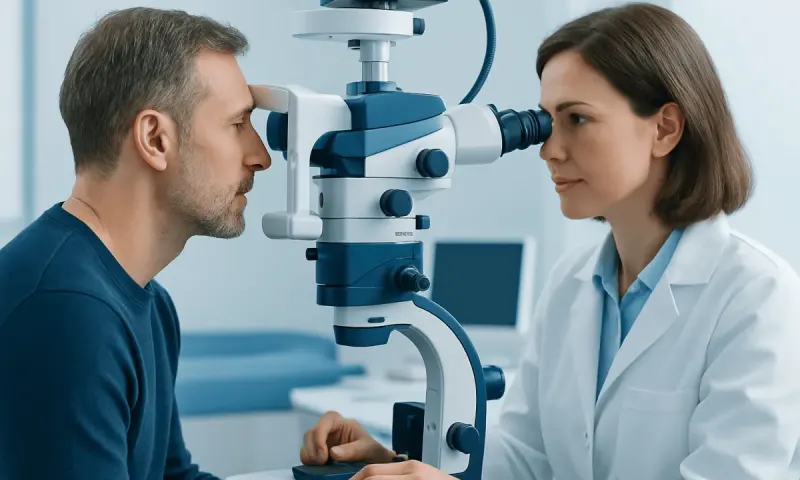
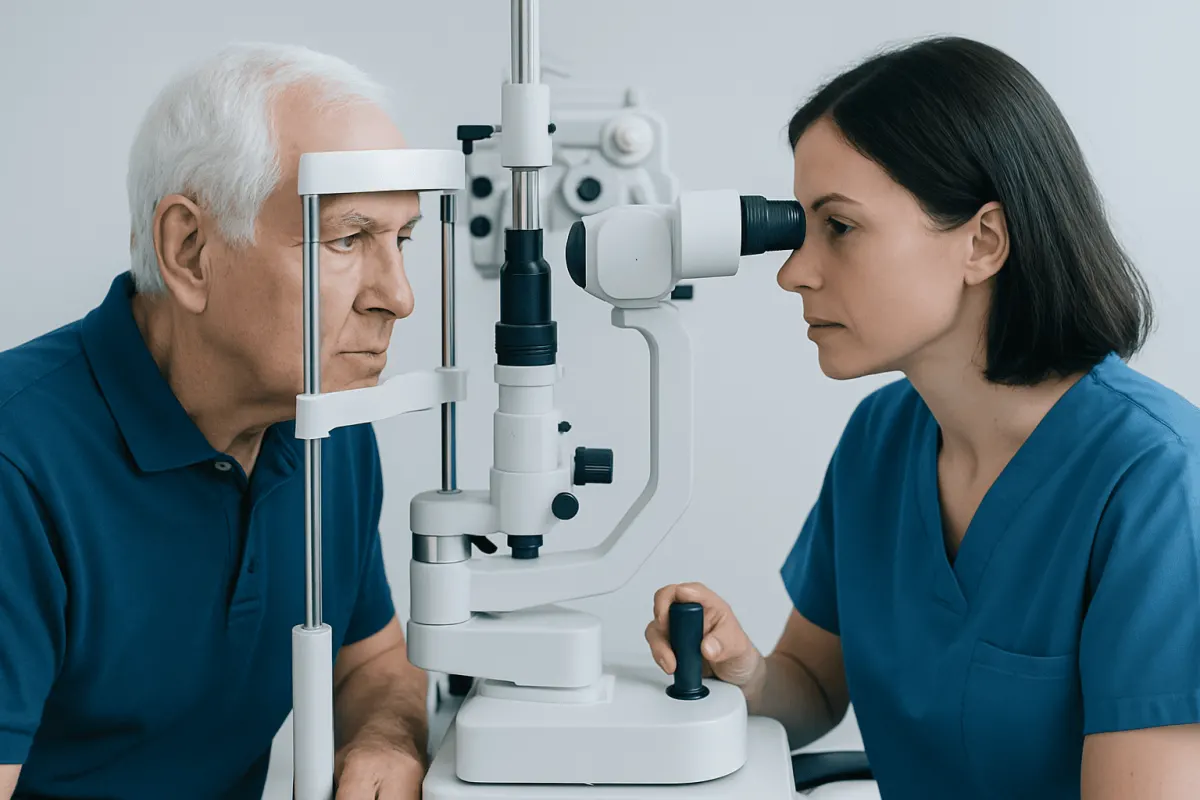
The doctor also examines the front structures of the eye and the natural lens using a slit-lamp microscope. This allows cataracts to be seen directly. Additional tests may check eye pressure, retinal health, and other conditions that can affect vision, especially in older adults.
It is important not to assume that all reading trouble is simply “normal aging.” Conditions such as dry eye, macular disease, or glaucoma can also affect vision. A timely assessment helps rule out other eye problems and supports the most appropriate treatment plan.
Treatment Options for Presbyopia and Cataracts
Treatment depends on the cause of the vision change and how much it affects daily life. Presbyopia is commonly managed with reading glasses, bifocals, progressive lenses, or contact lenses designed for near and distance vision. Better lighting and regular breaks during close work may also improve comfort.
Cataracts do not improve with medication, but in the early stages, stronger glasses, magnification, and brighter lighting may help for a time. If the clouding becomes significant and interferes with reading, driving, work, or independence, surgery may be recommended. During cataract surgery, the cloudy natural lens is removed and replaced with a clear artificial lens.
For some people, lens choices used in smart lens treatment may help address both cataract-related blur and some range-of-vision needs, although not every lens type suits every eye. The best option depends on eye health, visual goals, and the presence of other conditions. A specialist can explain the likely benefits and limitations of each choice.
If symptoms are due mainly to presbyopia and the natural lens is otherwise clear, surgery is not usually the first step. Instead, simple optical correction is often effective. If a person is unsure whether they need new glasses or an evaluation for surgery, an ophthalmology consultation can clarify the cause and available options.
Prevention and Self-Care
Presbyopia cannot be fully prevented because it is part of the normal aging process of the eye. However, symptoms can be managed well. Using the correct prescription, improving task lighting, enlarging text on digital devices, and taking breaks during reading can reduce strain and help near work feel easier.
Not all cataracts can be prevented either, but healthy habits may support long-term eye health. Wearing sunglasses that block ultraviolet light, avoiding smoking, controlling chronic conditions such as diabetes, and following regular eye checkups may help reduce risk or support earlier detection.
General eye comfort also matters. People who spend long hours on screens may benefit from blinking more often, adjusting screen brightness, and using appropriate eyewear. Dry eye can make blurred vision feel worse, so discussing irritation, burning, or fluctuating vision with a clinician is worthwhile.
Routine eye examinations become increasingly important with age, even when symptoms seem mild. Many vision changes happen gradually, and early evaluation can identify whether a person is dealing with straightforward presbyopia, evolving cataracts, or another eye condition that deserves attention.
When to See a Doctor
A person should consider an eye examination if reading has become noticeably harder, if they need more light than before, or if they are changing glasses frequently without good results. These symptoms may be due to presbyopia, cataracts, or another treatable eye issue.
Medical advice is especially important if blurry vision is accompanied by glare, halos, fading colors, double vision in one eye, or difficulty driving at night. These features are more suggestive of cataracts or other eye conditions that need proper evaluation. Sudden vision loss, flashes of light, a curtain-like shadow, or eye pain should be assessed urgently.
Older adults and people with diabetes, a history of steroid use, or previous eye injury should be especially attentive to changes in vision. Regular checkups can help detect lens changes early and support planning before vision problems become more disruptive.
When specialist care is needed, Acıbadem Health Point’s multidisciplinary eye specialists in JCI-accredited hospitals diagnose and treat age-related vision problems for international patients, including evaluation for comprehensive eye exams and treatment planning when surgery is appropriate.
Frequently asked questions
01How can someone tell if reading problems are from presbyopia or cataracts?
Presbyopia usually causes trouble focusing up close, especially when reading small print, while distance vision often stays relatively clear at first. Cataracts are more likely to cause cloudy vision, glare, halos, faded colors, or reduced clarity at several distances. An eye exam is the best way to tell the difference.
02At what age does presbyopia usually start?
Presbyopia often begins in the 40s, though the exact timing varies from person to person. It tends to progress gradually over time, making near tasks more difficult without reading correction.
03Can cataracts make reading difficult even with glasses?
Yes. Glasses may help in early cataracts, but if the lens becomes cloudier, vision can remain blurred or dim despite a new prescription. In those cases, surgery may be considered if daily activities are affected.
04Is presbyopia a disease?
No. Presbyopia is a normal age-related change in the eye’s focusing ability, not a disease. Even so, it can still interfere with comfort and reading, so many people benefit from glasses or other visual aids.
05Do cataracts always need surgery?
Not always. Cataract surgery is usually recommended when the clouding affects quality of life or makes important tasks such as reading, driving, or working difficult. In earlier stages, updated glasses and better lighting may help for some time.
06Can a person have both presbyopia and cataracts at the same time?
Yes, and this is common as people get older. Someone may first notice presbyopia and later develop cataracts, or both may contribute to blurred reading vision. A detailed eye assessment helps determine how much each condition is contributing.
This article is for general information only and is not a substitute for professional medical advice. Please consult a qualified doctor about your individual situation.
Explore treatments in Turkey — costs, top hospitals & a free quote
JCI-accredited · board-certified surgeons · reply within 24h
Add us as a Preferred Source to see more of our trusted health content across Google Search, AI Overviews and Discover.