Can Cataracts Be Reversed Without Surgery?
Cataracts are a common, usually gradual cause of cloudy vision, especially with aging. Although an established cataract cannot be reversed naturally or with eye drops, vision can often be improved effectively with cataract surgery when symptoms begin to affect daily life.
Can Cataracts Be Reversed?
Can cataracts be reversed? No. Once the eye’s natural lens has become cloudy, there is currently no proven medicine, supplement, diet, or exercise that can make that cataract disappear or restore the lens to its original clarity. This is usually not an emergency: most cataracts develop slowly and can be monitored until vision changes become bothersome.
The effective treatment for a cataract that interferes with reading, driving, work, hobbies, or independence is surgery. During this procedure, an ophthalmologist removes the cloudy natural lens and places a clear artificial lens in its position. Cataract surgery is widely used and is generally considered when the person’s visual needs, rather than the cataract’s appearance alone, support treatment.
Not every change in vision is caused by a cataract. New or sudden blurring, eye pain, redness, flashes of light, many new floaters, double vision, or a dark curtain across vision should be reviewed promptly, as these symptoms may indicate another eye problem requiring timely care.
What a Cataract Is and Why Vision Becomes Cloudy
A cataract is clouding of the natural lens inside the eye. The lens sits behind the colored part of the eye, called the iris, and focuses light onto the retina at the back of the eye. When the lens is clear, light can pass through it accurately. As proteins in the lens change and cluster over time, the lens becomes less transparent and vision may look blurred, hazy, faded, or yellowed.
Cataracts may affect one or both eyes, but they do not spread from one eye to the other. They commonly develop gradually with age, so a person may adjust to early changes without noticing them immediately. An eye examination can identify lens clouding before it causes significant difficulty.
Some people have more than one type of cataract or develop cataracts in different parts of the lens. The location and density of clouding can influence symptoms. For example, a cataract near the center of the lens may cause pronounced glare or difficulty with bright lights even when a standard vision chart result is still relatively good.
Symptoms That May Suggest a Cataract
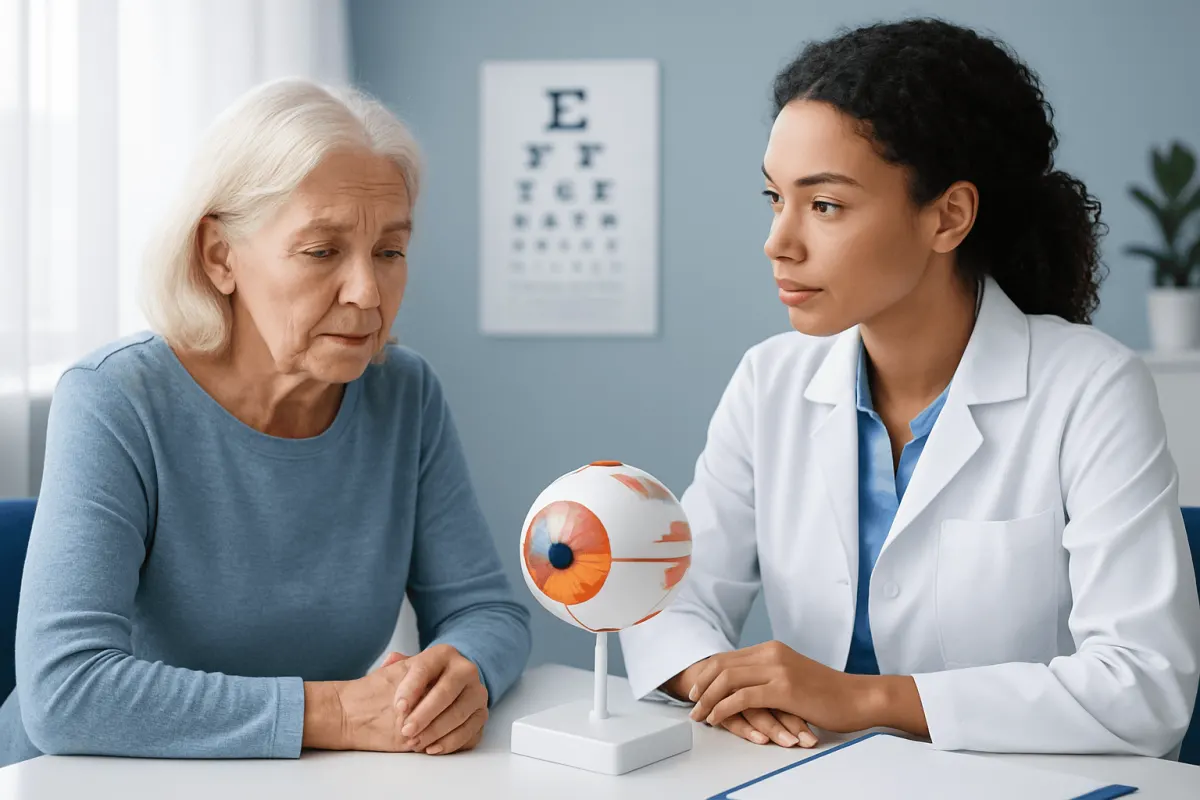
Cataract symptoms often begin subtly and progress over months or years. Blurry or dim vision is common, but people may also notice that colors appear less vivid, printed words are harder to see, or they need stronger light for close work. A frequent need to change glasses prescriptions can also be a clue.
Many people experience glare, halos, or reduced contrast in low-light settings. Night driving may become difficult because headlights and streetlights seem unusually bright or scattered. Some people develop double vision in one eye, which can occur when light is distorted as it passes through an unevenly cloudy lens.
- Cloudy, blurry, or foggy vision
- Increased sensitivity to sunlight, lamps, or headlights
- Halos around lights and trouble driving at night
- Colors that look faded or yellowed
- Difficulty reading or seeing faces in low light
- Frequent changes in glasses or contact lens prescription
These symptoms are not specific to cataracts. Dry eye, glaucoma, age-related macular degeneration, diabetic eye disease, and retinal conditions can also affect vision. A comprehensive eye assessment is the safest way to identify the cause.
Causes and Factors That Can Increase Risk
Aging is the most common cause of cataracts. The lens naturally changes over time, and many adults develop some degree of lens clouding as they get older. Cataracts can also occur earlier in life, including after eye injury, eye surgery, or long-term exposure to certain risks.
Factors associated with a higher likelihood of cataracts include diabetes, smoking, substantial ultraviolet light exposure, long-term use of corticosteroid medicines, heavy alcohol use, and a family history of cataracts. Some inflammatory eye conditions, previous radiation treatment, and certain metabolic or inherited conditions may also contribute. Babies and children can rarely be born with cataracts or develop them during childhood, requiring specialist assessment.
Having a risk factor does not mean that cataracts are inevitable, and many people with cataracts have no clear cause beyond normal aging. It is important not to stop prescribed medicines, including corticosteroids, without medical advice. A clinician can help weigh medication benefits against potential eye-related risks and arrange appropriate monitoring.
How an Eye Doctor Confirms the Diagnosis
An optometrist or ophthalmologist usually diagnoses a cataract during a routine eye examination. The visit commonly begins with questions about vision changes, general health, medicines, past eye injuries, and how symptoms affect everyday activities such as driving, reading, or using screens.
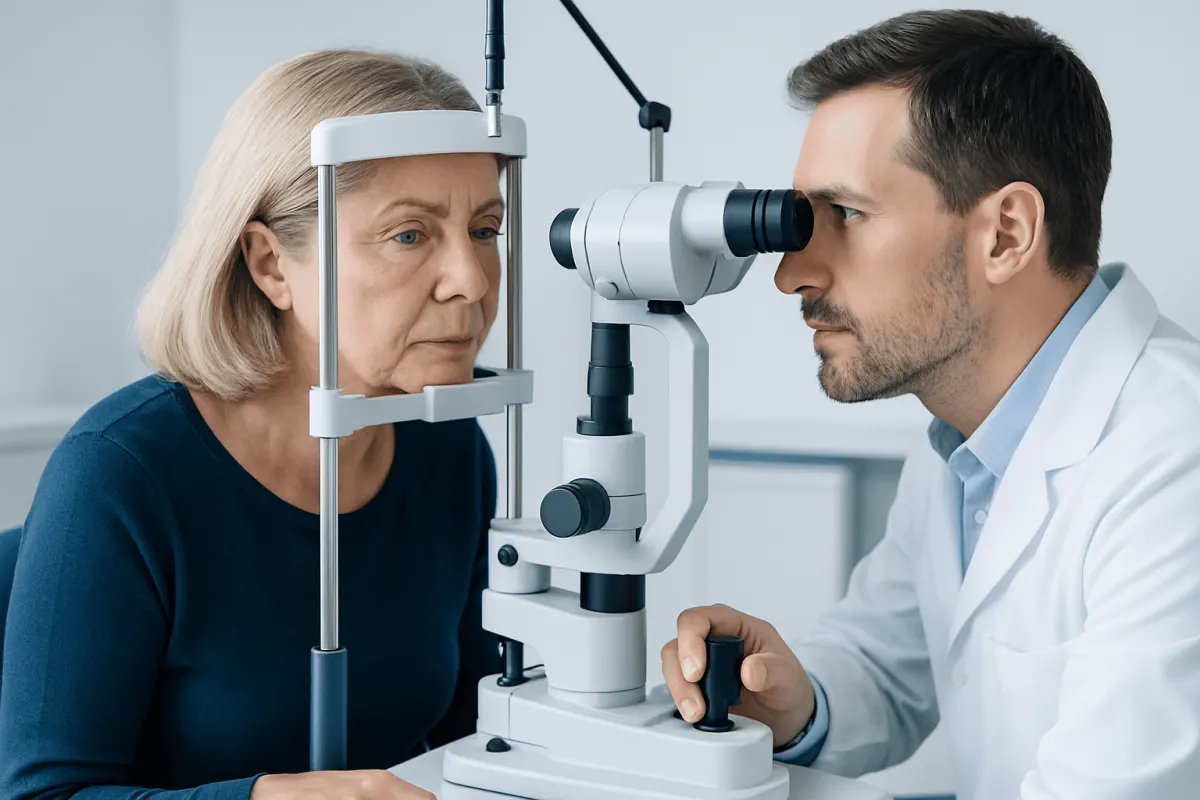
Testing may include measurement of visual acuity, refraction to determine whether glasses could improve vision, and an examination of the eye using a slit lamp microscope. Eye drops may be used to widen the pupils, allowing the doctor to examine the lens, retina, and optic nerve more fully. This helps identify whether cataracts are the main reason for the visual change or whether another condition is also present.
If surgery is being considered, further measurements of the eye are taken to help select an intraocular lens implant. These measurements support individualized planning, including discussion of distance, near, or astigmatism-related visual goals. The final choice should be based on eye health, lifestyle, and the clinician’s recommendations.
Treatment Options: Monitoring, Visual Aids, and Surgery
In early stages, cataracts may not require immediate surgery. A new glasses prescription, magnifying lenses, brighter task lighting, anti-glare measures, and avoiding night driving when vision is poor may help a person stay comfortable and safe. These approaches can improve how someone functions, but they do not remove or reverse the cataract itself.
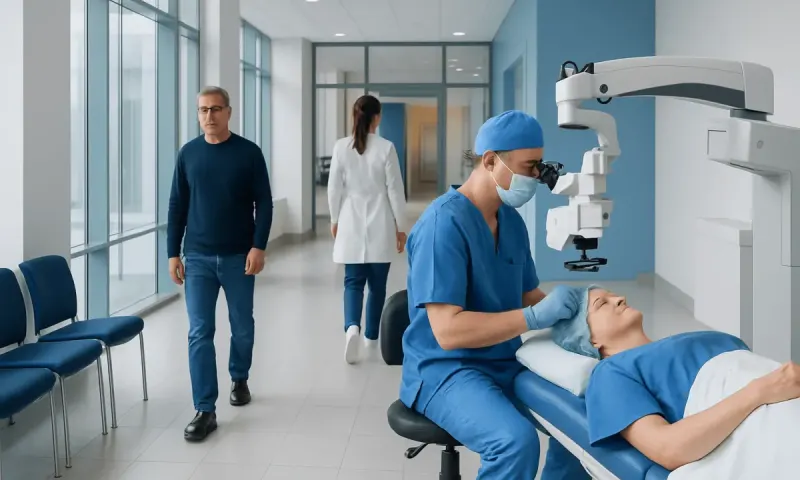
When cataracts limit everyday activities or reduce quality of life, surgery is the only treatment that removes the cloudy lens. It is typically performed as an outpatient procedure. The surgeon creates a small opening, breaks up and removes the cloudy lens, then inserts an artificial intraocular lens. The type of lens and expected visual outcome are discussed before treatment.
Like all procedures, cataract surgery has potential risks, including infection, inflammation, pressure changes, retinal problems, or a need for further treatment, although serious complications are uncommon. The ophthalmologist will explain individual risks, the recovery plan, use of prescribed eye drops, activity guidance, and follow-up appointments. In some cases, a membrane behind the artificial lens can become cloudy later; this can often be treated with a laser procedure.
For patients seeking coordinated assessment and treatment, Acıbadem Health Point’s multidisciplinary specialists and JCI-accredited hospitals diagnose and treat cataracts for international patients.
What May Help Protect Eye Health
Although cataracts cannot always be prevented, healthy habits may support long-term eye health and may reduce avoidable risk. Wearing sunglasses that block ultraviolet radiation and a brimmed hat outdoors can reduce exposure to strong sunlight. Stopping smoking and avoiding secondhand smoke are also beneficial for eye and overall health.
People with diabetes can help protect their eyes by working with their healthcare team to manage blood glucose, blood pressure, and cholesterol. Regular dilated eye examinations are particularly important because diabetes can affect the retina as well as increase cataract risk. A balanced diet rich in vegetables, fruits, whole grains, and protein supports general health, but no food or supplement has been proven to dissolve a cataract.
Eye drops marketed as “natural” cataract cures should be approached with caution. They are not established treatments for reversing cataracts and could delay appropriate care. Anyone considering supplements or non-prescription eye products should discuss them with an eye care professional, especially if they have other eye disease or use prescription drops.
When to Seek Medical Care
A routine eye appointment is appropriate for gradual blur, increasing glare, fading colors, or difficulty with reading and night driving. An eye professional can determine whether a cataract is present, measure its impact on vision, and discuss whether simple visual adjustments or surgery may be helpful. Adults should also attend eye examinations at intervals recommended for their age and health history.
More urgent assessment is needed for sudden loss of vision, a rapid change in vision, severe eye pain, marked redness, flashes of light, a sudden increase in floaters, or a shadow or curtain moving across the field of vision. These are not usual signs of a slowly developing cataract and can be associated with conditions affecting the retina, eye pressure, or blood supply to the eye.
People with diabetes, previous eye surgery, eye injury, inflammatory eye disease, or long-term corticosteroid treatment should seek advice about their individual eye examination schedule. Prompt evaluation is also important if vision changes make driving, walking, work, or medication management unsafe.
Frequently asked questions
01Can cataracts go away on their own?
No. Cataracts do not usually go away on their own because they involve lasting clouding of the natural lens. Vision may fluctuate for other reasons, such as dry eye or changing glasses needs, but an established cataract does not clear without surgery.
02Can eye drops reverse cataracts?
No eye drops have been proven to reverse established cataracts in routine clinical care. Prescription and over-the-counter drops may be used for other eye conditions, but they should not be considered a substitute for an eye examination or cataract surgery when surgery is needed.
03Can glasses help with cataracts?
Glasses may improve vision in the early stages, particularly if a change in prescription is also present. They cannot remove lens clouding, so their benefit may become limited as the cataract progresses.
04When is the right time for cataract surgery?
The right time is usually when reduced vision begins to interfere with daily activities, comfort, safety, or independence. There is not a single vision-test number that suits everyone; the decision is made with an ophthalmologist based on symptoms, eye health, and personal needs.
05Is cataract surgery painful?
Cataract surgery is usually performed with local anesthetic eye drops or other anesthesia chosen by the care team, so significant pain during the procedure is not expected. Mild irritation, light sensitivity, or a scratchy sensation can occur during recovery and should be discussed with the treating team if it persists or worsens.
06Can cataracts return after surgery?
A removed cataract cannot return because the natural lens has been replaced. However, the thin capsule that holds the artificial lens can become cloudy months or years later, causing similar blur; this is often treatable with a short laser procedure.
This article is for general information only and is not a substitute for professional medical advice. Please consult a qualified doctor about your individual situation.
Explore treatments in Turkey — costs, top hospitals & a free quote
JCI-accredited · board-certified surgeons · reply within 24h
Add us as a Preferred Source to see more of our trusted health content across Google Search, AI Overviews and Discover.