Blurred Vision: Symptoms, Causes and Treatment

Key Takeaways
- Blurred vision can affect one eye or both, and the pattern often offers clues about the cause.
- Some causes are simple and temporary, while others need prompt medical attention to protect vision.
- Eye exams can distinguish between a glasses issue, a surface problem, and disease inside the eye or brain.
- People with diabetes, headaches, eye pain, or sudden vision loss should not delay evaluation.
- Good eye care, blood sugar control, and timely follow-up can reduce complications and support recovery.
Blurred vision is a common symptom, not a diagnosis, and it can happen for many reasons ranging from dry eyes and refractive errors to diabetes, migraines, or eye emergencies. Understanding the pattern of vision change helps guide the right care at the right time.
Overview
Blurred vision describes a loss of sharpness, where objects look out of focus, hazy, smeared, or less distinct than usual. It may appear suddenly or develop gradually, and it may affect one eye, both eyes, near vision, distance vision, or the entire field of sight.
Because blurred vision is a symptom rather than a disease, the meaning changes depending on context. A person who notices blur after long hours at a screen may have a different issue from someone whose sight becomes cloudy during a migraine, after an injury, or along with redness and pain. That is why doctors look closely at when the change began, how it feels, and what other symptoms are present.
For international patients, this symptom can be especially unsettling when it appears while traveling or after arriving in a new country. In that setting, it is often helpful to seek a structured eye assessment quickly so that the cause can be identified and the next steps are clear.
Symptoms
Blurred vision can be described in several ways. Some people notice that text becomes hard to read, road signs seem soft around the edges, or one eye is clearly less sharp than the other. Others report glare, halos around lights, double images, wavy lines, or a sensation that a film is covering the eye.
Related symptoms matter because they can point toward specific causes. Dry eyes may bring burning or watering. Cataracts often cause dimming and glare. Eye infections can lead to redness, discharge, and discomfort. More urgent conditions may include severe eye pain, flashes of light, many new floaters, a curtain-like shadow, weakness, speech changes, or a sudden headache.
- Blurry near vision or distance vision
- Blur that comes and goes
- Double vision
- Light sensitivity or glare
- Eye redness, pain, or discharge
- Flashes, floaters, or a shadow in vision
When blurred vision begins abruptly, especially in one eye, it deserves prompt medical attention. Even if symptoms later improve, the underlying cause still may need treatment.
Causes & Risk Factors

The most common reason for blurred vision is a refractive error, such as nearsightedness, farsightedness, or astigmatism. In these situations, the eye does not focus light properly, and glasses or contact lenses usually improve clarity. Eye strain and dry eyes can also cause temporary blur, particularly after prolonged screen use, air travel, dehydration, or time spent in dry environments.
Several eye conditions can blur vision by affecting the lens, cornea, retina, or optic nerve. Cataracts gradually cloud the lens. Glaucoma may damage the optic nerve, sometimes without early symptoms. Macular degeneration, retinal detachment, diabetic eye disease, uveitis, and corneal problems can all affect sight in different ways. In addition, migraine aura, stroke, head injury, medications, and blood sugar fluctuations can change vision.
Risk is higher in people who have diabetes, high blood pressure, autoimmune disease, a family history of eye disease, prior eye surgery, frequent eye rubbing, contact lens overuse, or a history of trauma. Age also plays a role, since several common eye disorders become more likely over time.
Diagnosis
Doctors usually start by asking when the blurring began, whether it is constant or intermittent, and whether it affects one eye or both. They may also ask about headaches, pain, flashes, floaters, medication use, contact lens habits, recent illness, and any history of diabetes or trauma. These details help narrow the likely cause before testing begins.
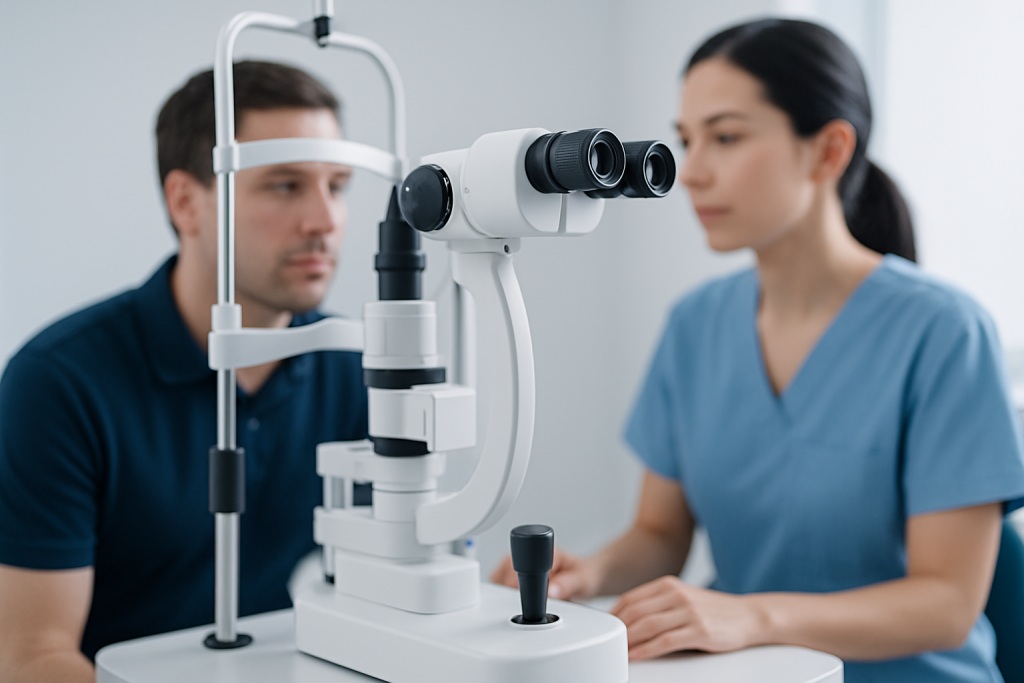
An eye examination often includes a vision test, pupil check, pressure measurement, and inspection of the front and back of the eye. Depending on the findings, the clinician may use dilating drops to examine the retina, perform imaging, or arrange blood tests if a systemic condition is suspected. If the pattern suggests a neurological cause, brain or vascular assessment may be needed as well.
For patients traveling from abroad, it is helpful to bring any prior prescriptions, medical records, list of medications, and previous eye images if available. That information can make it easier for the care team to compare current findings with earlier results and plan follow-up after the trip.
Treatment Options
Treatment depends entirely on the cause. If blurred vision comes from a glasses or contact lens issue, updated correction may restore clarity. Dry eyes may improve with lubricating drops, environmental adjustments, better screen habits, or treatment for an underlying eyelid or tear film problem. Eye infections, inflammation, or allergy-related symptoms are managed according to the specific diagnosis.
More serious causes require targeted medical or surgical care. Cataracts are treated with surgery when they interfere with daily life. Diabetic retinopathy may need blood sugar optimization, retinal laser treatment, injections, or other retina procedures. Glaucoma treatment aims to lower eye pressure and protect the optic nerve. Retinal detachment, sudden vascular events, and some inflammatory or neurological conditions can require urgent intervention.
Because treatment may involve several specialties, patients sometimes benefit from a coordinated plan rather than a single appointment. That is particularly true for people who must return home soon after treatment and need clear instructions for medication, warning signs, and local follow-up.
Prevention & Self-care
Not every case of blurred vision is preventable, but daily habits can reduce avoidable strain and support eye health. Regular eye examinations are important, especially for adults who wear glasses or contacts, have diabetes, or have a family history of eye disease. Updating prescriptions and replacing old lenses when needed can prevent unnecessary visual stress.
Simple self-care can also help when the cause is mild. Taking breaks from screens, blinking more often, adjusting lighting, using humidified air when appropriate, and drinking enough fluids may ease temporary blur linked to dryness or fatigue. Contact lens wearers should follow hygiene instructions carefully and never sleep in lenses unless specifically told to do so by an eye specialist.
- Manage blood sugar, blood pressure, and cholesterol as advised
- Wear protective eyewear during sports or risky tasks
- Avoid rubbing the eyes, especially if irritation is present
- Use sunglasses to reduce glare and UV exposure
- Seek prompt care for new flashes, floaters, or one-sided vision change
When blurred vision occurs during travel, it is wise to avoid driving or navigating alone until vision is assessed. Choosing a safe, well-lit environment and arranging an examination promptly is better than waiting for symptoms to settle on their own.
When to See a Doctor
Blurred vision should be evaluated soon if it is new, persistent, worsening, or interfering with daily tasks. It is especially important to seek prompt care if the change is sudden, affects only one eye, or appears together with eye pain, redness, injury, flashes, floaters, or a curtain-like shadow.
Immediate medical attention is also appropriate when blurred vision occurs with severe headache, facial droop, weakness, numbness, trouble speaking, confusion, or dizziness. These symptoms may indicate a neurological emergency rather than an isolated eye problem. In people with diabetes, any sudden change in vision should be discussed without delay.
Acibadem Health Point’s multidisciplinary specialists and JCI-accredited hospitals can help diagnose and treat blurred vision for international patients, with care tailored to the cause and the need for follow-up across borders. A timely assessment offers the best chance of protecting vision and preventing avoidable complications.
Living With the Symptom While Awaiting Care
Waiting for an appointment can be stressful when sight is unclear, but practical steps may make the period safer and more manageable. It helps to avoid night driving, use good lighting, and ask a companion for support with reading medication labels, forms, or travel arrangements if needed. Keeping symptoms noted in a simple timeline can also help the doctor understand how the problem evolved.
If the patient already wears glasses or contact lenses, bringing them to the appointment is useful even if they no longer seem to help. A current medication list, details of any recent illness or injury, and any previous eye diagnoses can provide important clues. Clear communication saves time and often leads to a more efficient evaluation.
Most causes of blurred vision are treatable or manageable once identified. The key is matching the symptom to the right specialist and not assuming that all vision changes are temporary or harmless.
Frequently asked questions
01Is blurred vision always an eye problem?
No. Blurred vision can come from the eye itself, but it can also be linked to migraine, blood sugar changes, stroke, medication effects, or other medical conditions. A doctor considers the full pattern of symptoms before deciding where the problem starts.
02Can dry eyes really cause blurry sight?
Yes. An unstable tear film can make vision fluctuate, especially after screen use, reading, flying, or exposure to dry air. The blur may improve after blinking, resting, or using lubricating drops recommended by a clinician.
03When is blurred vision an emergency?
It is urgent when the change is sudden, happens in one eye, or comes with pain, flashes, floaters, a shadow, weakness, or speech trouble. These patterns may signal a serious eye or neurological condition that should be assessed quickly.
04Could blurred vision mean I need new glasses?
Sometimes it does, especially if the blur is gradual and mainly affects reading or distance vision. Still, an eye exam is important because other eye conditions can look similar and should not be missed.
05What tests are usually done for blurred vision?
Common tests include checking visual acuity, eye pressure, pupil response, and a detailed eye examination. Depending on the findings, the doctor may use dilating drops, imaging, or blood tests to identify the cause.
06Can blurred vision improve on its own?
It can, if the cause is temporary, such as eye strain, dryness, or a brief migraine aura. However, new or persistent blur should not be assumed to be harmless, because some conditions need early treatment to protect vision.
This article is for general information only and is not a substitute for professional medical advice. Please consult a qualified doctor about your individual situation.
Explore treatments in Turkey — costs, top hospitals & a free quote
JCI-accredited · board-certified surgeons · reply within 24h
Add us as a Preferred Source to see more of our trusted health content across Google Search, AI Overviews and Discover.