Zepbound Eye Problems: Vision Changes and When to Seek Care
Zepbound eye problems are not among the most common side effects of tirzepatide, but new or changing vision should be taken seriously. Vision changes may relate to blood sugar shifts in people with diabetes, dehydration, or a separate eye condition that needs prompt assessment.
Overview: Can Zepbound Cause Eye Problems?
Zepbound is the brand name for tirzepatide, a once-weekly injectable medicine used alongside a reduced-calorie diet and increased physical activity for chronic weight management in eligible adults. It acts on GIP and GLP-1 receptors, helping reduce appetite and improve metabolic control. Eye problems are not listed among its most common side effects, but some people may notice blurred vision or other visual changes while taking it.
The main concern is usually not a direct toxic effect on the eye. Rather, changes in blood glucose, particularly when they happen quickly in a person with diabetes, can temporarily affect the eye’s focusing ability and may be associated with worsening of pre-existing diabetic eye disease. Nausea, vomiting, or reduced fluid intake can also contribute to dehydration and make a person feel unwell, which may affect vision indirectly.
New visual symptoms should not automatically be attributed to Zepbound. They can result from dry eyes, migraine, high or low blood glucose, infection, blood-pressure changes, retinal disease, glaucoma, or other causes. A clinician or eye specialist can determine whether symptoms are medicine-related, related to diabetes, or caused by a separate condition.
What Vision Changes May Be Reported?
Blurred or fluctuating vision is the symptom most likely to be noticed during changes in glucose control. The lens inside the eye can temporarily change shape as glucose levels rise or fall, altering focus. This can make reading, driving, or seeing details at a distance more difficult. Vision may fluctuate over hours or days rather than remain consistently blurred.
Patients should also pay attention to symptoms that are less likely to be explained by ordinary adjustment to changing glucose levels. These include new floaters, flashes of light, a shadow or curtain across vision, double vision, marked light sensitivity, eye redness, or pain. Such symptoms need timely assessment because they may indicate an eye condition requiring treatment.
- Blurred, hazy, or fluctuating vision
- Difficulty focusing while reading or driving
- New floaters or flashes of light
- Dark spots, missing areas of vision, or distorted straight lines
- Eye pain, redness, or sudden sensitivity to light
A patient should avoid driving or operating machinery if vision is impaired. Recording when symptoms began, whether they affect one or both eyes, and any associated symptoms can help the clinical team assess the situation.
Why Diabetes and Blood Sugar Changes Matter

People with type 2 diabetes may use tirzepatide under a different brand name or may be prescribed Zepbound for weight management. If diabetes is present, improved glucose control is generally beneficial over the long term. However, a rapid improvement in glucose levels can occasionally be associated with temporary blurred vision or short-term worsening of diabetic retinopathy in some individuals who already have retinal disease.
Diabetic retinopathy occurs when persistently high blood glucose damages small blood vessels in the retina, the light-sensitive tissue at the back of the eye. It may cause no symptoms early on, which is why routine dilated eye examinations are important. More advanced disease can lead to blurred vision, floaters, dark areas, or vision loss. Patients with known diabetic retinopathy should make sure their diabetes clinician and eye specialist know about plans to start or change weight-loss or glucose-lowering medicines.
Low blood glucose can also affect vision. The risk is greater when tirzepatide is used with insulin or medicines that increase insulin release, such as sulfonylureas. Sweating, shaking, hunger, dizziness, confusion, palpitations, and blurred vision can be signs of low blood glucose. Anyone with these symptoms should follow the individualized hypoglycemia plan provided by their healthcare professional.
Regular glucose monitoring, when recommended, helps patients and clinicians recognize meaningful changes. Medication adjustments should be made by the prescribing clinician rather than independently, especially for people using insulin or other diabetes medicines.
Who May Need Extra Eye Monitoring?
Before starting Zepbound, patients should tell their prescriber about diabetes, diabetic retinopathy, macular edema, glaucoma, previous retinal surgery, major vision loss, or an ongoing eye condition. These factors do not necessarily mean that Zepbound cannot be used, but they may influence the monitoring plan and the need for coordinated diabetes and ophthalmology care.
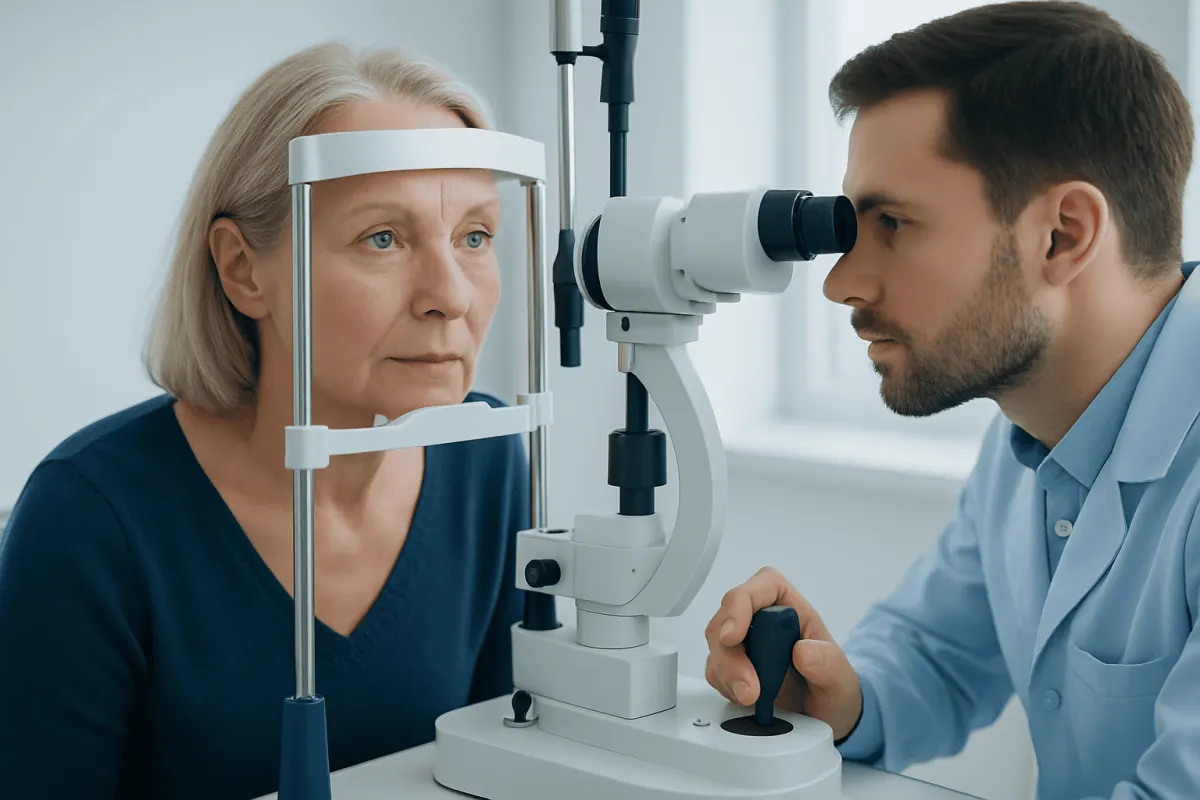
People with diabetes should continue recommended comprehensive dilated eye examinations. The appropriate interval depends on whether retinopathy is present, how severe it is, glucose control, and the advice of the eye specialist. An examination is especially valuable when a patient has not had a recent retinal assessment or reports any new visual symptom after beginning treatment.
Patients who experience significant nausea, vomiting, diarrhea, or poor oral intake should contact their care team. These effects can lead to dehydration and may make some people feel dizzy, weak, or lightheaded. Maintaining fluids as tolerated and seeking advice early can help reduce complications. Severe or persistent gastrointestinal symptoms need medical review.
Eye Care for Older Adults: Common Vision Changes After 60" class="ahp-ilk">Older adults and people taking several medicines may have additional reasons for vision changes, including blood-pressure medications, dry-eye treatments, or medications with sedating effects. A complete medication review can help identify potential contributors.
Practical Steps While Taking Zepbound
Patients should use Zepbound exactly as prescribed and attend follow-up appointments, particularly during dose increases. It may be helpful to track weight, appetite, gastrointestinal effects, blood glucose readings if advised, and any visual symptoms. A clear symptom record can help distinguish brief focusing changes from persistent or worsening problems.
For people with diabetes, maintaining regular meals where appropriate, following the agreed glucose-monitoring plan, and recognizing signs of hypoglycemia are important. Patients should ask their prescriber whether other diabetes medicines require adjustment as weight loss, food intake, and glucose levels change. They should not change insulin doses or stop prescribed medication on their own unless specifically instructed.
General eye health measures remain useful: attend routine eye examinations, wear appropriate corrective lenses, use eye protection when needed, and manage blood pressure and cholesterol as recommended. Avoiding tobacco and following a balanced nutrition plan can support overall vascular and eye health.
If blurred vision is mild but persists beyond a short period, recurs, or interferes with daily activities, the patient should contact the prescribing clinician or an eye care professional. Persistent symptoms deserve assessment even if glucose readings appear stable.
When to Seek Medical Care
Patients should seek urgent medical care for sudden loss of vision in one or both eyes, a curtain or shadow across the visual field, sudden new flashes or many floaters, severe eye pain, or a red eye with reduced vision. These symptoms can be caused by time-sensitive eye conditions and should not wait for a routine appointment.
Prompt same-day medical advice is also appropriate for persistent or worsening blurred vision, double vision, new blind spots, significant headache with visual symptoms, or symptoms of low blood glucose that do not improve with the person’s usual treatment plan. If low blood glucose causes severe confusion, loss of consciousness, or inability to swallow safely, emergency services should be contacted.
For non-urgent concerns, patients can contact their Zepbound prescriber, primary care clinician, diabetes team, or optometrist/ophthalmologist. They should bring a list of medicines, relevant glucose measurements, and details about the timing of symptoms. This information supports safe decisions about monitoring and treatment.
Care Coordination and Outlook
Most vision changes have causes that can be assessed and managed, and not every symptom during Zepbound treatment is caused by the medicine. The most important steps are early communication, attention to diabetes-related eye screening, and prompt evaluation of sudden or severe symptoms. This approach helps protect eye health while allowing the benefits and risks of treatment to be considered individually.
Patients with diabetes and eye disease may benefit from coordinated care involving a primary care clinician or endocrinologist, prescribing clinician, and ophthalmologist. Treatment decisions should take into account weight-management goals, glucose control, current retinal findings, other medicines, and the patient’s experience of side effects.
Acıbadem Health Point’s multidisciplinary specialists and JCI-accredited hospitals can assess metabolic health and eye symptoms for international patients who need coordinated evaluation. A qualified clinician can help determine whether continuing, adjusting, or changing treatment is appropriate based on the individual clinical picture.
Frequently asked questions
01Does Zepbound directly damage the eyes?
There is no established evidence that Zepbound directly damages the eyes in most patients. However, tirzepatide-related changes in blood glucose can cause temporary changes in vision and may require closer monitoring in people with existing diabetic eye disease.
02Can Zepbound cause blurred vision?
Blurred vision may occur when blood glucose changes, particularly in people with diabetes. It can also have many unrelated causes, so persistent, recurrent, or worsening blurred vision should be assessed by a healthcare professional.
03Should a person with diabetic retinopathy take Zepbound?
Having diabetic retinopathy does not automatically prevent Zepbound use. The prescribing clinician and eye specialist should know about the retinal condition so they can plan appropriate glucose management and eye monitoring.
04What eye symptoms are an emergency?
Sudden vision loss, a dark curtain or shadow in vision, severe eye pain, marked redness with reduced vision, or sudden flashes and numerous floaters need urgent evaluation. These symptoms may indicate an eye emergency and should not be managed by waiting for a routine visit.
05Should patients stop Zepbound if their vision becomes blurry?
Patients should contact their prescribing clinician promptly rather than stopping Zepbound independently, unless emergency clinicians advise otherwise. The cause of the vision change needs assessment, including possible glucose changes, dehydration, or an eye condition unrelated to the medicine.
06How can people reduce the chance of vision problems while using Zepbound?
People with diabetes should keep recommended retinal screening appointments, monitor glucose as advised, and report vision changes early. Taking the medicine as prescribed, maintaining fluid intake when possible, and reviewing other diabetes medicines with the clinician can also support safe treatment.
This article is for general information only and is not a substitute for professional medical advice. Please consult a qualified doctor about your individual situation.
Medical weight-loss options in Turkey — costs & eligibility
JCI-accredited · board-certified surgeons · reply within 24h
Add us as a Preferred Source to see more of our trusted health content across Google Search, AI Overviews and Discover.