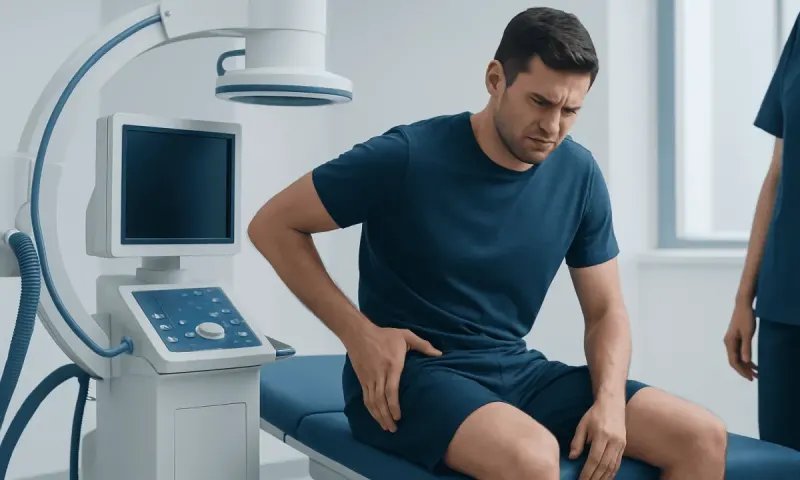
Calf Strain: Symptoms, Causes and Treatment

Key Takeaways
- A calf strain is a tear or overstretching of the calf muscles, often affecting the gastrocnemius or soleus.
- Pain, stiffness, swelling, and difficulty pushing off the foot are common early signs.
- Diagnosis is usually based on history and examination, with imaging used when the injury is unclear or severe.
- Recovery is typically gradual and works best with rest, compression, elevation, and structured rehabilitation.
- Returning to sport too early can lead to re-injury, so improvement in strength and walking should guide activity changes.
A calf strain is an injury to one of the muscles at the back of the lower leg, usually after sudden acceleration, jumping, or a quick change in direction. Most cases improve with rest, guided rehabilitation, and a gradual return to activity, but a proper diagnosis helps rule out more serious causes of calf pain.
Overview
A calf strain happens when the muscle fibers at the back of the lower leg are stretched too far or partially torn. It is a common injury in runners, court-sport athletes, dancers, and anyone who suddenly sprints, jumps, or pivots after being still.
Most calf strains involve the gastrocnemius or soleus muscles. These muscles help point the foot downward and provide power for walking, climbing stairs, and pushing off during movement. When one of them is strained, even ordinary actions such as standing on tiptoe can feel difficult.
Although many calf strains are mild, the pain can be sharp enough to stop activity immediately. A careful assessment matters because calf pain can also come from tendon injury, blood clots, or other conditions that need different treatment.
Symptoms
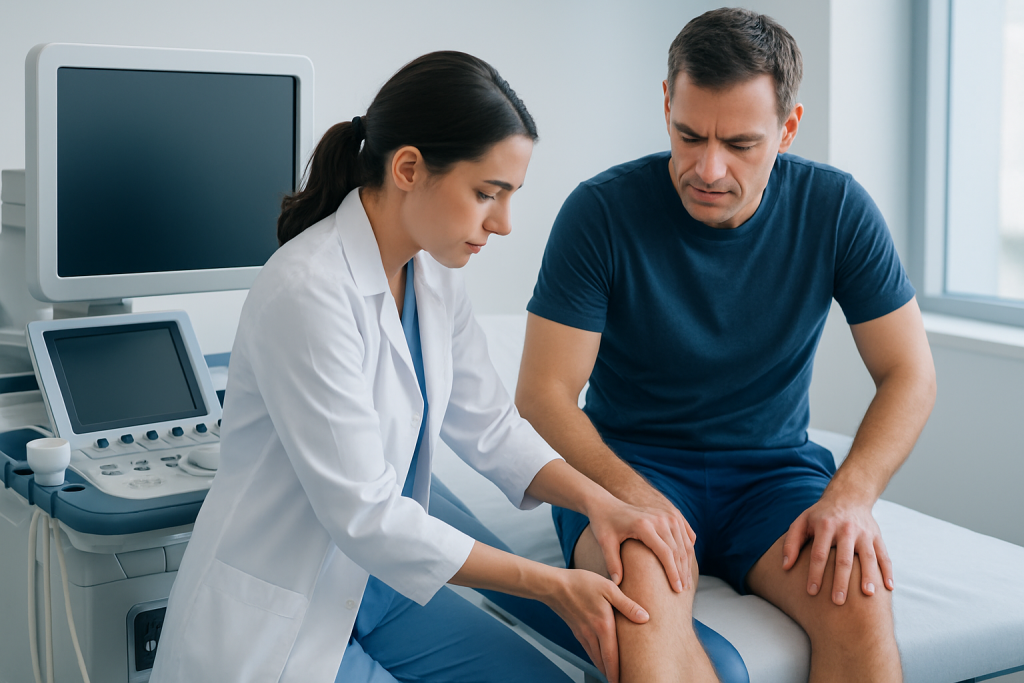
The first sign is often a sudden pulling or snapping sensation in the back of the lower leg. Some people notice pain right away, while others feel soreness that becomes more obvious over the next several hours.
Typical symptoms include:
- Pain or tenderness in the calf, especially when walking or stretching the ankle
- Swelling, tightness, or a feeling of heaviness in the lower leg
- Bruising in more significant strains
- Weakness when pushing off the toes or climbing stairs
- Stiffness after resting, particularly in the morning
The location of discomfort may help describe the injury. Gastrocnemius strains often hurt higher in the calf and can be felt during knee-straightening movements, while soleus strains may feel deeper and may be more noticeable during prolonged walking or running.
Causes & Risk Factors
Calf strains usually occur when the muscle is asked to contract forcefully while lengthening at the same time. This can happen during a sudden start, a quick stop, a leap, or an abrupt change in direction.
Common risk factors include limited warm-up, muscle fatigue, reduced flexibility, previous calf injury, and returning to sport before full recovery. Age can also matter, because muscle elasticity and recovery capacity may change over time.
Other factors may increase the chance of strain:
- Tight calf muscles or limited ankle mobility
- Training on uneven or unfamiliar surfaces
- Inadequate conditioning for the chosen activity
- Dehydration or general overuse of the lower legs
- Footwear that does not support the activity well
Travelers sometimes develop calf symptoms after long periods of sitting followed by sudden activity, such as rushing through an airport, sightseeing on foot, or returning to exercise after a long flight. In those cases, the timing and activity pattern can be important clues for the clinician.
Diagnosis
Diagnosis begins with a discussion of how the pain started, where it is located, and what movements make it worse. A clinician will usually examine the calf, ankle, and knee, and may compare both legs to check for swelling, tenderness, and range of motion.
In many cases, a calf strain can be diagnosed through history and physical examination alone. If the pain is severe, the diagnosis is uncertain, or another problem is suspected, imaging tests may be recommended.
Possible tests include ultrasound or MRI, which can show the extent of muscle injury and help distinguish a strain from other conditions. If the calf is swollen, red, warm, or unusually painful, the clinician may also consider tests to rule out a blood clot, because that condition needs prompt attention and a different treatment approach.
Treatment Options
Treatment depends on the severity of the strain, but the main goal is to protect the injured muscle while it heals. Early care often includes rest from painful activity, compression, elevation, and short-term use of pain-relief measures advised by a clinician.
As pain settles, rehabilitation becomes more important. A physiotherapist may guide gentle stretching, range-of-motion work, and then strengthening exercises that restore calf function without overloading the tissue too soon.
Common treatment elements include:
- Activity modification instead of complete inactivity when appropriate
- Gradual return to weight-bearing and walking
- Compression sleeves or bandaging if recommended
- Cold or other comfort measures in the early phase
- Structured physical therapy to rebuild strength and control
Surgery is rarely needed for a simple calf strain. However, a more serious tear, a tendon injury, or another diagnosis may change the plan. A Knee Replacement Recovery Timeline: What to Expect" class="ahp-ilk">recovery timeline varies with the size of the injury and the demands of the person’s sport or daily routine.
Prevention & Self-care
Prevention is often practical rather than complicated. Muscles tend to tolerate load better when they are prepared for it, so regular conditioning, warm-up, and flexibility work can lower the chance of a sudden strain.
Helpful self-care habits include pacing activity after long breaks, increasing training intensity in small steps, and allowing enough recovery after hard workouts. People who travel for sports or work may benefit from calf movements during long flights or car rides, followed by a gradual return to exercise rather than an immediate sprint back into full effort.
Self-care ideas often used during recovery:
- Follow the clinician’s advice on rest and activity limits
- Avoid stretching into sharp pain in the early phase
- Use supportive footwear for walking and training
- Resume running or jumping only when walking and calf raises are comfortable
- Build strength back gradually, even after symptoms improve
When to See a Doctor
Medical evaluation is sensible when calf pain is sudden, severe, or followed by a visible change in the shape of the muscle. It is also important if the person cannot bear weight, the swelling is marked, or the pain does not begin to improve over several days.
Prompt care is especially important if the calf is warm, red, very swollen, or accompanied by shortness of breath or chest discomfort, since these symptoms may point to a blood clot or another urgent problem rather than a simple strain. A clinician can sort out the cause and direct the right treatment.
For international patients who prefer coordinated assessment and follow-up in one place, Acibadem Health Point’s multidisciplinary specialists and JCI-accredited hospitals can diagnose and treat calf strain while helping patients plan recovery across borders. That kind of organized follow-up can be especially helpful when travel, work, or sport schedules are part of the picture.
Recovery and Return to Activity
Recovery is usually guided by function rather than by the calendar alone. A person may be ready to increase activity when walking is comfortable, calf strength is returning, and simple movements no longer trigger sharp pain.
Rehabilitation often moves from gentle mobility work to strengthening, then to sport-specific drills such as controlled hopping, faster walking, or short intervals of running. This stepwise approach helps the muscle adapt and reduces the chance of a setback.
After a calf strain, the most useful rule is to progress slowly and listen to the leg’s response over the next 24 hours. If pain, tightness, or limping returns, activity may need to be scaled back before trying again.
Frequently asked questions
01How is a calf strain different from a calf cramp?
A calf strain is an injury to the muscle fibers, while a cramp is a temporary, involuntary tightening of the muscle. A strain usually causes lingering pain, tenderness, and weakness, whereas a cramp often improves more quickly once the muscle relaxes.
02Can a calf strain heal on its own?
Many mild calf strains improve with rest and gradual rehabilitation. Even so, it is helpful to have the injury assessed if walking is difficult, swelling is significant, or the pain is not settling as expected.
03Should someone keep stretching a strained calf?
Gentle stretching may be useful later in recovery, but stretching too early or too aggressively can irritate the injury. A clinician or physiotherapist can advise on the right timing based on the severity of the strain.
04How long does recovery take?
Recovery time varies widely depending on how much of the muscle is injured and how quickly treatment begins. Mild strains may improve in a few weeks, while more significant injuries can take longer and need structured rehabilitation.
05Is walking okay with a calf strain?
Light walking may be acceptable if it is not causing a limp or sharp pain. If walking is painful, the leg may need more protection at first, and a doctor should assess the injury.
06Could calf pain mean something more serious?
Yes. Not every painful calf is a strain, and conditions such as a blood clot, tendon injury, or even referred pain from the back can sometimes mimic muscle injury. New swelling, redness, warmth, or breathing symptoms should be evaluated promptly.
This article is for general information only and is not a substitute for professional medical advice. Please consult a qualified doctor about your individual situation.
Joint and spine care in Turkey — expert assessment & treatment
JCI-accredited · board-certified surgeons · reply within 24h
Add us as a Preferred Source to see more of our trusted health content across Google Search, AI Overviews and Discover.