Hip Flexor Strain: Symptoms, Recovery, and Care
A hip flexor strain occurs when one or more muscles that help lift the knee and bend the hip are overstretched or torn. Most mild strains recover with appropriate activity modification, pain management and a gradual return to movement, while severe pain or difficulty walking should be assessed by a clinician.
Overview: What Is a Hip Flexor Strain?
A hip flexor strain is an injury to a muscle or tendon at the front of the hip. Hip flexors are a group of muscles that bend the hip, helping a person lift the thigh toward the body. They are used during walking, Knee Pain When Climbing Stairs: Common Causes" class="ahp-ilk">climbing stairs, running, kicking, getting up from a chair and many everyday movements.
The iliopsoas is the main deep hip-flexor muscle group, while the rectus femoris muscle at the front of the thigh also assists with hip flexion. A strain develops when muscle fibers are stretched beyond their capacity or partly torn. The injury can range from mild irritation to a more substantial tear.
Hip flexor strains are particularly common in sports involving sprinting, rapid changes of direction, high kicks or repeated hip movement. They can also occur outside sport, such as after a slip, an awkward step or a sudden increase in physical activity. Symptoms often settle with conservative care, but an accurate assessment is important when pain is severe or does not improve.
Hip Flexor Strain Symptoms
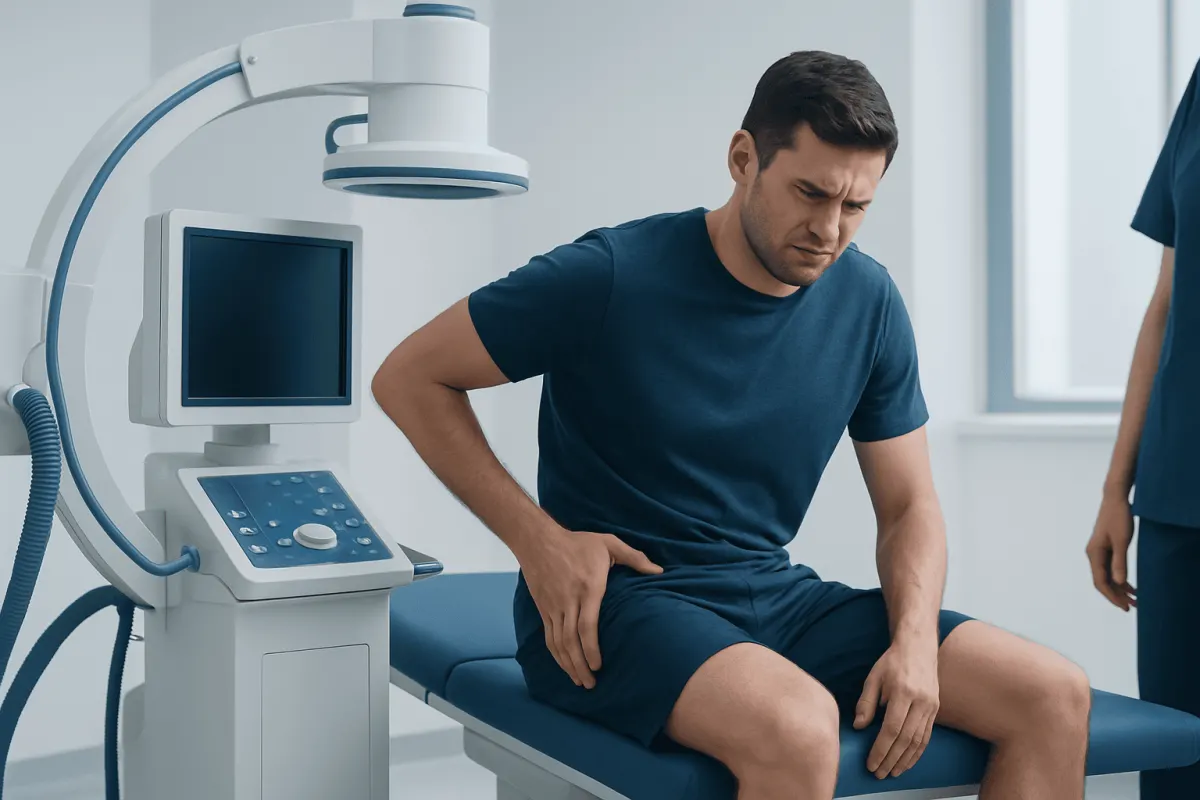
The most typical symptom is pain at the front of the hip, in the groin area or at the upper front of the thigh. Pain may start suddenly during a forceful movement, such as sprinting or kicking, or develop gradually after repetitive activity. Some people notice a pulling, tight or aching sensation rather than sharp pain.
Symptoms may be felt when lifting the knee, taking a long step, climbing stairs, rising from a seated position or stretching the front of the hip. Walking can be uncomfortable, and a limp may develop if the injury is more painful. The area may also feel weak, stiff or tender to touch.
More significant strains can cause swelling, bruising, muscle spasm or a popping sensation at the time of injury. These signs do not always indicate a serious problem, but they warrant professional assessment, especially if they occur with difficulty bearing weight or a major loss of hip movement.
- Front-of-hip, groin or upper-thigh pain
- Pain when raising the knee or bending at the hip
- Tightness and reduced range of motion
- Weakness during walking, running or kicking
- Possible swelling or bruising in more severe injuries
Causes and Risk Factors

A hip flexor strain may happen when the muscle is asked to contract forcefully while lengthening, or when it is stretched quickly beyond its usual range. Sprint starts, sudden stops, kicking, jumping and lunging can all place high demands on these muscles. Direct impact to the front of the hip is less common but may also contribute to pain and injury.
Overuse is another important cause. Training more intensely, more often or for longer than usual without allowing time for recovery can irritate the hip flexors. This may occur when beginning a new exercise routine, returning to sport after a break, or increasing hills, speed work or kicking drills.
Factors that can increase risk include muscle fatigue, reduced hip mobility, poor conditioning, inadequate warm-up and imbalances between hip and core muscles. Previous hip or thigh injuries may also affect movement patterns. Risk does not mean an injury is inevitable; gradual training progression and well-planned recovery can help lower the likelihood of strain.
How a Hip Flexor Strain Is Diagnosed
A clinician can often diagnose a hip flexor strain through a discussion of symptoms and an examination. They may ask how the pain started, what movements make it worse, whether there was a popping sensation, and whether the person can walk or participate in normal activities. The examination may include checking tenderness, strength, flexibility, gait and hip range of motion.
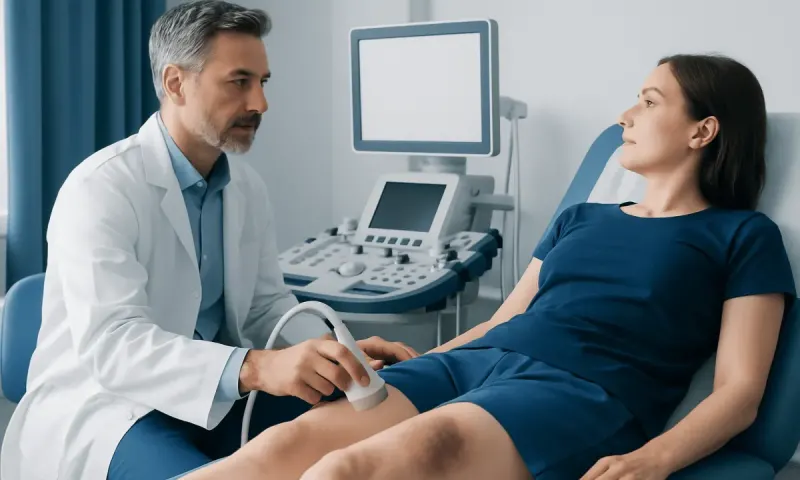
Imaging is not routinely needed for a straightforward mild strain. However, an X-ray, ultrasound or magnetic resonance imaging scan may be considered when pain is severe, symptoms persist, there has been significant trauma, or another condition is suspected. Imaging can help identify a fracture, tendon injury, stress injury, joint problem or another source of groin and hip pain.
Hip pain can arise from several structures, including the hip joint, lower back, abdominal wall and nearby tendons. For this reason, ongoing or recurrent symptoms should not be self-diagnosed. A timely evaluation can guide safe treatment and help rule out less common causes that need different care.
Treatment Options and Early Recovery
Most hip flexor strains are managed without surgery. In the first few days, it is usually helpful to reduce or pause activities that trigger pain, such as running, kicking, deep lunges or heavy leg exercises. Complete bed rest is generally not necessary; gentle, pain-limited movement can help avoid excessive stiffness.
Cold packs may be used for short periods during the early painful stage, with a cloth barrier to protect the skin. Some people find heat useful later for stiffness, but it should not be used in a way that increases swelling or discomfort. Over-the-counter pain medicines may be appropriate for some people, but a pharmacist or clinician should advise those with medical conditions, pregnancy, allergies or regular medications.
As pain begins to settle, a physiotherapist may recommend gentle range-of-motion exercises followed by progressive strengthening of the hip flexors, gluteal muscles, thighs and core. Rehabilitation should be individualized. Stretching or strengthening that causes sharp pain should be stopped and reviewed rather than pushed through.
More extensive tears, persistent functional limitation or injuries in competitive athletes may require specialist evaluation. Surgery is uncommon for isolated hip flexor strains, but treatment plans may be adjusted if imaging shows a significant tendon injury or another related problem.
Returning to Activity and Preventing Reinjury
Recovery time varies with the severity of the strain, overall health, activity demands and adherence to rehabilitation. Mild injuries may improve within days to a few weeks, while moderate or more extensive injuries can take longer. A person should not base return to sport on time alone; comfortable function and restored strength are more useful guides.
Before returning to running, field sports, dance or other demanding activity, a person should usually be able to walk briskly, climb stairs, perform controlled hip movements and complete sport-specific drills without pain, limping or compensating. A clinician or physiotherapist can help set appropriate milestones, particularly after a significant injury.
Prevention focuses on preparing the body for the activity being performed. This includes a gradual warm-up, progressive increases in training load, adequate recovery, regular hip and core strengthening, and attention to mobility. Technique, footwear and training surfaces may also matter, depending on the sport or activity.
- Increase speed, distance and intensity gradually rather than all at once.
- Warm up with active movements before demanding exercise.
- Include hip, gluteal and core strengthening in regular training.
- Allow recovery after hard sessions and address lingering pain early.
- Return to sprinting and kicking in stages rather than resuming full intensity immediately.
When to See a Doctor
Medical advice is recommended for severe hip or groin pain, an inability to walk or bear weight normally, a visible deformity, substantial swelling or bruising, numbness, fever, or pain after a fall or other significant injury. Urgent assessment is particularly important if there is concern for a fracture, dislocation or serious muscle or tendon injury.
A doctor or physiotherapist should also assess symptoms that do not clearly improve with a period of appropriate self-care, pain that repeatedly returns with activity, or ongoing weakness and reduced mobility. Early guidance can help a person avoid prolonging the injury through an unsuitable return to exercise.
Acıbadem Health Point’s multidisciplinary specialists and JCI-accredited hospitals can assess hip and soft-tissue injuries and coordinate rehabilitation for international patients. Individual assessment is important because the right plan depends on the symptoms, examination findings, activity goals and any underlying health conditions.
Frequently asked questions
01How do you know if you have a hip flexor strain?
A hip flexor strain commonly causes pain, tightness or weakness at the front of the hip, groin or upper thigh. Symptoms are often worse when lifting the knee, climbing stairs, running or kicking. A clinician can confirm the likely cause and check for other conditions that can produce similar pain.
02Should a hip flexor strain be rested or stretched?
In the early stage, it is usually best to avoid movements that clearly increase pain while maintaining gentle, comfortable movement. Forceful stretching can aggravate an irritated or torn muscle. Stretching is usually introduced gradually as symptoms improve, often with guidance from a physiotherapist.
03How long does a hip flexor strain take to heal?
A mild strain may improve over days to a few weeks, while more substantial injuries can take several weeks or longer. Healing time varies according to the extent of injury, activity level and rehabilitation. Returning to sport should be based on pain-free movement and recovered strength, not only on a set number of days.
04Can I walk with a hip flexor strain?
Many people can walk with a mild strain, although they may feel discomfort or tightness. Walking should be reduced or modified if it causes limping or worsening pain. Inability to bear weight normally should be assessed promptly by a healthcare professional.
05What exercises are safe for a hip flexor strain?
Early exercises often focus on gentle, pain-free hip movement and gradual strengthening rather than intense stretching or high-impact activity. The safest exercises depend on the injury stage and individual symptoms. A physiotherapist can provide a progressive program suited to a person’s mobility and goals.
06When is hip flexor pain not just a muscle strain?
Hip and groin pain can sometimes be caused by joint problems, tendon injuries, stress fractures, hernias, nerve irritation or conditions affecting the back. Severe pain, pain after major trauma, fever, numbness, persistent symptoms or an inability to bear weight are reasons to seek medical assessment. A proper examination helps identify the cause and appropriate treatment.
This article is for general information only and is not a substitute for professional medical advice. Please consult a qualified doctor about your individual situation.
Joint and spine care in Turkey — expert assessment & treatment
JCI-accredited · board-certified surgeons · reply within 24h
Add us as a Preferred Source to see more of our trusted health content across Google Search, AI Overviews and Discover.