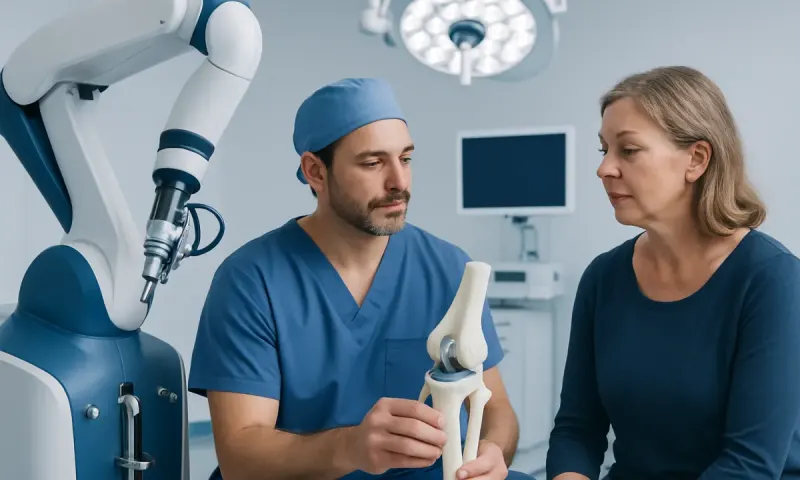
Running After Knee Replacement: Is It Safe?
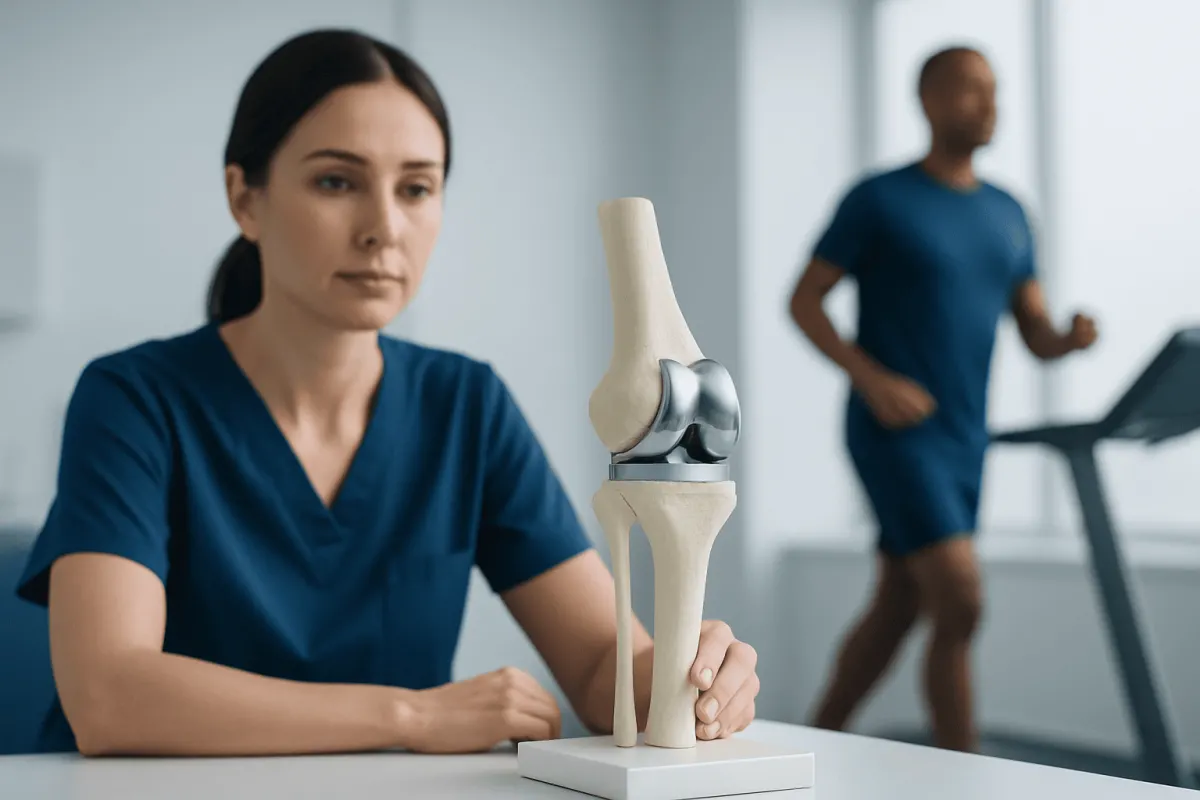
Knee replacement and running is a common concern for active people: many can return to walking, cycling, swimming and other low-impact exercise, while routine running is usually approached cautiously. A personalised decision should be made with the orthopaedic surgeon and rehabilitation team after recovery, strength and movement control have been assessed.
Knee Replacement and Running: What to Expect
Knee replacement and running can be compatible for a small number of carefully selected people, but running is generally not the standard recommendation after total or partial knee replacement. The repeated impact forces may place extra stress on the artificial joint and surrounding tissues, and long-term evidence on implant durability in runners remains limited.
The main purpose of knee replacement is to relieve pain and improve everyday movement when arthritis or joint damage has become severe. For many people, the most meaningful results are being able to walk more comfortably, use stairs, travel, work, exercise and take part in family life. A successful outcome does not require returning to high-impact running.
Each person’s plan depends on the type of replacement, the condition of the other knee and joints, body weight, bone quality, previous activity level, surgical recovery and personal goals. A surgeon and physiotherapist can help set realistic milestones and identify activities that support fitness while protecting the new joint.
How Knee Replacement Changes the Joint
Knee replacement surgery, also called knee arthroplasty, replaces damaged joint surfaces with carefully designed metal and plastic components. A total knee replacement usually resurfaces the ends of the thigh bone and shin bone and may include the back of the kneecap. A partial knee replacement treats only one damaged area when the rest of the knee is suitable.
The operation is most often considered for advanced osteoarthritis, although inflammatory arthritis, previous injury and other forms of joint damage can also lead to surgery. People considering surgery for arthritis may find it helpful to understand osteoarthritis and how symptoms, imaging findings and daily limitations are assessed together.
An artificial knee can support a very active lifestyle, but it is not identical to a natural joint. The implant does not restore all of the knee’s original shock absorption, sensation or tolerance for repeated impact. Protecting muscles, balance and movement technique therefore remains important long after the incision has healed.
Can You Be a Runner After a Knee Replacement?
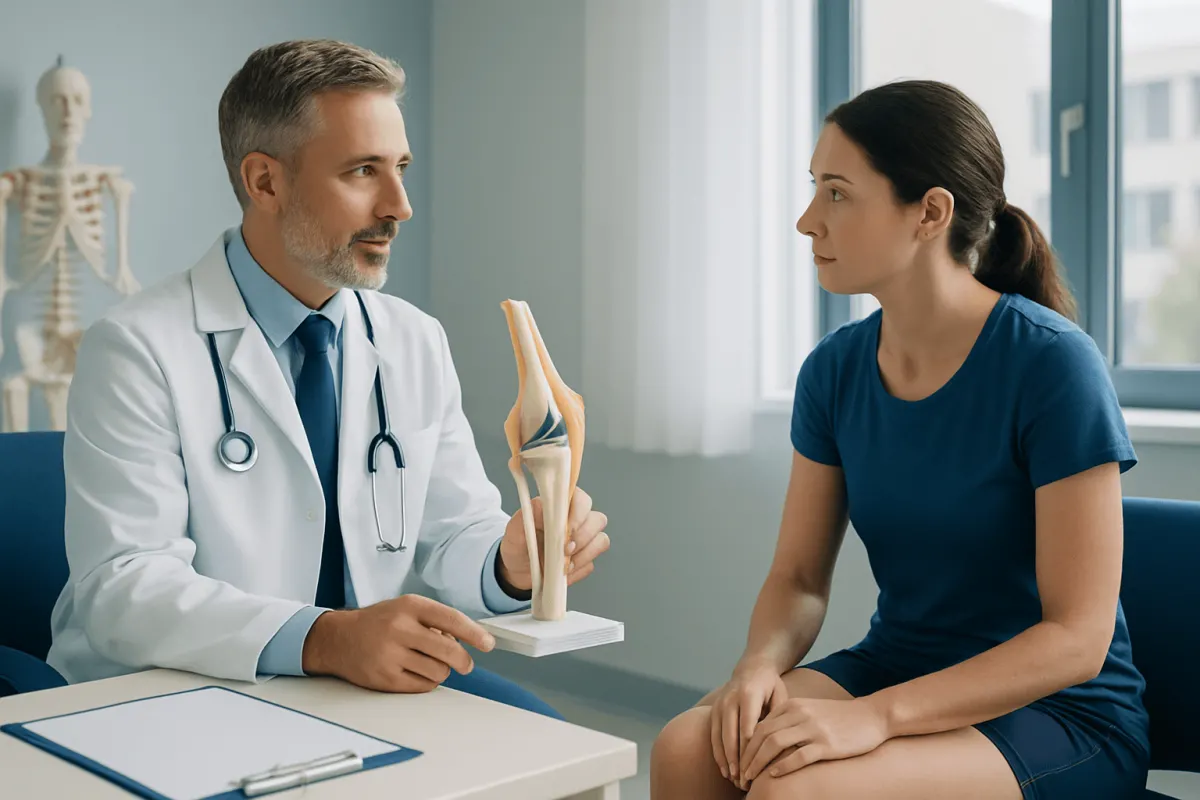
Some people do run after knee replacement, particularly those who ran regularly before surgery and recover well. However, many orthopaedic teams advise against routine or distance running because it is a high-impact activity and may increase the chance of pain, falls, soft-tissue irritation or earlier wear and loosening of the implant. The exact long-term effect is not fully known.
For people who strongly wish to return to running, the decision should be individual rather than based on a general rule. The surgeon may consider implant stability, range of motion, strength, alignment, body weight, prior running experience, overall health and the person’s ability to accept possible risks. It is safer to discuss this goal before surgery as well as during follow-up.
Low-impact choices are usually preferred for regular fitness. These include walking, cycling, swimming, water exercise, elliptical training, golf, rowing with appropriate technique and controlled strength training. These activities can improve heart health, leg strength and confidence without the repeated impact of running.
- Choose activities that do not cause lasting pain or swelling.
- Build duration and resistance gradually rather than increasing several exercise demands at once.
- Use supportive footwear and prioritise even, predictable surfaces.
- Stop and seek advice if the knee repeatedly swells, buckles or becomes increasingly painful.
How Soon Can I Run After a Knee Replacement?
There is no universal timeline for running after knee replacement, because routine running is not recommended for everyone. Early recovery focuses on safe walking, regaining knee movement, managing swelling and rebuilding muscle control. People commonly use a walker, crutches or a cane for a period before progressing to independent walking as advised by their care team.
Many patients can resume everyday activities gradually over the first several weeks, but deeper recovery continues for months. Strength, balance, walking pattern and endurance need time to improve. Even when someone feels well enough to be more active, internal tissues continue healing and the knee can remain swollen after exertion.
If an orthopaedic surgeon supports a trial of running, it would generally only be considered after full rehabilitation milestones have been met, not during the early recovery phase. These may include a stable gait, good range of motion, minimal swelling, adequate leg and hip strength, safe single-leg control and no concerning pain. The return should be gradual and supervised where possible, often beginning with brisk walking or other lower-impact conditioning.
Structured physical therapy and rehabilitation helps people progress safely from early mobility to strength, balance and sport-specific movement. The rehabilitation programme should be adjusted if symptoms increase rather than following a fixed calendar.
What Is the Hardest Part of Knee Replacement Recovery?
The hardest part of knee replacement recovery differs from person to person, but the first few weeks are often the most demanding. Pain, swelling, tiredness, interrupted sleep and the need to perform regular exercises can make daily routines feel difficult. Temporary dependence on others for transport, meals or household tasks may also be frustrating.
Regaining knee bend and straightening is often a major rehabilitation focus. Stiffness can develop when swelling and discomfort limit movement, which is why the care team encourages appropriate exercises and regular walking early in recovery. Progress is rarely perfectly linear: a more active day may cause extra swelling or soreness, even when the overall recovery is going well.
Rebuilding strength is another important challenge. The thigh muscles can weaken before surgery because of arthritis pain and after surgery because activity is temporarily reduced. Good strength in the thighs, hips and core supports walking, stair use and balance, and may reduce stress on the knee during recreation.
Emotional adjustment matters too. Setting small practical goals, following the rehabilitation plan and discussing concerns early can help. Persistent low mood, anxiety, sleep problems or difficulty coping with pain should be shared with a healthcare professional, as support and treatment are available.
How Painful Is a Knee Replacement on a Scale of 1 to 10?
A single pain score cannot accurately predict a person’s knee replacement experience. Some people report severe pain in the first days after surgery, while others describe moderate pain that becomes easier to manage with medication, ice, elevation, movement and time. Pain also changes during the day and may temporarily increase after physiotherapy or activity.
Rather than expecting a particular number from 1 to 10, patients can expect the care team to monitor pain regularly and adjust treatment where appropriate. Modern care commonly uses a multimodal approach, meaning several methods may be combined to reduce pain while limiting unwanted effects. These can include regional anaesthesia, prescribed medicines, cold therapy, positioning and early guided movement.
It is important to take prescribed medication exactly as directed and to tell the team if pain prevents sleep, walking or rehabilitation exercises. Severe pain that suddenly worsens, pain with increasing redness or drainage around the wound, or pain with fever should not be assumed to be a normal part of recovery.
Building Fitness Without Routine Running
For most people, the best long-term exercise plan after knee replacement combines regular low-impact aerobic activity with strength, flexibility and balance work. The aim is not simply to protect the implant; it is also to support cardiovascular health, bone health, confidence and independent daily living.
Walking is often the foundation of recovery and can become a sustainable lifelong activity. Cycling can improve knee movement and leg endurance with low impact, while swimming and pool exercises reduce load through buoyancy. Resistance exercises prescribed by a physiotherapist can strengthen the quadriceps, hamstrings, hips and trunk, which are all important for knee control.
People who miss the challenge or social side of running may consider alternatives such as incline walking, cycling groups, swimming sessions or carefully paced hiking on suitable terrain. A gradual increase in activity, rest days and attention to symptoms are more useful than trying to match a pre-surgery training schedule quickly.
Acıbadem Health Point’s multidisciplinary specialists and JCI-accredited hospitals support international patients with assessment, surgery and rehabilitation planning for knee conditions, including knee replacement surgery.
When to Seek Medical Care
After knee replacement, patients should follow the scheduled review plan provided by their surgical team. They should contact the team promptly for increasing rather than improving pain, marked new swelling, persistent inability to bear weight, repeated knee instability, a new clicking sensation with pain, or loss of movement after an injury.
Urgent medical assessment is needed for warning signs of infection or a blood clot. These can include fever, chills, increasing warmth or redness around the wound, pus or fluid leakage, sudden calf pain or swelling, chest pain, shortness of breath, fainting or coughing blood. These symptoms may have causes unrelated to the knee, but they should be assessed without delay.
Before starting or restarting running, people should arrange a review with their orthopaedic surgeon or physiotherapist. This is particularly important if they have ongoing swelling, pain at rest, weakness, balance problems, a history of falls or a new injury. A tailored plan is safer than returning to impact exercise independently.
Frequently asked questions
01Can you be a runner after a knee replacement?
Some people do return to running after knee replacement, but it is not routinely recommended because running creates repeated impact forces on the artificial joint. The decision should be individual and made with an orthopaedic surgeon after recovery, strength, movement and implant stability have been reviewed.
02How soon can I run after a knee replacement?
Running should not be attempted in the early recovery period. If a surgeon considers it appropriate, it would usually be discussed only after rehabilitation is well advanced and the person has regained stable walking, strength, balance, movement and minimal swelling. The exact timing varies substantially between individuals.
03What is the hardest part of knee replacement recovery?
Many people find the first few weeks hardest because pain, swelling, sleep disruption and daily exercises occur at the same time. Regaining knee bend and straightening, rebuilding thigh strength and accepting that recovery takes months can also be challenging. Regular support from the rehabilitation team can make these stages more manageable.
04How painful is a knee replacement on a scale of 1 to 10?
Pain cannot be predicted reliably with one number because everyone experiences it differently. It is often strongest in the first days and weeks, then improves gradually, although activity and physiotherapy may cause temporary soreness. A care team can adjust pain management if discomfort is interfering with sleep, walking or rehabilitation.
05What sports are safest after knee replacement?
Low-impact activities are commonly preferred, including walking, swimming, cycling, water exercise, golf, elliptical training and appropriately guided strength training. The best choice depends on fitness, balance, previous experience and the surgeon’s advice. Any activity that causes persistent pain or swelling should be reviewed.
06Will running make a knee replacement wear out faster?
It is possible that frequent high-impact running could increase stress on the implant and surrounding tissues, but the exact long-term effect varies and is not fully established. This uncertainty is one reason many surgeons recommend low-impact exercise instead. People who want to run should discuss their individual risks and goals with their surgical team.
This article is for general information only and is not a substitute for professional medical advice. Please consult a qualified doctor about your individual situation.
Joint and spine care in Turkey — expert assessment & treatment
JCI-accredited · board-certified surgeons · reply within 24h
Add us as a Preferred Source to see more of our trusted health content across Google Search, AI Overviews and Discover.