Breast Implant Scars: How They Fade Over Time
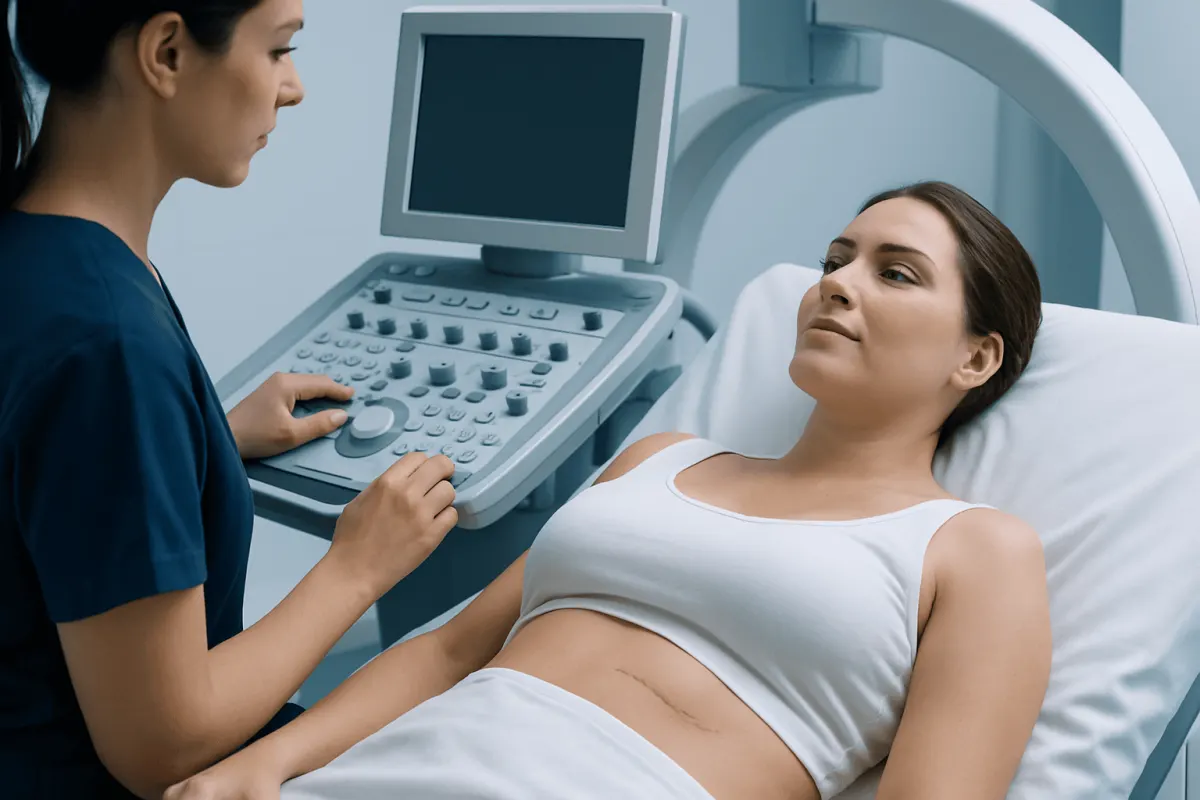
Breast implant scars are a normal result of breast augmentation and commonly look red, raised, or firm before gradually flattening and fading. Good wound care, sun protection, and follow-up with the surgical team can support normal breast implant scars healing, although every person’s final scar appearance is different.
Overview: What Breast Implant Scars Can Look Like
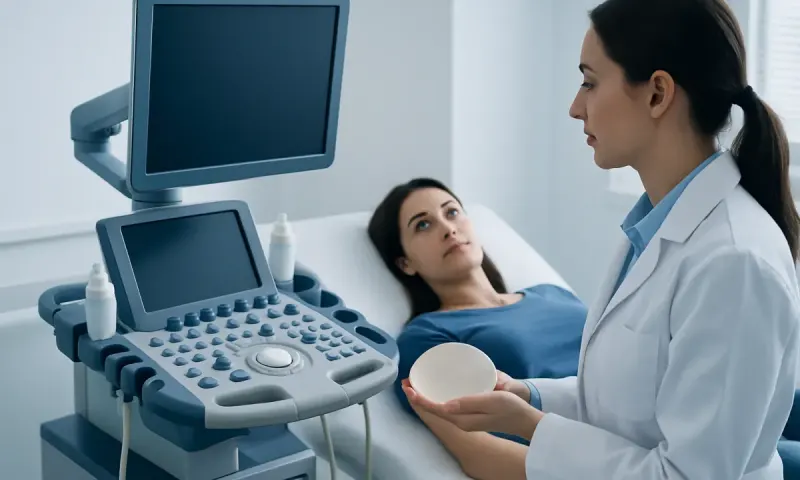
Breast implant scars are the small lines left where the surgeon makes incisions to place breast implants. They are an expected part of breast augmentation, breast reconstruction, or implant revision surgery. At first, scars may look pink, red, purple, firm, or slightly raised. With time, most become flatter, softer, and closer to the surrounding skin tone, although they do not disappear completely.
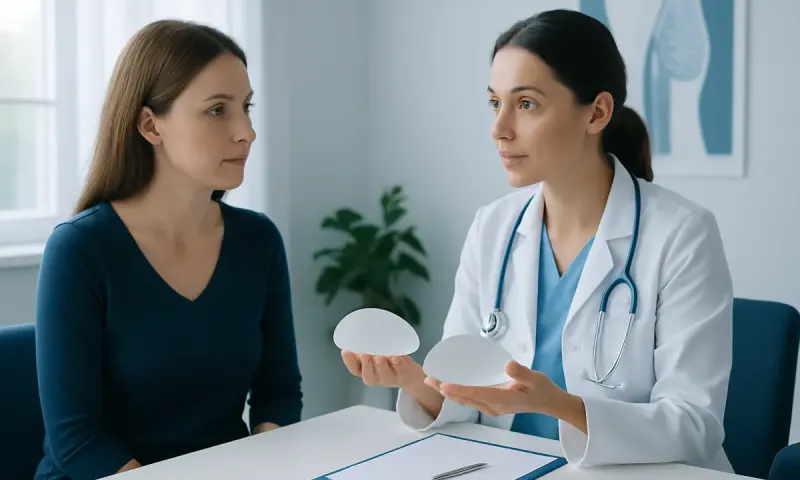
The location and length of a scar depend on the surgical plan. Common incision sites include the crease beneath the breast (inframammary), the edge of the areola (periareolar), and, less commonly, the armpit (transaxillary). The most suitable approach depends on breast shape, implant type and size, prior surgery, skin quality, and the patient’s goals. Breast augmentation should include a discussion of likely incision placement and the expected scar.
Photos described as breast implant scars before and after can be useful for understanding the range of normal outcomes, but they cannot predict an individual result. Skin tone, genetics, healing tendency, smoking exposure, infection, tension on the incision, and follow-up care can all influence how a scar matures.
How Long Do Breast Implant Scars Take to Heal?
The skin incision usually closes in the first few weeks, but scar healing continues well beyond this initial stage. During the first one to three months, a scar often becomes more noticeable before it improves. It may be redder, darker, itchy, or firmer as the body produces and reorganizes collagen.
At around three to six months, many people notice that scars begin to flatten and lighten, though they can still be visible. Breast implant scars after 6 months often remain pink or brown depending on skin tone, especially if they have received sun exposure or have been irritated by friction. The breast shape and implant position are also still settling during this period.
By 12 months, scars are usually softer and less prominent. Breast implant scars after 1 year may continue to change subtly for another six to 12 months. Some people develop thicker or darker scars, including hypertrophic scars or keloids, particularly if they have a personal or family history of these scar types. A surgeon or dermatologist can advise on appropriate options if a scar remains uncomfortable or very raised.
How Breast Augmentation Is Planned and Performed
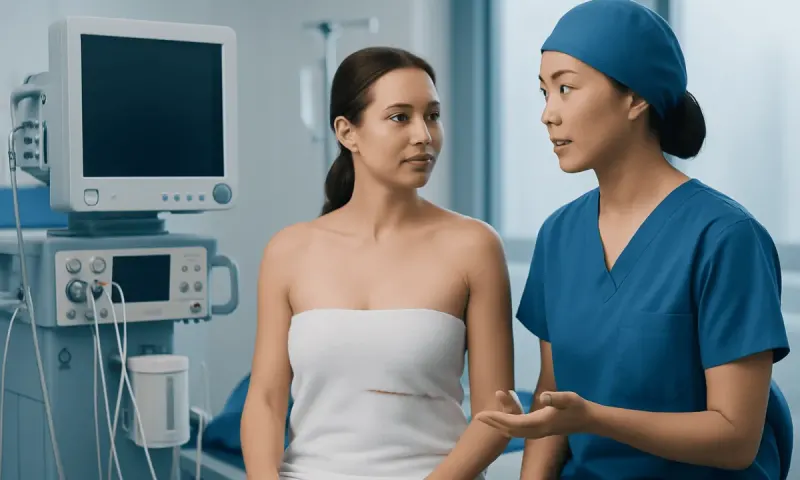
Breast augmentation is a planned surgical procedure rather than a single standard technique. During consultation, the surgeon reviews general health, breast anatomy, skin elasticity, existing scars, previous operations, medications, smoking or nicotine use, and expectations. People considering surgery should be medically suitable for anesthesia and have realistic expectations, including acceptance that an incision scar will remain.
The surgeon and patient discuss implant characteristics, placement above or below the chest muscle, and incision options. The best incision is individualized; no incision location is scar-free. A surgeon may recommend an approach that provides safe access, supports appropriate implant placement, and fits the person’s anatomy and goals.
On the day of surgery, the area is marked, anesthesia is given, and the planned incision is made. The surgeon creates a pocket, places the implant, checks symmetry and position, and closes the incision in layers. Dressings and a supportive surgical bra may be used. Detailed aftercare instructions are important because they guide safe activity, bathing, wound care, and follow-up appointments.
- Potential benefits: fuller breast volume, improved symmetry in selected cases, and restoration of volume after pregnancy, weight change, or aging.
- Potential risks: bleeding, infection, altered nipple or breast sensation, asymmetry, implant displacement, capsular contracture, implant rupture, visible scars, and possible future surgery.
What Does the 45-55 Rule Mean for Breast Augmentation?
The “45-55 rule” is an informal phrase sometimes used in online discussions of breast augmentation. It is not a recognized medical guideline, universal surgical measurement, or a reliable method for selecting implant size. Different clinics, social media posts, and patient discussions may use the term differently, so it should not be used as a basis for surgical decisions.
Appropriate implant planning is based on measurements of the breast and chest, soft-tissue thickness, skin stretch, breast base width, existing asymmetry, lifestyle, and the person’s goals. A surgeon may use measurements and implant trial systems to explain proportions, but an implant volume alone cannot guarantee a particular cup size or appearance.
Anyone who hears this phrase during research can ask the surgeon exactly what it means in that setting and whether it is supported by individualized anatomical assessment. Clear communication is more valuable than relying on a simplified rule, particularly when balancing desired appearance with tissue support and long-term safety.
Recovery Timeline and What May Feel Like the Worst Day
Recovery varies according to the incision, implant placement, type of anesthesia, individual pain sensitivity, and whether another procedure was performed at the same time. In the first several days, swelling, tightness across the chest, tiredness, and discomfort with arm movement are common. The breasts may sit high initially and gradually settle over the following weeks to months.
There is no universal answer to the question, “What’s the worst day after breast augmentation?” Many patients find the first one to three days most uncomfortable, particularly when implants are placed beneath the chest muscle. Others feel more discomfort when swelling peaks or as they become more active. Pain that is severe, worsening rather than improving, or only on one side should be reported to the surgical team.
Most people can return to light daily activities within a period advised by their surgeon, while strenuous exercise, heavy lifting, and chest-focused activity usually require more time. Follow-up visits allow the surgeon to inspect the incisions, assess implant position, and advise when scar care and normal activities can progress safely.
Bruising and swelling should gradually improve. A sudden increase in swelling, a rapidly enlarging breast, new marked asymmetry, or shortness of breath requires urgent medical assessment.
How Can I Care for My Scars After Breast Augmentation?
For the first stage of breast implant scars healing, the priority is protecting the closed incision. Keep dressings clean and dry as instructed, wash only when the surgeon says it is safe, and avoid pulling, rubbing, or applying products directly to an unhealed incision. Do not remove adhesive strips, sutures, or surgical glue unless the care team advises it.
Once the wound is fully closed and the surgeon approves, silicone gel or silicone sheets may be recommended to help manage scar appearance. Some people are advised to use gentle scar massage after healing, but timing and technique matter. Massage too early can irritate healing tissue, so it should only be started with individualized guidance.
Sun protection is an important long-term step. Ultraviolet exposure can cause new scars to darken and remain more noticeable. Cover the area with clothing when practical and use broad-spectrum sunscreen on fully healed skin according to clinician advice. Avoid smoking and nicotine products, which can reduce blood flow and impair wound healing.
- Wear the recommended support garment and avoid pressure from underwires until cleared.
- Take prescribed or recommended medicines exactly as directed.
- Maintain adequate nutrition, hydration, and sleep during recovery.
- Attend all planned follow-up appointments, even if healing appears uncomplicated.
When to Seek Medical Care
It is sensible to contact the surgical team whenever there is uncertainty about a wound, scar, breast swelling, or recovery restriction. Early questions are welcome and can help prevent minor concerns from becoming more significant. Follow the specific emergency instructions provided after surgery.
Prompt medical advice is needed for increasing redness or warmth around an incision, pus-like or foul-smelling drainage, fever, wound separation, worsening pain, persistent bleeding, or a new rash after using a product. Also seek urgent assessment for sudden one-sided breast enlargement, chest pain, breathing difficulty, fainting, or symptoms of a serious allergic reaction.
Scars that become increasingly thick, itchy, painful, or extend beyond the original incision may benefit from assessment after the initial healing period. Treatment can include silicone-based therapy, injections, laser-based approaches, or other scar-management options selected by a qualified clinician. Acıbadem Health Point’s multidisciplinary specialists and JCI-accredited hospitals support Myomectomy Recovery for International Patients: The Usual Travel Timeline" class="ahp-ilk">international patients undergoing assessment and treatment for breast surgery concerns.
Frequently asked questions
01Will breast implant scars go away completely?
Breast implant scars usually fade and become less noticeable, but they do not disappear completely. Their final appearance depends on incision location, skin type, genetics, surgical technique, wound healing, and sun exposure. Scar maturation commonly continues for 12 to 18 months.
02Why are my breast implant scars red or hard?
Redness and firmness can be normal during the early and middle stages of scar maturation. Scar tissue often produces extra collagen at first, then gradually softens and flattens. A scar that becomes increasingly painful, hot, very raised, or associated with drainage should be assessed by a clinician.
03Can I use silicone sheets on breast augmentation scars?
Silicone sheets or gel may be helpful for some healed surgical scars, but they should not be used on an open, draining, or infected incision. The surgeon should confirm when the incision is fully closed and ready for scar treatment. Following the product and clinical instructions helps avoid skin irritation.
04When can I exercise after breast augmentation?
Light walking is often encouraged early, but the timing for lifting, running, swimming, and upper-body exercise varies by procedure and healing progress. Returning too quickly can increase discomfort and place tension on the healing incision. The surgical team should provide individualized clearance for each activity.
05Do scars look worse before they look better after breast augmentation?
Often, yes. Many surgical scars become redder, firmer, or more visible during the first few months before gradually fading. This is a usual part of collagen remodeling, provided the incision is closed and symptoms are steadily improving. A clinician can assess any scar that is worsening rather than settling.
06What can make breast implant scars more noticeable?
Genetic tendency toward raised scars, infection, delayed wound healing, smoking or nicotine use, excessive tension on an incision, and sun exposure can all make scars more noticeable. Carefully following aftercare instructions may support healing, but no method can guarantee a particular scar outcome.
This article is for general information only and is not a substitute for professional medical advice. Please consult a qualified doctor about your individual situation.
Explore treatments in Turkey — costs, top hospitals & a free quote
JCI-accredited · board-certified surgeons · reply within 24h
Add us as a Preferred Source to see more of our trusted health content across Google Search, AI Overviews and Discover.