Botox for Under Eye Bags: What It Can Soften
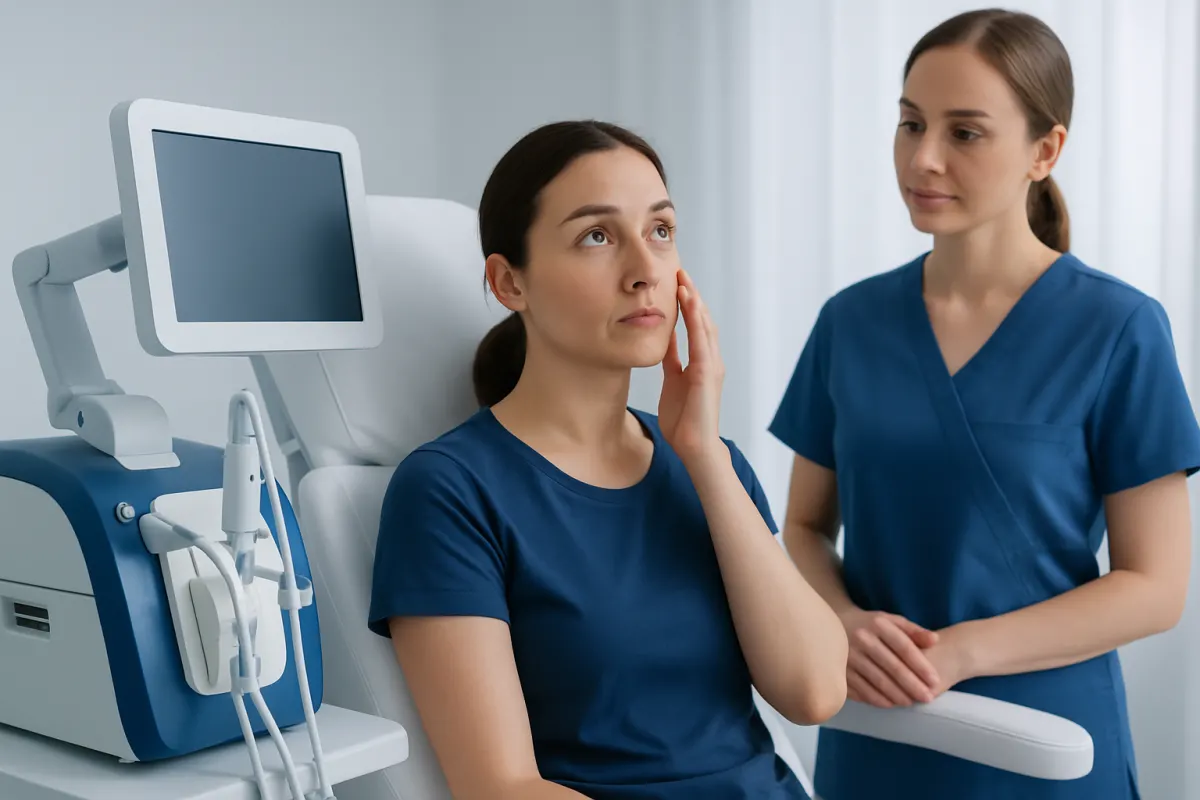
Botox for under eye bags can improve the appearance of fine lines and, in selected people, mild muscle-related fullness beneath the eyes. It does not remove protruding fat pads, loose skin, fluid retention or dark circles, so a specialist assessment is important before treatment.
Overview: what Botox can and cannot do for under eye bags
Botox for under eye bags may help when the appearance is partly caused by movement of the muscle around the eye, especially fine wrinkles or a mild roll of fullness that becomes more obvious while smiling. Botox is a botulinum toxin medicine that temporarily relaxes selected muscles. It is not a filler and does not dissolve, remove or reposition under-eye fat.
Many people use the term “under eye bags” to describe several different concerns: morning puffiness, bulging fat pads, loose lower-eyelid skin, shadows from hollows, dark pigmentation, or creases that appear with facial expression. These causes require different treatments. A careful examination at rest and while smiling helps determine whether Botox is likely to offer a meaningful improvement.
Because the lower eyelid is functionally and cosmetically sensitive, treatment should be individualized. An experienced clinician will also assess eye dryness, eyelid position, previous eyelid procedures, facial symmetry and the person’s goals before recommending injections.
Why under eye bags develop
Under-eye fullness becomes more common with age because the skin gradually becomes thinner and less elastic, while supporting tissues around the eyelid may weaken. Fat normally located around the eye can then become more visible or protrude forward. Genetics also strongly influence the shape of the lower eyelid and whether bags appear early in adulthood.
Temporary puffiness can be worsened by poor sleep, allergies, nasal congestion, crying, alcohol intake, a high-salt diet, smoking and fluid shifts. Some people notice it most in the morning, when fluid can collect in the tissues around the eyes. In these situations, the fullness may vary from day to day rather than remaining constant.
Wrinkles at the lower eyelid may result from repeated contraction of the orbicularis oculi muscle, sun exposure and natural changes in collagen. Botox can address the muscle component of these lines, but it cannot correct every structural change that creates an under-eye bag.
Will Botox take away under eye bags?

Botox will not usually take away true under-eye bags caused by protruding fat, excess skin or persistent fluid retention. In fact, relaxing the lower eyelid muscle in an unsuitable candidate can sometimes make pre-existing bags or hollows look more noticeable. For this reason, Botox should not be considered a universal treatment for bags beneath the eyes.
It may be useful for a small group of patients with mild lower-lid lines or a visible muscle roll that appears mainly with smiling. The aim is a subtle reduction in muscle activity, not complete immobilization. The clinician may recommend a conservative approach, particularly for a first treatment.
Under-eye shadows may also be caused by tear-trough hollowing rather than a bag. Depending on the anatomy, treatment may involve skin care, selected injectable treatments, laser-based procedures or surgery. Injectable treatment near the eye requires special expertise, and it is not suitable for everyone.
- Best suited to Botox: dynamic wrinkles or mild muscle-related fullness.
- Less likely to respond: fixed fat pads, marked loose skin, significant swelling or pigmentation.
- Needs medical evaluation: new, one-sided, painful or rapidly worsening swelling.
How is Botox for bags under the eyes performed?
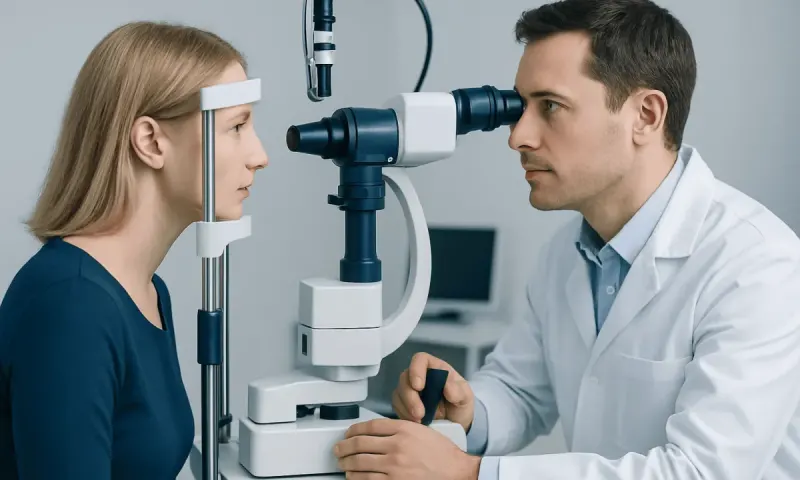
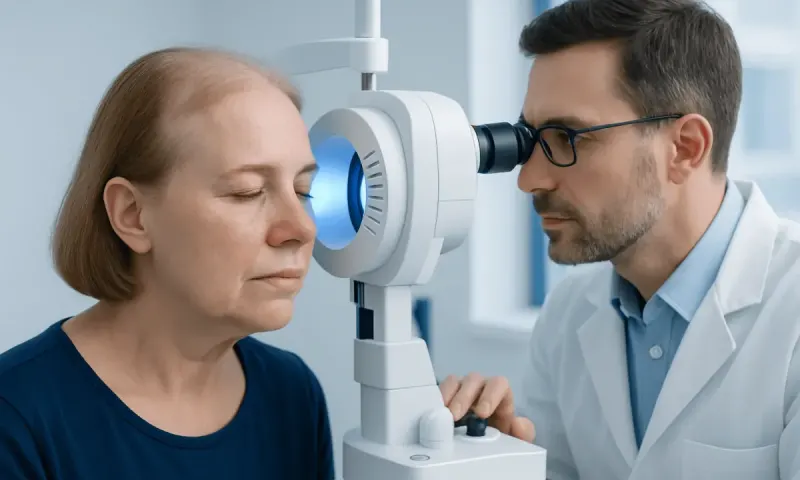
The process begins with a medical consultation. The clinician reviews medical history, medications, allergies, Pink Eye Symptoms: Causes and Treatment" class="ahp-ilk">eye symptoms, previous cosmetic procedures and any history of facial weakness or eyelid surgery. They examine the lower lids at rest and during facial expressions, then discuss whether Botox is appropriate and what result can realistically be expected.
If injections are chosen, the skin is cleaned and small amounts of botulinum toxin are placed at carefully selected points using a very fine needle. The injection itself is usually brief. A topical numbing cream is sometimes used, although many people do not require it. Bruising, pinpoint redness or mild swelling can occur temporarily.
There is no single answer to searches for “botox for bags under eyes cost” or a standard treatment plan. Fees and technique vary according to location, clinician qualifications, the product used, the treatment area and whether other procedures are needed. Safety, appropriate assessment and injector experience are more important than choosing treatment based on price alone.
Patients should seek care from a licensed clinician with specific training in facial anatomy and periocular injections. Unregulated products or injections performed outside medical settings can carry avoidable risks.
How many units of Botox to get rid of under eye bags?
There is no safe universal number of Botox units to get rid of under-eye bags. The amount, if Botox is appropriate at all, depends on the product formulation, muscle strength, eyelid anatomy, degree of puffiness, prior treatment response and the desired level of movement. Units are not interchangeable between different botulinum toxin products.
The lower eyelid is generally treated more conservatively than many other facial areas. Using too much product, injecting at an unsuitable location or treating someone with poor eyelid support can affect the natural blink and lower-lid function. This is why treatment should never be planned from an online unit recommendation or copied from another person’s experience.
A qualified clinician may recommend avoiding lower-lid Botox altogether if there is significant eye dryness, eyelid laxity, noticeable bags at rest, certain neuromuscular conditions, pregnancy or breastfeeding, an active skin infection, or other individual concerns. The final decision should follow an in-person assessment.
How long do under eye bags last after Botox?
When Botox improves muscle-related lower-eye lines or fullness, early changes may be noticed within several days, with the effect becoming clearer over approximately two weeks. The improvement is temporary. For many people, Botox effects in facial muscles gradually wear off over a period of months, although individual duration differs.
Botox does not make structural under-eye bags disappear permanently. If a person has true fat protrusion or loose skin, those features remain after the muscle-relaxing effect fades and may not change much at all with Botox. Before-and-after photographs should therefore be viewed cautiously, as lighting, facial expression, camera angle and temporary swelling can influence their appearance.
Follow-up is often useful after the initial treatment so the clinician can assess symmetry, movement and satisfaction once the result has settled. Additional injections should not be rushed before the full effect can be evaluated.
Recovery, aftercare and possible side effects
Most people return to usual daily activities soon after Botox. The treating clinician may advise avoiding rubbing or massaging the area, strenuous exercise, excessive heat and lying flat for a short period after injections. Exact aftercare instructions vary, so the clinician’s advice should take priority.
Common short-term effects include mild tenderness, redness, swelling or bruising at injection points. These typically settle without treatment. Makeup may need to be postponed briefly if the clinician advises this, particularly to avoid pressure or irritation in the treated area.
Less common but important risks around the eyes include asymmetry, an unnatural smile, lower-eyelid weakness, worsening dry eye symptoms, blurred vision, double vision or eyelid position changes. These effects are usually temporary but may be distressing. A person should contact the treating clinician promptly if they develop vision changes, significant pain, increasing swelling, signs of infection or difficulty closing the eye.
Acıbadem Health Point’s multidisciplinary specialists and JCI-accredited hospitals assess and treat eyelid and facial aesthetic concerns for international patients, with care plans based on individual anatomy and medical needs.
What procedure is best for under eye bags?
The best procedure for under-eye bags depends on what is causing the concern. For puffiness related to allergies, sleep disruption or fluid retention, addressing the trigger and using simple measures such as adequate sleep, allergy management advised by a clinician, sun protection and limiting excess salt or alcohol may help. Cooling compresses can provide short-term relief for some people.
For fine lines and mild muscle-related fullness, carefully selected Botox may be considered. Skin-quality treatments, including retinoid-based skin care when appropriate, chemical peels, laser treatments or radiofrequency-based procedures, may help selected concerns such as texture and fine wrinkles. These options should be chosen after professional assessment because the skin around the eye is thin and sensitive.
For prominent fat pads or excess lower-eyelid skin, lower eyelid surgery, also called blepharoplasty, may offer the most direct and lasting structural correction. The procedure can remove or reposition fat and address excess skin when appropriate. An oculoplastic surgeon or plastic surgeon can explain the benefits, limitations and risks of blepharoplasty for lower eyelid bags.
When shadows are mainly caused by hollowing beneath the eyes, the approach can differ from treating a bag. A specialist may discuss whether non-surgical options are suitable, but not every person is a candidate for fillers in this area. The safest choice is based on eyelid support, skin quality, fat distribution and overall facial balance.
When to seek medical care
Persistent cosmetic under-eye bags can be discussed with a dermatologist, ophthalmologist, oculoplastic surgeon or qualified aesthetic clinician, especially when they affect confidence or do not improve with lifestyle measures. A clinical examination can identify whether the concern is likely to respond to Botox, skin treatment, surgery or no procedure at all.
Prompt medical assessment is advisable for swelling that is sudden, painful, red, warm, one-sided, associated with fever, follows an injury, or occurs with vision changes. Seek urgent medical care for severe eye pain, loss of vision, difficulty breathing, facial swelling involving the lips or tongue, or symptoms of a serious allergic reaction.
People considering Botox should also mention dry eyes, contact lens use, prior eye surgery, thyroid eye disease, neurological conditions and all medicines or supplements. This helps the clinician choose the safest plan and reduce the likelihood of complications.
Frequently asked questions
01Can Botox improve under-eye wrinkles without treating eye bags?
Yes. Botox may soften dynamic wrinkles caused by repeated muscle movement, including some fine lines that appear when smiling. It does not remove the fat pads or loose skin that commonly create true under-eye bags.
02Is Botox under the eyes safe?
Botox can be used safely in selected patients when it is prescribed and injected by an appropriately trained, licensed medical professional. However, the eye area has specific risks, including dry eye symptoms, asymmetry and temporary effects on eyelid function, so an individual assessment is essential.
03What should a person expect from Botox for under eye bags before and after treatment?
Before treatment, the clinician should identify the cause of the under-eye appearance and explain whether Botox is likely to help. After treatment, mild redness, swelling or bruising can occur, while any muscle-relaxing effect develops gradually over days rather than immediately. Results should be subtle and should not be expected to erase structural bags.
04Can fillers be better than Botox for under-eye bags?
Fillers may help some people whose under-eye concern is mainly a hollow or shadow rather than puffiness from fat pads. They are not appropriate for everyone and can worsen swelling in susceptible individuals. A specialist should assess the lower eyelid and tear-trough area before recommending filler.
05How can morning under-eye puffiness be reduced?
Adequate sleep, managing allergies with medical advice, avoiding excess salt and alcohol, and using a cool compress may help mild temporary puffiness. If swelling is persistent, uneven, painful or associated with eye symptoms, it should be medically assessed rather than treated only as a cosmetic concern.
06Who should avoid Botox near the lower eyelids?
Suitability depends on a clinical evaluation. Botox may be unsuitable or deferred in people with an active infection at the injection site, certain neuromuscular disorders, significant dry eye or eyelid laxity, and during pregnancy or breastfeeding. A clinician should also review current medicines and any history of eyelid or eye surgery.
This article is for general information only and is not a substitute for professional medical advice. Please consult a qualified doctor about your individual situation.
Explore treatments in Turkey — costs, top hospitals & a free quote
JCI-accredited · board-certified surgeons · reply within 24h
Add us as a Preferred Source to see more of our trusted health content across Google Search, AI Overviews and Discover.