Photosensitivity Symptoms: Skin and Eye Reactions to UV

Photosensitivity means the skin or eyes react more strongly than expected to sunlight or artificial ultraviolet light. It is a symptom rather than a single disease, and it may be triggered by medications, skin conditions, immune disorders, or inherited problems.
What photosensitivity means
Photosensitivity is an unusually strong reaction to sunlight or other sources of ultraviolet (UV) radiation. In practical terms, this means a person develops symptoms after light exposure that would not usually cause the same degree of reaction in most people. The effect may involve the skin, the eyes, or both.
This term does not describe one single illness. Instead, it refers to a pattern of sensitivity that can happen for different reasons. Some people react because of a medicine they take, some because of a skin or immune condition, and others because of less common inherited or metabolic disorders.
Medical evidence separates photosensitivity from common sunburn. A typical sunburn follows enough UV exposure for long enough time. Photosensitivity, by contrast, may appear after relatively brief exposure, may have an unusual rash pattern, or may repeatedly affect the same sun-exposed areas such as the face, neck, chest, forearms, and backs of the hands.
Understanding the cause matters because treatment is not just about avoiding the sun. It may also involve changing a medication, treating an underlying disease, improving everyday photoprotection, or checking for related conditions that need specialist care.
How photosensitivity can appear
The symptoms of photosensitivity vary widely. Some people notice redness, warmth, itching, or a burning sensation soon after being outdoors. Others develop small bumps, eczema-like patches, hives, blisters, or areas that become darker or lighter after the reaction settles.
The pattern can offer clues. Reactions often affect sun-exposed skin while sparing covered areas. The eyelids, under the chin, behind the ears, and skin under watch straps or clothing may be less affected because they receive less direct UV light. In some conditions, however, even light passing through window glass can trigger symptoms, especially when UVA is involved.
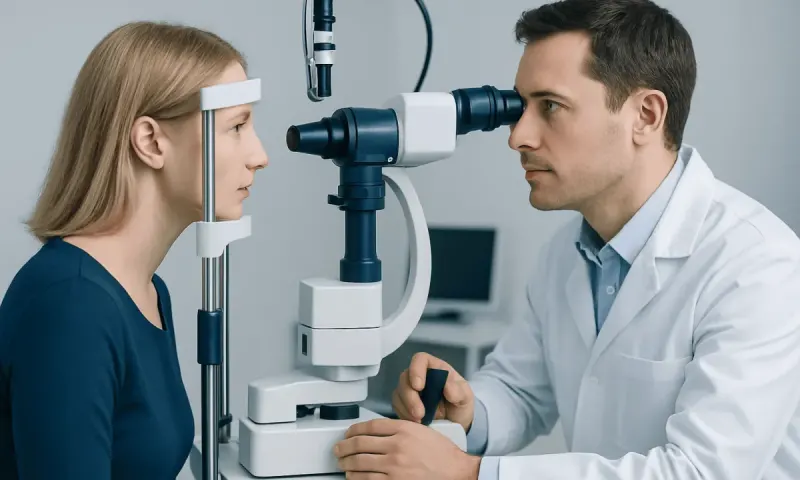
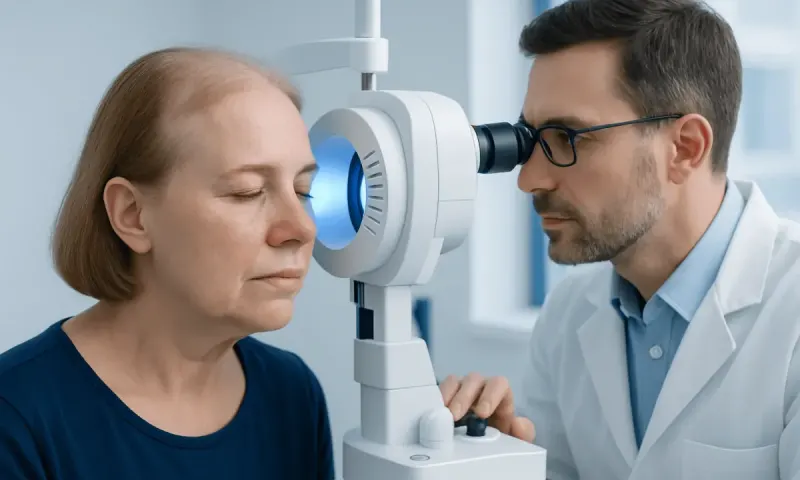
Photosensitivity may also affect the eyes. People sometimes describe discomfort in bright light, tearing, eye redness, headache, or a need to squint indoors after being outside. Pink Eye Symptoms: Causes and Treatment" class="ahp-ilk">Eye symptoms should be assessed carefully because they can be linked to inflammation or other eye conditions, not only skin sensitivity.
Some signs deserve particular attention:
- Rashes that keep returning after sun exposure
- Blistering or severe burning after short periods outdoors
- Symptoms accompanied by fever, joint pain, mouth ulcers, or unusual fatigue
- New sensitivity that begins after starting a medication or supplement
- Scarring, persistent discoloration, or thickened skin after reactions
Common causes and risk factors
Many cases of photosensitivity are linked to medications. Certain antibiotics, anti-inflammatory medicines, diuretics, acne treatments, heart medicines, and some psychiatric or antifungal drugs may make the skin more reactive to UV light. Fragrances and topical products can also cause light-triggered reactions on exposed skin. This is one reason clinicians ask about prescription drugs, over-the-counter products, supplements, and skin-care routines.
Dermatologic conditions are another important cause. People with eczema, rosacea, or other inflammatory skin disorders may notice that sunlight worsens symptoms, although the relationship differs from person to person. In some cases a clinician may evaluate whether a persistent sun-related rash fits a disorder such as eczema or another chronic skin condition.
Autoimmune and connective tissue diseases can also lead to photosensitivity. One of the best-known examples is lupus, in which UV exposure may trigger or worsen rashes and sometimes broader disease activity. Less common causes include porphyrias, pigment disorders, and certain genetic conditions that interfere with normal DNA repair or skin protection.
Risk increases with factors such as high UV exposure, fair or easily burning skin, outdoor work or hobbies, use of photosensitizing medicines, and a personal or family history of related skin or immune conditions. However, photosensitivity can affect people of any skin tone. In darker skin, the reaction may show more as itching, swelling, or post-inflammatory pigmentation than obvious redness.
Why sunlight triggers a reaction
Sunlight contains different wavelengths, and not all act the same way on the body. UVB is more strongly linked with classic sunburn, while UVA penetrates more deeply and can pass through window glass. Some photosensitive conditions are mainly triggered by UVA, some by UVB, and some by visible light as well.
Clinicians often describe two broad reaction patterns: phototoxic and photoallergic. A phototoxic reaction is more common and resembles an exaggerated sunburn. It happens when a substance in the body or on the skin absorbs light and directly damages tissue. A photoallergic reaction is less common and involves the immune system; it may look more like eczema and can spread beyond the exact exposed area.
In autoimmune or inherited disorders, the mechanism is different. UV light may alter skin cells in a way that provokes inflammation, or the body may be less able to repair light-induced damage. This is why the same amount of sunlight can be tolerated by one person but cause a substantial reaction in another.
These distinctions are useful because they help guide prevention and treatment. A person with medicine-related phototoxicity may improve after a medication review and better UVA/UVB protection, while someone with an immune-related condition may need broader medical assessment and longer-term management.
How doctors diagnose photosensitivity
Diagnosis starts with a detailed history. A doctor will ask when symptoms began, how quickly they appear after light exposure, what the rash looks and feels like, which body areas are involved, and whether any new medicines, creams, fragrances, or supplements were started. Photographs taken during a flare can be helpful, especially when the rash fades before the appointment.
The skin examination looks for the distribution and type of lesions, as well as signs of underlying disease. Depending on the pattern, the doctor may ask about joint symptoms, mouth ulcers, fever, eye discomfort, family history, and occupational or hobby-related UV exposure. If light sensitivity involves the eyes, an ophthalmology assessment may be recommended.
Tests are selected case by case. They may include blood tests for autoimmune markers, liver-related or metabolic investigations, and allergy assessment. Some specialists use phototesting to identify which wavelengths provoke symptoms and how much exposure triggers a reaction. Photopatch testing may be used when a topical product is suspected.
Because photosensitivity is a symptom rather than a single diagnosis, the goal is to identify the most likely cause and rule out important underlying conditions. In some patients, this leads to straightforward advice; in others, it may involve review by dermatology, rheumatology, allergy, or eye specialists.
Treatment options and daily management
Treatment depends on the cause. If a medication is responsible, a doctor may review whether it can be stopped, replaced, or adjusted. A person should not discontinue prescribed treatment without medical advice, especially if the medicine is important for another health condition. When skin inflammation is present, clinicians may recommend targeted therapies to calm the reaction and help the skin barrier recover.
For persistent or unexplained reactions, specialist assessment can be important. A dermatologist may evaluate the need for treatments used in inflammatory skin disease, allergy-related reactions, or autoimmune conditions. In selected cases, supportive care may include approaches similar to those used in dermatology care or, when a broader immune-related illness is suspected, referral pathways linked to rheumatology evaluation.
Sun protection is a core part of management. This usually includes a broad-spectrum sunscreen that protects against UVA and UVB, protective clothing, a wide-brimmed hat, UV-filtering sunglasses, and planning outdoor activities outside peak sunlight hours when possible. Window films or UV-protective measures may help those who react through glass or under indoor lighting.
Some people also benefit from practical skin-care steps: avoiding heavily fragranced products on exposed skin, checking medicine labels for sun warnings, treating existing inflammatory skin problems, and keeping a diary of triggers. If eye symptoms are prominent, an eye specialist may advise supportive care and assess whether additional treatment is needed. At Acıbadem Health Point, multidisciplinary specialists in JCI-accredited hospitals diagnose and treat photosensitivity-related conditions for international patients.
Prevention and self-care that are evidence-based
Prevention is most effective when it matches the type of sensitivity. A person with medication-related photosensitivity may need stricter protection while taking the medicine, even on cloudy days. Someone with an autoimmune trigger may need year-round habits because UV exposure can be cumulative and not always immediately noticeable.
Helpful measures include:
- Using broad-spectrum sunscreen regularly and reapplying it as directed
- Wearing tightly woven clothing, hats, and UV-protective sunglasses
- Seeking shade and limiting midday sun exposure
- Reviewing medicines and topical products with a doctor or pharmacist
- Avoiding tanning beds and unnecessary UV exposure
- Monitoring for patterns, such as reactions after certain products or activities
It is also useful to protect areas people often forget, such as the ears, scalp parting, neck, backs of the hands, and tops of the feet. Lip protection may matter too, especially for those who develop recurrent lip irritation outdoors. People who drive frequently or spend time near windows may benefit from discussing UVA exposure and practical protective strategies.
Self-care should not replace medical assessment when symptoms are strong, new, or unexplained. Repeated use of over-the-counter creams without knowing the cause can delay diagnosis, especially if the reaction is linked to a medicine, an autoimmune disease, or a less common metabolic disorder.
When to seek medical care
Medical advice is appropriate if photosensitivity is recurrent, severe, or affecting daily life. A person should arrange a clinical review if a rash appears after short light exposure, if reactions are getting worse over time, or if they began after starting a new medicine, supplement, or skin product.
Prompt assessment is especially important when photosensitivity comes with blistering, widespread rash, fever, joint pain, mouth sores, unusual tiredness, eye pain, or vision changes. These features may point to a broader medical issue that needs timely investigation rather than simple sun avoidance alone.
Urgent care is needed for severe eye symptoms, signs of infection in damaged skin, or a rapid, extensive reaction. Where symptoms suggest a related skin disease or immune condition, clinicians may coordinate care with services similar to skin specialist assessment or broader specialty evaluation if needed.
In general, photosensitivity is manageable once the trigger is identified. Early assessment often makes it easier to prevent repeated flares, protect the skin and eyes, and treat any underlying condition appropriately.
Frequently asked questions
01Is photosensitivity the same as sun allergy?
Not exactly. Photosensitivity is a broad term for abnormal reactions to sunlight or UV light, while "sun allergy" is an informal term often used for specific light-triggered rashes. A doctor helps distinguish between medication-related reactions, inflammatory skin conditions, and true immune-mediated disorders.
02Can medications cause photosensitivity?
Yes. Some medicines can make the skin more reactive to UV exposure, leading to redness, burning, or rash after relatively short time outdoors. A person should not stop a prescribed medicine on their own, but should ask a doctor or pharmacist whether a drug could be contributing.
03Can photosensitivity happen even on cloudy days or through windows?
Yes. UVA can pass through clouds and window glass, so some people still react when it does not feel especially sunny. This is why broad-spectrum protection and practical indoor or driving-related measures may sometimes be advised.
04What kind of doctor treats photosensitivity?
A primary care doctor can begin the evaluation, especially by reviewing medicines and common triggers. Depending on the pattern, referral may be made to a dermatologist, rheumatologist, allergist, or ophthalmologist.
05Will photosensitivity go away?
It depends on the cause. If it is linked to a temporary medication or product, symptoms may improve once the trigger is removed and the skin heals. If it is related to a chronic condition, it often can be managed well with ongoing protection and medical treatment.
06How is photosensitivity different from ordinary sunburn?
Ordinary sunburn usually follows enough UV exposure for long enough time. Photosensitivity may occur after shorter exposure, may have an unusual rash pattern, and may keep recurring in a way that suggests an underlying trigger.
This article is for general information only and is not a substitute for professional medical advice. Please consult a qualified doctor about your individual situation.
Explore treatments in Turkey — costs, top hospitals & a free quote
JCI-accredited · board-certified surgeons · reply within 24h
Add us as a Preferred Source to see more of our trusted health content across Google Search, AI Overviews and Discover.