Eyebrow Hair Loss: Causes and Treatment Options
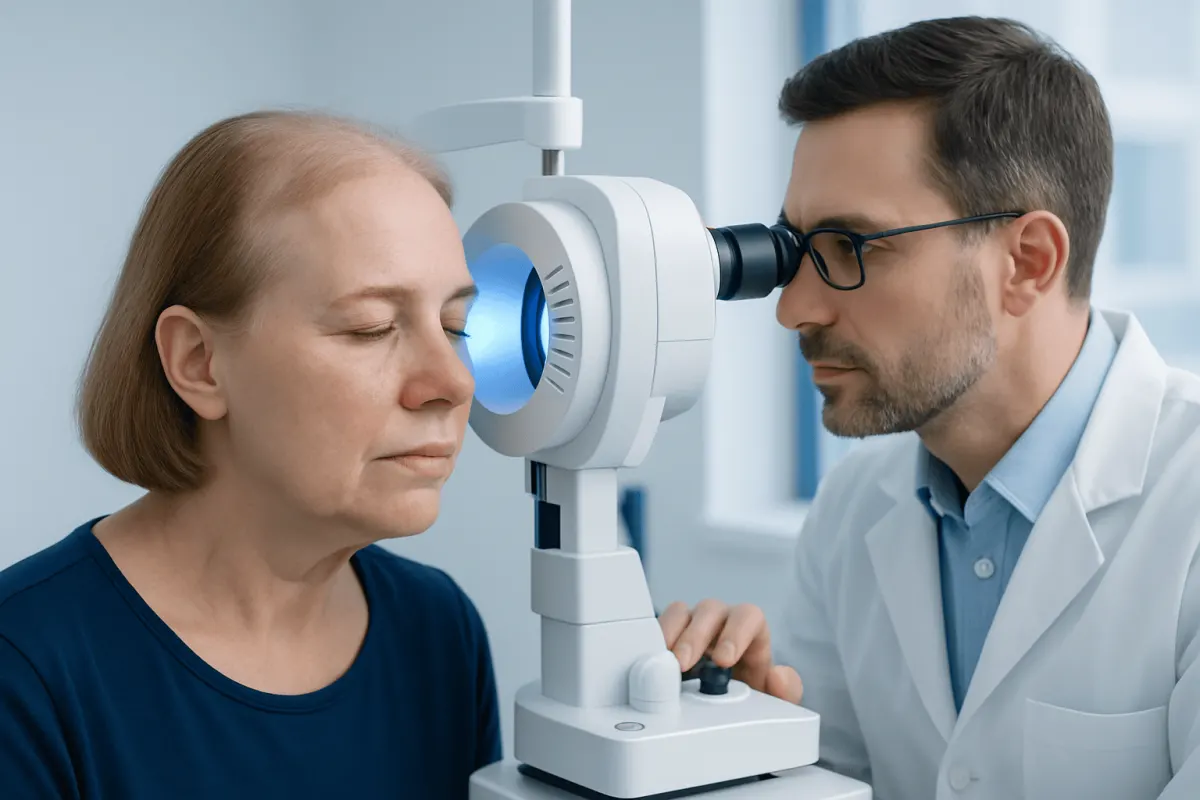
Eyebrow hair loss can result from skin conditions, autoimmune disease, hormonal changes, nutritional issues, repeated trauma, cosmetic procedures or scarring. Some causes are reversible with medical care, while an eyebrow hair transplant may be considered once permanent loss is stable and the underlying cause has been assessed.
Overview: what eyebrow hair loss can mean
Eyebrow hair loss is the partial or complete thinning of one or both eyebrows. It may appear gradually, occur in small patches, affect the outer ends of the brows, or follow an injury or procedure. The most suitable approach depends on whether the hair follicles are temporarily inactive, inflamed, damaged or permanently scarred.
For many people, the first step is an eyebrow hair loss dermatology assessment rather than immediately considering a cosmetic procedure. A clinician can examine the skin and hair pattern, review health history and identify conditions that may need treatment. When hair loss is permanent and stable, carefully planned eyebrow transplantation can restore hair to selected areas.
Brows have both practical and personal importance, helping direct sweat away from the eyes and contributing to facial expression. Seeking evaluation early can be helpful, particularly when there is redness, scaling, itching, pain, scarring or sudden patchy loss.
Common causes and patterns of eyebrow thinning
Eyebrow thinning has many possible causes. Repeated plucking, waxing, threading or friction may gradually reduce density, especially if follicles are repeatedly injured. Some cosmetic products can cause irritant or allergic contact dermatitis, leading to itching, inflammation and shedding. Hair loss after a stressful illness, major surgery or childbirth can also occur as part of temporary shedding, though eyebrow involvement is less common than scalp shedding.
Skin disorders such as eczema, seborrheic dermatitis, psoriasis and fungal infection may affect the eyebrow area. Autoimmune conditions, including alopecia areata, can cause smooth, sharply defined patches of hair loss. Scarring forms of hair loss can permanently damage follicles and may be accompanied by altered skin texture, redness or scaling. Alopecia areata is one condition a dermatologist may consider when eyebrow loss is patchy.
Hormonal and metabolic conditions, particularly thyroid disease, may contribute to diffuse eyebrow thinning or loss of the outer third of the eyebrow. Iron deficiency, inadequate protein intake and other nutritional concerns can also play a role. Certain medications and treatments may cause hair loss, so a medical review is important before assuming a cosmetic cause.
Eyebrow loss after surgery may result from pressure, dressings, local inflammation, scarring or a procedure performed near the brow. Eyebrow hair loss after microblading can occur if there is irritation, infection, excessive trauma or an allergic reaction to pigment; it is not expected after uncomplicated healing. Persistent loss or skin changes after a procedure should be assessed by a clinician.
Does eyebrow hair grow back after falling out?

Eyebrow hair can grow back after falling out when the follicles have not been permanently damaged. Regrowth is more likely when the cause is temporary, such as mild irritation, over-grooming, a corrected nutritional deficiency, a medication-related shedding phase or a treatable skin condition. Because eyebrow hairs grow slowly, visible improvement may take several months.
Regrowth is less likely where scar tissue has replaced hair follicles, such as after a deep burn, injury, some infections or scarring inflammatory disorders. Long-term repeated traction from plucking can also reduce the ability of follicles to produce hair. A doctor can often assess whether follicles appear intact by examining the skin closely and, when needed, using dermoscopy or arranging further tests.
It is best to avoid repeatedly plucking, waxing or applying potentially irritating products while the cause is being investigated. Cover-up cosmetics can be useful for appearance, but they do not treat the underlying reason for eyebrow hair loss. A dermatologist can advise whether medical treatment, observation, camouflage options or a future restoration procedure is most appropriate.
Eyebrow hair loss treatment: dermatology assessment and options
An eyebrow hair loss treatment plan begins with identifying the cause. The consultation may include questions about timing, grooming habits, recent illness, medications, diet, hormonal symptoms and cosmetic procedures. The clinician examines the brows and surrounding skin and may check the scalp, eyelashes and other body hair. Blood tests may be appropriate when thyroid disease, iron deficiency or another medical contributor is suspected.
Treatment may involve managing an inflammatory skin condition, avoiding a trigger, correcting an identified nutritional issue or treating an autoimmune condition under specialist supervision. The correct therapy varies greatly by diagnosis, so medicines should not be started without professional guidance, particularly close to the eyes. A clinician may also recommend gentle skin care and a pause from procedures that irritate the area.
For established, non-scarring thinning, cosmetic approaches such as brow pencils, powders or carefully selected semi-permanent techniques can provide temporary definition. Permanent makeup should be postponed if there is active inflammation, unexplained hair loss or a history of pigment allergy. If loss is due to stable scarring or long-standing follicle damage, surgical restoration may be discussed.
People seeking specialist advice can ask for an eyebrow hair loss dermatologist or a dermatology clinician experienced in hair disorders. The goal is not only to improve appearance but also to avoid overlooking a treatable skin or systemic condition.
Eyebrow transplant procedure: who may benefit and how it works
An eyebrow transplant is a hair-restoration procedure that relocates individual hair follicles, usually from the scalp, into areas of eyebrow thinning or absence. It may be considered for people with stable permanent loss due to over-plucking, injury, burns, scars or selected inactive disease processes. It is generally not performed until active inflammation or an autoimmune hair-loss condition is controlled, because ongoing disease can affect results.
During planning, the surgeon discusses brow shape, density, symmetry, hair direction and realistic expectations. Donor hairs are selected and placed at very acute angles to follow the natural brow pattern. The procedure is usually performed with local anaesthesia. Techniques vary, but the principle is to place small follicular grafts precisely so the result looks soft rather than plug-like.
Scalp hair retains some of its natural growth characteristics after transplantation. Therefore, transplanted eyebrow hairs usually need regular trimming and may require styling to lie in the desired direction. Existing brow hair, skin quality, scar tissue, facial proportions and donor-hair availability all influence what can be achieved.
Before proceeding, the specialist should discuss alternatives, the possibility of more than one session, and whether the cause of hair loss is sufficiently stable. A comprehensive consultation is essential for people with previous eyebrow hair loss after surgery, microblading complications or a history of inflammatory skin disease.
What is the recovery process like after an eyebrow hair transplant?
Recovery after an eyebrow hair transplant is usually outpatient and involves short-term swelling, redness, tenderness and tiny crusts around the grafts. These effects often settle over days to a couple of weeks, although healing varies. The clinical team provides individual instructions for cleansing, sleep position, exercise, sun exposure and when cosmetics can be used safely.
Newly placed grafts are delicate in the first days. Patients are commonly advised not to rub, scratch, pick crusts or apply unapproved products to the brows. Strenuous activity, swimming and heavy sweating may need to be limited temporarily. Any prescribed aftercare should be followed exactly, and the donor area also needs gentle care while it heals.
It is normal for many transplanted hairs to shed in the weeks after the procedure; this is often called shock shedding and does not necessarily mean the grafts have failed. New hairs typically begin to emerge gradually after a resting phase. Density and texture continue to evolve over several months, so the final result should not be judged too early.
Patients should contact their clinical team if they develop increasing pain, spreading redness, pus, fever, unexpected bleeding or concerns about graft displacement. Follow-up appointments allow the surgeon to review healing, growth direction and whether any further refinement may be useful.
Can you show me pictures of eyebrow hair transplant results before and after?
Before-and-after images can help explain how eyebrow transplantation may improve density, shape and continuity, but they cannot predict an individual result. Reliable images should be taken in consistent lighting, angle and facial expression, without filters or makeup that changes the apparent density. A consultation is the best setting to review appropriate examples for a person with a similar starting pattern and skin or hair characteristics.
When reviewing photographs, it is useful to ask how long after surgery the image was taken. Early images may show redness, crusting or shedding, while later images better demonstrate mature growth. It is also important to look at hair direction, spacing, symmetry and the natural transition into existing eyebrow hair rather than focusing only on overall darkness.
Photos may be less informative for people with scars, active skin disease, very sparse donor hair or a history of autoimmune hair loss, because these factors can change suitability and outcomes. Ethical providers use patient images only with consent and should explain the limitations as well as the potential benefits of surgery.
What are the downsides of eyebrow transplant surgery?
Eyebrow transplant surgery is a medical procedure, not a guaranteed cosmetic outcome. Possible downsides include temporary swelling, bruising, redness, crusting, discomfort, infection, bleeding and small scars at donor or recipient sites. Although these complications are uncommon when care is appropriately planned, they should be part of an informed discussion.
Aesthetic concerns may include uneven density, imperfect symmetry, an overly sharp or unnatural hairline, grafts that grow at an unsuitable angle, or a result that does not match expectations. Some people need a touch-up procedure to improve density or refine the shape. Hair growth can also be unpredictable in scarred skin or if the underlying hair-loss condition becomes active again.
Transplanted scalp hairs often grow longer and may have a different texture from natural brow hair, so regular trimming and grooming are expected. The procedure also requires adequate donor hair. It may not be suitable for people with uncontrolled skin disease, active hair-pulling behaviour, certain medical conditions or unrealistic expectations.
A qualified surgeon and dermatology team can discuss individual risks, alternatives and whether non-surgical options may be preferable. Acıbadem Health Point’s multidisciplinary specialists and JCI-accredited hospitals provide assessment and treatment planning for international patients with eyebrow hair loss.
When to seek medical care
Medical assessment is advisable for new, progressive or unexplained eyebrow hair loss, especially if it is patchy, affects eyelashes or scalp hair, or occurs with fatigue, weight change, menstrual changes, rash or other health symptoms. A dermatologist can distinguish temporary shedding from inflammatory, autoimmune or scarring causes and guide appropriate testing or treatment.
Prompt care is important if eyebrow loss follows microblading, surgery, burns or other trauma and there is increasing redness, warmth, swelling, pain, discharge or fever. These symptoms can indicate infection or significant inflammation. Sudden hair loss with eye pain, vision changes or severe facial swelling requires urgent medical attention.
People considering transplantation should seek a consultation only after the underlying cause has been investigated and, where possible, stabilized. This helps protect health and supports more realistic planning for the long-term appearance of the eyebrows.
Frequently asked questions
01Can eyebrow hair loss be caused by stress?
Physical or emotional stress can contribute to temporary hair shedding, especially after illness, surgery or a major life event. However, isolated eyebrow loss has several other possible causes, including skin disease, grooming trauma and autoimmune conditions. Persistent or patchy loss should be assessed rather than attributed to stress alone.
02Can microblading cause eyebrow hair loss?
Microblading does not normally cause permanent hair loss when performed and healed without complications. Irritation, allergic contact dermatitis, infection or skin trauma can contribute to temporary or, rarely, lasting hair loss. New redness, itching, scaling, discharge or continued thinning after microblading should be reviewed by a clinician.
03How long does it take to see eyebrow transplant results?
Initial healing occurs over days to weeks, but transplanted hairs commonly shed during the early recovery phase. New growth usually starts gradually after several months, and the appearance continues to mature over subsequent months. The timeline varies with individual healing, graft survival and the condition of the recipient skin.
04Will transplanted eyebrow hair need trimming?
Yes. Donor follicles are commonly taken from the scalp, so transplanted hairs generally continue to grow longer than natural eyebrow hairs. Regular trimming and light grooming are usually needed to maintain the preferred brow shape and direction.
05Is eyebrow transplantation suitable for alopecia areata?
Transplantation is usually approached cautiously in people with alopecia areata because the condition can reactivate and affect transplanted hairs. A dermatologist should first assess disease activity and stability. In some cases, medical treatment and observation are more appropriate than surgery.
06What doctor treats eyebrow hair loss?
A dermatologist is usually the most appropriate clinician to evaluate eyebrow hair loss, particularly when there are skin changes, patchy loss or possible autoimmune causes. For permanent stable loss, a hair-restoration or plastic surgeon with specific eyebrow transplant experience may work alongside dermatology. A coordinated assessment helps ensure cosmetic treatment does not delay care for an underlying condition.
This article is for general information only and is not a substitute for professional medical advice. Please consult a qualified doctor about your individual situation.
Hair transplant in Turkey — costs, graft counts & a free assessment
JCI-accredited · board-certified surgeons · reply within 24h
Add us as a Preferred Source to see more of our trusted health content across Google Search, AI Overviews and Discover.