Adult Braces: Types, Benefits and Care

Key Takeaways
- Adults can benefit from orthodontic treatment at many ages, not only in the teen years.
- Braces may help with crowding, spacing, bite problems, and some jaw-related functional concerns.
- Treatment choices include traditional braces, ceramic braces, lingual braces, and clear aligners.
- Good oral hygiene and regular follow-up visits are important throughout treatment.
- A dentist or orthodontist can confirm whether braces are suitable and which approach is most appropriate.
Adult braces can improve bite, oral health, and tooth alignment well beyond the teenage years. Treatment is often more flexible than people expect, with options that fit different lifestyles, goals, and dental needs.
Overview
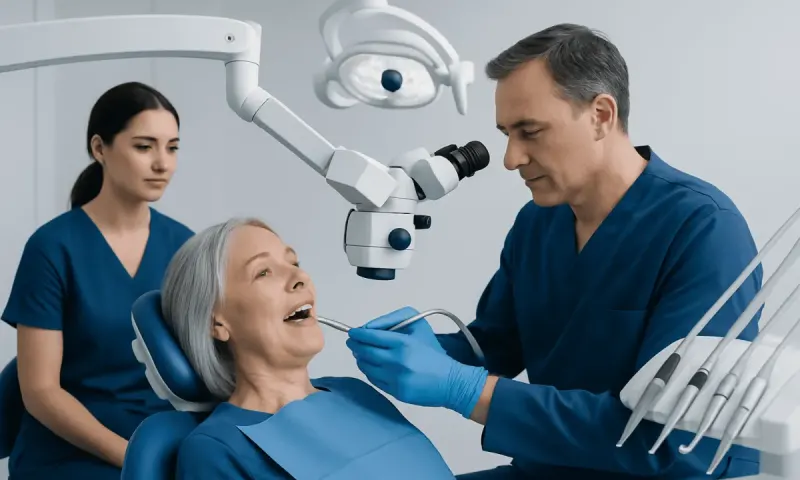
Adult braces are orthodontic devices used to move teeth into better alignment and improve how the upper and lower teeth fit together. Many adults seek treatment because their teeth have shifted over time, while others are addressing bite concerns that were never treated in childhood or adolescence.
The idea that orthodontic care is only for younger people is outdated. Healthy teeth can be moved at almost any adult age if the supporting gums and bone are in good condition. For many patients, the decision is less about age and more about whether the teeth and gums are ready for treatment and whether the chosen plan fits daily life.
Adults often approach orthodontics with practical questions: how visible the braces will be, how often visits are needed, what eating will be like, and how treatment will work when travel or work schedules are involved. A thoughtful plan should take all of these concerns into account, not just the position of the teeth.
Common Reasons Adults Consider Braces
Adults usually seek braces for a mix of functional and cosmetic reasons. Crowded teeth can be harder to clean, spaced teeth may affect appearance and bite function, and misaligned teeth can contribute to uneven wear or jaw strain in some people.
Some adults notice that their teeth have gradually shifted after earlier treatment or simply with time. Others want orthodontic care before restorative work such as crowns, bridges, or implants, because well-aligned teeth can make future dental planning more predictable.
- Crowding that makes brushing and flossing difficult
- Gaps between teeth
- Overbite, underbite, crossbite, or open bite
- Relapse after previous orthodontic treatment
- Preparation for broader dental or prosthetic treatment
For international patients, timing can matter as much as the treatment itself. Some choose to start their evaluation during a planned trip, then continue care at home with coordinated follow-up, while others prefer to complete more of the active treatment phase in one location with a clear monitoring schedule.
Types of Braces and Orthodontic Options

There is no single best type of braces for every adult. The right choice depends on the complexity of the tooth movement needed, the condition of the teeth and gums, aesthetic preferences, and how much day-to-day adjustment a person is comfortable managing.
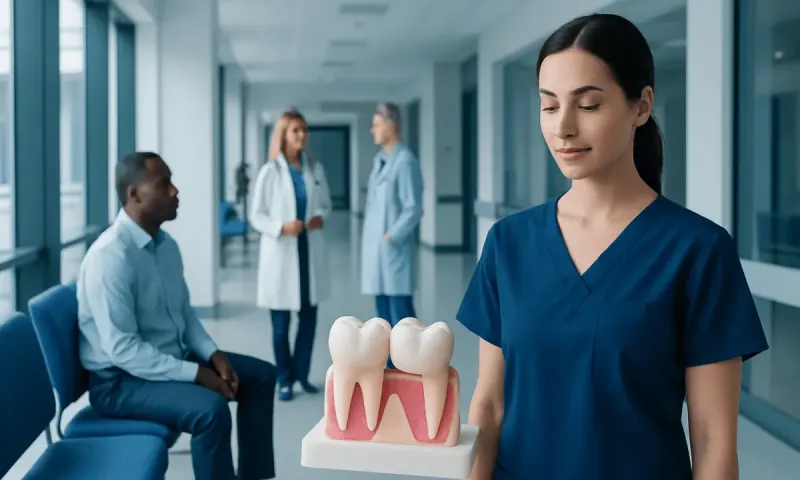
Traditional metal braces remain a reliable option for many cases because they can address a wide range of movements with precise control. Ceramic braces work in a similar way but are designed to be less noticeable. Lingual braces are placed on the inner surfaces of the teeth, which can make them harder to see but may require an adjustment period for speech and comfort.
Clear aligners are another common option for selected cases. They are removable and discreet, which some adults find easier for eating and oral hygiene. However, they are not ideal for every bite problem, and their success depends heavily on consistent wear. An orthodontist can explain which approach is most suitable after examining the teeth and bite.
What the Diagnosis and Treatment Planning Involve
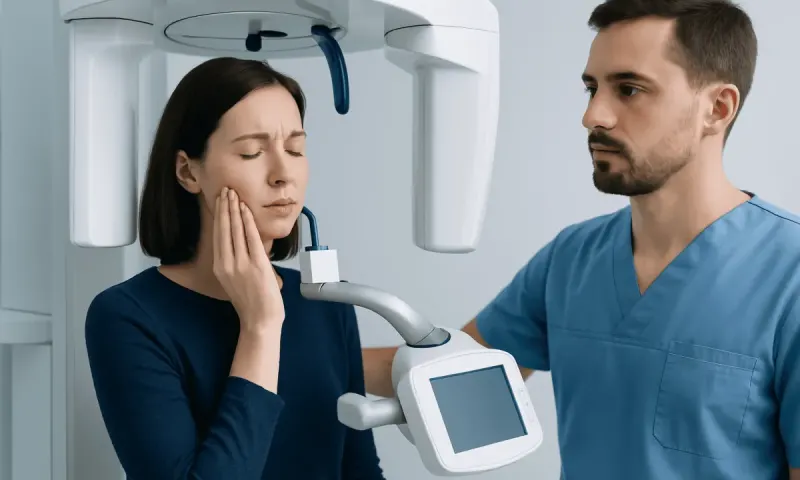
The first step is a detailed orthodontic assessment. This usually includes a clinical examination, photos, digital scans or impressions, and imaging when needed to understand the roots, jaw relationship, and bite. The goal is to plan movement carefully rather than simply make teeth look straight.
Before braces are started, any active gum disease, cavities, or other dental issues should be treated. Adult orthodontic care often works best when the mouth is stable and healthy, because gums and bone need to respond well to tooth movement.
The treatment plan should also cover practical details: expected length of treatment, how often review visits will be needed, whether temporary attachments or elastic bands may be used, and whether retainers will be required after active treatment. Adults traveling for care should ask how follow-up will be coordinated if they return home between visits.
Treatment Experience and Everyday Care
Life with braces usually involves a period of adjustment, especially in the first days after placement and after routine tightening or wire changes. Teeth may feel tender, and the inside of the cheeks or lips may need time to adapt. These sensations are generally manageable and tend to improve as the mouth becomes accustomed to the appliance.
Careful cleaning is essential. Braces can trap food, so brushing after meals and flossing daily become even more important than usual. Patients are often advised to avoid very sticky, hard, or crunchy foods that could damage brackets, wires, or aligners. If clear aligners are used, they should be removed only as directed and cleaned regularly.
- Use a soft toothbrush and gentle technique
- Clean around brackets, wires, and gumlines carefully
- Rinse after meals if brushing is not immediately possible
- Follow instructions for elastics, aligners, or other appliances
- Keep scheduled orthodontic appointments
Patients who are receiving care away from home may benefit from a simple written routine, spare cleaning tools, and a clear plan for what to do if a bracket loosens or an appliance becomes uncomfortable during travel.
Benefits Adults May Notice
For many adults, the most obvious benefit is a more balanced smile, but the changes can go beyond appearance. Teeth that sit in better alignment may be easier to clean, which can support everyday oral hygiene and reduce areas where plaque tends to collect.
Improved bite alignment may also help chewing feel more even and can reduce unwanted pressure on certain teeth. In some cases, orthodontic treatment creates a better foundation for future dental work, allowing restorations to be planned with greater precision.
Not every concern can be solved by braces alone. If jaw pain, headaches, or tooth wear are present, the orthodontist and dentist may also need to assess whether other factors are contributing. A balanced treatment plan looks at the whole mouth, not just the visible crowding.
Prevention & Self-care During Treatment
Braces do not replace everyday prevention; they make it more important. The best habits are the simple ones done consistently: brushing carefully, cleaning between the teeth, limiting frequent sugary snacks, and keeping regular dental checkups during orthodontic treatment.
Adults should also protect their appliances from accidental damage. Opening packages with teeth, biting hard objects, or chewing on ice can cause problems. If a wire pokes or an aligner no longer fits properly, the orthodontic office should be contacted for guidance rather than trying to force the appliance to work.
For people planning treatment around travel or work commitments, organization helps. Keeping copies of treatment notes, knowing the name of the appliance system used, and understanding when the next review is due can make follow-up smoother across borders. Acibadem Health Point’s multidisciplinary specialists and JCI-accredited hospitals diagnose and treat adult orthodontic concerns for international patients as part of coordinated dental care.
When to See a Doctor
An adult should see a dentist or orthodontist if teeth are crowded, uneven, or shifting, if the bite feels uncomfortable, or if it is difficult to clean certain areas properly. A consultation is also sensible before choosing braces, because the mouth needs to be examined for gum health, cavities, and other conditions that may affect treatment.
During treatment, prompt advice is helpful if a bracket breaks, a wire causes repeated irritation, an aligner is lost, or swelling or persistent pain develops. Most appliance issues are not emergencies, but they should be checked so treatment stays on track and the mouth remains comfortable.
Adults who have bleeding gums, loose teeth, or signs of active gum disease should seek dental assessment before or alongside orthodontic planning. The safest results come from treating orthodontics as part of overall oral health, not as a stand-alone cosmetic step.
Frequently asked questions
01Are braces effective for adults?
Yes. Adult teeth can be moved with orthodontic treatment if the gums and supporting bone are healthy enough. The main difference is that adult care may need a more detailed plan because of previous dental work, gum health, or bite complexity.
02Which is better for adults: braces or clear aligners?
Neither is automatically better. Traditional braces and aligners each have strengths, and the right choice depends on the type of tooth movement needed, lifestyle, and aesthetic preferences. An orthodontist can explain which option is most realistic for a specific case.
03How long do adult braces usually take?
Treatment time varies widely based on how much movement is needed and how consistently instructions are followed. A simple case may be shorter, while more complex bite correction usually takes longer. A personalized estimate comes from the orthodontic evaluation.
04Do adult braces hurt?
Braces can cause temporary soreness, especially after they are placed or adjusted. This is usually mild to moderate and settles as the mouth adapts. Soft foods and careful oral hygiene often make the adjustment period easier.
05Can adults with crowns, fillings, or implants still get braces?
Often yes, but the plan must be individualized. Existing dental work does not automatically prevent orthodontic treatment, although implants cannot move like natural teeth and some restorations may need special consideration.
06What happens after braces come off?
Retainers are usually needed to help keep the teeth in their new positions. Teeth have a natural tendency to shift over time, so wearing a retainer as instructed is an important part of maintaining the result.
This article is for general information only and is not a substitute for professional medical advice. Please consult a qualified doctor about your individual situation.
Explore treatments in Turkey — costs, top hospitals & a free quote
JCI-accredited · board-certified surgeons · reply within 24h
Add us as a Preferred Source to see more of our trusted health content across Google Search, AI Overviews and Discover.