Permanent Dentures: Types, Benefits and Care
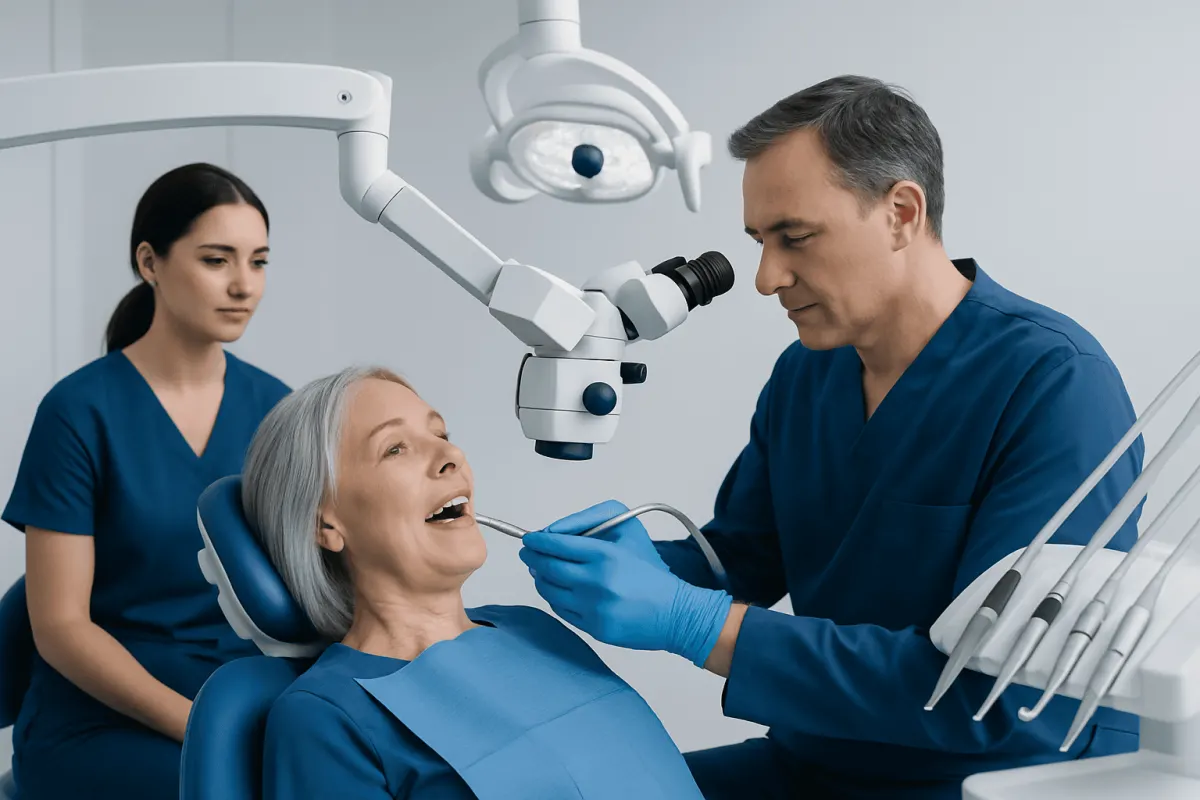
Permanent dentures are fixed tooth-replacement restorations designed to stay in the mouth rather than being removed daily. They are commonly supported by dental implants and can help people regain comfortable chewing, clearer speech and confidence after losing several or all teeth.
Overview: What Are Permanent Dentures?
Permanent dentures are replacement teeth that are fixed in place by a dental professional. The term is commonly used for full-arch restorations that replace most or all teeth in the upper jaw, lower jaw, or both. Unlike conventional removable dentures, they are not designed to be taken out at home.
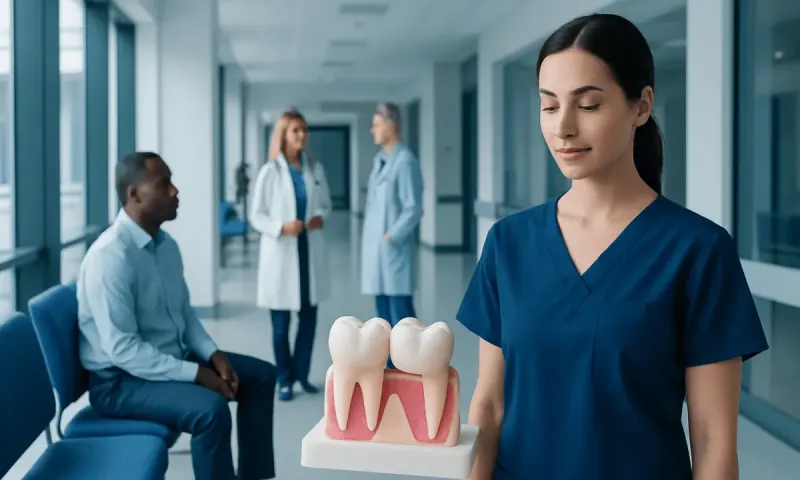
In many cases, permanent dentures are supported by dental implants. Implants are small posts, usually made from titanium or other biocompatible materials, that are placed in the jawbone to act like tooth roots. A custom-made bridge of artificial teeth is then attached to the implants, providing a stable foundation for eating and speaking.
The phrase can also describe fixed bridges attached to remaining natural teeth in selected situations. However, implant-supported full-arch bridges are the approach most people mean when discussing permanent dentures. A dentist or prosthodontist can explain which option is appropriate based on the number and location of missing teeth.
Types of Fixed Denture Solutions
A fixed implant-supported bridge replaces several missing teeth or an entire arch. Depending on the individual treatment plan, a number of implants are positioned strategically in the jaw and connected to a custom bridge. The bridge may be screw-retained, allowing a dental professional to remove it for maintenance when needed, or cement-retained in some cases.
Full-arch fixed restorations are often considered when a person has no remaining teeth, or when the remaining teeth have a poor long-term outlook. They may be made from materials such as acrylic resin over a strong framework, ceramic, zirconia or combinations of materials. Each material has different properties related to appearance, strength, repairability and bite forces.
An implant-retained overdenture is another option, but it is different from a permanent denture. It attaches securely to implants for improved stability, yet the patient can remove it for cleaning. This may be suitable for some people who want better retention than traditional dentures without a fully fixed restoration.
- Fixed full-arch bridge: remains in place and is cleaned in the mouth.
- Fixed partial bridge: replaces a group of missing teeth in one area.
- Implant-retained overdenture: removable by the patient but held more firmly than a conventional denture.
Who May Be Suitable for Permanent Dentures?

Permanent dentures may be considered for adults who have lost multiple teeth or all teeth and want a fixed solution. They can also be an option for people with failing teeth caused by advanced decay, gum disease, injury or long-term wear, provided that any active oral disease is addressed first.
Successful implant treatment depends on healthy gums, adequate jawbone or the possibility of building up bone where necessary, and good daily oral hygiene. A dentist will also review medical history, medications, smoking or tobacco use, teeth grinding, diabetes control and conditions that affect bone healing. These factors do not always rule out treatment, but they can influence planning and expected risks.
People who have been without teeth for many years may have experienced bone loss in the jaw. Modern implant planning can often accommodate this, sometimes with bone grafting or other techniques. Still, every case is different, and a detailed examination is the only reliable way to determine whether a fixed solution is feasible.
Assessment, Planning and Diagnosis
Planning begins with a dental examination and a discussion of the person’s goals, medical background and daily needs. The dentist checks the gums, existing teeth, jaw relationship and available space for the planned teeth. Photographs, impressions or digital scans may be used to design a restoration that supports natural-looking facial proportions and a comfortable bite.
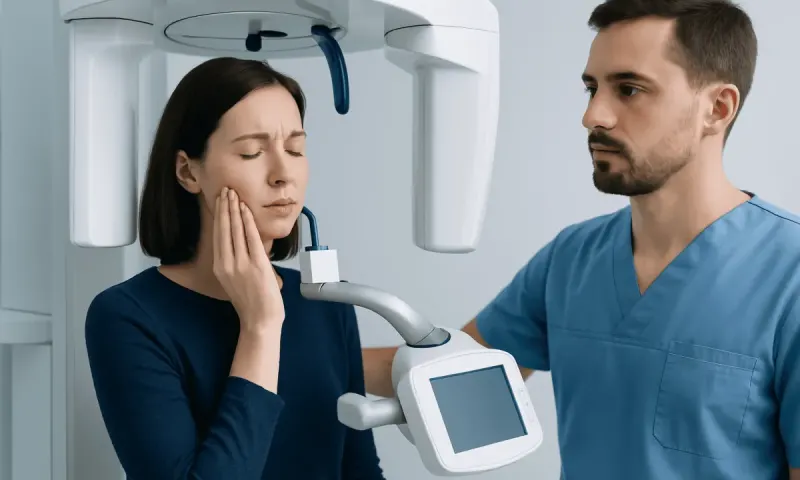
Dental X-rays and three-dimensional cone beam computed tomography (CBCT) are commonly used to assess the bone and identify important structures, such as nerves and sinus spaces. These images help the dental team plan implant positions accurately and decide whether additional procedures may be needed.
If gum disease, untreated infection or unstable teeth are present, these concerns are typically treated before implants are placed. A temporary denture or provisional fixed restoration may be used during healing or while the final prosthesis is being made. Clear communication about the treatment stages, maintenance needs and costs helps patients make an informed decision.
How Treatment Is Performed
The treatment sequence varies. Teeth that cannot be saved may need to be removed, and implants may be placed at the same appointment or after a healing period. In appropriate cases, a temporary fixed bridge can be attached soon after implant placement. This is sometimes called immediate loading, but it is not suitable for everyone because implant stability, bone quality and bite forces must be carefully assessed.
After implant placement, the bone gradually heals around the implants in a process called osseointegration. This helps create a firm connection between the implant and jawbone. Healing time differs between patients and may be influenced by the jaw involved, bone condition and the complexity of treatment.
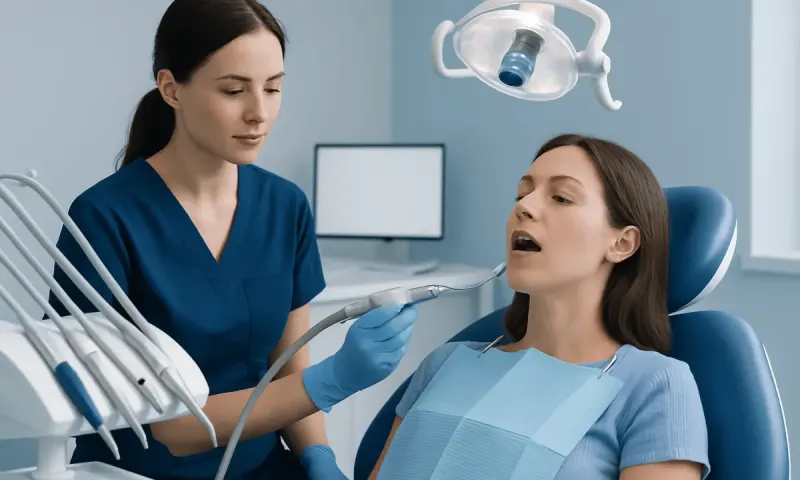
Once the implants and gums are ready, the dental team takes precise records to produce the final bridge. The final fitting includes checks of comfort, speech, appearance and how the teeth meet when biting. Follow-up appointments are important for fine adjustments and for monitoring the health of the implants and surrounding tissues.
Benefits, Limits and Possible Risks
For suitable candidates, permanent dentures can feel more stable than removable dentures. They may improve chewing efficiency, reduce movement during speech and provide a fixed alternative for people who find removable appliances uncomfortable. They may also help support facial appearance by replacing missing teeth and restoring bite height.
However, permanent dentures are not the same as natural teeth and require ongoing care. Food debris and bacterial plaque can collect around implants and beneath the bridge. Without effective cleaning and regular professional maintenance, inflammation around implants can develop and may lead to bone loss.
Potential complications include swelling, discomfort, infection, temporary changes in sensation, implant failure, loosening or breakage of screws or teeth, and bite-related problems. Risks vary according to the person’s health, anatomy and treatment plan. A qualified dental team should explain the expected benefits, alternatives and possible complications before treatment begins.
Cleaning and Long-Term Care
Although artificial teeth cannot develop cavities, the gums, bone and implants still need protection. People with permanent dentures should brush the visible teeth and gumline at least twice daily using a soft toothbrush and toothpaste recommended by their dental professional. An electric toothbrush may be helpful for some patients.
Cleaning beneath a fixed bridge is especially important. Depending on the design, a dentist may recommend interdental brushes, floss threaders, specialised implant floss or a water flosser. The best method should be demonstrated in the clinic, because cleaning needs differ between bridge designs and implant positions.
Regular dental check-ups and hygiene appointments allow the team to assess the gums, bite, implants and restoration. Professional cleaning may include removing the bridge when clinically necessary. Avoiding tobacco, managing conditions such as diabetes, wearing a night guard if advised for teeth grinding, and attending planned reviews all support long-term oral health.
When to Contact a Dentist
A person with permanent dentures should contact a dentist promptly if there is persistent pain, swelling, bleeding gums, pus, a bad taste, a loose bridge, a clicking sensation, difficulty biting, or a change in how the teeth fit together. These signs do not always indicate a serious problem, but early assessment can prevent small issues from becoming more complex.
New discomfort after eating, damage to the bridge, or a lost temporary restoration should also be checked. It is best not to attempt to glue or repair a fixed restoration at home, as household adhesives can damage the restoration or make professional repair more difficult.
Acıbadem Health Point’s multidisciplinary dental specialists and JCI-accredited hospitals assess and treat tooth loss and implant-supported restorations for international patients. An in-person dental evaluation remains essential for a personalised recommendation and safe treatment plan.
Frequently asked questions
01Are permanent dentures really permanent?
Permanent dentures are fixed in the mouth and are not intended to be removed by the patient each day. However, they may need professional maintenance, repair or replacement over time. A dentist may also remove a screw-retained bridge when necessary for examination or cleaning.
02What is the difference between permanent dentures and dental implants?
Dental implants are posts placed in the jawbone to provide support. Permanent dentures are the visible replacement teeth or bridge attached to implants. In some cases, a fixed bridge may be supported by natural teeth rather than implants.
03Can a person eat normally with permanent dentures?
Many people can eat a wider range of foods with a stable fixed restoration than with removable dentures. It is still wise to begin with softer foods after treatment and follow the dentist’s advice during healing. Very hard foods and habits such as chewing ice should be avoided because they can damage the restoration.
04Do permanent dentures need to be cleaned?
Yes. Plaque can build up around implants, gums and under the bridge, even though the replacement teeth cannot decay. Daily brushing, cleaning between and beneath the teeth, and professional dental visits are essential.
05Is implant treatment painful?
Implant placement is usually performed with local anaesthesia, and sedation may be available when appropriate. Some swelling and discomfort can occur afterward, but this is often manageable with the aftercare plan provided by the dental team. Individual experiences vary according to the extent of treatment and general health.
06How long do permanent dentures last?
The lifespan of a fixed denture varies with oral hygiene, bite forces, material choice, smoking, medical factors and regular maintenance. The bridge and its components may eventually need repair or replacement. Implants also require lifelong monitoring to help protect the surrounding bone and gums.
This article is for general information only and is not a substitute for professional medical advice. Please consult a qualified doctor about your individual situation.
Explore treatments in Turkey — costs, top hospitals & a free quote
JCI-accredited · board-certified surgeons · reply within 24h
Add us as a Preferred Source to see more of our trusted health content across Google Search, AI Overviews and Discover.