Gum Disease: Gingivitis, Periodontitis, and Treatment

Gum disease is a common but treatable condition that begins with gum inflammation and may progress to deeper infection around the teeth. Early diagnosis, good oral hygiene, and professional dental care can help protect both gums and teeth.
Overview
Gum disease, also called periodontal disease, is an inflammatory condition affecting the gums and the supporting structures around the teeth. It usually begins when dental plaque, a sticky film of bacteria, builds up along the gumline. If plaque is not removed regularly, it can harden into tartar, which is more difficult to clean and can irritate the gums.
The earliest stage is gingivitis. At this point, the gums may be red, swollen, tender, or more likely to bleed during brushing or flossing. Gingivitis is often reversible with professional dental cleaning and consistent home care.
If gingivitis is not treated, it may progress to periodontitis. In periodontitis, inflammation extends deeper below the gumline and can damage the ligament and bone that hold the teeth in place. This can lead to gum recession, spaces between teeth, tooth mobility, and eventually tooth loss if not managed. The good news is that timely dental care can slow or stop progression and help maintain oral health.
Gingivitis and Periodontitis: What Is the Difference?
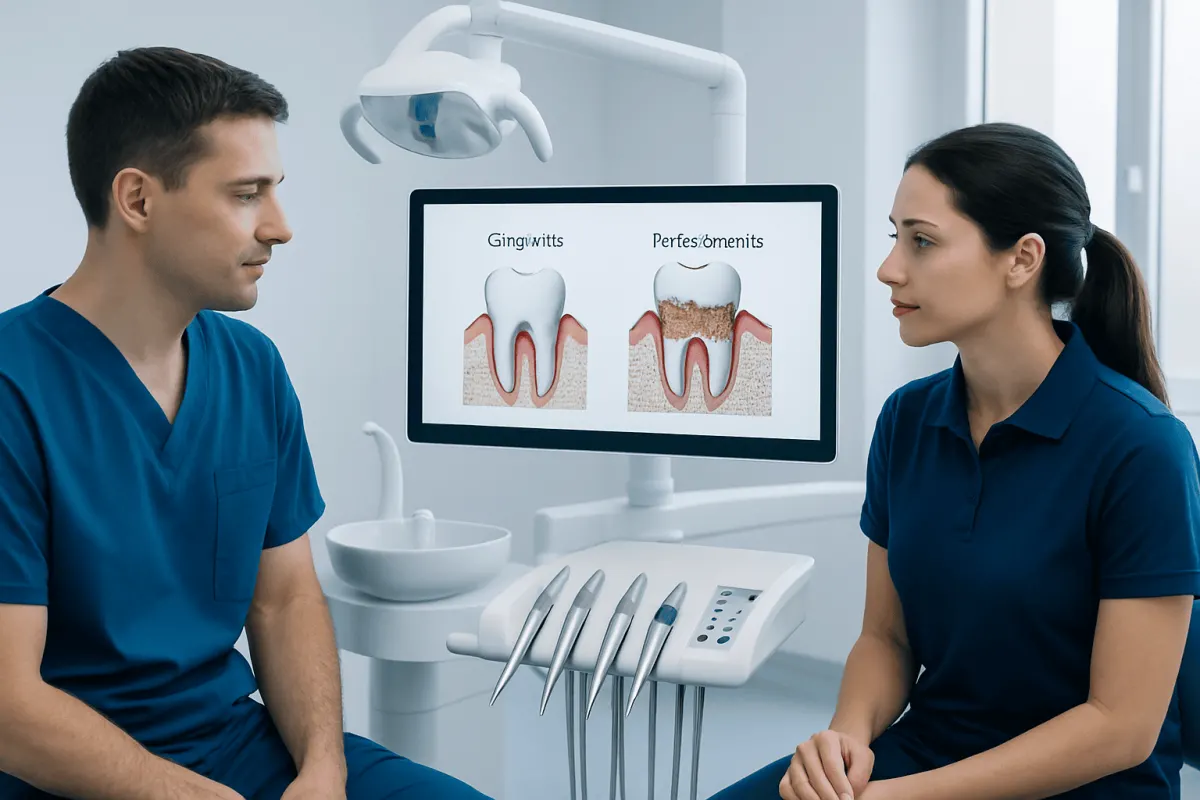
Gingivitis is inflammation limited mainly to the gum tissue. It does not usually involve permanent loss of bone or attachment around the teeth. Many people with gingivitis notice bleeding when brushing, but they may not have pain, which is why regular dental examinations are important.
Periodontitis is a more advanced form of gum disease. It occurs when bacteria and inflammation affect the deeper tissues supporting the teeth. The gums may pull away from the teeth, forming periodontal pockets where bacteria can collect. Over time, these pockets can become deeper, and the supporting bone may gradually be lost.
Periodontitis can range from mild to severe and may affect only a few teeth or the whole mouth. It is a chronic condition, meaning it usually requires long-term maintenance even after active treatment. With appropriate care, many patients can keep their natural teeth and prevent further damage.
Symptoms of Gum Disease

Gum disease can develop slowly and may not cause discomfort in the early stages. This is why a person may have gum inflammation or early periodontitis without realizing it. Paying attention to small changes in the gums can help with early diagnosis and easier treatment.
Common symptoms include:
- Bleeding gums during brushing, flossing, or eating firm foods
- Red, swollen, or tender gums
- Persistent bad breath or an unpleasant taste in the mouth
- Gums that look like they are pulling away from the teeth
- Teeth that appear longer due to gum recession
- Sensitivity near the gumline
- Loose teeth or changes in the way teeth fit together when biting
- Discomfort when chewing in more advanced cases
Bleeding gums are sometimes thought of as normal, but healthy gums generally should not bleed with gentle brushing or proper interdental cleaning. If bleeding continues for more than a short time, a dental assessment is recommended.
Causes and Risk Factors
The main cause of gum disease is bacterial plaque. Plaque forms continuously on the teeth, especially around the gumline and between teeth. When plaque is not removed effectively, it can mineralize into tartar, also called calculus. Tartar creates a rough surface where more plaque can collect, and it usually requires professional cleaning to remove.
Several factors can increase the risk of gingivitis and periodontitis or make gum disease harder to control. These include:
- Inconsistent brushing or lack of interdental cleaning
- Smoking or other tobacco use
- Diabetes, especially when blood sugar is not well controlled
- Dry mouth, which may be related to medications or medical conditions
- Hormonal changes, including pregnancy and menopause
- Family history or genetic susceptibility
- Crooked teeth, poorly fitting dental restorations, or areas that are difficult to clean
- Some immune system conditions or treatments that affect healing
Gum disease is also associated with general health conditions such as diabetes and cardiovascular disease. These links are complex and do not mean gum disease directly causes these conditions in every person. However, maintaining oral health is an important part of overall health, particularly for people with chronic medical conditions.
How Gum Disease Is Diagnosed
Diagnosis begins with a dental history and examination. The dentist or periodontist checks the gums for redness, swelling, bleeding, recession, and tartar. They may ask about brushing habits, tobacco use, medical conditions, medications, and previous dental treatment.
A key part of periodontal assessment is measuring the depth of the space between the tooth and gum using a small periodontal probe. Healthy gum crevices are usually shallow. Deeper measurements may suggest periodontal pockets, especially if there is bleeding, pus, gum recession, or tooth mobility.
Dental X-rays may be recommended to assess bone levels around the teeth. X-rays help determine whether periodontitis has caused bone loss and how advanced the condition is. Based on the findings, the dental team can classify the severity and create an individualized treatment and maintenance plan.
Treatment Options
Treatment depends on whether the person has gingivitis, mild periodontitis, or more advanced periodontal disease. For gingivitis, professional cleaning to remove plaque and tartar, combined with improved brushing and interdental cleaning, is often enough to restore gum health. The dental team may also correct factors that trap plaque, such as overhanging fillings or rough restoration edges.
For periodontitis, treatment may include scaling and root planing, sometimes called deep cleaning. Scaling removes plaque and tartar from above and below the gumline, while root planing smooths the root surfaces to help gums reattach and make it harder for bacteria to accumulate. Local anesthetic may be used for comfort, and treatment may be completed over one or more visits.
In some cases, antimicrobial mouth rinses, locally applied medications, or antibiotics may be used as part of care. These are not a replacement for mechanical cleaning and are recommended only when appropriate. Advanced periodontitis may require periodontal surgery, such as flap surgery to clean deep areas, bone or tissue grafting, or procedures to improve gum shape and access for cleaning.
After active treatment, periodontal maintenance is essential. This usually involves regular follow-up cleanings and monitoring at intervals recommended by the dentist or periodontist. Maintenance helps control bacteria, detect recurrence early, and protect the results of treatment.
Prevention and Self-care
Daily oral hygiene is the foundation of gum disease prevention. Brushing twice a day with a fluoride toothpaste helps remove plaque from tooth surfaces and along the gumline. A soft-bristled toothbrush is usually recommended, and gentle technique is important because aggressive brushing can irritate the gums and contribute to recession.
Cleaning between the teeth is just as important as brushing. Dental floss, interdental brushes, water flossers, or other devices may be recommended depending on tooth spacing, bridges, implants, orthodontic appliances, or dexterity. The best tool is one the person can use safely and consistently.
Other helpful steps include avoiding tobacco, managing diabetes with medical guidance, drinking water if the mouth is dry, and limiting frequent sugary snacks that support plaque formation. Regular dental check-ups allow tartar removal and early treatment before gum disease becomes more complex.
People who have had periodontitis may need more frequent professional cleanings than those with healthy gums. This is not a sign of failure; it is part of long-term disease control, similar to monitoring other chronic health conditions.
When to See a Dentist
A dental appointment is recommended if gums bleed regularly, look swollen, feel tender, or are pulling away from the teeth. Persistent bad breath, loose teeth, increasing tooth gaps, gum boils, or pain when chewing should also be assessed. Early evaluation can make treatment simpler and more effective.
People with diabetes, smokers, pregnant individuals, and those with a history of periodontitis should be especially attentive to gum health. They may benefit from individualized prevention plans and closer monitoring. Anyone preparing for major medical treatment, such as certain heart procedures or cancer therapy, should also ask their healthcare team whether a dental evaluation is needed.
Acıbadem Health Point provides diagnosis and treatment for gum disease through multidisciplinary dental and medical specialists in JCI-accredited hospitals for international patients. A qualified dentist or periodontist can explain the stage of disease, discuss suitable treatment options, and help create a realistic plan for maintaining healthy gums over time.
Frequently asked questions
01Is gingivitis the same as gum disease?
Gingivitis is the earliest stage of gum disease. It affects the gums but does not usually involve permanent bone loss. With professional cleaning and good daily oral hygiene, gingivitis can often be reversed.
02Can periodontitis be cured?
Periodontitis is generally considered a chronic condition rather than a one-time infection. Treatment can control the disease, reduce inflammation, and help prevent further bone and tooth loss. Long-term maintenance visits and consistent home care are important to keep it stable.
03Why do gums bleed when brushing?
Bleeding during brushing is often a sign of gum inflammation caused by plaque buildup. It may also occur with brushing too hard, using an unsuitable toothbrush, or certain medical factors. If bleeding happens regularly, a dentist should check for gingivitis or periodontitis.
04Is deep cleaning painful?
Scaling and root planing may cause some sensitivity or pressure, but local anesthetic can be used to improve comfort. Mild gum tenderness afterward is common and usually temporary. The dental team can give instructions for eating, brushing, and managing sensitivity after treatment.
05Can gum disease affect dental implants?
Yes. Similar inflammation can occur around implants, called peri-implant mucositis or <a href="https://www.acibademhealthpoint.com/blog/peri-implantitis-inflammation-around-dental-implants-explained/" title="Peri-Implantitis: Inflammation Around Dental Implants Explained" class="ahp-ilk">peri-implantitis. People with implants still need regular professional care and careful cleaning around the implant, gumline, and any prosthetic parts.
06What is the best way to prevent gum disease?
The best prevention is daily plaque control and regular dental visits. This means brushing twice daily, cleaning between the teeth, avoiding tobacco, and following the cleaning schedule advised by a dentist. People with risk factors such as diabetes or previous periodontitis may need more frequent monitoring.
This article is for general information only and is not a substitute for professional medical advice. Please consult a qualified doctor about your individual situation.
Joint and spine care in Turkey — expert assessment & treatment
JCI-accredited · board-certified surgeons · reply within 24h
Add us as a Preferred Source to see more of our trusted health content across Google Search, AI Overviews and Discover.