Why Does My Jaw Hurt? Common Causes and When to Seek Care
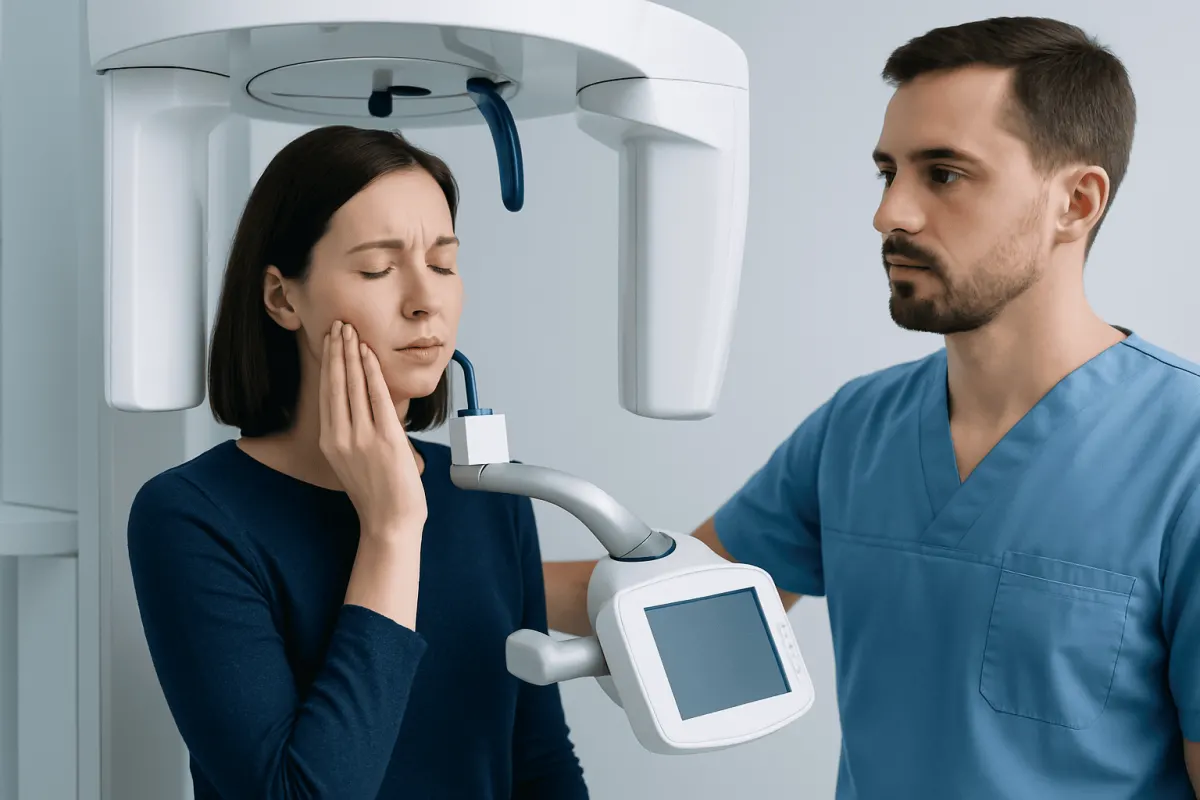
Jaw pain is common and often relates to the teeth, chewing muscles, or temporomandibular joints (TMJs). Because jaw discomfort can occasionally signal an urgent medical or dental problem, the pattern of symptoms and associated warning signs are important.
Overview: What Can Cause Jaw Pain?
Jaw pain describes discomfort in the lower jaw, upper jaw, face, or the joints in front of the ears that connect the jawbone to the skull. It may feel dull, aching, sharp, tight, throbbing, or pressure-like. Some people notice it only while chewing, yawning, or speaking, while others have ongoing pain or stiffness.
The most common explanations are dental conditions and problems involving the temporomandibular joints and chewing muscles. These joints, often called TMJs, are used many times each day for eating, speaking, swallowing, and facial expression. Overuse, clenching, inflammation, and altered bite mechanics can make them painful.
Jaw pain can also be referred from nearby areas, including the ears, sinuses, throat, neck, and nerves of the face. Less commonly, pain in the jaw—particularly the lower jaw—can be a symptom of a heart problem. A careful assessment helps distinguish common, manageable causes from conditions that need prompt treatment.
Symptoms That Can Accompany Jaw Pain
Symptoms vary with the underlying cause. A person with a jaw joint or muscle problem may have tenderness near the ears, fatigue in the face, headaches, discomfort when chewing, or difficulty opening the mouth widely. Clicking, popping, grating, or a temporary sensation that the jaw catches can occur, although sounds alone do not always indicate a problem.
Dental causes may lead to localized tooth sensitivity, pain when biting, swollen or bleeding gums, bad taste in the mouth, facial swelling, or sensitivity to hot, cold, or sweet foods. A dental abscess can cause severe persistent pain and may be accompanied by fever or swelling.
Other patterns can offer useful clues. Nasal blockage and facial pressure may point toward sinus inflammation, while ear pain, hearing changes, or discharge may need an ear assessment. Burning, electric-shock-like pain may suggest nerve irritation. Sharing the location, timing, triggers, and associated symptoms with a clinician can help guide diagnosis.
- Is the pain worse on waking, when stressed, or after chewing?
- Is there swelling, a damaged tooth, fever, or a change in bite?
- Does the pain occur with exercise or with chest symptoms?
Common Causes and Risk Factors

Temporomandibular disorders are a broad group of conditions affecting the jaw joints and chewing muscles. They may be linked with Night Guards, and Tooth Wear" class="ahp-ilk">teeth grinding or clenching, stress, prolonged gum chewing, nail biting, jaw injury, arthritis, or muscle strain. Sleep-related clenching can leave the jaw sore or tight in the morning, although not everyone who grinds their teeth develops pain.
Dental disease is another leading cause. Tooth decay, a cracked tooth, gum disease, infection around a tooth root, and partially erupted or impacted wisdom teeth can all cause pain that travels through the jaw. Regular dental care is important because early dental problems may not be painful initially.
Infections and inflammation outside the mouth can also contribute. Sinus inflammation may cause aching in the upper teeth and upper jaw, while ear and throat infections can refer pain to the jaw. Arthritis may affect the TMJs, especially in people with inflammatory joint conditions or age-related joint changes.
Rarely, jaw pain is related to reduced blood flow to the heart. This is more likely if discomfort develops with physical exertion or emotional stress and occurs alongside chest pressure, shortness of breath, sweating, nausea, dizziness, or pain spreading to the arm, shoulder, neck, or back. These symptoms should never be self-diagnosed as a jaw condition.
How Jaw Pain Is Diagnosed
A dentist, primary care doctor, or relevant specialist will begin by asking about the pain: when it started, where it is felt, what makes it better or worse, and whether there has been injury, recent dental treatment, illness, stress, or clenching. Medical history, medications, and symptoms involving the heart, ears, nose, throat, or nerves may also be relevant.
The examination may include checking the teeth and gums, feeling the jaw muscles and joints, observing jaw movement, and assessing the bite. The clinician may listen or feel for clicking and evaluate whether the mouth can open and close normally. Depending on symptoms, examination of the ears, nose, throat, neck, and facial nerves may be appropriate.
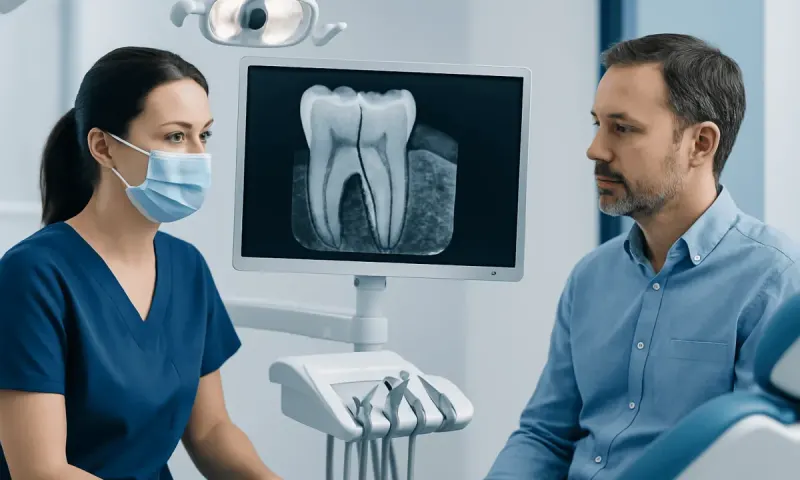
Dental X-rays can identify cavities, infection, bone changes, impacted teeth, and some jaw problems. More detailed imaging, such as CT or MRI, may be considered when a fracture, complex joint disorder, tumor, deep infection, or soft-tissue joint problem is suspected. If symptoms suggest a possible heart cause, urgent medical tests such as an electrocardiogram and blood tests may be needed.
Treatment Options for Jaw Pain
Treatment depends on the cause. Dental treatment may include addressing decay, repairing a cracked tooth, treating gum disease, draining an abscess when necessary, or managing wisdom teeth. Antibiotics are not appropriate for every toothache, but they may be used by a clinician when there is evidence of a spreading bacterial infection or certain other indications.
For many TMJ and muscle-related conditions, conservative care is effective. This may involve temporarily choosing softer foods, reducing wide mouth opening, avoiding gum chewing, using gentle jaw exercises recommended by a clinician, and applying warm or cold packs as advised. A dentist may recommend a custom oral appliance for selected people with clenching or grinding. Pain-relieving or anti-inflammatory medicines may be appropriate for some individuals, but should be chosen with a doctor or pharmacist, particularly for people with kidney disease, stomach ulcers, cardiovascular disease, pregnancy, or medication interactions.
Physical therapy, stress-management strategies, and treatment for related sleep or neck problems may be helpful in persistent cases. Procedures and surgery are usually considered only after a clear diagnosis and when less invasive options have not been sufficient. If jaw pain is caused by sinus, ear, throat, arthritis, or nerve conditions, treatment focuses on that specific diagnosis.
Acıbadem Health Point’s multidisciplinary specialists and JCI-accredited hospitals can assess dental, jaw joint, ear, nose, throat, neurological, and other causes of jaw pain for international patients.
Prevention and Self-Care Measures
Good oral hygiene and routine dental checks reduce the risk of tooth decay and gum disease. Brushing with fluoride toothpaste, cleaning between teeth, limiting frequent sugary foods and drinks, and arranging dental review for new sensitivity or pain can help protect oral health.
For jaw muscle strain, it can be useful to notice habits that keep the jaw under tension. Resting the tongue gently against the roof of the mouth with the teeth slightly apart may help some people avoid unconscious clenching. Limiting chewing gum, hard foods, ice chewing, nail biting, and very wide yawning can reduce strain during a painful episode.
Stress can increase muscle tension and clenching in some people. Regular sleep, relaxation techniques, gentle exercise, and addressing anxiety with a qualified professional when needed may support symptom control. Self-care should not replace evaluation when pain is severe, recurrent, associated with swelling or fever, or affects eating and mouth opening.
When to See a Doctor or Dentist
Prompt dental assessment is recommended for toothache lasting more than a day or two, pain on biting, swollen gums or face, a broken tooth, pus or a bad taste in the mouth, fever, or difficulty opening the mouth. Swelling of the face or neck, trouble swallowing, difficulty breathing, confusion, or rapidly worsening illness requires emergency medical care because severe infections can spread.
Medical assessment is also important for jaw pain that follows an injury, causes the bite to feel suddenly different, prevents normal opening or closing of the mouth, or continues despite simple measures. Persistent unexplained pain, numbness, a new lump, unexplained weight loss, or a mouth sore that does not heal should be reviewed by a healthcare professional.
Call emergency services immediately if jaw pain occurs with chest pressure or pain, shortness of breath, sweating, nausea, fainting, or discomfort spreading to the arm, shoulder, back, or neck. These symptoms can be signs of a heart emergency, even if there is no severe chest pain.
Frequently asked questions
01Can stress cause jaw pain?
Yes. Stress can increase tension in the chewing muscles and may contribute to jaw clenching or teeth grinding, particularly during sleep. This can cause morning soreness, headaches, or fatigue around the jaw, but persistent pain should still be assessed to rule out dental or joint problems.
02Why does my jaw hurt on one side?
One-sided jaw pain may be caused by a tooth problem, gum infection, a TMJ or muscle issue, an impacted wisdom tooth, or ear and sinus conditions. The exact location and accompanying symptoms are useful clues, so a dental or medical examination is often the safest way to identify the cause.
03Is jaw clicking normal?
A clicking or popping jaw can occur without pain or functional difficulty and may not require treatment. However, an assessment is advisable if the clicking is painful, the jaw locks or catches, mouth opening becomes limited, or the bite changes.
04Can a tooth infection cause jaw pain?
Yes. Infection in or around a tooth can cause severe pain that spreads into the jaw, ear, or face. It may also cause swelling, fever, a bad taste, or sensitivity to pressure, and it needs prompt dental treatment.
05When is jaw pain an emergency?
Jaw pain is an emergency if it occurs with chest pressure, breathlessness, sweating, nausea, fainting, or pain spreading to the arm, back, shoulder, or neck. It also requires urgent care if facial or neck swelling is severe, breathing or swallowing is difficult, or there is rapidly worsening infection.
06How long should jaw pain last before seeing a professional?
A mild strain may improve over several days with rest and avoidance of aggravating habits. A dentist or doctor should assess pain that lasts longer than a few days, returns repeatedly, worsens, affects eating or jaw movement, or occurs with swelling, fever, or tooth symptoms.
This article is for general information only and is not a substitute for professional medical advice. Please consult a qualified doctor about your individual situation.
Joint and spine care in Turkey — expert assessment & treatment
JCI-accredited · board-certified surgeons · reply within 24h
Add us as a Preferred Source to see more of our trusted health content across Google Search, AI Overviews and Discover.