

What to Expect from Long-Distance Recovery Support After Treatment in Turkey

Medically reviewed by the Acıbadem clinical team — June 13, 2026
Recovering after treatment does not end when you leave the hospital or board your flight home. This guide explains how long-distance recovery support works, what you should arrange before travel, and how to stay connected with your care team from another country.
At a glance
- Best for: International patients who need clear follow-up after treatment in Turkey
- Main focus: Remote recovery support, travel planning, and post-treatment communication
- Typical support: Discharge guidance, records, interpreter help, and follow-up coordination
- Who helps: Your specialist team and Acibadem Health Point international patient services
- Why it matters: Good aftercare can reduce confusion, support healing, and help you know when to seek help
Recovery starts before you leave the hospital
The most useful part of long-distance aftercare is often the part you arrange before discharge. Before you travel home, you should leave with a clear understanding of what happened during your treatment, what you are expected to feel in the coming days, and which symptoms are normal versus urgent.
At Acibadem Health Point, this usually means you are not sent away with only a brief summary. You should expect practical discharge information, medication instructions, wound or activity advice if relevant, and a plan for when the next check-in should happen. If you need help understanding any of it, interpreters can make sure you leave with the same information your care team intended to give.
It also helps to ask for copies of your medical documents in a format you can share with a doctor at home. That may include test results, imaging reports, operation notes, or a summary letter. Keeping these organized makes your next appointment much easier, especially when your local clinician did not treat you initially.
What long-distance support usually includes
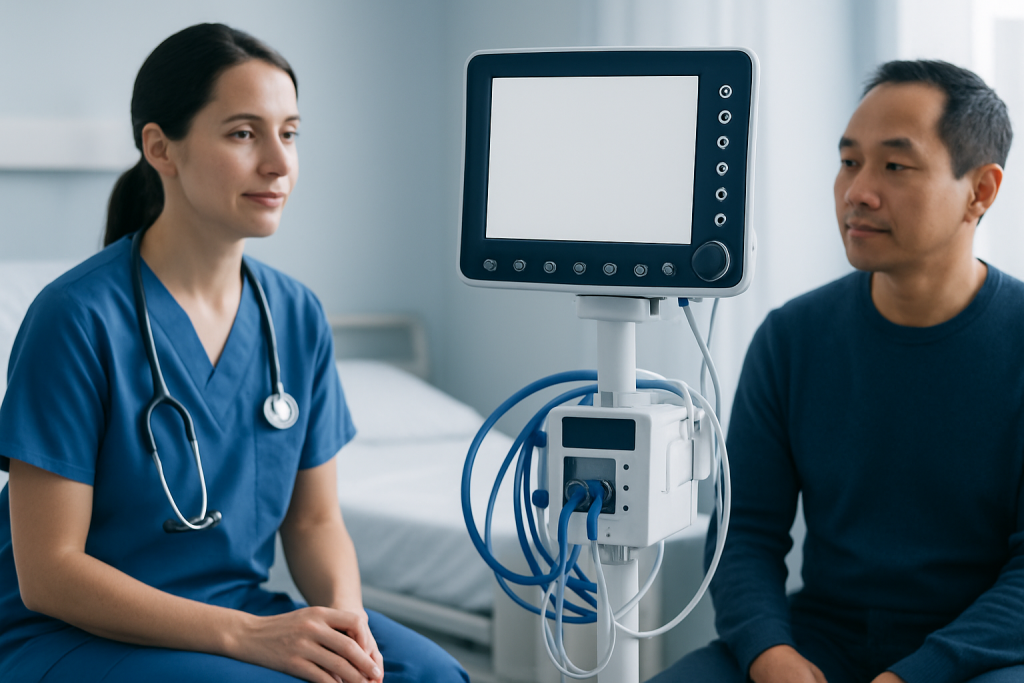
Long-distance recovery support is not one single service. It is a set of smaller supports that help you stay safe, informed, and connected after you return to your home country. For many international patients, the most valuable part is having one reliable contact who can direct questions to the right place instead of making you repeat your story again and again.
Through Acibadem Health Point, international patient services can help coordinate follow-up communication, explain what documents you should keep, and guide you on how to share updates with your treating team. Depending on your needs, your support may also include help arranging remote review of your recovery progress, support with language barriers, and practical advice about returning for an in-person check if it is needed.
Common elements of remote recovery support may include:
- clear discharge instructions written for you to take home
- contact details for your care coordination team
- help scheduling follow-up communication
- guidance for medication timing, activity, and warning signs
- medical records that you can share with doctors in your own country
The exact format depends on your treatment and your recovery needs. A short procedure may need only a simple check-in, while more complex care may require staged follow-up and a closer timeline of review.
How to prepare before your flight home

Travel after treatment is often manageable, but it should be planned with your recovery in mind. You may feel tired, stiff, sore, or simply drained from the combination of treatment, medication, and travel logistics. If your journey is long, it is wise to plan it as a recovery day rather than a normal travel day.
Before leaving, confirm whether you are allowed to fly, sit for long periods, lift luggage, or go through other travel-related routines. If you are not sure, ask your team to explain the safe version of your first few days at home. This is especially important if you need to protect a wound, avoid strenuous movement, or monitor symptoms closely.
It is also sensible to prepare the practical side of the trip. Keep all essential medication in your hand luggage, carry your discharge documents, and make sure you know what to do if you feel unwell during transit. If you are using Acibadem Health Point, the team can help coordinate travel and accommodation details so the handover from hospital to hotel to airport feels more structured and less rushed.
Staying connected once you are back home
Once you are home, the main challenge is not usually a lack of care; it is making sure your care is joined up. You may see a local doctor, pharmacy, or physiotherapist, and each person may need the same background information. When your records are easy to share, your recovery is easier to explain.
Try to keep one folder, digital or paper, for all follow-up materials. Save discharge letters, test results, scan reports, medication lists, and any instructions you received. If you had language support in Turkey, ask for the final documents in a way that makes them simple to share with a doctor who does not speak English as a first language.
When you contact your care team from abroad, be specific. Instead of saying you feel “not right,” explain what changed, when it started, and whether it is improving or getting worse. This helps the team decide whether you need reassurance, medication advice, a local review, or a return visit to Acibadem if further assessment is appropriate.
When you should seek help right away
Remote aftercare works best when you also know its limits. Some concerns can wait for a planned message or follow-up call, but others should be treated as urgent. If you develop unexpected symptoms, do not assume they are simply part of normal recovery.
Seek prompt medical help if you have serious breathing difficulty, chest pain, heavy bleeding, sudden swelling, high fever, fainting, severe pain that is not easing, or any rapidly worsening symptom. If you have been given specific warning signs for your treatment, follow those instructions first, even if they seem minor at the time.
It is a good idea to identify a local emergency option before you need one. That means knowing which hospital or urgent care service you would use at home, and having your Acibadem Health Point documents ready to show if someone else needs to assess you quickly.
How Acibadem Health Point helps bridge the distance
International recovery is easier when someone helps connect the dots between countries, time zones, and healthcare systems. Acibadem Health Point is set up for that role. Because the hospitals are JCI-accredited and the care is delivered by multidisciplinary specialist teams, your recovery plan can be structured around both the treatment you had and the realities of your return journey.
That may mean help from a patient coordinator who understands what you need to travel safely, how to organize your records, and how to reach the right team after you are home. If you do not speak Turkish, interpreters can reduce the risk of misunderstandings at the point when clarity matters most: discharge, medication use, and the first days after you leave.
What matters most is not volume of information, but usable information. You should come away knowing who to contact, what to watch for, and how your care should continue. That practical handover is the backbone of long-distance recovery support.
Step by step
- Ask for your discharge pack before you leave. Request a complete set of documents in a format you can keep and share. This should include your treatment summary, medication list, and any follow-up instructions you may need at home.
- Clarify the next contact point. Make sure you know exactly who to contact after you return home and how to reach them across time zones. If there is a preferred email, phone line, or patient coordinator, save it in more than one place.
- Sort out medicines and timing. Confirm what each medication is for, how long you should take it, and whether it should be taken with food or at specific times. If a medicine name differs in your country, keep the original packaging and written instructions with you.
- Plan your journey around your energy level. Give yourself more time than usual for transport, airport transfers, and rest. If needed, ask for help arranging travel or accommodation support so you do not leave in a hurry.
- Set up a follow-up plan at home. If your recovery needs local support, identify a doctor, clinic, or pharmacy before you arrive. Share your discharge papers early so your home-based care is not delayed.
- Track symptoms in a simple way. Use a note app or paper log to record pain, temperature, medication timing, and any changes you notice. A brief log can make remote follow-up much more useful.
- Know the warning signs. Ask which symptoms should trigger an urgent call, a local medical visit, or emergency care. Clear thresholds help you act quickly instead of second-guessing yourself.
Your checklist
- Discharge summary and treatment records packed safely
- Medication list with names, doses, and timing
- Follow-up contact details saved on your phone and printed
- Copies of scans, tests, or procedure notes if relevant
- Interpreter-assisted explanation of any unclear instructions
- Travel arrangements that allow for rest and comfort
- A local doctor or clinic identified at home
- Emergency symptoms reviewed before departure
Key takeaways
- Long-distance recovery support begins before you leave Turkey, not after you arrive home.
- Your records, medication plan, and follow-up contact details are the core of safe aftercare.
- Use interpreters and patient coordinators to avoid gaps in understanding.
- Plan for rest, not just travel, when you are returning home after treatment.
- Seek urgent help for serious or rapidly worsening symptoms, even if you are far away.
Frequently asked questions
What should I receive before I leave Turkey after treatment?
You should leave with clear discharge instructions, a medication list, and a summary of your treatment. It is also helpful to have copies of any reports, scans, or test results you may need to share with a doctor at home. If anything is unclear, ask for it to be explained again before you travel.
How does Acibadem Health Point help after I return home?
Acibadem Health Point can help coordinate your follow-up communication, explain your documents, and guide you on next steps if questions come up after travel. International patient services are especially useful when you need support across time zones or in another language. The aim is to make your handover feel organized, not fragmented.
Can I have follow-up advice without coming back to Turkey?
In many cases, yes. Some recovery questions can be handled remotely if your team has enough information and your condition is stable. If your specialist needs to see you in person, they should tell you what signs or timing would make a return visit useful.
What if my local doctor asks for more information?
Share your discharge summary, treatment notes, and any test results you were given. If your local doctor needs clarification, you can ask your Acibadem contact point for help with the records or wording. Keeping everything in one folder makes this much easier.
How do I know if something is a normal recovery symptom or a warning sign?
Your discharge instructions should tell you what is expected and what is not. If a symptom is new, severe, or getting worse quickly, treat it seriously and seek medical advice. When in doubt, contact your care team rather than guessing.
Should I arrange travel insurance or local medical support before I go home?
It is sensible to know what health coverage you have for the trip and for care after arrival. You should also identify a local clinic or hospital in case you need an urgent review. Being prepared does not mean you expect a problem; it simply makes recovery less stressful if one happens.
More Patient Guides

Preparing for Treatment in Turkey with Visual Impairment
Plan a smoother treatment trip to Turkey with practical accessibility tips, support options, packing advice, and aftercare planning.
8 min read
How to Arrange Mobility Equipment for Your Stay in Turkey
Plan mobility equipment before you travel to Turkey with a simple checklist for wheelchairs, walkers, beds, and hotel or airport support.
8 min read
Traveling to Turkey with a Disability: Patient Checklist
Plan a smoother medical trip to Turkey with a disability. Use this practical checklist for flights, mobility, medication, support, and recovery.
8 min readRelated Specialists

Dr. Safiye Sayilir
Physical Medicine & Rehabilitation
Dr. Özgün Barış Çolak
Physical Medicine & Rehabilitation
Prof. Dr. Meltem Vural
Physical Medicine & Rehabilitation
Prof. Dr. Meral Bayramoğlu
Physical Medicine & Rehabilitation