

What Happens Between Your Video Consult and Your First Visit

Medically reviewed by the Acıbadem clinical team — June 13, 2026
After your video consult, the next stage is mostly about coordination: sharing records, confirming the right specialist, planning your travel, and making sure your first visit runs smoothly. This guide walks you through the practical steps so you can feel prepared before you leave home.
At a glance
- Who this is for: International patients preparing for an in-person first visit after a video consult
- Main focus: Records, scheduling, travel logistics, and arrival preparation
- Typical support: Interpreter help, appointment coordination, accommodation guidance
- Good to know: Your first visit may include tests, a physical exam, or additional specialist review
- Best first step: Keep all reports, images, and medication lists in one place
- Acibadem support: International patient services can help coordinate the transition from online consult to on-site care
The gap between “we spoke online” and “you’re here” matters
A video consult can answer a lot of your early questions, but it usually does not finish the job. The time between that call and your first in-person visit is when the practical details are sorted out: your records are reviewed more closely, the visit is scheduled around your needs, and any travel or language support is arranged.
This stage is also where expectations become clearer. In a video consult, a specialist can often discuss your concerns in broad terms. At your first visit, the team may need to examine you directly, repeat certain tests, or bring in another specialist so the plan is based on current information rather than old documents alone.
If you are traveling to Turkey for care, Acibadem Health Point’s international patient services can help keep the process organized. That can mean coordinating appointments across departments, arranging interpreters, and supporting practical questions about timing, transport, or nearby accommodation.
What usually happens after your video consult
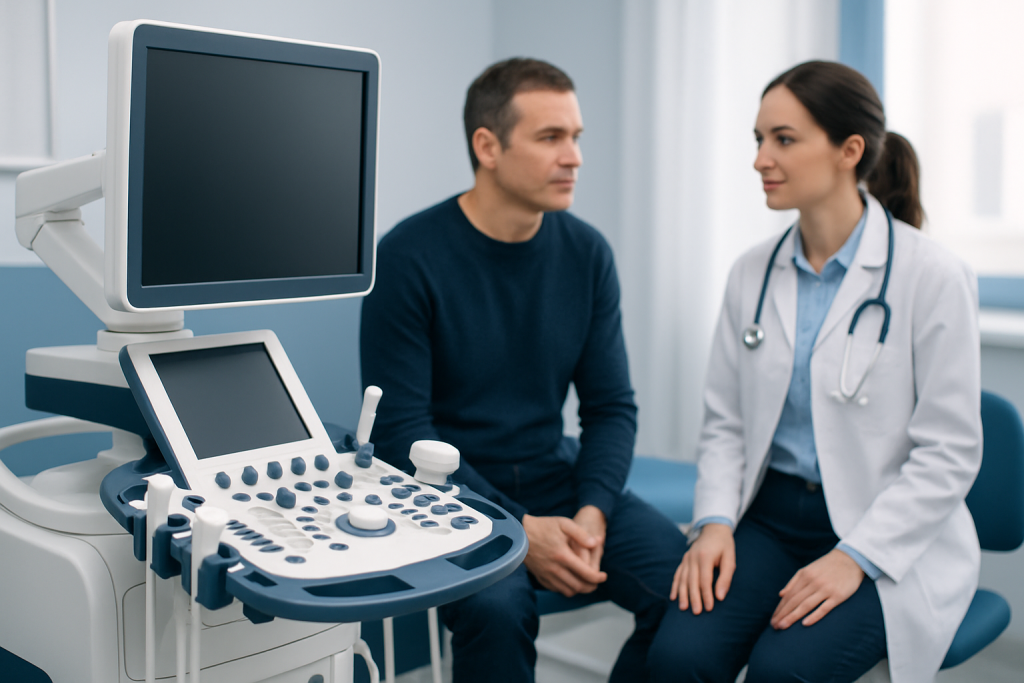
Once your online consultation ends, the next step is often document review. You may be asked to upload recent test results, imaging files, pathology reports, medication lists, and a short summary of any prior treatment. The goal is to help the clinical team confirm whether an in-person visit should involve one specialist or several.
You may then receive guidance about the recommended timing of your trip. Some patients can plan their first visit quickly, while others need to wait for additional records, a lab test, or a specialist discussion. If more than one department needs to weigh in, Acibadem’s multidisciplinary teams can coordinate that process before you arrive.
It is normal for the plan to evolve a little at this stage. A video consult can point the team in the right direction, but an in-person assessment may reveal details that change the order of tests, the length of your stay, or the type of follow-up you will need after you go home.
How to prepare your records so the first visit is efficient

The most helpful thing you can do is gather everything in one place. If you have multiple specialists at home, create a simple folder with your reports, scan images, medication list, allergy information, and any discharge summaries. If a report is not in English, ask whether a translation is needed before your trip.
Try to include dates. A timeline is often more useful than a stack of files with no context. For example, note when symptoms started, what tests were done, what treatments you tried, and what changed afterward. That small amount of organization can save time during your first appointment.
If you are unsure what to send, ask for a checklist before you travel. Acibadem Health Point teams can usually tell you which documents are most important for your specific situation, so you do not have to guess or bring unnecessary paperwork.
- Recent imaging files and reports
- Blood tests or pathology results
- Medication names and doses
- Allergy list and previous reactions
- Past surgery or hospital discharge notes
Planning the trip around your appointment, not the other way around
International patients often find that the biggest challenge is not the flight itself, but timing the flight correctly. You want enough flexibility for review, possible tests, and any same-day changes to the plan. Booking too tightly can make the visit feel rushed.
When you coordinate with Acibadem Health Point, the appointment schedule can be aligned with the likely flow of your first visit. That may include allowing time for registration, interpreter support, imaging, lab work, or a second specialist opinion if the first doctor recommends it.
If you are coming with a companion, plan for their practical role as well. They may need to help with documents, transport, translation of non-medical details, or day-to-day support after the appointment. A clear plan is especially useful if you are traveling while managing pain, limited mobility, or fatigue.
What your first day may look like on site
On arrival, you will usually start with registration and identity confirmation, followed by a review of your records. If anything is missing, the team may ask you to resend files or bring originals. This is normal and does not necessarily mean the visit is delayed.
Depending on your situation, your first visit may include a physical examination, a conversation with the specialist, and possibly immediate tests such as imaging or blood work. Some patients complete several steps in one day; others leave with a staged plan for the next visits. The exact sequence depends on your condition and what the doctor needs to confirm.
For international patients, practical support often makes the day easier. Acibadem Health Point can help with interpreter arrangements, navigation between departments, and coordination so you are not left guessing where to go next. The aim is to keep the day organized, especially if you are new to the hospital system and tired from traveling.
Questions worth asking before you board the plane
Before you travel, it helps to clarify what the team expects from the first visit. Ask whether you should fast, whether any medicines should be continued as normal, and whether you need to bring physical copies of your records. If tests are likely, ask how much time to allow on the day.
You can also ask practical questions about the visit itself. Will you see one doctor or a team? Is an interpreter available in your language? If you need to stay longer than planned, what is the process for rescheduling flights or adjusting accommodation?
These are not minor details. Good preparation reduces avoidable stress and makes it easier to focus on the medical conversation once you are there. If you are working with Acibadem Health Point, the international patient team can usually help you gather these answers before you travel.
Why the first visit is more than a formality
It can be tempting to think the first in-person appointment is just a repeat of the video consult, but it often changes the shape of the whole plan. The specialist may be able to confirm a diagnosis, request different tests, or decide that another department should join the discussion. In other cases, the first visit simply confirms that the original path is still the right one.
That flexibility is a strength, not a setback. It means the plan is based on current, direct assessment rather than assumptions. For international patients, this matters because your care has to fit within a short travel window while still remaining safe and well organized.
Acibadem’s JCI-accredited hospitals are built around coordinated care, which is especially helpful when your journey begins online and continues in person. The smoother the handover, the easier it is to move from uncertainty to a clear next step.
Step by step
- Collect your documents early. Do not wait until the week of travel to gather records. Put your imaging, reports, medication list, and questions into one file or folder so you can send them quickly if the team asks for an update.
- Confirm what the doctor wants before you book flights. Ask whether the first visit may involve tests, a second opinion, or a longer appointment than usual. That helps you choose travel dates that give you enough breathing room.
- Check language support. If you are not fluent in English or Turkish, ask about interpretation before arrival. It is much easier to plan this in advance than to improvise on the day of the visit.
- Plan for one extra day if your schedule is tight. A little flexibility can protect you from stress if additional tests or consultations are needed. This is especially useful when traveling from another country with fixed return flights.
- Prepare a simple medical timeline. Write down when symptoms started, what changed them, and which treatments you have already tried. A short timeline often helps the doctor understand your case faster than a long, unstructured summary.
- Organize the practical side of travel. Make sure you know where you will stay, how you will get to the hospital, and who is accompanying you. If you are using Acibadem Health Point support, ask them to help coordinate the moving parts so you can focus on the appointment.
- Bring originals when possible. Digital files are useful, but some teams may want to compare them with original reports or prescriptions. Carry paper copies in your hand luggage so they are available even if your phone or laptop is inaccessible.
Your checklist
- All recent medical reports saved in one folder
- Imaging files available in the requested format
- Medication list with doses and timing
- Known allergies and past reactions
- Questions written down for the specialist
- Passport, visa, and travel documents
- Interpreter needs confirmed in advance
- Accommodation and transport details checked
- Companion informed about the day’s plan
Key takeaways
- The time after your video consult is for coordination, not waiting around.
- Your first visit may include examination, records review, and additional tests.
- Organized documents make the appointment faster and more useful.
- Travel plans should leave room for changes in timing or testing.
- International patient services can help with interpreters, scheduling, and logistics.
- A flexible schedule is often the safest choice for medical travel.
Frequently asked questions
Will my first visit be exactly what we discussed in the video consult?
Not always. The video consult gives the team an early picture, but the in-person visit may add new information from an examination or updated tests. Your doctor may confirm the original plan or adjust it based on what they see on the day.
What documents should I send before I travel?
Usually, the most useful items are recent test results, imaging reports, pathology notes, a medication list, and any prior discharge summaries. If you are unsure, ask the team for a document checklist so you only send what is relevant to your case.
Do I need an interpreter for my first visit?
If you are not comfortable discussing medical details in English or Turkish, it is wise to request interpretation in advance. Clear communication is especially important when you are discussing symptoms, treatment options, and next steps.
How much time should I leave between arrival and the appointment?
That depends on whether tests or document review are expected on the first day. In general, allow enough time to arrive, settle in, and recover from travel before your appointment, especially if you are flying long distance.
What if the doctor wants extra tests after I arrive?
That is a common part of the process and does not necessarily mean anything is wrong with your plan. It usually means the team wants enough current information to make the next step safe and well informed.
Can Acibadem Health Point help with travel logistics?
Yes, international patient services can usually help coordinate the practical side of your journey, including appointment timing, interpreter support, and guidance on accommodation or local transport. That support is especially useful when your care starts online and continues in person.
More Patient Guides

Bin ich ein geeigneter Kandidat für eine Behandlung im Ausland?
Erfahren Sie, ob eine Behandlung im Ausland in Türkiye für Sie geeignet ist, was Sie vorbereiten sollten, wie die Beurteilung abläuft und…

Bin ich ein Kandidat für eine Behandlung im Ausland? Wichtige Fragen zur Eignung
Erfahren Sie, ob eine Behandlung im Ausland für Sie geeignet sein könnte: Was Sie prüfen sollten, welche Unterlagen hilfreich sind und wie…

Bin ich für eine Behandlung im Ausland geeignet?
Erfahren Sie, was eine Behandlung im Ausland sinnvoll macht, welche Unterlagen Sie vorbereiten sollten und wie Acibadem Health Point Ihnen bei der…

