

Signs Your Recovery Needs Attention: When to Call Your Care Team Overseas

Medically reviewed by the Acıbadem clinical team — June 13, 2026
Recovery abroad can feel unfamiliar because you are healing away from your usual doctor and routine. This guide helps you spot changes that need attention, know when to contact your care team, and understand how Acibadem Health Point supports you before you travel home and after you return.
At a glance
- Best for: International patients recovering after treatment, surgery, or a hospital stay
- Main purpose: Help you recognize early signs that your recovery needs a check-in
- What to do first: Follow your discharge instructions and contact your care team if anything feels unusual
- Support available: Acibadem Health Point international patient services, interpreters, and follow-up coordination
- Urgent warning signs: Breathing problems, chest pain, heavy bleeding, confusion, or rapidly worsening pain
- Remember: When in doubt, it is safer to ask sooner rather than wait
What a normal recovery can look like after you leave the hospital
Once you are out of the hospital, recovery usually comes in small, uneven steps. Some days you may feel more tired, sore, or emotionally drained than expected, especially if you have traveled far, changed time zones, or are trying to rest in a hotel before flying home.
It helps to think in patterns, not perfection. A normal recovery often includes gradual improvement, manageable discomfort that responds to your prescribed plan, and a little more energy day by day. What matters most is whether your symptoms are moving in the right direction overall.
If you were treated at Acibadem Health Point, your discharge plan should tell you what is expected for your specific treatment, what symptoms are common, and which changes need a call. Keep that information close; it is your reference point when you are away from the team in person.
Warning signs that deserve a prompt call
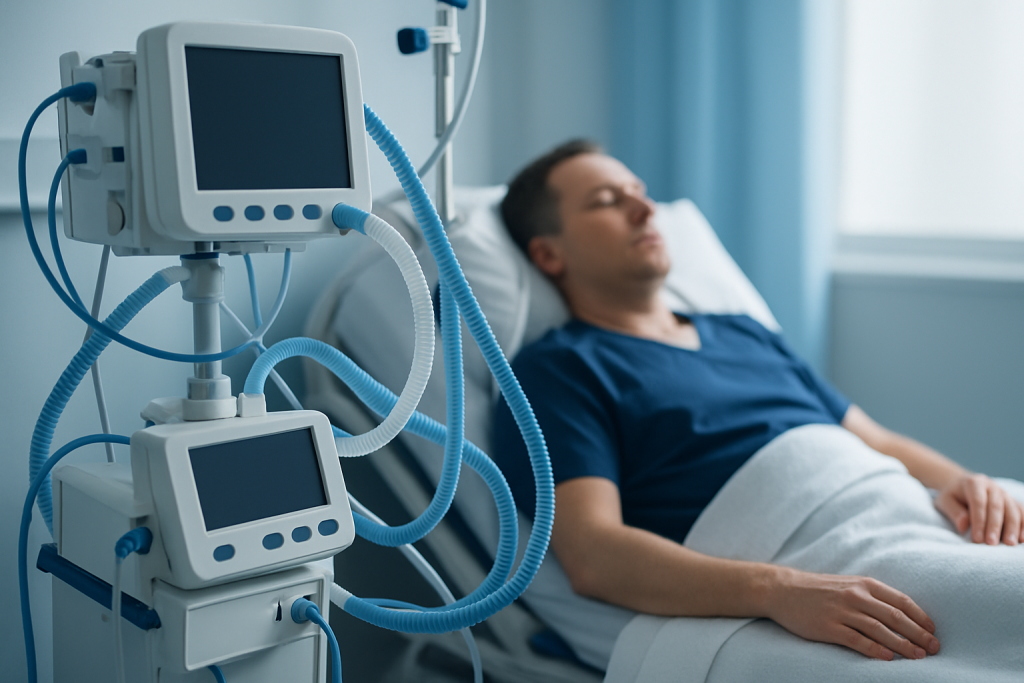
Some changes are worth reporting even if they seem small at first. You do not need to wait until a problem becomes dramatic to ask for help. A quick message or call can prevent a delay in care and can also reassure you when something is part of normal healing.
- Fever or chills that are new or persistent
- Increasing redness, swelling, warmth, or discharge around a wound
- Bleeding that soaks dressings or does not ease as expected
- Sudden or worsening pain that is not helped by your prescribed medication
- Nausea, vomiting, or diarrhea that keeps you from eating, drinking, or taking medicines
- Dizziness, fainting, or unusual weakness
For international patients, it is especially useful to report changes early if you are planning a flight or staying in a hotel. Travel can make a small issue harder to manage, so your care team may advise rest, medication adjustments, local medical review, or changes to your travel plan.
Acibadem Health Point’s international patient services can help you interpret next steps if you are unsure how urgent something is. If language is a barrier, an interpreter can make the conversation easier and more precise.
Red flags that need urgent medical help

Some symptoms should be treated as urgent, not postponed for a routine email. If you have trouble breathing, chest pain, sudden confusion, severe allergic symptoms, uncontrolled bleeding, or loss of consciousness, seek emergency help right away.
Other serious changes can include one-sided weakness, severe swelling of a limb, a high fever with shaking chills, or a wound that suddenly opens. These signs can point to complications that need immediate assessment, and they should not wait for a scheduled follow-up.
If you are in Turkey, follow the emergency instructions given by your hospital. If you have already returned home, call local emergency services first, then notify your Acibadem Health Point team as soon as you can so they can coordinate records and follow-up advice.
Why recovery can feel different when you are far from home
Being abroad adds layers that can make recovery feel less straightforward. You may be sleeping in a different bed, eating differently, relying on family members for translation, or worrying about whether you can get help quickly once you fly home.
That uncertainty is common, and it is one reason clear discharge planning matters so much. Before you leave, ask for written instructions that cover wound care, activity limits, medication timing, travel considerations, and any symptoms that should trigger a call.
At Acibadem Health Point, the goal is not to overwhelm you with details but to make sure you leave with a plan you can actually follow. A practical aftercare plan is one you can read during a late-night worry, not just one that sounded clear in the hospital room.
How to prepare before you travel home
A little organization before departure can make a big difference once you are on your own. Keep your documents, discharge summary, medication list, test results, and clinic contact details together in one place that travels with you, not in checked luggage.
Before you leave, confirm the best way to reach your care team, how to send photos if needed, and what time zone the office uses. If you need an interpreter for follow-up calls, arrange that in advance so you do not lose time when questions come up.
If your recovery includes drains, dressings, special mobility needs, or a diet plan, ask for simple written steps. It is also wise to check whether you will need supplies at home, such as wound dressings, compression items, or prescription refills, so you are not searching for them after arrival.
What to tell your care team when you call
When you contact your care team, the most helpful message is calm and specific. Start with your name, treatment date, and the symptom you are noticing, then explain when it began, how it has changed, and what you have already tried.
If something looks different, mention whether you have fever, bleeding, swelling, a rash, breathing changes, or trouble with movement. If you can, note your temperature, pain score, and any photos you took of a wound or dressing change.
Acibadem Health Point teams are used to helping international patients sort through these details by phone or message. Clear information helps them decide whether you need reassurance, a medication review, an earlier follow-up, or urgent local care.
Follow-up after you are back home
Recovery does not end when your flight lands. You may still need wound checks, medication guidance, activity adjustments, or review of test results, and these are easier when you stay connected to your care team.
Try to notice whether your symptoms are improving week by week, not just day by day. If a concern returns after initial improvement, or if you are unsure whether your healing pace is normal, that is a good reason to check in.
Acibadem Health Point can help coordinate follow-up in a way that fits an international journey, including guidance on what information to share with your local doctor if you need one. That handoff is often what makes aftercare feel manageable instead of fragmented.
Step by step
- Read your discharge plan before you need it. Do not wait until a problem appears to look for instructions. Review the expected recovery timeline, medication schedule, and warning signs while you are still rested and able to focus. Keep the plan on your phone and in paper form if possible.
- Track changes instead of relying on memory. Write down symptoms, temperatures, medication times, and anything that seems different from yesterday. Even a short note can help your care team see a pattern. This is especially useful when you are adjusting to travel, jet lag, or a new routine.
- Separate discomfort from deterioration. Some soreness, fatigue, or swelling can be part of healing, but worsening symptoms need attention. Ask yourself whether things are improving, stable, or getting worse. If the answer is unclear, that is reason enough to contact your team.
- Use the fastest contact method available. If you were given a direct number, patient coordinator contact, or secure message channel, use that first. Include photos if requested and mention your time zone so the response can be practical. If the situation feels urgent, do not wait for a reply by email.
- Know when local care is the right next step. If you are far from Turkey and the symptom is urgent, you may need local emergency services or an in-person clinician near home. Your Acibadem Health Point team can still help by reviewing your history and advising on what information to share.
- Arrange your first post-travel check-in. Before you depart, ask when you should update the team after arriving home. A scheduled check-in makes it easier to catch concerns early and keeps your recovery connected even across borders.
Your checklist
- Your discharge summary and medication list are packed with you
- You know which symptoms are expected and which are not
- You have the correct phone, email, or message contact for your care team
- You can describe your pain, temperature, and wound changes clearly
- You have supplies for dressings, medicines, or mobility support if needed
- You know where to get urgent local help if symptoms become severe
- Your travel plan allows for rest, hydration, and medication timing
- A family member or companion understands the warning signs too
Key takeaways
- Recovery often has good days and slower days, but the overall trend should be toward improvement.
- Fever, worsening pain, bleeding, wound changes, or breathing problems should never be ignored.
- When you are recovering abroad, clear documentation and direct contact details matter more than usual.
- If you are unsure whether a symptom is normal, a prompt call is the safest choice.
- Acibadem Health Point can help international patients with aftercare coordination, interpreters, and follow-up planning.
Frequently asked questions
How do I know if my symptoms are normal after treatment abroad?
The best clue is the overall trend. If discomfort, swelling, or fatigue is gradually improving and matches what your discharge instructions described, that is usually reassuring. If symptoms are new, getting worse, or seem out of step with your plan, contact your care team.
Should I wait until my scheduled follow-up if I notice a problem?
Not if the issue is worsening or unusual. Scheduled follow-up is for planned review, but new fever, increasing pain, wound changes, bleeding, or breathing problems should be reported sooner. Early contact can prevent a small concern from becoming a larger one.
What if I have already flown home and something changes?
Call local emergency services first if the symptom is urgent, then let your Acibadem Health Point team know as soon as possible. If it is less urgent, contact your international patient coordinator or the number in your discharge paperwork. Keep your records handy so you can share details quickly.
Can Acibadem Health Point help if I do not speak Turkish?
Yes, international patient services and interpreters can make the conversation easier. That is useful when you need to describe symptoms clearly, ask about medications, or decide whether you need local care. Clear communication is often the difference between waiting and getting timely advice.
What information should I have ready before I call?
Have your treatment date, discharge summary, medication list, and a short description of the symptom ready. If possible, note when it started, how severe it is, and whether anything makes it better or worse. Photos of a wound or swelling can also help if your team asks for them.
Is it okay to ask about something that turns out to be minor?
Absolutely. It is better to ask a question and hear that everything is expected than to ignore a problem that needs attention. Good aftercare is built on early communication, especially when you are recovering far from the hospital that treated you.
More Patient Guides

Special Needs Travel Checklist Before Surgery in Turkey
Plan a smoother surgery trip to Turkey with a practical special needs checklist for mobility, documents, medications, and support needs.
8 min read
Using a Personal Care Assistant During Your Treatment Trip
Learn how a personal care assistant can support your treatment trip, from travel and daily routines to hospital coordination and recovery planning.
8 min read
Nachsorge, die Sie zu Hause selbst durchführen können: Welche Behandlungen erfordern eine persönliche Nachkontrolle?
Erfahren Sie, welche Nachsorge zu Hause möglich ist, welche persönlich kontrolliert werden muss und wie Sie auch nach der Reise mit Ihrem…
Related Specialists

Dr. Safiye Sayilir
Physical Medicine & Rehabilitation
Dr. Özgün Barış Çolak
Physical Medicine & Rehabilitation
Prof. Dr. Meltem Vural
Physical Medicine & Rehabilitation
Prof. Dr. Meral Bayramoğlu
Physical Medicine & Rehabilitation