

How to Sleep Comfortably After Surgery Abroad

Medically reviewed by the Acıbadem clinical team — June 12, 2026
Sleeping well after surgery abroad can feel harder than expected, especially when you are adjusting to pain, medication, and being away from home. This guide gives you clear, practical ways to set up your nights, protect your recovery, and know when to ask for help from your care team.
At a glance
- Best for: International patients recovering after surgery and wanting safer sleep routines
- Main goal: Reduce discomfort and protect healing while you rest
- What helps most: Positioning, pain timing, a calm room setup, and hydration
- When to ask for help: If pain, swelling, shortness of breath, or anxiety keeps you from sleeping
- Support available: Acibadem Health Point international patient services, interpreters, and aftercare guidance
Why sleep matters more than you think in the first days
After surgery, sleep is not just a comfort issue. It is part of how your body manages pain, repairs tissue, and settles the stress that comes with travel and treatment. If you are recovering in another country, the usual sleep routine you rely on at home may be interrupted by a different bed, unfamiliar sounds, or the simple fact that you are being careful with every movement.
You may not sleep through the night right away, and that does not automatically mean something is wrong. The first few nights often involve short stretches of rest, waking to change position, and planning around medication times. What matters is making those nights easier and safer, not trying to force a perfect eight hours too soon.
At Acibadem Health Point, patients are often supported by international patient coordinators who can help you understand discharge instructions, arrange interpreter support if needed, and make sure you know who to contact if your symptoms change. That kind of practical guidance can make bedtime feel less uncertain, especially when you are away from your home routine.
Find a position that supports healing, not just comfort
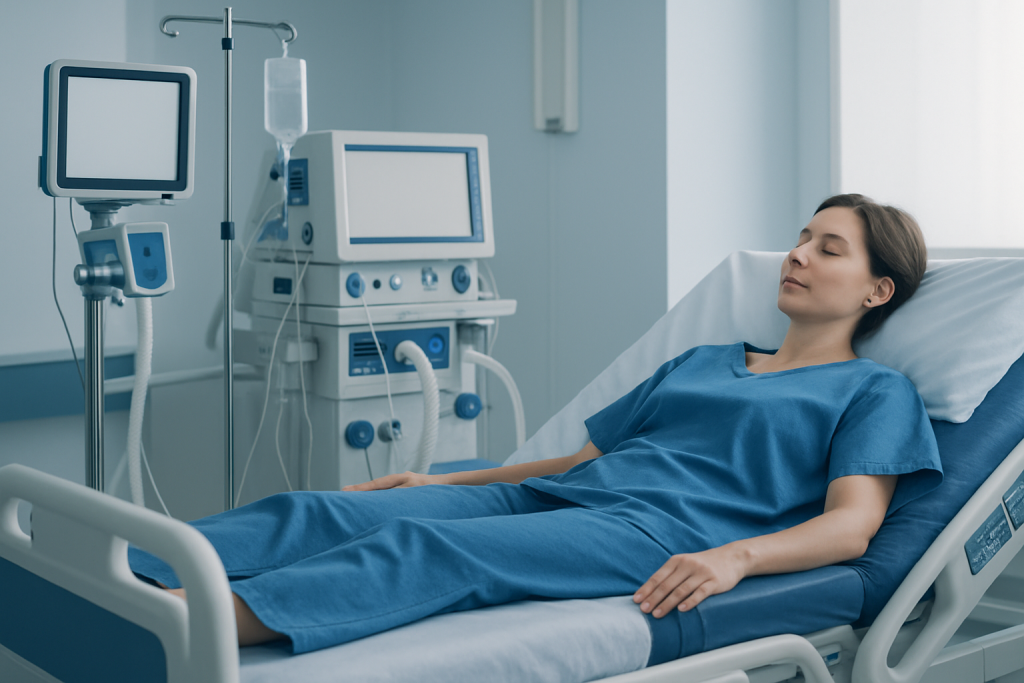
The best sleeping position after surgery depends on the procedure, your surgeon’s instructions, and where your incision or swelling is located. In many cases, the goal is to keep pressure off the treated area and avoid twisting or stretching while you sleep. If you were given a specific position to maintain, treat that as your starting point.
Pillows can help you stay in place without straining your body. A pillow under the knees may reduce lower-back tension when you are lying on your back, while side sleepers may need support behind the back and between the knees to stop rolling. If you have upper-body surgery, sleeping slightly raised may be easier than lying flat, but only if that matches your discharge advice.
Keep in mind that “comfortable” after surgery often means “stable.” You may need to test a setup before going to bed, then adjust it slowly. If something pulls, pins, or increases swelling, change it rather than trying to push through the discomfort.
- Use extra pillows to support the surgical area and reduce movement.
- Avoid sleeping on the side, stomach, or back if your team told you not to.
- Keep frequently used items within easy reach so you do not twist getting up.
- If you are unsure about a sleeping position, ask before you travel home.
Time pain relief so it works when you need it most

Pain often feels worse when you are trying to fall asleep because the day’s movement has built up strain and your surroundings are finally quiet. If your discharge plan includes pain medication, ask how it should be timed around bedtime so you are not waiting for discomfort to peak before taking it. A good plan usually starts before the pain becomes intense.
Only take medicines exactly as prescribed, and be careful with any over-the-counter sleep aids unless your care team has said they are safe for you. Some products can interact with pain relief or make you too drowsy, which increases fall risk when you get up at night. If you are traveling internationally, it is especially helpful to keep a written list of your medicines, doses, and timing in your phone and on paper.
Acibadem Health Point teams commonly provide discharge guidance in a way that is easy to follow after you leave the hospital. If you need clarification before you return to your accommodation, use that window to ask about dose timing, what to do if you miss a dose, and whether your symptoms should improve day by day or require follow-up.
Make your room feel calmer before you go to bed
When you are recovering abroad, your sleep environment may be less familiar, but small changes can help your body settle. Dim the lights an hour before bed, keep your room cool if possible, and reduce noise where you can. If you are staying in a hotel or serviced apartment, ask for extra pillows, a blanket, or a firmer chair so you can move safely without overdoing it.
Set up a “night stand” zone within arm’s reach: water, medication schedule, phone charger, tissues, and anything else you are told to keep nearby. This reduces the need to stand up repeatedly or reach awkwardly. It also helps if you wake during the night and need to check instructions without turning on bright lights.
Try to keep screens low or off before bed, especially if you are already feeling anxious. A quiet routine does not have to be elaborate; it just needs to signal that your body can stop being alert for a while. If you share a room with a companion, ask them to help protect the sleep window you have built.
Pay attention to swelling, breathing, and movement during the night
Not all overnight discomfort is the same. Mild restlessness, brief waking, and position changes can be part of recovery, but certain symptoms should not be ignored. If your pain suddenly becomes severe, if swelling is increasing quickly, or if you feel short of breath when lying down, contact your care team promptly.
It also helps to check how you feel when you first get out of bed. Some people feel lightheaded after surgery, especially if they have had less food, less fluid, or pain medication that affects balance. Sit on the edge of the bed for a moment before standing, and use support if you feel unsteady.
If your discharge instructions mention compression garments, dressings, drains, or movement limits, those details matter at night as much as during the day. A pillow that keeps pressure off an incision or a reminder to avoid a certain motion can make the difference between a rough night and a manageable one.
Plan for the trip home so sleep does not fall apart in transit
One of the most overlooked parts of sleeping after surgery abroad is the journey itself. Long rides, airport waiting, and changing time zones can make you more tired while also making rest harder to get. If you are flying home, ask in advance whether you should choose a seat with more legroom, request help with luggage, or avoid carrying heavy bags.
Do not assume you will be able to sleep normally the first night after travel. Build a simple recovery schedule for the first few days at home, including medication timing, meals, hydration, and a place to lie down comfortably. Many international patients find it useful to have a companion or family member handle logistics so they can focus on rest.
Acibadem Health Point’s international patient services can help coordinate practical details before departure, including interpreter support and guidance on what documents or aftercare notes to carry home. That kind of preparation reduces last-minute stress and makes it easier to continue your recovery once you are back in your own environment.
Step by step
- Confirm your sleeping position before you leave the hospital. Ask your care team which positions are safe for your specific surgery. If you are told to sleep elevated, on your back, or away from pressure on a certain side, write it down and repeat it back before discharge.
- Prepare your bed or accommodation in advance. Set up pillows, water, medication, chargers, and any approved support items before bedtime. Make the space easy to navigate so you are not twisting or bending when you are tired.
- Take pain medicine on the schedule you were given. Do not wait until pain is severe if your instructions allow earlier dosing. Keeping pain under control before sleep often makes the night less fragmented and helps you move more calmly.
- Use a slow, careful bedtime routine. Lower stimulation, reduce bright lights, and give yourself time to settle. If you need to get up during the night, move slowly and sit before standing to avoid dizziness.
- Check your symptoms, not just your sleep quality. A poor night does not always mean a complication, but swelling, breathing changes, fever, or worsening pain should be reported. If something feels different from what your team explained, contact them rather than guessing.
- Keep your aftercare instructions accessible. Save the hospital contact numbers, discharge summary, and medication list where you can reach them quickly. If you are traveling, keep a copy in your hand luggage as well as on your phone.
- Ask for help before your first night at home. If you are unsure about your bed setup, stairs, or how you will manage night-time medication, talk it through early. A small adjustment before travel can prevent a difficult night later.
Your checklist
- Written sleeping-position instructions from your surgeon
- Pain medication plan with timings
- Extra pillows or supports for elevation and alignment
- Water, phone, charger, tissues, and any approved bedside items
- Interpreter or coordinator contact details saved in your phone
- Loose, easy-to-change clothing for nighttime comfort
- A safe path to the bathroom with good lighting
- Travel documents and discharge notes packed for the return journey
Key takeaways
- Good sleep after surgery abroad starts with the right position and the right pillows.
- Pain control works best when it is planned before bedtime, not after discomfort builds.
- Your recovery space should reduce twisting, reaching, and unnecessary night-time movement.
- Travel home can interrupt sleep, so plan for a simpler routine in the first days.
- If symptoms change in a worrying way, contact your care team rather than waiting it out.
Frequently asked questions
Is it normal to sleep badly after surgery abroad?
Yes. The first few nights can be broken by pain, medication timing, unfamiliar surroundings, and the stress of recovery away from home. The goal is not perfect sleep immediately, but a safer and more comfortable routine that improves gradually.
Should I sleep flat or elevated after surgery?
That depends on your procedure and your surgeon’s instructions. Some patients do better slightly elevated, while others need to avoid certain positions altogether, so confirm this before you leave the hospital.
Can I use my usual sleep aids after surgery?
Not automatically. Some sleep aids interact with pain medication or increase drowsiness and fall risk, so only use them if your care team says they are safe for you.
What if I keep waking up because I can’t get comfortable?
Try adjusting pillow support, checking that your pain medicine is timed correctly, and reducing light or noise in the room. If you still cannot rest because of pain or pressure, contact your care team for advice.
How do I sleep safely in a hotel or apartment after surgery?
Set up your bed area before nightfall, keep essentials within reach, and make sure there is a clear, well-lit path if you need the bathroom. If you are traveling with a companion, ask them to help with bags and keep the room calm at bedtime.
When is poor sleep a warning sign?
Poor sleep alone is usually not an emergency, but it becomes more concerning if it comes with severe pain, shortness of breath, fast-growing swelling, fever, heavy bleeding, or dizziness that does not improve. In those cases, contact your care team promptly.
Can Acibadem Health Point help after I leave the hospital?
Yes, the international patient services team can help you understand aftercare instructions, coordinate interpretation if needed, and guide you on what to do if you have concerns during recovery. That support can be especially useful when you are preparing to travel home.
More Patient Guides

Special Needs Travel Checklist Before Surgery in Turkey
Plan a smoother surgery trip to Turkey with a practical special needs checklist for mobility, documents, medications, and support needs.
8 min read
Nachsorge, die Sie zu Hause selbst durchführen können: Welche Behandlungen erfordern eine persönliche Nachkontrolle?
Erfahren Sie, welche Nachsorge zu Hause möglich ist, welche persönlich kontrolliert werden muss und wie Sie auch nach der Reise mit Ihrem…

Nachsorge-Lücken vor der Wahl einer Behandlung im Ausland prüfen
Prüfen Sie vor Ihrer Reise die Nachsorgelücken: Kontrolltermine, Unterlagen, Medikamente, Rehabilitation und wer Sie nach der Rückkehr zu Hause unterstützt.
Related Specialists

Dr. Safiye Sayilir
Physical Medicine & Rehabilitation
Dr. Özgün Barış Çolak
Physical Medicine & Rehabilitation
Prof. Dr. Meltem Vural
Physical Medicine & Rehabilitation
Prof. Dr. Meral Bayramoğlu
Physical Medicine & Rehabilitation