

How Long Should You Stay After Treatment? Recovery Timeline by Case

Medically reviewed by the Acıbadem clinical team — June 13, 2026
If you are traveling for care, one of the most practical questions is how long you should stay after treatment before flying home. The answer depends on your procedure, your recovery, and how easily your care team can confirm you are ready to travel safely.
At a glance
- Best for: International patients planning time in Turkey after treatment
- Main factor: Your procedure type and early recovery progress
- Typical concern: When it is safe to fly or take a long journey home
- What matters most: Pain control, mobility, wound care, and follow-up checks
- Support available: Interpreter help, discharge planning, and travel coordination at Acibadem Health Point
Why your post-treatment stay should not be a guess
When you are arranging treatment abroad, the days after your procedure can matter just as much as the appointment itself. You may feel ready to move, or you may want to leave quickly once the main treatment is over, but recovery does not always follow the same schedule as discharge from the hospital.
The safest plan is based on your body, your procedure, and the distance you need to travel. A short outpatient treatment may only require a brief rest period before you are cleared to leave the area, while a more involved surgery may need several days of observation, wound care, mobility checks, and one more review before your journey home.
At Acibadem Health Point, the post-treatment plan is usually built around your full travel timeline, not just the medical appointment. That helps you avoid the common problem of booking your return too early and then having to rearrange flights, transport, or hotel nights at the last minute.
What changes the recovery timeline from one case to another
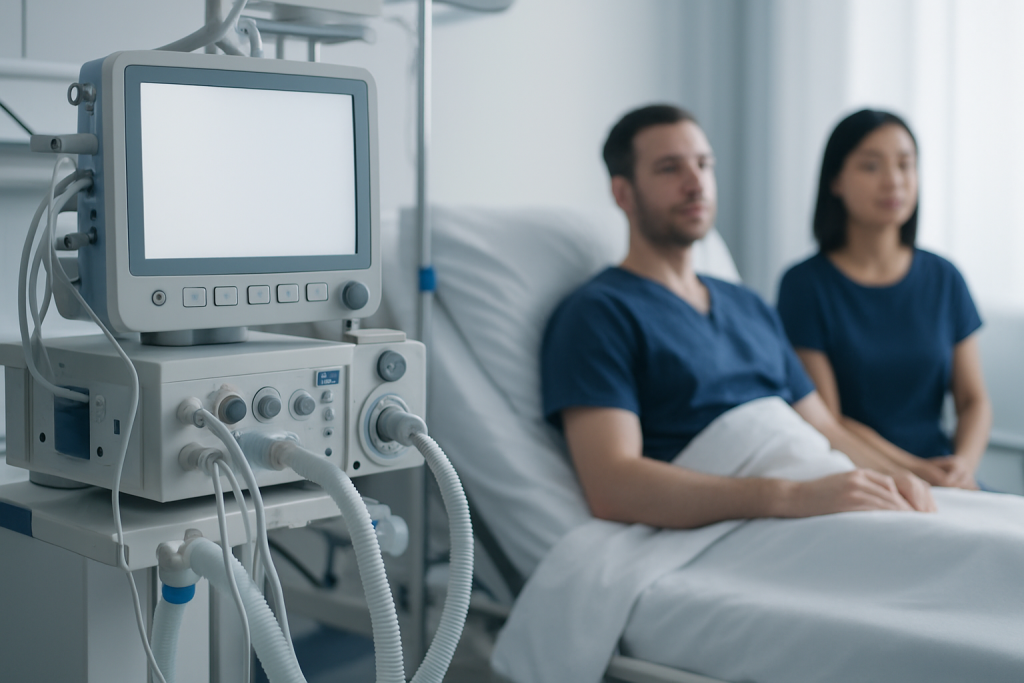
There is no single number that fits every patient. Your recommended stay can change based on how invasive the treatment was, whether you needed anesthesia, how you respond to pain medicine, and whether your care team needs to monitor for early side effects.
Some procedures mainly require reassurance: you may be checked once, given discharge instructions, and allowed to continue recovery in your hotel. Other cases need more than a quick review because you may have dressings, drains, movement restrictions, or medication adjustments that are easier to manage before you fly.
- Less complex care: short observation and one follow-up check may be enough.
- Moderate recovery needs: you may need a few extra days for walking, wound review, or medication stabilization.
- More complex surgery: a longer stay is often advised so your team can confirm you are healing well before travel.
If you are receiving care through Acibadem Health Point, the international patient team can help translate the medical instructions into a practical plan for your hotel checkout, airport timing, and any needed escort or transfer.
How doctors decide when you are ready to leave

Your care team usually looks at several everyday signs rather than one single milestone. They will want to know whether you can get up safely, eat and drink comfortably, manage pain with the medicines you were given, and understand the instructions you will follow after you leave.
They may also check whether you need a return visit for wound care, blood tests, imaging, or a dressing change. If your treatment affects breathing, swelling, blood pressure, or balance, those details can also shape how long you should stay nearby.
In many cases, the decision is partly medical and partly practical. Even if you are technically discharged, it may still be wise to remain close to the hospital for an extra night or two so that an unplanned question can be handled without stress.
Typical stay patterns by case type
Every patient is different, but it helps to think in broad patterns. Minor procedures often need only a short recovery window, while more demanding operations need longer observation and a slower return to activity.
Short stay: You may be able to leave shortly after a minor outpatient treatment, especially if you are walking well, have no concerning symptoms, and your instructions are simple. Medium stay: You may need a few days near the hospital if your treatment involved anesthesia, stitches, medication changes, or a first dressing review. Longer stay: If you had a larger operation, your team may want to see you more than once before confirming that you are ready to travel.
For international patients, the stay often includes one more practical layer: time for transport, hotel rest, and a final review before departure. Acibadem Health Point’s patient services can help coordinate that sequence so you do not have to piece it together on your own.
What a safe discharge plan usually includes
A good discharge plan is not just a handout. It should tell you what to watch for, which medicines to take, how to care for any wound or bandage, and who to contact if something changes after you leave the hospital.
You should also leave with a clear sense of what is normal during recovery and what is not. That distinction matters more when you are in another country, because it helps you decide whether a symptom can wait for your scheduled follow-up or needs quick attention.
Ask for the practical details in writing if possible: when you can shower, when you can walk more, whether you should avoid lifting or long flights, and when the next check should happen. If language is a concern, Acibadem Health Point’s interpreter support can make those instructions easier to follow without relying on guesswork.
How to plan your hotel, flights, and follow-up together
Recovery after treatment abroad is easier when your medical schedule and travel plans are designed as one itinerary. A return flight that looks reasonable on paper may be too soon if you still need a follow-up, if you are weak after anesthesia, or if your doctor wants to see how you are doing on the second or third day.
Try to leave room for change. Booking flexible travel dates, staying in accommodation near the hospital, and avoiding same-day departures can reduce pressure if your recovery is slower than expected. That is especially important if you are traveling with a companion or if you need help moving luggage, taking medication on time, or navigating the airport.
Acibadem Health Point can support this part of the journey with transfer coordination and accommodation guidance, which is often what international patients need most: fewer moving parts and a clear handover from medical care to safe home recovery.
When you should stay longer than planned
Sometimes the original plan needs to be extended, and that is not a failure. It simply means your body needs more time, or your team wants a safer margin before travel.
Reasons for a longer stay may include fever, dehydration, unexpected pain, reduced mobility, nausea, swelling, wound concerns, or the need for another test. If any of these appear, your team may advise you not to fly yet, even if you had originally expected to leave sooner.
It is better to adjust your schedule early than to push through a journey you are not ready for. If you are under the care of Acibadem Health Point, the team can help you revisit timing, communicate with your accommodation, and update your discharge instructions so your next step is still manageable.
What to do after you leave Turkey
Leaving the hospital does not mean recovery is over. You may still need rest, medication reminders, a wound check arranged at home, or a remote follow-up to confirm that healing continues as expected.
Before you depart, make sure you understand what is expected in the first 24 hours, the first week, and the first month if your treatment needs longer monitoring. If possible, keep your discharge documents, test results, and medication list together in one place so your local doctor can review them easily.
For many international patients, a smooth handoff is what makes the difference between a stressful trip and a manageable one. A clear plan from Acibadem Health Point can help you move from hospital care to home recovery with fewer surprises and better continuity.
Step by step
- Confirm the earliest safe departure window. Ask your care team when travel home is medically acceptable, not just when you can technically leave the room. The earliest safe window should take into account pain control, mobility, and whether you need another check before flying.
- Match the stay to the procedure, not the calendar. A major surgery usually needs more recovery time than a simple outpatient treatment, even if both are scheduled during the same trip. Let the treatment itself determine your post-care stay instead of assuming one standard timeline.
- Build in one extra day if your travel is long. A buffer day gives you room for delayed discharge, a late follow-up, or unexpected fatigue. This is especially useful if you are taking an international flight or traveling with connections.
- Ask for a clear written discharge plan. You should leave with instructions for medicines, wound care, activity limits, and warning signs. Written guidance is easier to follow when you are recovering in a hotel or preparing to fly.
- Arrange support for the handoff to your hotel or airport. Plan transport before you are discharged so you are not handling logistics while tired or uncomfortable. Acibadem Health Point can help coordinate transfers and practical details that keep the transition smooth.
- Keep your records ready for home follow-up. Save copies of reports, imaging, prescriptions, and discharge notes in a single folder. If you need a local doctor or remote review after you return home, that packet makes the next step much easier.
Your checklist
- I know the earliest safe date I can travel home
- I have a written discharge summary and medication list
- I understand which symptoms need urgent attention
- I have planned accommodation close enough for follow-up visits
- My return flight allows for recovery, not just checkout
- I know whether I need a wound check, lab work, or review before leaving
- I have arranged transport from the hospital to hotel or airport
- I have copies of my medical records for future follow-up
Key takeaways
- There is no universal number of days that fits every treatment.
- Your procedure type, recovery progress, and follow-up needs all affect how long you should stay.
- A written discharge plan is essential when you are recovering far from home.
- It is often wise to leave extra time for hotel rest and airport travel.
- Acibadem Health Point can help coordinate interpreters, transfers, and practical discharge planning.
Frequently asked questions
Can I fly home the same day as my treatment?
Sometimes, but only for very simple care and only if your medical team says it is safe. Same-day travel is usually not a good idea after anesthesia, surgery, or any treatment that may cause dizziness, pain, or bleeding. The decision should be based on your recovery, not on convenience alone.
How do I know whether I need to stay in Turkey for extra days?
You may need extra time if you still need observation, a wound check, medication adjustment, or help with movement and daily activities. If you are unsure, ask whether there is any reason to be seen again before you travel. That answer is often the clearest guide to your stay length.
What if I feel well but my doctor wants me to stay longer?
That can happen when you feel better than your body’s deeper recovery suggests. Your doctor may be watching for swelling, bleeding risk, infection signs, or other issues that are not obvious yet. It is usually safer to follow the medical recommendation and adjust your return trip if needed.
Should I book my return flight before treatment?
It is often smarter to wait until your team gives you a realistic recovery estimate. If you must book early, choose flexible dates or a ticket that can be changed. That gives you space if your recovery is faster or slower than expected.
What support can Acibadem Health Point provide after treatment?
Acibadem Health Point can help you understand discharge instructions, arrange interpreters, and coordinate practical details such as transfers and nearby accommodation. For international patients, this support makes it easier to move from hospital care to travel home without missing important steps.
What should I do if symptoms change after I leave the hospital?
Follow the warning signs listed in your discharge papers and contact the care team if anything feels outside the expected range. If you have severe pain, heavy bleeding, fever, breathing difficulty, or a sudden change in your condition, seek urgent medical help right away. Keep your documents handy so you can explain your recent treatment clearly.
More Patient Guides

What Companions Should Know Before Surgery in Turkey
Know how to support a loved one before surgery in Turkey, from travel and paperwork to hospital routines, rest, and communication.
8 min read
Special Needs Travel Checklist Before Surgery in Turkey
Plan a smoother surgery trip to Turkey with a practical special needs checklist for mobility, documents, medications, and support needs.
8 min read
Planning Your Recovery Stay in Istanbul
Plan a smoother recovery stay in Istanbul with practical tips on lodging, mobility, support, follow-up, and international patient services.
8 min read
