

Hospital Hygiene Standards Guide for International Patients

Medically reviewed by the Acıbadem clinical team — June 12, 2026
When you travel for medical care, cleanliness is more than a comfort issue—it is part of how you assess safety, organization, and trust. This guide helps you understand hospital hygiene standards, what good practice looks like, and how Acibadem Health Point supports you with JCI-accredited hospitals and coordinated international patient services.
At a glance
- Best for: International patients comparing hospitals or preparing for treatment abroad
- Main focus: How hygiene standards reduce infection risk and support safe care
- What to look for: Clean hands, clean surfaces, clear routines, and staff accountability
- Acibadem Health Point support: JCI-accredited hospitals, multilingual coordination, and practical patient guidance
- Good to remember: You can ask direct questions about cleaning and infection-control routines before you travel
Why hospital hygiene matters before you ever arrive
When you are choosing treatment abroad, it is easy to focus on the specialist, the schedule, or the travel itself. Hygiene may feel like something you will notice only once you are on the ward, but in reality it starts much earlier: in the way a hospital answers your questions, organises your pathway, and handles the small details that protect you.
Good hospital hygiene standards help lower the risk of avoidable infections and create a calmer setting for recovery. For an international patient, that also means fewer surprises: clearer routines, fewer delays caused by preventable issues, and a better sense that the environment is prepared for your arrival.
At Acibadem Health Point, international patient care is built around that kind of preparation. The goal is not to overwhelm you with technical language, but to help you understand what safe, well-managed care looks like in practice so you can travel with more confidence.
What strong hygiene standards usually include
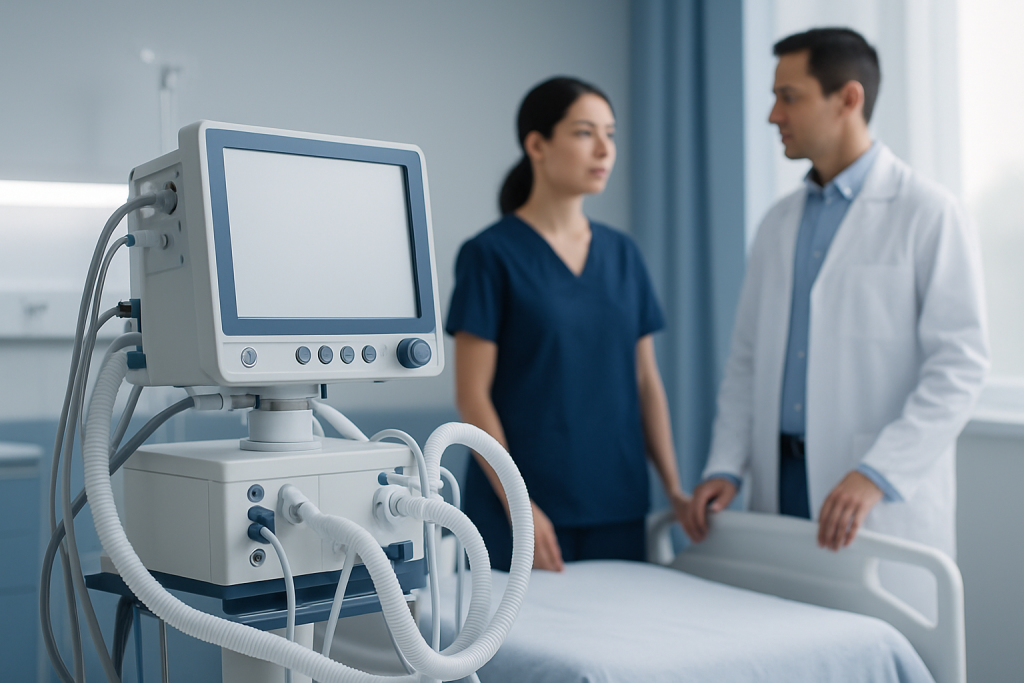
Clean hospitals are not just visibly tidy. Reliable hygiene is usually a mix of routine, training, and accountability. You should expect to see hand hygiene, disinfection of high-touch surfaces, clean patient areas, proper waste handling, and staff who follow consistent rules rather than relying on “common sense.”
In a well-run hospital, these measures are not optional extras. They are embedded into daily operations and checked repeatedly. That may include cleaning schedules for rooms and treatment areas, clear separation of clean and used materials, and procedures for isolating patients when necessary.
For you, the practical sign is simple: the hospital should be able to explain how it keeps patients safe without making you chase for information. If you ask how rooms are cleaned, how equipment is handled, or how staff reduce infection risk, you should receive a clear and respectful answer.
- Hand hygiene before and after patient contact
- Regular cleaning of patient rooms and waiting areas
- Single-use items handled correctly
- Controlled disposal of medical waste
- Separation of sterile and non-sterile areas
How accreditation and oversight support cleanliness

Accreditation does not replace your own judgment, but it can give you useful reassurance. Hospitals that meet recognised standards are typically assessed on patient safety, clinical processes, documentation, and infection prevention—not just on how polished the lobby looks.
That is one reason many international patients pay attention to JCI-accredited hospitals. JCI accreditation is widely recognised and indicates that a hospital has been evaluated against structured safety and quality standards. It is not a guarantee of a perfect experience, but it is a meaningful signal that systems are in place and reviewed.
Acibadem Health Point works with JCI-accredited hospitals, which matters because hygiene is not treated as a separate “department issue.” It is part of the broader safety culture, from how teams prepare operating rooms to how multilingual staff explain your care pathway and help you understand the environment you are entering.
What you may notice on site if standards are strong
Some of the clearest signs are the simplest ones. Staff should clean or sanitize their hands at the right moments, patient areas should not feel cluttered, and equipment should appear organised rather than left out casually between uses. Even the pace of movement can tell you something: safe hospitals tend to work in a structured way.
You may also notice details in how staff communicate. They should be comfortable explaining why a mask is needed in a certain area, why you are asked to change clothing, or why visitor access is limited in some units. These are not inconveniences for their own sake; they are part of keeping the environment controlled.
If you are staying as an international patient, Acibadem Health Point can help you understand what to expect before you arrive, including practical guidance on hospital routines, interpreter support, and what to bring. That kind of preparation reduces confusion and helps you focus on your treatment rather than trying to decode the system on the spot.
Questions worth asking before you travel
You do not need medical training to ask smart questions. In fact, direct questions are one of the best ways to judge whether a hospital takes hygiene seriously. A clear, calm response often tells you as much as the answer itself.
Ask about room cleaning frequency, how often high-touch surfaces are disinfected, whether infection-control teams monitor practices, and what happens if additional precautions are needed during your stay. If you have specific concerns—such as a weaker immune system, recent travel, or a previous infection history—share them early so the team can advise you appropriately.
Acibadem Health Point’s international patient services can help bridge that conversation if you are calling from another country. Interpreters and care coordinators can make sure your questions are understood fully, which is especially important when you are making decisions remotely and want precise, practical answers.
What you can do personally to reduce risk
Hospital hygiene is a shared responsibility. Even in a highly controlled environment, your own habits matter. Simple actions such as cleaning your hands before eating, after touching shared surfaces, and after using the bathroom can make a real difference.
Follow any instructions about gowns, masks, shoes, visitor limits, or showering before procedures. These directions may feel repetitive, especially if you are already anxious or tired, but they are usually designed to protect you and the people around you. If a rule is unclear, ask rather than guessing.
It also helps to travel with a small hygiene kit: hand sanitizer, tissues, any personal toiletries you prefer, and a list of your medications and allergies. Acibadem Health Point can advise you on what is practical to bring, so you are not overpacking or arriving without essentials.
After discharge: hygiene continues to matter
Safe care does not end when you leave the hospital. The way you manage wounds, medications, dressings, and follow-up instructions at home is part of the same safety picture. If you are returning to another country, it becomes even more important to have written instructions that you can follow without ambiguity.
Ask for discharge guidance in a format you can keep—paper, digital, or both. Make sure you know what is normal, what is not, and who to contact if you notice redness, fever, unusual pain, discharge, or anything else that seems concerning. If language is a barrier, request a translated summary or explanation before you travel home.
Acibadem Health Point supports international patients with aftercare planning and follow-up coordination, so your hygiene and recovery plan can continue smoothly after you leave Turkey. That continuity matters because infection prevention is not only about the hospital stay; it is also about what happens next.
Step by step
- Check accreditation and safety credentials early. Look for recognised standards such as JCI accreditation and ask how hygiene and infection-control practices are monitored. This gives you a clearer picture than photos or general marketing language ever will.
- Ask specific questions, not vague ones. Instead of asking whether the hospital is clean, ask how often rooms are disinfected, how hand hygiene is audited, and what isolation procedures exist. Specific questions lead to practical answers you can compare between providers.
- Share your personal risk factors. Tell the team if you have diabetes, a weak immune system, recent infections, or any condition that may affect your risk. That information helps the hospital tailor precautions and prepare appropriately for your stay.
- Prepare for arrival with the right documents and items. Bring your medical records, medication list, allergy information, and any items you use for daily hygiene. Acibadem Health Point can help you organise the non-medical details so you arrive ready rather than rushed.
- Follow instructions the first time they are given. If staff ask you to wash your hands, wear protective clothing, or avoid certain areas, follow the guidance right away. These routines are designed to keep the whole care environment safe and controlled.
- Plan for hygiene after discharge. Before you leave, confirm wound care, medication handling, and warning signs that require medical attention. For international patients, a written follow-up plan is especially helpful because you may be managing recovery from abroad.
Your checklist
- Ask whether the hospital is JCI-accredited
- Request clear information on room and equipment cleaning
- Confirm who interprets for you during your stay
- Bring your medication list and allergy details
- Pack hand sanitizer and basic personal hygiene items
- Follow all handwashing and mask instructions
- Check discharge instructions before you leave
- Save contact details for follow-up questions
- Ask how to reach the team after returning home
Key takeaways
- Hospital hygiene is part of patient safety, not just appearance.
- Recognised accreditation can help you compare hospitals more confidently.
- Clear answers about cleaning and infection control should be easy to get.
- Your own hand hygiene and compliance with instructions matter too.
- For international patients, aftercare planning is part of hygiene and safety continuity.
Frequently asked questions
How can I tell if a hospital has good hygiene standards before I travel?
Start by checking accreditation, then ask practical questions about cleaning schedules, hand hygiene, and infection-control procedures. A hospital that takes safety seriously should be able to explain these systems clearly. If the answers are vague or inconsistent, that is worth noting.
Is a clean-looking hospital always a safe hospital?
Not necessarily. A polished lobby or spotless photos do not tell you much about how infection prevention is handled behind the scenes. What matters more is whether staff follow consistent routines, use proper disinfection, and can explain their processes clearly.
Why does JCI accreditation matter for hygiene?
JCI accreditation means the hospital has been assessed against recognised standards for quality and safety, which includes infection prevention. It does not guarantee a perfect experience, but it does show that the hospital is working within a structured framework. For many international patients, that adds useful reassurance.
What should I ask about if I am coming from another country?
Ask how the hospital will handle communication, what documents you should bring, and how hygiene precautions may affect your stay. It is also smart to ask about aftercare and how to contact the team once you return home. Acibadem Health Point can help organise those details in advance.
Should I bring my own hygiene items to the hospital?
Yes, a small personal kit is often useful. Hand sanitizer, tissues, and your preferred toiletries can help you stay comfortable, especially during travel and transfer days. You should still follow the hospital’s own hygiene routines and instructions.
What if I have a higher infection risk?
Tell the care team as early as possible if you have diabetes, a weakened immune system, or any recent infection history. The hospital can then advise on any extra precautions that may be appropriate for your situation. Sharing this information early helps the team plan more safely.
What happens after discharge if I am flying home soon after treatment?
You should leave with clear written instructions for wound care, medications, warning signs, and follow-up. If anything is unclear, ask for it to be explained before you travel. Acibadem Health Point can support international patients with follow-up coordination so the transition home is easier to manage.
More Patient Guides

Pre-Admission Guide for International Patients in Turkey
Plan your hospital admission in Turkey with confidence: documents, timing, packing, language support, companions, and what Acibadem Health Point helps arrange.
8 min read
Payment Methods for International Patients in Turkey
Learn how international patients can pay for care in Turkey, what documents to prepare, and how Acibadem Health Point helps with smooth…
8 min read
Family Visiting Guidelines for International Patients in Turkey
Learn how family visits work in Turkey, what to plan before you travel, and how Acibadem Health Point supports your stay and…
8 min read
