Payment Methods for International Patients in Turkey

Medically reviewed by the Acıbadem clinical team — June 12, 2026
If you are planning treatment in Turkey, understanding payment methods early can make your trip feel much more manageable. This guide explains what international patients typically need, how payments are usually arranged, and how Acibadem Health Point supports you with clear coordination before you travel and during your stay.
At a glance
- Best for: International patients arranging treatment in Turkey
- Typical payment formats: Card, bank transfer, and other hospital-accepted options
- Helpful before travel: Estimate, passport details, and treatment plan
- Support available: International patient coordinators and interpreters
- Where to confirm: The hospital’s finance or international patient team
What you should sort out before you fly
When you are arranging treatment abroad, payment is not just a finance question — it is part of your travel plan. Before you book flights or hotel nights, ask for a written treatment estimate, a clear list of what is included, and whether any items may be charged separately after assessment.
If you are coming to Acibadem Health Point for care, the international patient team can help you understand the usual process step by step. That matters because the amount you pay may depend on your final diagnosis, the tests your doctor recommends, your length of stay, and whether you need follow-up care before leaving Turkey.
It also helps to check practical details early: who will receive the payment, which currency is accepted, and whether your bank may require advance notice for an overseas transfer. Small administrative checks can prevent delays at the hospital desk later.
Common ways international patients pay in Turkey
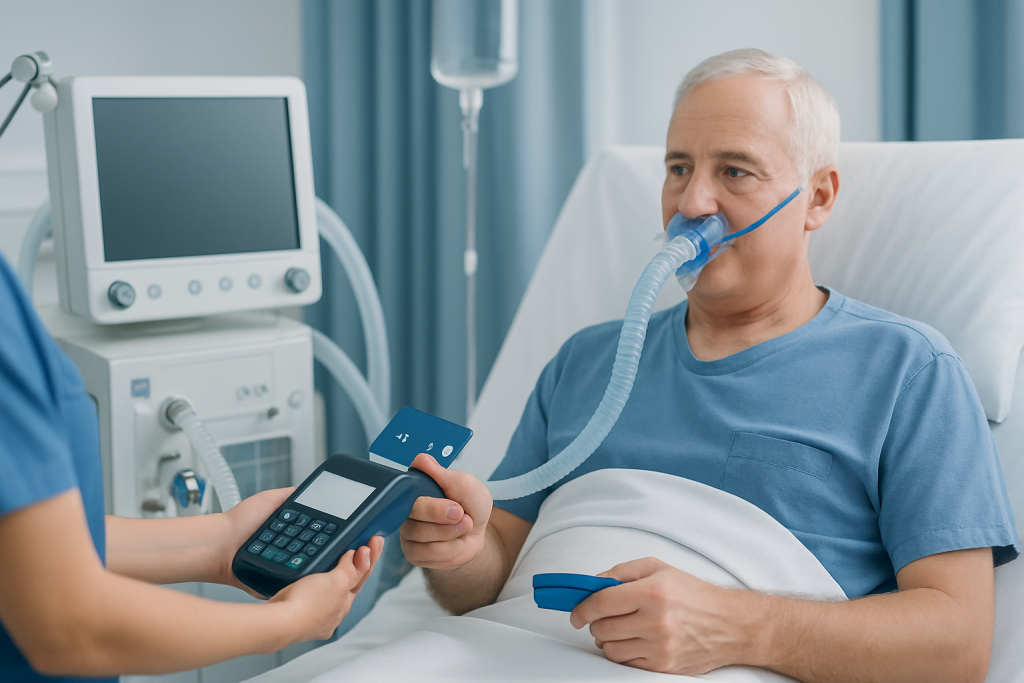
Most international patients use one of a few familiar methods. Card payments are often the quickest option for hospital charges, while bank transfers are helpful for planned treatment costs paid in advance. Some patients also arrange payment through their insurer, employer, or a third-party medical financer if that applies to their case.
At Acibadem Health Point, you should expect to receive guidance on which method fits your situation and hospital location. The available options can vary by service, so it is always better to confirm directly rather than assume the same method applies to every department.
- Credit or debit card: convenient for on-site payments, depending on card type and bank approval
- Bank transfer: useful for advance payments or larger planned expenses
- Insurance: possible when your policy covers treatment in Turkey and the hospital accepts your provider
- Cash: sometimes accepted, but you should confirm limits and receipt procedures first
How quotes usually work when you are abroad

A quote is most useful when it tells you not only the expected treatment cost, but also what sits outside that figure. For example, a quote may cover consultations, tests, or a procedure, while excluding hospital stay, medicines, implants, or extra diagnostics if needed. If anything is unclear, ask for the estimate to be broken down line by line.
International patients often find that a quote is a starting point, not a final bill. Your doctor may need to adjust the plan after an in-person assessment or imaging, and the finance team should explain how those changes affect payment before anything moves forward.
This is one reason Acibadem Health Point keeps communication practical and direct: you should know what is being charged, when it is due, and which parts are still subject to clinical review. That helps you budget with less guesswork.
What to bring with you for payment and registration
A smooth registration process often depends on having the right documents in one place. Even if you have already spoken with a coordinator online, the hospital may still need to verify identity, insurance details, and payment arrangements when you arrive.
Keep your documents easy to access in both digital and printed form. If English is not your preferred language, it can also help to save key documents in a translated copy or ask your international patient coordinator for guidance on what to bring.
- Passport and any required visa or entry documents
- Treatment estimate or written correspondence from the hospital
- Insurance card, policy details, and pre-authorization papers if applicable
- Payment card or bank transfer confirmation
- Contact details for your insurer, sponsor, or family member handling payment
Insurance, deposits, and advance payments
Some patients arrive with private insurance, while others pay directly. If you are insured, the key question is not just whether you have a policy, but whether it covers your specific treatment in Turkey and whether pre-approval is needed before you begin. Without that check, you could face unexpected out-of-pocket costs.
Deposits are also common for planned care. They help the hospital reserve services and start coordination, especially when your treatment involves imaging, surgery, or a longer stay. Ask how the deposit will be applied to your final bill and what happens if your treatment plan changes.
Acibadem Health Point can help you prepare these details in advance so you do not have to solve them in the hospital lobby. If a sponsor, company, or family member is paying on your behalf, make sure the authorization process is clear before you travel.
How to avoid payment surprises during your stay
The simplest way to reduce stress is to ask early and ask specifically. Before any non-routine test or treatment, confirm whether it is included in the estimate and whether it will need separate approval. This is especially important if your care plan develops after the first consultation.
Keep track of receipts and payment confirmations, and ask for them in a form you can store securely. If your hospital stay becomes longer than expected, or if your doctor recommends additional tests, ask the team how that affects the next payment step.
At a JCI-accredited hospital group like Acibadem, you can expect a structured process and a multidisciplinary team working alongside international patient services. That does not remove the need for questions — but it does give you a clearer system to ask them in.
When you will need extra support
Payment can become more complicated if you are travelling alone, managing a complex diagnosis, or using several funding sources. In those situations, an interpreter or international patient coordinator can be especially useful because they help make sure you understand each step before you agree to it.
You may also need support if your hospital visit is linked to a tight travel schedule. If you are trying to coordinate flights, accommodation, and treatment timing from another country, it helps to have one team member who can keep the administrative pieces connected.
Acibadem Health Point’s international patient services are built for that kind of coordination. The goal is not to replace your insurer, bank, or family support — it is to make the hospital side of the process easier to follow.
After payment: receipts, follow-up, and records
Once payment is made, keep your paperwork organized. Receipts, discharge notes, and itemized invoices can be useful later for insurance claims, expense reporting, or follow-up appointments in your home country.
If you may need remote review after you return home, ask which documents should be saved for future reference. Some patients also ask for copies of test results or treatment summaries before leaving Turkey so their local doctor can continue care smoothly.
A good international-patient experience does not end when the card machine beeps or the transfer clears. It ends when you leave with a record of what was done, what was paid, and what to do next.
Step by step
- Request a written estimate early. Ask for a clear, itemized estimate before you book travel. This gives you a practical starting point for budgeting and helps you compare what is included versus what may be added later.
- Check which payment methods are accepted. Confirm whether the hospital accepts cards, bank transfers, cash, or insurance for your specific case. Do this directly with the international patient or finance team, because options may vary by service or department.
- Prepare your documents. Keep your passport, insurance papers, estimate, and payment confirmation ready. Having everything in one folder makes registration faster and reduces the chance of delays on arrival.
- Clarify deposit and due dates. Find out whether a deposit is needed and when the remaining balance is due. Ask how changes to your treatment plan will affect the final amount before you agree to the next step.
- Confirm who is paying. If a family member, employer, or insurer is covering the bill, make sure the authorization is documented. This avoids confusion at the front desk and prevents last-minute problems with approval.
- Save receipts and records. Ask for receipts, invoices, and discharge documents before you leave. These papers are important for insurance claims, follow-up care, and your own financial records.
Your checklist
- Written treatment estimate
- Passport and travel documents
- Insurance policy details or pre-authorization
- Payment card or transfer confirmation
- Contact details for your insurer or sponsor
- Interpreter support request if needed
- Itemized invoice and receipts after payment
- Copies of discharge notes and test results
Key takeaways
- Payment methods for international patients in Turkey can vary by hospital and treatment type.
- A written estimate helps you plan your trip, your budget, and your follow-up care.
- Insurance should always be checked for coverage, approvals, and exclusions before treatment.
- Deposits and advance payments are common for planned care and longer stays.
- Acibadem Health Point can help you coordinate documents, interpreters, and payment steps clearly.
- Keep receipts and records so your next doctor or insurer has the full picture.
Frequently asked questions
Can I pay for treatment in Turkey with a credit card?
In many cases, yes, but acceptance can depend on the hospital, your card type, and your bank’s approval rules. It is best to confirm in advance with the finance or international patient team so you are not surprised at check-in.
Do I need to pay everything before I arrive?
Not always. Some patients pay a deposit before travel and settle the remainder after assessment or treatment, while others complete payment on site. The exact timing depends on the service, the hospital, and whether your care plan may change after consultation.
Will my insurance work in Turkey?
It may, but you should not assume it does. Check that your policy covers treatment in Turkey, confirm whether pre-approval is needed, and ask the hospital whether they can bill your insurer directly or whether you need to pay first and claim later.
What should I do if the final bill is higher than the estimate?
Ask for a clear explanation of what changed and which additional services were medically necessary. You should be told about extra charges before they are added whenever possible, so raise questions as soon as something seems different from the original plan.
Can someone else pay for me?
Yes, in many cases a family member, sponsor, or employer can arrange payment on your behalf. Make sure the hospital has the correct authorization and that the person paying is listed in the contact and billing information before you travel.
Why is a deposit sometimes required?
A deposit helps secure planned services and can be part of the hospital’s standard administrative process. It also gives the team a financial starting point while your treatment details are being finalized, especially for more complex care or longer stays.
How can Acibadem Health Point help with payment coordination?
Acibadem Health Point can guide you through estimates, payment options, interpreter support, and the documents you may need before arrival. That support is especially useful when you are managing care from another country and need a clear process rather than general advice.
More Patient Guides

Refund Policy Guide for Medical Treatments
Understand how medical refunds work, what paperwork matters, and how to ask clear questions before you pay or travel.
8 min read
What Is Included in a Treatment Package
See what a treatment package may cover, what is usually excluded, and how to compare quotes before you travel for care.
8 min read
Currency and Exchange Rate Tips for Patients in Turkey
Plan payments in Turkey with confidence: learn how exchange rates, card use, cash, and receipts work during your medical trip.
7 min read