

Bathing and Personal Hygiene After a Medical Procedure

Medically reviewed by the Acıbadem clinical team — June 12, 2026
After a procedure, simple hygiene decisions can feel unexpectedly complicated. This guide helps you work out when to bathe, how to protect dressings, and how to stay clean and comfortable while you recover.
At a glance
- Best for: Patients recovering at home, in a hotel, or after returning to another country
- Main goal: Keep skin clean without disturbing wounds, dressings, drains, or stitches
- Typical approach: Follow your surgeon’s instructions first; general advice comes second
- Useful support: Acibadem Health Point international patient services can help you clarify aftercare instructions
- When to ask for help: If you notice redness, leakage, fever, increasing pain, or dressing problems
Why hygiene gets a little more complicated after treatment
Once you have had a medical procedure, your usual routine may need to change for a few days or a few weeks. Bathing is no longer just about feeling fresh; it becomes part of protecting healing skin, dressings, stitches, and sometimes drains or medical devices.
The exact instructions depend on what you had done, where the incision or treatment area is, and how your body is healing. A small outpatient procedure and a major operation are not managed the same way, which is why your discharge advice matters more than any general rule you read online.
If you are an international patient, it can be especially helpful to write the instructions down before you leave the hospital. Acibadem Health Point teams can help you understand what applies to you, in clear language and with interpreter support if needed.
When you can shower, and when you should wait
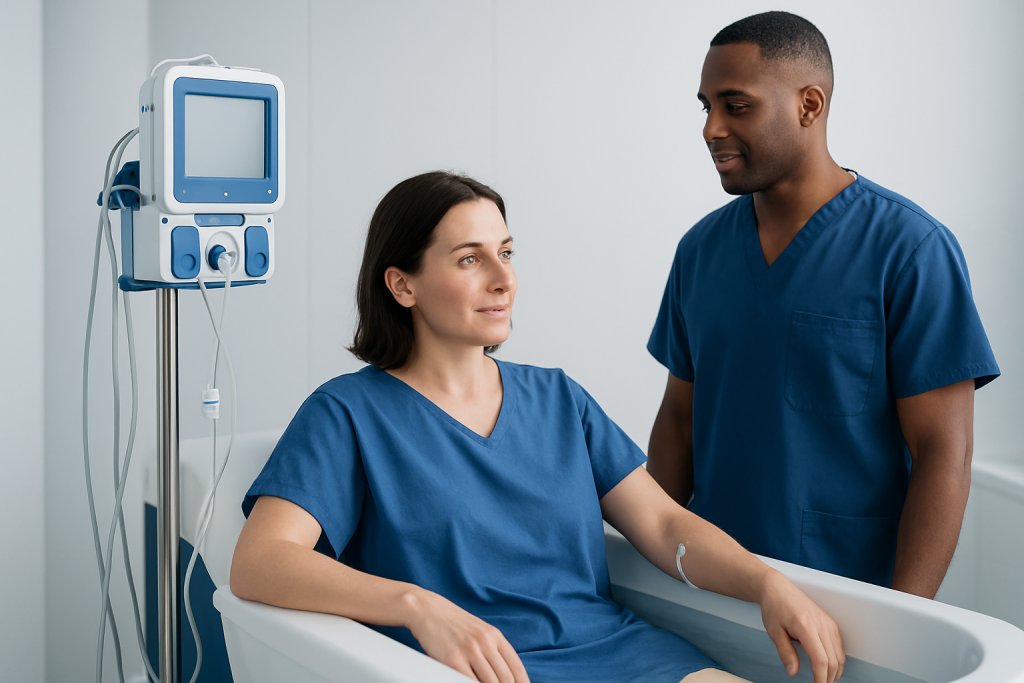
Many people assume they must avoid water completely, but that is not always true. Some patients are allowed to shower within a day or two, while others need to wait until a dressing is removed, a wound is checked, or a surgeon confirms that the area can get wet.
The key difference is usually between a brief shower and soaking. Showering may be acceptable with precautions, while baths, hot tubs, pools, steam rooms, and long soaking can increase infection risk or weaken wound edges.
If you are unsure, do not guess based on how the incision looks from the outside. Ask whether you should keep the area dry, whether a waterproof covering is safe, and how to dry the skin afterward without rubbing.
- Shower: often allowed earlier, but only if your team says it is safe.
- Bath: usually delayed longer because it soaks the wound.
- Swimming: generally avoided until fully healed and cleared.
- Sauna or steam room: usually not recommended during early recovery.
How to keep the body clean without disturbing the wound

Short, careful showers are often easier on the body than standing under hot water for a long time. Use lukewarm water, keep the flow gentle, and avoid directing strong pressure at the healing area. The goal is cleanliness, not a deep scrub.
Choose mild, fragrance-free soap if your team has not told you otherwise, and let the water run over the area rather than rubbing it. Pat the skin dry with a clean towel afterward. If a dressing is present, do not remove it unless you were instructed to do so.
For people who feel weak, dizzy, or unsteady after treatment, a shower chair, non-slip mat, or help from another person can make a big difference. If you are recovering in Turkey with Acibadem Health Point support, you can ask the team to review safe showering positions and practical home or hotel setup tips before discharge.
Managing dressings, stitches, drains, and special care areas
Different recovery situations call for different hygiene rules. A small adhesive dressing may need only light protection, while stitches, surgical glue, drains, or external devices may require stricter care and more specific timing before water exposure.
Never peel off a dressing unless your instructions say to do so. If the dressing gets wet, loose, dirty, or starts to lift at the edges, contact your care team rather than trying to improvise with household tape or repeated bandage changes.
Some procedures also require you to avoid lotions, powders, deodorants, or scented products near the treated area. Even if these products are normal for you, they can irritate healing skin or interfere with adhesive materials.
When you are traveling internationally, bring the written aftercare plan with you. That way, if you need a local clinician to review the area after you return home, you can show exactly what your surgical team recommended.
Personal hygiene while you are tired, sore, or away from home
Recovery often means you have less energy for the details that usually make you feel like yourself. If a full shower feels too much, you can still stay comfortable by washing your face, underarms, hands, and groin area with a clean cloth and mild soap while keeping the treated area dry.
Change into clean clothes regularly, especially if you have been sweating, have a dressing that feels warm, or are spending long hours in bed or sitting in transit. Loose clothing is often kinder to the body than tight waistbands, seams, or bras that press on sensitive areas.
If you are staying in a hotel or temporary apartment, plan ahead for the first few days. Keep supplies within reach: mild soap, clean towels, sterile dressings if prescribed, a waterproof bag for used items, and any items you were told to use for wound protection.
Acibadem Health Point’s international patient services can also help coordinate practical recovery needs such as accommodation suggestions, transfers, and interpreter assistance, so you are not managing everything alone in an unfamiliar place.
What is normal, and what should make you call for advice
Some mild tenderness, a little swelling, or a small amount of clear staining on a dressing may be expected after certain procedures. That said, hygiene changes should never be ignored if the treated area becomes more painful, increasingly red, hot, or swollen.
Contact your care team if a wound opens, a dressing becomes saturated, a drain is not behaving as expected, or you notice discharge with an unpleasant smell. Fever, chills, and a general feeling that something is not right should also be taken seriously.
Do not wait for your next scheduled appointment if you are worried. A quick check is far better than trying to clean, cover, or self-manage a possible problem for too long.
If you have returned home to another country, keep the hospital’s contact details easily available. It is much easier to ask a focused question about bathing, dressing changes, or wound dryness when the information is already in front of you.
A calmer routine for the days after discharge
Good hygiene after a procedure is mostly about rhythm: small, careful steps repeated consistently. When you know when to shower, how to dry the area, and what products to avoid, the whole recovery period feels more manageable.
Your instructions may sound strict at first, but they are usually temporary and designed to protect healing. The aim is not to make life difficult; it is to lower the chance of irritation or infection while your body does the work of recovering.
Acibadem Health Point focuses on the full international-patient journey, so you are not expected to leave with unanswered questions. If something about bathing, clothing, dressing care, or daily hygiene is unclear, ask before you travel and again if anything changes after you get home.
Step by step
- Start with your written discharge instructions. Check the exact advice you were given about showering, dressings, and when to resume normal washing. If the instructions differ from general advice you have heard elsewhere, follow your own care plan first.
- Choose short, gentle showers over long exposure. Use lukewarm water and keep the shower brief. Avoid soaking the wound, and do not aim strong water pressure directly at the healing area unless your team has told you that is fine.
- Protect dressings and do not improvise. Leave dressings in place unless you were told to change them. If one becomes wet or loose, contact your care team rather than trying to patch it repeatedly at home.
- Dry the body carefully. Pat the skin with a clean towel instead of rubbing. Make sure the wound area is dry before you put on clothes or re-cover the site, if instructed.
- Use only approved products near the area. Stick to mild soap and any products your team specifically recommended. Avoid powders, fragrances, oils, or creams around the wound unless they were approved for your recovery.
- Set up your environment before you need it. Keep towels, clean clothes, and wound-care supplies close by. If you are weak or unsteady, use a non-slip mat, shower chair, or someone’s help for added safety.
- Monitor the wound after washing. Look for new redness, swelling, odor, discharge, or pain after bathing. If anything changes in a concerning way, contact your clinic instead of waiting it out.
Your checklist
- Your discharge instructions for bathing and dressing care
- A list of products you are allowed to use on the skin
- Clean towels and loose, comfortable clothing
- Waterproof protection only if your team approved it
- A non-slip bath mat or shower chair if you feel weak
- The hospital contact number saved on your phone
- Interpreter support details if you need help explaining symptoms
- A plan for dressing changes before you travel home
Key takeaways
- Bathing after a procedure depends on what was done and how your wound is healing.
- Showers may be allowed earlier than baths, but only if your team says so.
- Keep dressings, stitches, and drains protected and never change them casually.
- Use gentle products, lukewarm water, and careful pat-drying.
- Watch for signs of infection or wound irritation and ask for help early.
- International patients should keep aftercare instructions and contact details with them after discharge.
Frequently asked questions
Can I shower after my procedure?
Sometimes yes, sometimes not yet. It depends on the type of procedure, the location of the wound, and whether you have dressings, stitches, or drains. Follow the instructions you were given before discharge and confirm anything unclear with your care team.
Is it safer to take a bath instead of a shower?
Usually not during early recovery, because baths soak the wound and can increase the chance of irritation or infection. A short shower is often easier to manage if your team has cleared it. Do not soak in a tub, hot spring, or pool until you have been told it is safe.
What should I do if my dressing gets wet?
Do not ignore it, and do not assume it will be fine once it dries. Contact your clinic for advice, because some dressings need to stay completely dry while others may be replaced in a specific way. If you are away from the hospital, keep your written instructions handy so you can explain the situation clearly.
Can I use soap, shampoo, or body wash near the wound?
Mild, fragrance-free products are often preferred, but the exact guidance depends on the procedure. Avoid scrubbing or using perfumed products near healing skin unless your team says they are acceptable. When in doubt, keep the treated area simple and clean.
How do I know if my hygiene routine is causing a problem?
Warning signs include increasing redness, swelling, heat, pain, odor, or discharge from the wound. A fever or a sudden change in how the dressing looks should also prompt a call. If something feels off after bathing, it is worth checking early rather than waiting.
What if I have already flown home and still have questions?
Keep your discharge paperwork and hospital contact information with you after travel. If you need clarification, reach out promptly rather than making assumptions about bathing or dressing care. Acibadem Health Point can help international patients stay oriented during follow-up and recovery.
More Patient Guides

Accessible Hotel Planning for Medical Patients in Turkey
Plan an accessible hotel stay in Turkey with confidence: room features, transport, mobility needs, and support from Acibadem Health Point.
8 min read
Using a Personal Care Assistant During Your Treatment Trip
Learn how a personal care assistant can support your treatment trip, from travel and daily routines to hospital coordination and recovery planning.
8 min read
Hearing-Impaired Patient Guide to Medical Visits in Turkey
Plan a smoother medical visit in Turkey with hearing support, interpreter options, accessible communication tips, and practical arrival-to-follow-up guidance.
8 min readRelated Specialists

Dr. Safiye Sayilir
Physical Medicine & Rehabilitation
Dr. Özgün Barış Çolak
Physical Medicine & Rehabilitation
Prof. Dr. Meltem Vural
Physical Medicine & Rehabilitation
Prof. Dr. Meral Bayramoğlu
Physical Medicine & Rehabilitation