

Am I a Good Candidate for Treatment Abroad?

Medically reviewed by the Acıbadem clinical team — June 13, 2026
This guide helps you understand whether you may be a suitable candidate for treatment abroad in Turkey and what doctors usually review before confirming a plan. It also walks you through travel preparation, recovery, safety considerations, and the support you can expect from Acibadem Health Point.
At a glance
- Procedure type: Medical or surgical treatment planned after physician evaluation
- Purpose: To help you understand whether traveling abroad for care is appropriate and safe for your needs
- Anesthesia: Depends on the treatment; may not apply to all cases
- Hospital stay: Varies by treatment and your medical condition
- Estimated recovery: Ranges from same-day recovery to several weeks or months
- Return to daily life: Often within days to weeks, depending on the procedure and your overall health
- Final result timeline: Can take weeks to months, depending on the treatment and healing
- Suitable department: Varies; assessed by the relevant specialist department
- International patient support: Online review, interpreter support, transfer guidance, and remote follow-up
What is this treatment?
“Am I a good candidate for treatment abroad?” is not a single procedure, but a practical question that comes before many treatments. It asks whether your condition, overall health, expectations, and travel plans fit safely with care in another country.
At Acibadem Health Point, the answer is built around medical suitability first. You are reviewed by the relevant specialist team so the plan reflects your diagnosis, any previous treatment, and the level of support you may need before, during, and after your visit to Turkey.
This guide is designed to help you understand how that decision is made. You will learn what doctors look for, what information helps with online assessment, and how international patient services can make the process more organized and reassuring.
When is it recommended?
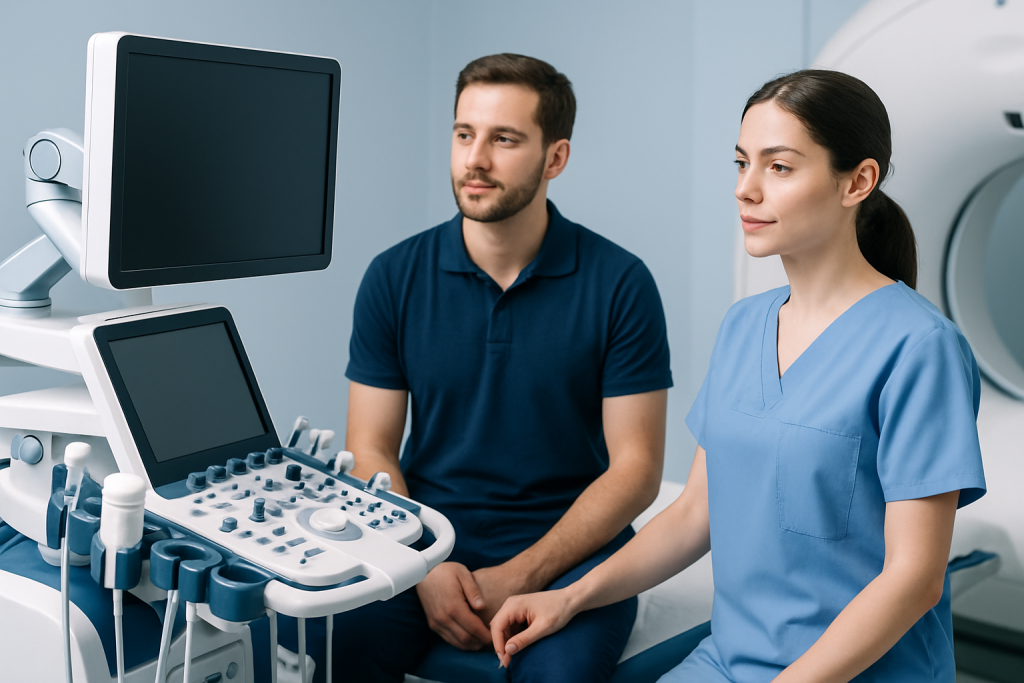
Traveling abroad for treatment is usually considered when you need a procedure or specialist opinion that may be better organized, more accessible, or more coordinated in a hospital setting that serves international patients. It can also be useful when you want a second opinion before deciding on care.
It may be recommended if your condition is stable enough for travel and if the required tests, consultation, procedure, and follow-up can be safely managed within your planned schedule. Some patients seek care abroad for surgery, diagnostics, rehabilitation, or complex evaluation that benefits from a multidisciplinary team.
It is not automatically appropriate for everyone. If you have an urgent medical problem, severe instability, or a condition that requires close ongoing local monitoring, your doctor may advise treatment nearer to home or additional preparation before travel.
Who is a good candidate?

A good candidate for treatment abroad is someone whose medical needs can be clearly defined and safely managed in the setting of an international hospital visit. You should ideally have a diagnosis or a strong clinical suspicion that can be confirmed through records, imaging, or examination.
General health also matters. Doctors will consider whether you can travel, tolerate the proposed treatment, and recover with reasonable support once you return home. Chronic illnesses such as diabetes, high blood pressure, heart disease, or bleeding risks do not automatically rule you out, but they may require extra planning and specialist clearance.
You are more likely to be a suitable candidate if you can share complete medical information, have realistic expectations, and understand that a physician must confirm whether travel and treatment timing are appropriate. In some cases, a revision plan, staged care, or further tests may be needed before a final answer is given.
Treatment options
Because this guide is about candidacy rather than one specific procedure, the “right” treatment abroad can vary widely. Some patients travel for surgery, such as orthopedic, cosmetic, bariatric, dental, or general surgical care; others come for oncology, cardiology, neurology, fertility, rehabilitation, or advanced diagnostics.
Within a given specialty, your options may include minimally invasive approaches, open surgery, endoscopic procedures, non-surgical therapy, staged treatment, or ongoing monitoring. The best option depends on your diagnosis, anatomy, symptom severity, previous treatment, and what outcome you hope to achieve.
At Acibadem Health Point, the specialist team will not only describe what can be done, but also whether it should be done now, after further testing, or in a different sequence. That distinction is often what turns a hopeful idea into a safe, realistic treatment plan.
Online evaluation before travel
The online review is often the most useful first step for international patients. It allows the team to assess whether your case is suitable for care in Turkey before you make travel arrangements, and it helps reduce surprises once you arrive.
You may be asked to send a summary of your symptoms, prior diagnoses, test results, medication list, and any imaging or pathology reports. Clear photos, if relevant to your condition, can also help the team decide which department should review your case and whether an in-person examination is likely to change the plan.
This stage does not replace a full consultation, but it often provides an informed first opinion. If more information is needed, the team may ask for additional records or recommend that you obtain specific tests locally before travel.
Before the treatment
Before any treatment abroad, the medical team will want a complete picture of your health. That may include checking your history of surgery, allergies, medications, smoking status, blood clot risk, pregnancy status where relevant, and any previous reactions to anesthesia or contrast agents.
You should also think beyond the medical side. International treatment works best when your travel dates allow time for consultation, testing, the procedure, and initial recovery. If you are planning a treatment that requires a short hospital stay or a few days of observation, rushing the trip can add avoidable stress.
Acibadem Health Point can help you organize these steps, but your part is important too. Bringing accurate information, asking questions early, and being open about your expectations makes it much easier for the team to confirm whether you are truly a suitable candidate.
What happens during the treatment
What happens on treatment day depends on the procedure, but the process usually begins with final checks, confirmation of the plan, and a review of consent. If anesthesia is required, the anesthesiology team will assess you again and confirm any fasting instructions or safety precautions.
For surgical care, the team follows the procedure agreed on during consultation and pre-operative review. For non-surgical treatment, you may receive medication, therapy, or a diagnostic intervention with monitoring before you leave the hospital or clinic.
Throughout the day, the aim is the same: to deliver the planned treatment safely and to make sure you are stable afterward. If the team sees something that changes the risk-benefit balance, they may adjust the plan in your best medical interest.
Hospital stay and discharge
Your hospital stay can be very short for some treatments and longer for others. If you need observation, pain control, wound care, drainage management, or monitoring after anesthesia, you may remain in the hospital until the team feels it is safe for discharge.
Before you leave, you should receive instructions about medications, wound or device care if relevant, activity limits, diet, follow-up timing, and which symptoms should prompt contact with a doctor. If you are traveling internationally, this discharge plan matters because it bridges the gap between your care in Turkey and your recovery at home.
Acibadem Health Point’s international patient services can also help clarify the next steps, including what records to carry home and how remote follow-up may work once you are back in your country.
Recovery timeline
Recovery after treatment abroad depends on what you had done, whether anesthesia was used, and how your body heals. Your doctor will give you a personalized timeline, but the overview below can help you understand the usual stages of healing and follow-up.
| Timeframe | What to expect |
|---|---|
| First 24 hours | Rest, monitoring, and early symptom control are common. You may feel tired, sore, or groggy if anesthesia was used. |
| First week | Swelling, bruising, limited mobility, or temporary dietary and activity restrictions may be part of normal recovery depending on the procedure. |
| Weeks 2-4 | Many patients begin to feel more comfortable and return to light routines, but healing is still ongoing and overexertion should be avoided. |
| Months 1-3 | Tissues continue to settle, strength improves, and follow-up visits may focus on progress, function, and any signs of delayed healing. |
| Final result | Some results become clear within weeks, while others take months. Your doctor will explain when the full outcome should be judged. |
If you are flying home after treatment, recovery planning should include comfortable travel, medication access, and the ability to rest after arrival. Healing is often a gradual process, so being realistic about the timeline is part of being a good candidate in the first place.
What to avoid after treatment
After treatment, avoid anything that could interfere with healing or increase the risk of complications. Depending on the procedure, this may include heavy lifting, strenuous exercise, smoking, alcohol, soaking in baths or pools, and removing dressings or devices before you are told to do so.
You should also avoid using unapproved medications or supplements, especially if they could affect bleeding, blood pressure, sleep, or wound healing. If you are traveling soon after treatment, do not make plans that leave no room for rest, medication timing, or an unexpected follow-up visit.
When in doubt, follow the instructions you receive from your care team rather than general advice from the internet. What is safe after one treatment may be the wrong choice after another.
Risks and possible complications
Every medical treatment carries some level of risk, and traveling abroad does not remove that reality. Possible complications may include pain, bleeding, infection, delayed healing, scarring, medication reactions, blood clots, anesthesia-related issues, or the need for further treatment.
The exact risks depend on your diagnosis, the procedure itself, your age, your baseline health, and whether you have other conditions that make recovery more complex. Even when treatment is well planned, results can vary from person to person.
For this reason, candidacy is not based on what you want to happen; it is based on what is medically appropriate for you. A careful review helps reduce avoidable risk, but it cannot eliminate all uncertainty.
Warning signs: when to contact a doctor
Contact your doctor promptly or seek urgent medical help if you notice any concerning change after treatment. The team will tell you which issues are expected and which are not, but the following symptoms are common red flags:
- High fever or chills
- Sudden or worsening pain that does not improve with prescribed care
- Heavy bleeding, expanding swelling, or discharge with a bad odor
- Shortness of breath, chest pain, fainting, or a fast irregular heartbeat
- Redness, warmth, or pus around a wound or treatment site
- Persistent vomiting, inability to keep fluids down, or severe dehydration
- New weakness, confusion, severe headache, or loss of function
- Any symptom your discharge instructions describe as urgent
If you are already back home, you should not wait for the situation to become severe. Early contact allows the team to guide you, arrange remote review, or advise you on local emergency care if needed.
Results and expectations
The most helpful way to think about results is as a process rather than a single moment. Some treatments provide immediate improvement, while others reveal their true benefit only after swelling decreases, rehabilitation progresses, or medical follow-up confirms stability.
Your final result will depend on your starting condition, the treatment chosen, how your body responds, and how closely you follow recovery instructions. In some cases, additional treatment, adjustment, or revision may be part of the overall journey rather than a sign that care has failed.
Acibadem Health Point encourages realistic expectations from the outset. If a procedure is likely to improve one aspect of your health but not every concern, or if a staged approach is safer, you should know that before you travel.
International patient travel planning
Planning treatment abroad is easier when the trip is structured around care, not the other way around. Start with medical review, then build your travel dates, accommodation, and return flight around the likely time needed for consultation, tests, treatment, and early recovery.
For many patients, a smooth experience depends on practical support: airport transfers, hotel guidance, interpreter assistance, and clear instructions for medication and follow-up. These are not extras; they are often what makes it realistic to focus on recovery instead of logistics.
At Acibadem Health Point, international patient services can help coordinate these details and keep communication clear across time zones. That is especially valuable if you need remote follow-up after returning home.
Cost and package information
Cost depends on the type of treatment, the complexity of your case, the specialist department involved, the length of hospital stay, the need for imaging or laboratory tests, anesthesia, implants or medical devices if applicable, and whether you need rehabilitation or follow-up visits.
When comparing options, ask what is included in the proposed plan and what is not. A treatment package may include consultation, hospital fees, standard tests, procedure-related care, medications used during admission, and some transfer or coordination services, but this varies by case and by treatment.
Items that may be separate include personal expenses, travel tickets, extended accommodation, additional tests requested after review, companion costs, translation needs outside the usual support, and any unexpected care that becomes necessary because of your medical findings. A proper quote should be based on your individual records, not on a generic estimate.
Why choose Acibadem
For international patients, the value of care often lies in coordination as much as in the treatment itself. Acibadem Health Point works with JCI-accredited hospitals, experienced specialist teams, and an international patient structure that is built to keep the process organized from first contact to follow-up.
You benefit from multidisciplinary review when your case is complex or when more than one specialty needs to weigh in. Interpreter support, transfer guidance, and help with scheduling can also reduce the friction that often comes with seeking care far from home.
Just as importantly, the team aims to tell you clearly whether you are a suitable candidate before you travel. That honesty helps protect your time, your budget, and your safety.
Medical review and disclaimer
This guide has been reviewed by the Acibadem Health Point medical team for general informational purposes. It is intended to help you understand how candidacy for treatment abroad is assessed, but it does not replace a personal consultation, physical examination, or specialist review of your medical records.
Suitability for any treatment can only be confirmed by a physician after evaluating your condition, overall health, test results, and the risks and benefits in your specific case. Results, recovery time, and the need for additional care can vary from patient to patient.
If you are considering treatment in Turkey, the safest next step is to share your records for review and receive an individualized recommendation before booking travel.
Step by step
- Initial contact. You reach out with your main concern, diagnosis, or the treatment you are considering. The first goal is to understand whether your case is appropriate for an online review.
- Medical record / photo submission. You send your reports, imaging, medication list, prior surgery details, and any photos or other material relevant to your condition. Complete information helps avoid delays and prevents guesswork.
- Preliminary medical review. A specialist team reviews your case and decides whether more information is needed. If your condition is not suitable for travel-based care yet, you may be advised to get further tests or local stabilization first.
- Treatment plan and quotation. You receive a proposed plan, likely department, expected stay, and what the package includes. The aim is to match the medical recommendation with a realistic travel timeline.
- Travel planning. Once the plan is medically acceptable, you can organize flights, accommodation, and any companion travel. The team may help you understand how much time to allow for recovery before returning home.
- Arrival. You arrive in Turkey and are supported with transfer coordination if arranged. This is the stage where logistics are simplified so your attention stays on care.
- In-person consultation. The specialist examines you, reviews your records again, and confirms whether the earlier online plan still fits your current condition. This is the point where final questions should be discussed openly.
- Pre-operative tests. If your treatment requires it, you complete blood tests, imaging, cardiology review, anesthesia assessment, or other checks. These confirm that the plan remains safe on the day of treatment.
- Treatment. You undergo the agreed treatment under the care of the relevant medical team. If findings differ from the original expectation, the team may adapt the plan for your safety.
- Hospital stay. You recover under observation for the period recommended by your doctor. Nursing support, pain control, and early follow-up checks are handled during this stage.
- First control. Your team reviews early healing, symptoms, and any tests or dressings that need attention. This helps confirm that recovery is moving in the expected direction before you travel.
- Discharge / travel clearance. You receive instructions, medications, and guidance for home recovery, along with clearance to travel when medically appropriate. You should know whom to contact if questions arise after you leave.
- Remote follow-up. After you return home, the team can continue to monitor your progress remotely when appropriate. This is especially useful for patients traveling internationally who need ongoing reassurance and structured follow-up.
Your checklist
- Passport and travel documents
- A clear summary of your medical history
- Current medication list, including supplements
- Allergies and past reactions to medication or anesthesia
- Previous surgeries or procedures
- Current symptoms and how long you have had them
- Recent test results, laboratory reports, and imaging
- Pathology or biopsy reports, if relevant
- Photos or videos that help show the problem, if applicable
- Contact details for your local doctor, if you have one
- Questions you want answered before you travel
Key takeaways
- You may be a candidate if your condition is suitable for treatment abroad and your general health supports travel and recovery.
- A doctor will review your medical history, current symptoms, imaging, and previous treatments before advising.
- Your stay in Turkey depends on the treatment, required tests, and whether you need observation after the procedure.
- Recovery planning matters as much as the procedure itself, especially when you will continue healing after returning home.
- If you have unstable medical conditions, serious travel limitations, or incomplete records, the team may recommend further assessment first.
Frequently asked questions
How do I know if I am a good candidate for treatment abroad?
You are more likely to be a candidate if your condition is clearly understood, the proposed treatment can be safely delivered in Turkey, and your overall health allows travel and recovery. A specialist review is essential because candidacy depends on more than just wanting care abroad.
Can I get an answer before I travel?
Yes, in many cases the first step is an online medical review. Sending your records, tests, and any relevant images helps the team decide whether an in-person consultation is likely to confirm the same plan.
What if I have other health conditions?
Many patients with chronic conditions can still be treated, but the plan may need extra precautions or specialist clearance. The team will look at heart health, diabetes, blood pressure, clotting risk, medications, and previous reactions before advising you.
How long do I need to stay in Turkey?
The length of stay depends on the treatment, whether you need tests before the procedure, and how long you need to recover under observation. Some patients stay only a short time, while others need several days or longer for safe discharge and follow-up.
What should I prepare before requesting a review?
You should prepare your passport details, medical history, medication list, allergy information, previous surgery history, and current test results if you have them. If your condition is visible or image-based, photos or imaging can help the team assess your case more accurately.
Is treatment abroad safe?
Safety depends on the procedure, your health status, and how carefully the plan is reviewed before travel. Choosing a JCI-accredited hospital and an experienced international patient team can help support a careful, coordinated process, but no treatment is risk-free.
How soon can I return to daily life?
That varies widely. Some treatments allow a quick return to light activity, while others require a longer recovery and follow-up period before you resume normal routines or travel comfortably.
What if I need follow-up after I go home?
Remote follow-up is an important part of international care. Acibadem Health Point can guide you on what to monitor, when to send updates, and when to seek local medical help if new symptoms appear.
Do I need to know the exact treatment before contacting you?
No, you can start with your symptoms or diagnosis and the team can help determine which department should review your case. If you are unsure whether treatment is even needed, a second opinion review may still be useful.
What affects the cost of treatment abroad?
Cost depends on the complexity of your case, the type of procedure, hospital stay, tests, anesthesia, devices or implants if needed, and whether follow-up services are included. A proper quote should be tailored to your records rather than given as a generic figure.
More Patient Guides

How to Prepare Your Medical Records for Treatment Abroad
Learn how to organize medical records for treatment abroad so your team can review faster, plan safely, and avoid delays.
8 min readBin ich ein geeigneter Kandidat für eine Behandlung im Ausland?
Erfahren Sie, ob eine Behandlung im Ausland in Türkiye für Sie geeignet ist, was Sie vorbereiten sollten, wie die Beurteilung abläuft und…

Bin ich ein Kandidat für eine Behandlung im Ausland? Wichtige Fragen zur Eignung
Erfahren Sie, ob eine Behandlung im Ausland für Sie geeignet sein könnte: Was Sie prüfen sollten, welche Unterlagen hilfreich sind und wie…

